
DiamondBuzz
Ghana to Chair Kimberley Process in 2027

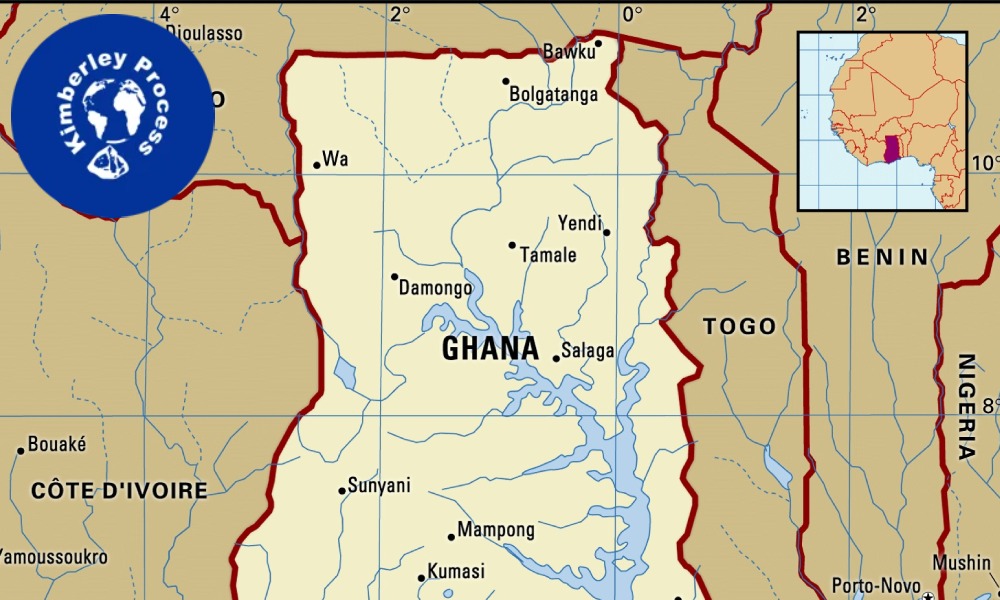
Ghana, represented by the Ghana Gold Board (GoldBod), has been appointed Vice Chair of the Kimberley Process (KP) for 2026 and is set to assume the Chairmanship in 2027. This landmark appointment, announced at the 2025 Kimberley Process Plenary in Dubai, marks the first time a West African nation will lead the global diamond certification initiative since its inception in 2003.
Despite being one of the world’s smaller diamond producers, Ghana’s strong commitment to responsible mineral governance, transparency reforms, and technical expertise in gold and diamond management garnered widespread confidence among KP members. The appointment followed intense deliberations among governments, industry stakeholders, and civil society, underscoring Ghana’s readiness to steer the KP’s efforts in combating conflict diamonds and enhancing sustainable practices worldwide.
As Chair, Ghana will oversee the implementation of the Kimberley Process Certification Scheme (KPCS), coordinate working groups and committees, and guide policy decisions to ensure the integrity of the global diamond supply chain. Ghana Gold Board CEO Sammy Gyamfi emphasized that this esteemed role entails a significant responsibility to lead with excellence, transparency, and innovation.
The UAE, the current custodian Chair in 2025, continues to maintain leadership continuity, while the position of Chair for 2026 remains unfilled. Ghana’s leadership signals a new chapter for the KP, strengthening West Africa’s role in global diamond governance and sustainable industry practices.



DiamondBuzz
Botswana Looks Beyond Rough Diamond Sales, Eyes U.S. Jewelry Market
The Duty Exemption By US Presents An Opportunity For Domestic Jewelry Manufacturers In Gaborone To Bypass Traditional Middle-Market Hubs and Establish A Direct Pipeline To American Consumers


Grappling with a painful downturn in global rough-diamond demand, Botswana is pivoting its economic strategy: expanding up the supply chain directly into American retail shelves while leveraging its resource wealth to fund conservation and diversification.
Speaking on the sidelines of New York Climate Week, Bogolo Joy Kenewendo, Botswana’s Minister of Minerals and Energy, highlighted the southern African nation’s plan to capitalize on a 0% import-tariff rate to the U.S. market. The duty exemption presents an opportunity for domestic jewelry manufacturers in Gaborone to bypass traditional middle-market hubs and establish a direct pipeline to American consumers.
shift The push into value-added manufacturing comes as the world’s top diamond producer by value navigates a broader structural Diamond revenues have long formed the bedrock of Botswana’s post-independence balance sheet, underwriting universal secondary education and tuition-free university funding. However, recent market volatility has underscored the vulnerabilities of a mono-sectoral economy.
Under the Botswana Economic Transformation Programme (BETP)—an initiative spearheaded directly by President Duma Boko and his vice president—the government is directing resources toward manufacturing, agriculture, and broader mining sectors to reduce its heavy reliance on rough diamond sales.
To support its luxury exports, Botswana is recalibrating its brand narrative around origin, environmental stewardship, and social impact. The country recently announced a five-year extension of the “Okavango Eternal” partnership alongside De Beers Group and the National Geographic Society. The initiative aims to protect the ecological integrity of the Okavango River Basin while tying diamond purchases to conservation efforts.
With De Beers currently facing an impending ownership change, officials remain optimistic that any capital restructuring could bring additional funds into Botswana to accelerate its domestic economic transition.



KISNA Diamond and Gold Jewellery Rolls Out Nationwide ‘Shop Sparkle Win’ Campaign Across 218 Cities, With 823 Vehicles Up For Grabs

Nemichand Bamalwa Creates Nav Avatar Necklace For Maa Durga At Indian Museum’s Durga Puja

Kangana Ranaut Unveils PNG Jewellers New Showroom In Ayodhya~

GGJS 2026 Concludes With High-Volume Trade and Strategic Focus On Next-Gen Leadership
Nemichand Bamalwa Creates Nav Avatar Necklace For Maa Durga At Indian Museum’s Durga Puja
KISNA Diamond and Gold Jewellery Rolls Out Nationwide ‘Shop Sparkle Win’ Campaign Across 218 Cities, With 823 Vehicles Up For Grabs
-
 National News12 hours ago
GGJS 2026 Concludes With High-Volume Trade and Strategic Focus On Next-Gen Leadership
-
 National News7 hours ago
Nemichand Bamalwa Creates Nav Avatar Necklace For Maa Durga At Indian Museum’s Durga Puja
-
 National News7 hours ago
KISNA Diamond and Gold Jewellery Rolls Out Nationwide ‘Shop Sparkle Win’ Campaign Across 218 Cities, With 823 Vehicles Up For Grabs
-

 National News16 hours ago
MCX Gold Silver Futures See Dip
