JB Insights
From Lab To Luxury: Sonani Jewels’ Blueprint For The Next Generation Of Fine Jewellery
In An Exclusive Conversation With JewelBuzz, Agastya Sonani, Co-Founder & CEO, Sonani Jewels, Discusses The Company’s Journey In Lab-Grown Diamonds, Consumer-Led Innovation, Manufacturing Capabilities and Its Ambitious Roadmap For The Future

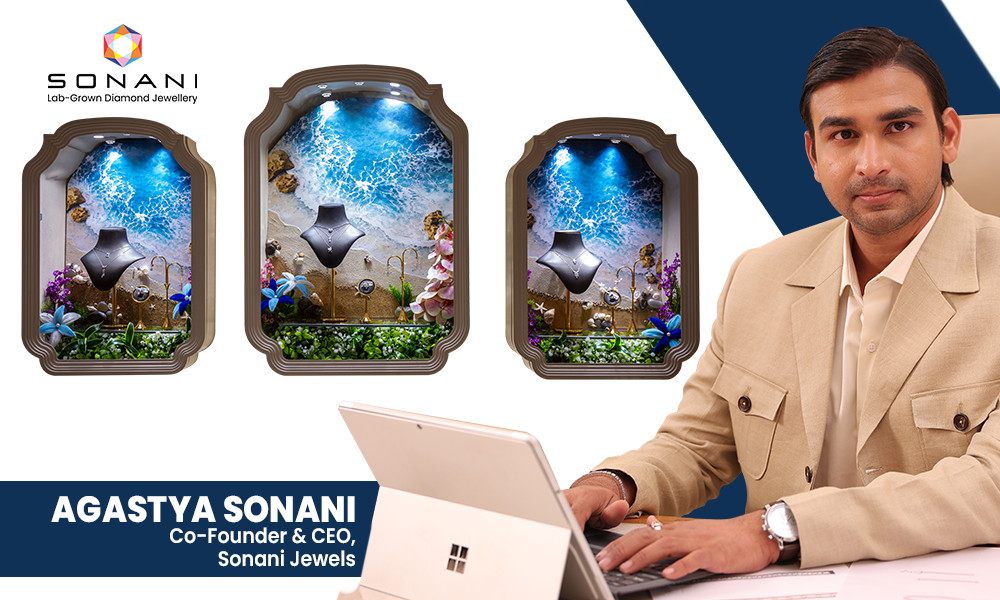
As the jewellery industry undergoes a fundamental shift in consumer preferences, rising gold prices and the growing acceptance of lab-grown diamonds (LGDs), Sonani Jewels is building a differentiated position at the intersection of technology, manufacturing, design and accessibility.
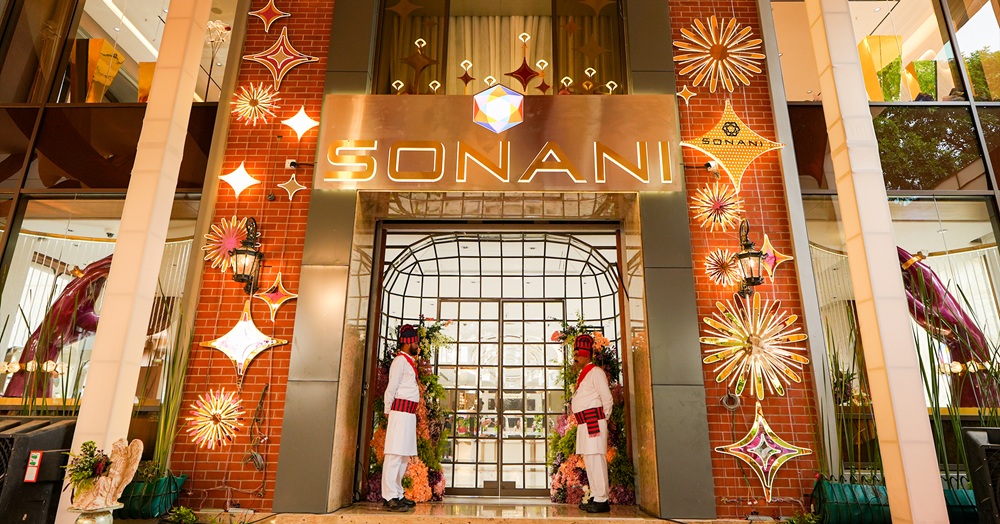
With roots in diamond manufacturing and technology dating back to 2006, the company has developed an integrated approach that combines deep manufacturing expertise with a close understanding of the evolving jewellery consumer. From its ‘9 To Fine’ 9KT gold collection and growing portfolio of fancy-coloured lab-grown diamonds to its D2C and retail strategy, Sonani Jewels is working towards creating a connected diamond-to-jewellery ecosystem.
In an exclusive interview with JewelBuzz, Agastya Sonani, Co-Founder & CEO, Sonani Jewels, shares insights into the evolution of lab-grown diamonds across domestic and international markets, the consumer and commercial trends shaping product innovation, the company’s approach to traditional retail and D2C, its manufacturing agility, and the strategic priorities underpinning its 3–5 year growth vision.
Through the conversation, Agastya Sonani offers a closer look at how Sonani Jewels is approaching the rapidly evolving LGD landscape and building a jewellery business designed to respond to a new generation of consumers seeking design, value, accessibility and choice.
1. How has Sonani Jewels navigated the evolving acceptance of lab-grown diamonds (LGDs) across both domestic and export trade markets?
We have always believed that the acceptance of lab-grown diamonds would ultimately be driven by education, transparency and product quality. Our advantage is that Sonani’s relationship with lab-grown diamonds goes back much further than jewellery. We have been involved in diamond manufacturing and technology since 2006, so we understand the science, production and quality parameters behind LGDs at a fundamental level.
In both domestic and export markets, we have seen the conversation move from “What is a lab-grown diamond?” to “Which lab-grown diamond is right for me?” That is a significant shift. Consumers and retailers are becoming more informed about quality, colour, cuts and certification.
Our approach has therefore been to focus not simply on selling LGDs, but on building confidence around them through consistent quality, design, manufacturing expertise and transparency. We see LGDs not as a substitute for mined diamonds, but as a distinct category within the larger diamond and jewellery ecosystem.
2. What commercial intelligence drove innovations like your ‘9 To Fine’ 9kt gold collection and fancy-coloured lab-grown diamonds?
The fundamental insight was that the modern jewellery consumer is looking for more design, more versatility and greater accessibility without compromising on the experience of fine jewellery.
With 9 To Fine, we recognised that gold prices were becoming an increasingly important consideration for consumers, particularly younger buyers who wanted to purchase fine jewellery more frequently rather than only for major occasions. Moving to 9kt gold allowed us to create contemporary, beautifully crafted pieces at a more accessible price point while maintaining the appeal of real gold and lab-grown diamonds.
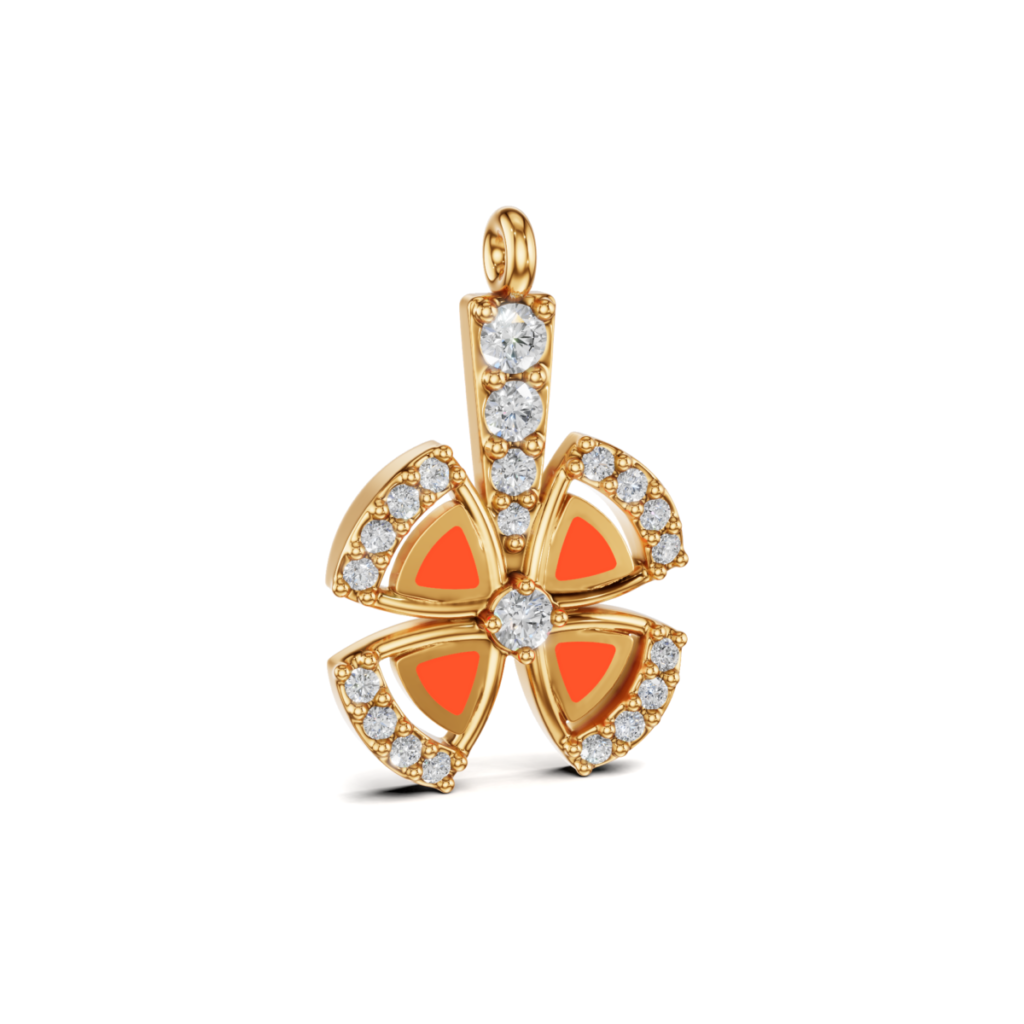
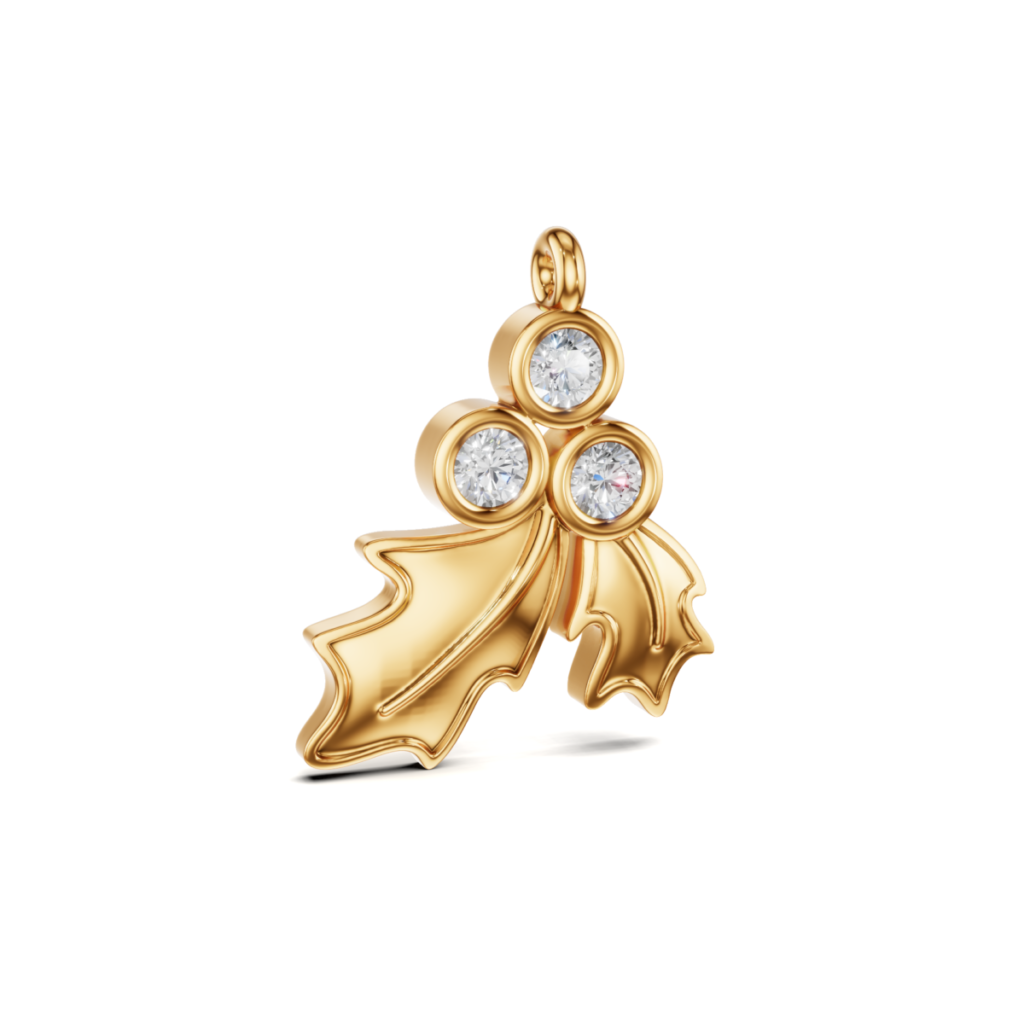
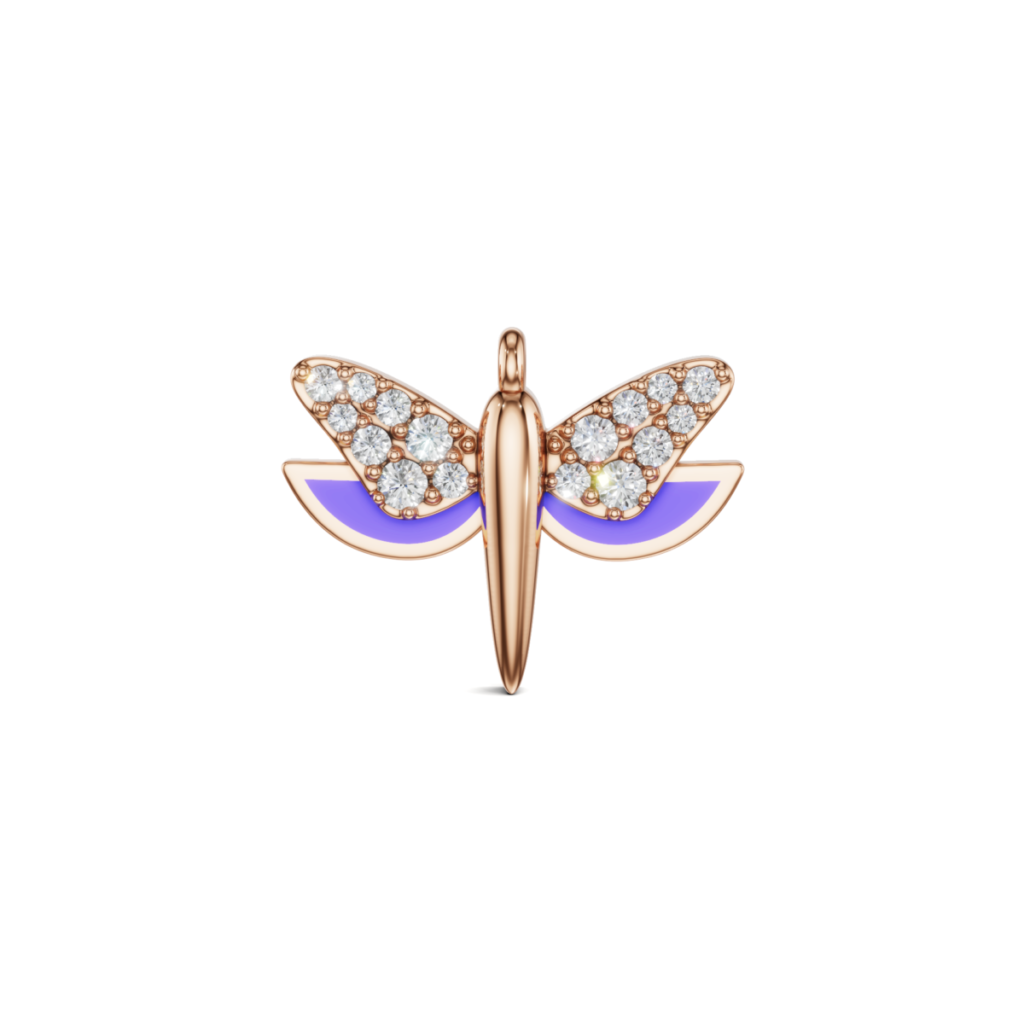
Fancy-coloured LGDs came from another observation: consumers are becoming much more expressive with jewellery. White diamonds will always have a place, but colour allows people to personalise their jewellery and make it more distinctive. Our expertise in growing coloured diamonds gives us an opportunity to bring colours such as pink, blue and yellow into jewellery in a way that is both design-led and commercially relevant.
For us, innovation is not about creating something different for the sake of it. It is about identifying what the consumer is going to value next.
3. How do you enable traditional retailers to adopt LGDs while managing your direct-to-consumer presence?
We see the traditional retail network and D2C as complementary, rather than competing models.
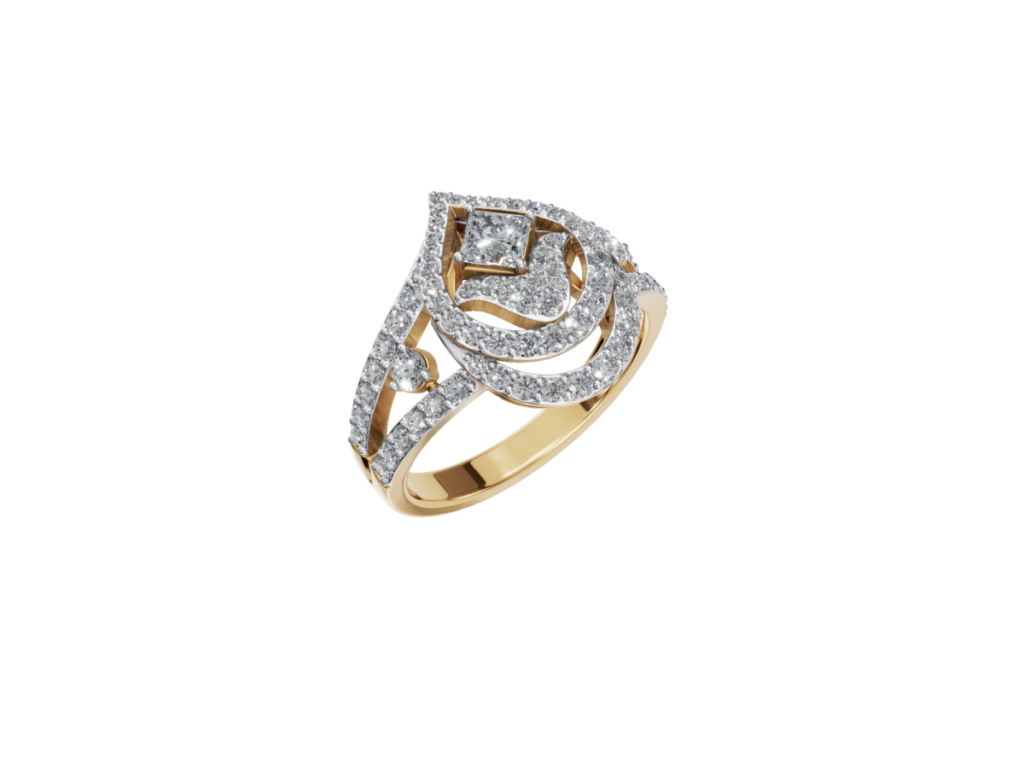
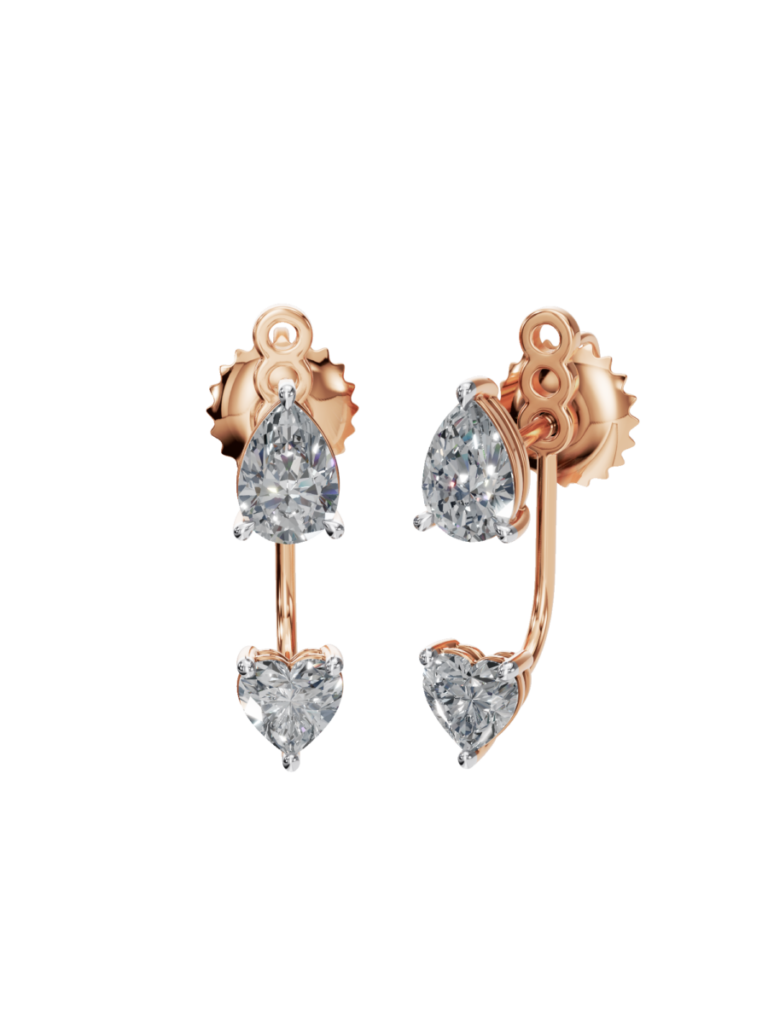
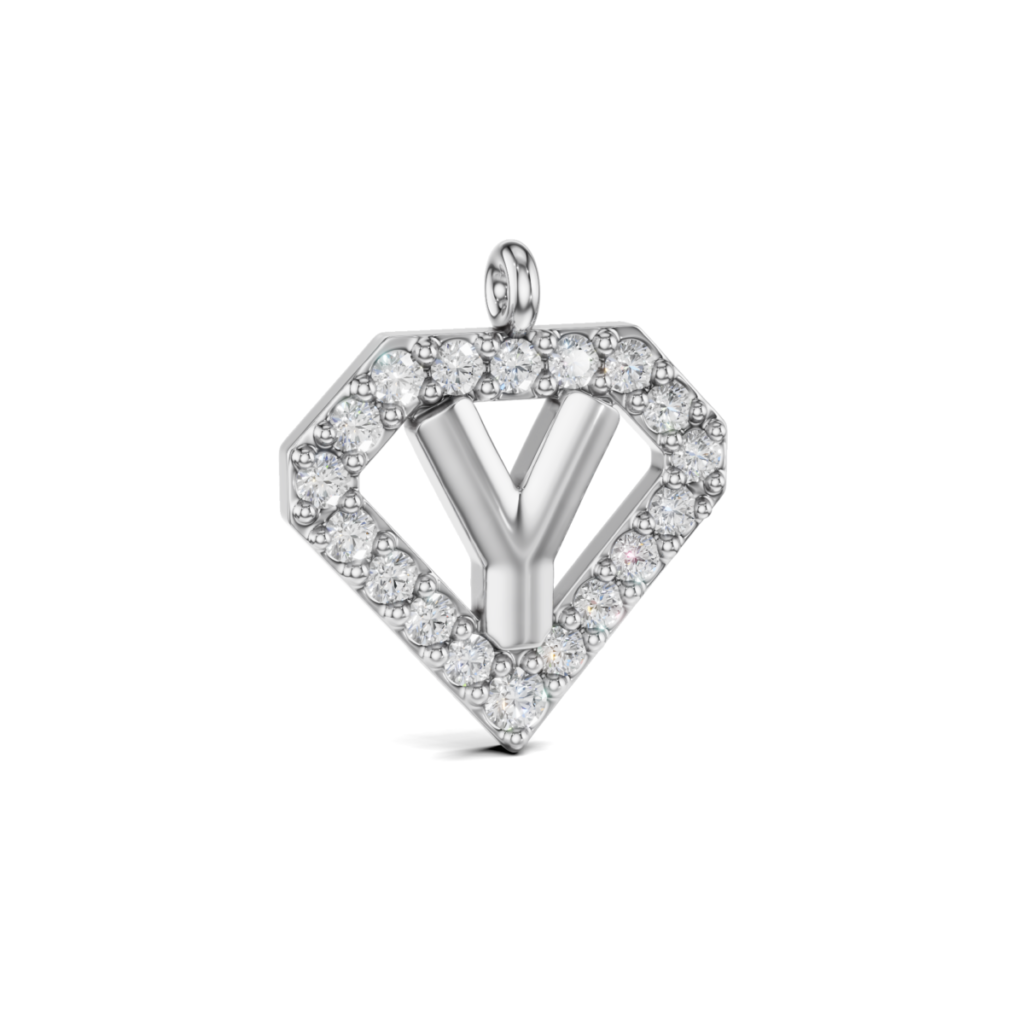
Traditional retailers have something extremely valuable—deep relationships with consumers and a strong understanding of local markets. Our role is to give them the right product, quality assurance, education and commercial proposition to confidently introduce LGDs to their customers.
At the same time, our D2C presence allows us to understand the consumer more closely. We get direct insights into what customers are looking for, which designs resonate, what price points work and how perceptions are evolving. Those insights feed back into our product development.
The objective is to create a healthy ecosystem where our manufacturing capabilities, retail partners and D2C business each strengthen the overall Sonani brand.
4. How do your manufacturing and logistics systems deliver fast turnarounds while hedging against LGD price fluctuations?
Our biggest advantage is vertical integration. We have significant control over the journey from diamond technology and manufacturing to jewellery production. That gives us greater control over quality, inventory planning and turnaround times compared with a model that depends entirely on multiple external suppliers.
We also look at inventory and production as a dynamic process rather than simply holding large quantities of finished goods. Our manufacturing capabilities allow us to respond to demand and optimise production according to market requirements.
In a category where LGD prices can evolve rapidly, agility is critical. We focus on maintaining efficient inventory cycles, disciplined procurement and manufacturing efficiencies rather than relying on excessive stock. Ultimately, the objective is to protect both the business and the consumer by keeping our cost structure efficient while continuing to deliver quality and speed.
5. What is Sonani Jewels’ strategic roadmap for scaling over the next 3 to 5 years?
Our vision is to build Sonani into one of the most recognised names in the lab-grown diamond jewellery category, both in India and internationally.
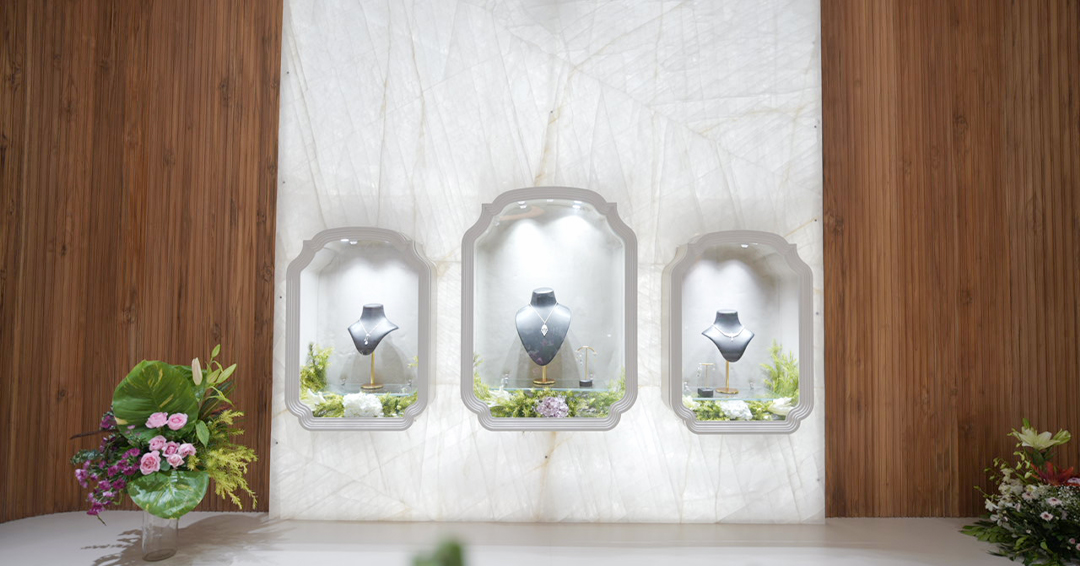
Over the next three to five years, we see growth happening across four key areas: retail expansion, product innovation, international markets and technology-led manufacturing.
In India, we want to build a stronger retail footprint while continuing to develop our D2C ecosystem. Internationally, we see significant potential in markets where consumers are increasingly open to lab-grown diamonds and contemporary fine jewellery.
Product innovation will remain central to our strategy—from everyday fine jewellery and men’s jewellery to bridal, gifting and coloured diamonds. We also want to leverage our manufacturing and R&D capabilities to continue developing differentiated diamond and jewellery technologies.
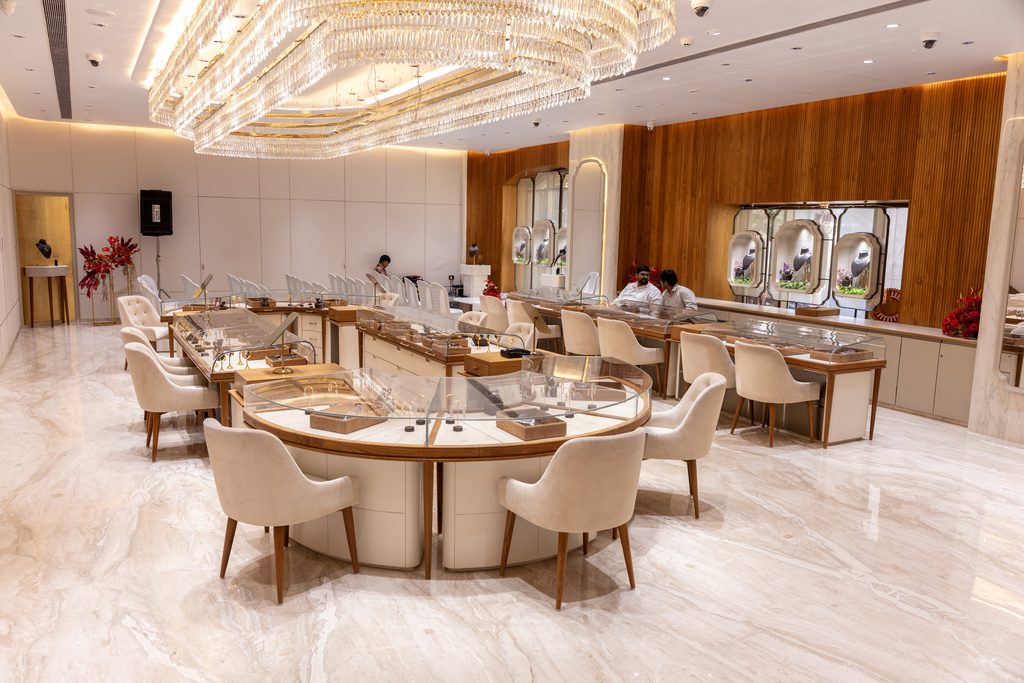
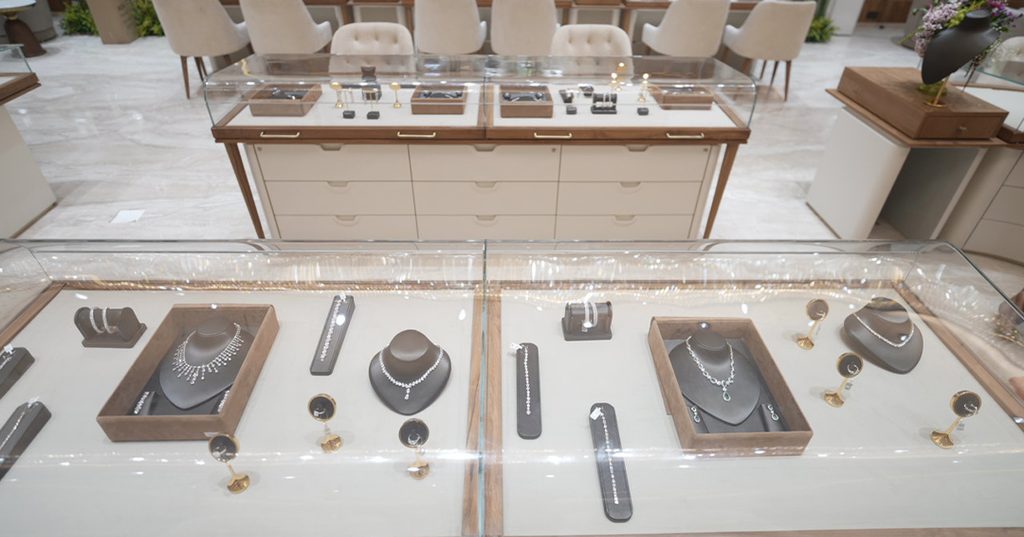
Ultimately, we are not looking at Sonani as simply a jewellery brand. We are building an integrated diamond-to-jewellery business where technology, manufacturing, design and consumer experience come together. That vertical integration is what we believe will give us a long-term competitive advantage.
JewelBuzz: Looking Ahead
From manufacturing expertise to consumer-centric innovation, Sonani Jewels is betting on vertical integration, accessibility and technology to shape its next phase of growth. Its approach reflects a broader evolution in the jewellery industry—where consumers increasingly seek choice, personalisation and value, while brands look beyond traditional boundaries to create new opportunities.
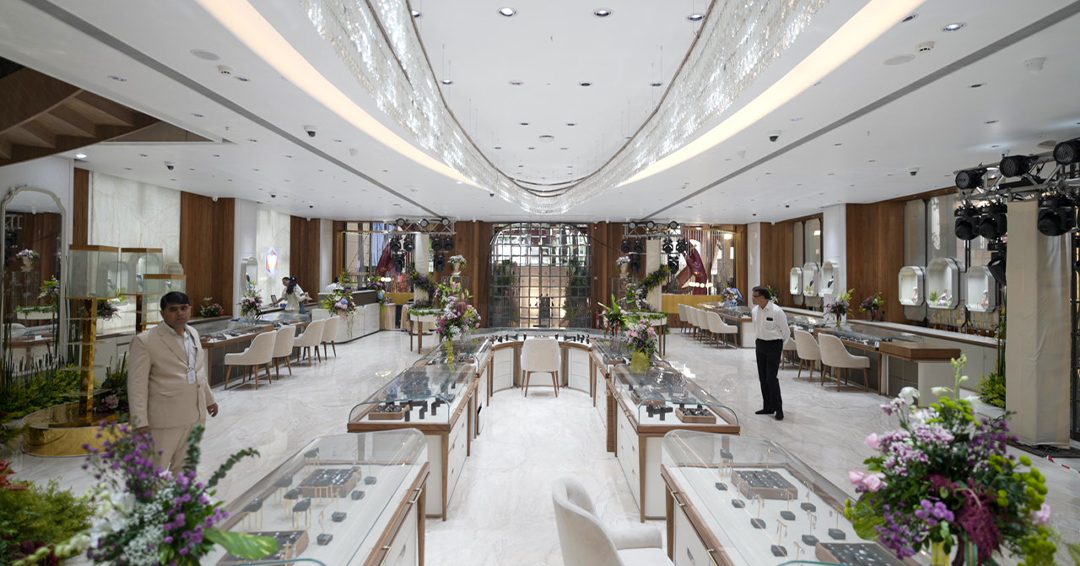
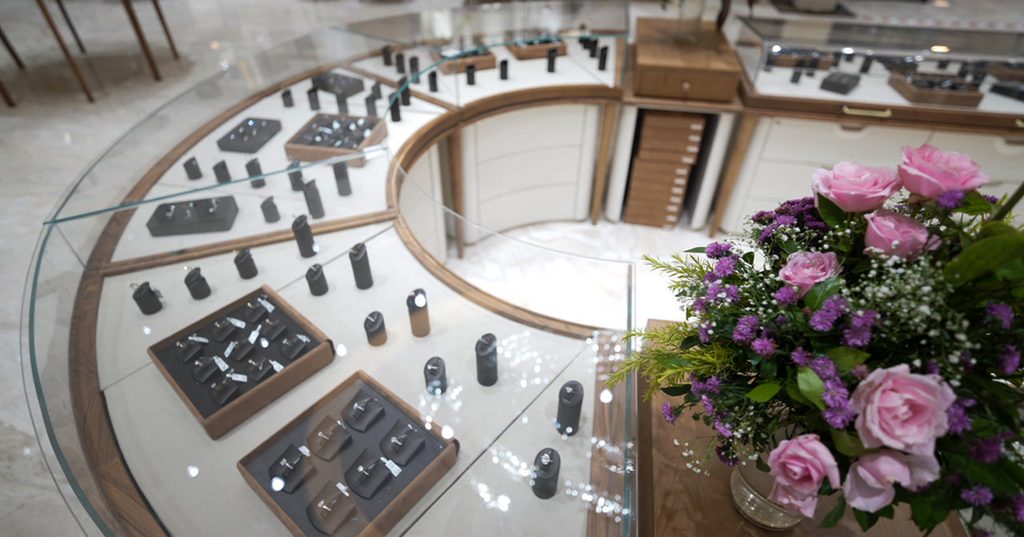
As the acceptance of lab-grown diamonds continues to evolve, Sonani’s focus on technology, design, manufacturing and retail could position the brand as an interesting player in the next chapter of India’s diamond jewellery story.
Image ref: https://drive.google.com/drive/folders/1fBqa8lLAybi5BN0hFDuO9MoNujR0oBnS


JB Insights
Jewellery Advertising and Promotion Hijacked By AI and Algorithms
From decoding what Gen Z wants before they even know they want it, to conjuring surreal ad campaigns featuring models who don’t have a pulse, tech is rewriting the rules of luxury.
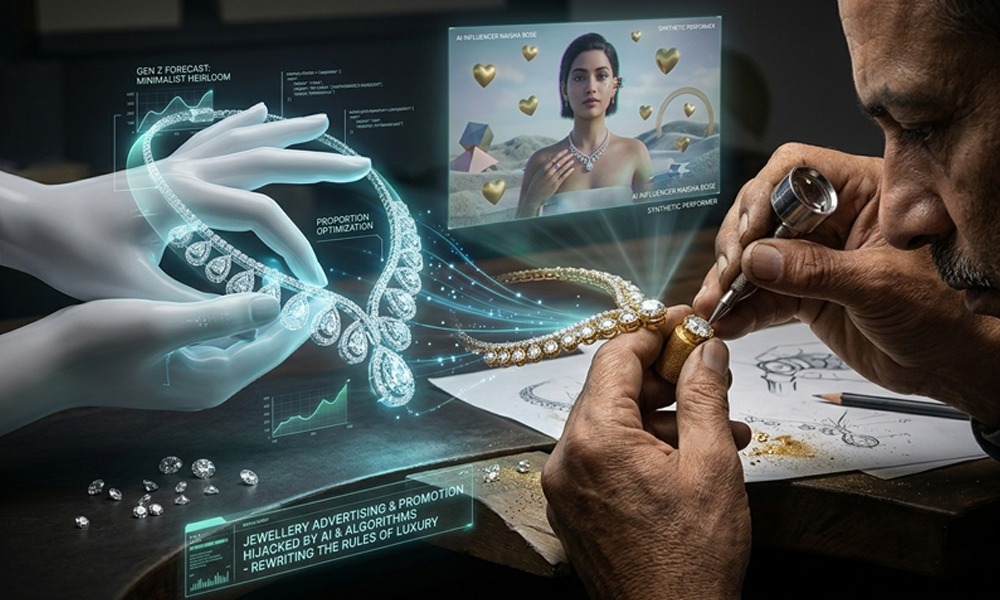
By Steve Fernandes
Forget dusty velvet trays and weeks of agonizing over sketches. The jewellery world—an industry notoriously obsessed with heritage, heavy gold, and “the way we’ve always done it”—just got a massive software update.Artificial Intelligence has officially crashed the atelier. From decoding what Gen Z wants before they even know they want it, to conjuring surreal ad campaigns featuring models who don’t have a pulse, tech is rewriting the rules of luxury.
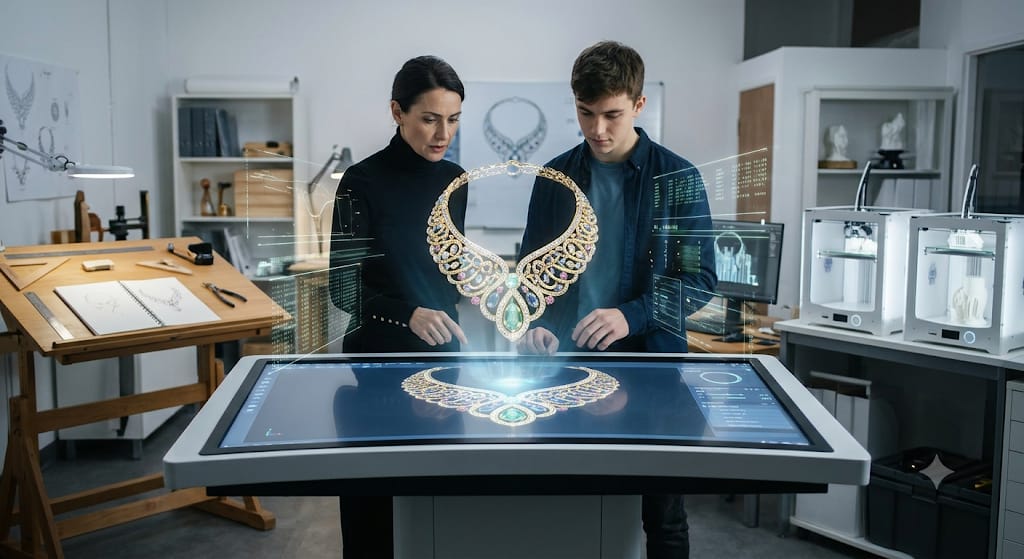
But while algorithms are churning out prototypes at warp speed, the industry’s heavy hitters are drawing a hard line in the gold dust: AI can crunch the numbers, sure, but only human hands can give a piece a heartbeat.
The Tireless Studio Assistant
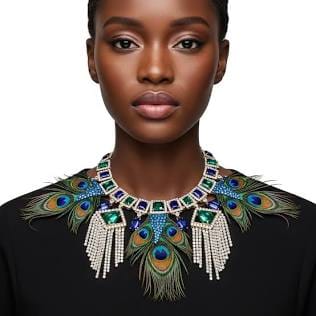
Walk into a modern design studio today, and you’re just as likely to see prompt engineering as you are pencil shavings. With gold prices hovering in the stratosphere and lifestyles shifting toward lighter, everyday statement pieces, brands can no longer afford to guess what will sell.
The conversation around AI isn’t about replacing artisans—it’s about removing the guesswork. AI test-drives hundreds of variations in gemstones, proportions, and finishes before a single gram of gold hits the workbench. Instead of looking in the rearview mirror at last season’s sales, AI scours search trends and social chatter to predict the next big silhouette.
Pair AI-driven trend forecasting with next-gen hardware—think 3D printing, paper casting, and electroforming—and you get intricate, feather-light pieces hitting shelves at record speed. Throw in blockchain for airtight traceability, and suddenly, the ancient trade of goldsmithing looks straight out of Blade Runner.
Decoding the Modern Buyer
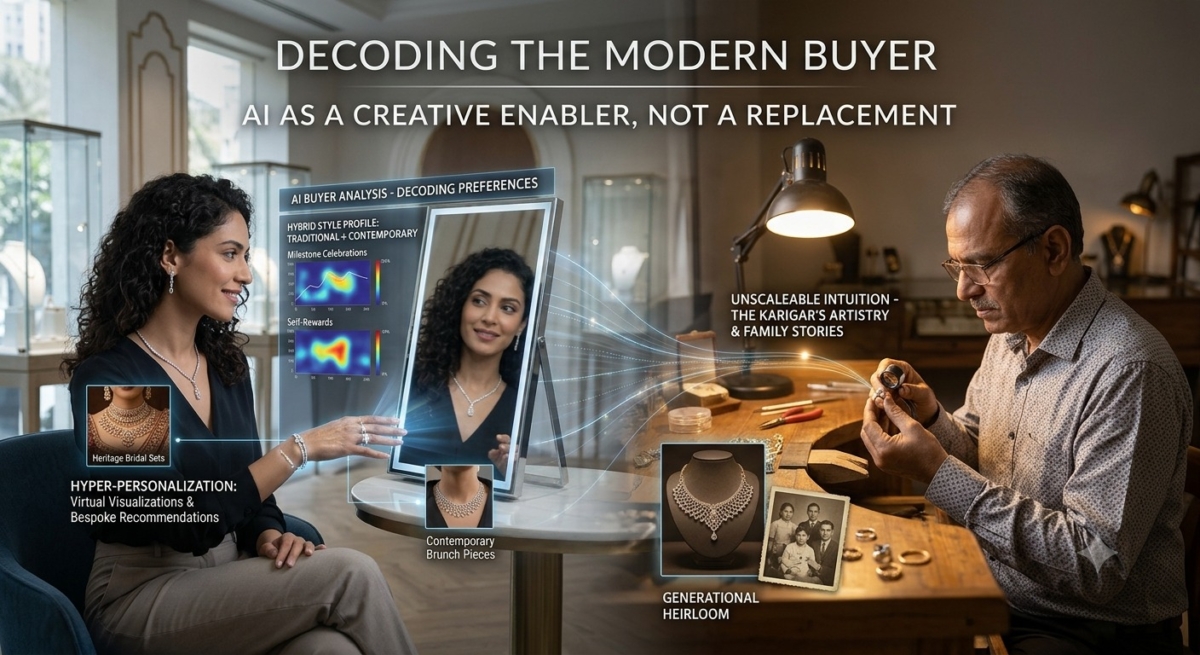
If you think AI is just a backend factory tool, think again. It’s also reading the room—and the customer.
In hyper-discerning markets shoppers want it all: a heritage bridal set steeped in tradition for the wedding, and sleek, contemporary pieces for Monday morning brunch.
By analyzing buyer behavior, AI helps jewellers nail hyper-personalization, offering virtual visualizations and bespoke directions tailored to specific milestones, self-rewards, or celebrations.
Remember: You can’t code the intuition of a seasoned karigar hand-setting a diamond, nor can an algorithm translate a family’s multi-generational story into an heirloom. AI is a creative enabler, not a replacement.
Pixels, Faux-Models,
Of course, the revolution isn’t just happening at the workbench—it’s taking over your feed. Traditional luxury shoots are notoriously brutal on budgets: massive crews, exotic locations, and logistical nightmares. Enter generative AI, slashing content production times by up to 65%.
Brands are ditching physical sets for surreal, dreamlike digital editorials—picture golden heart pendants floating in zero-gravity landscapes—and tapping virtual influencers to front major drops. Just look at Indian label KALON Art Jewellery, which rolled out its “Wildfire” collection starring AI influencer Naisha Bose.
The Glitch in the Glamour
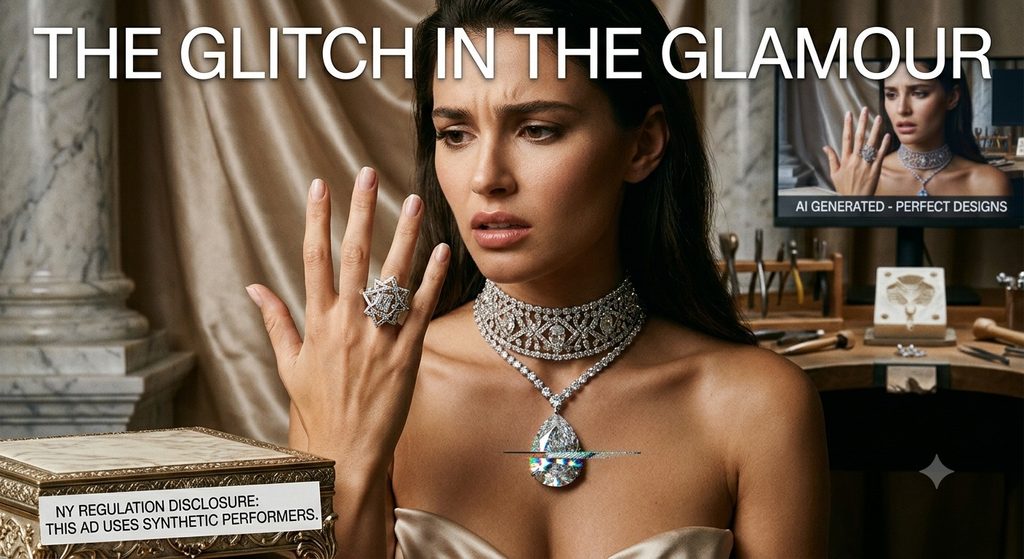
Before we hand the keys of the vault over to our silicon overlords, let’s talk about the catch. For all its swagger, AI still has a glaring blind spot: reality.
Generative algorithms don’t understand physics, metal thickness, or stone-setting mechanics. A ring that looks transcendent on a screen might be structurally impossible to forge in a real workshop without a complete CAD overhaul. Worse, AI still trips over basic human anatomy—nothing kills a luxury vibe faster than a viral campaign featuring a model with six fingers or a warped gemstone.
Then there’s the trust factor. Buying fine jewellery is an emotional, high-stakes flex, and consumers are starting to push back when they realize the radiant model wearing a diamond choker doesn’t actually exist.
The law is catching up, too—New York just passed a landmark regulation forcing brands to slap a disclosure label on ads using “synthetic performers.”
The Verdict
The future of fine jewellery isn’t a cage match between the algorithm and the artisan—it’s a collab. The brands poised to win the next decade are the ones bold enough to let AI handle the heavy lifting of data, speed, and hyper-personalization, while fiercely protecting the raw, messy, irreplaceable magic of human craftsmanship.

-
 National News1 day ago
This Men’s Day, say it with Candere: Jewellery Gifts he didn’t know he needed
-
 International News1 day ago
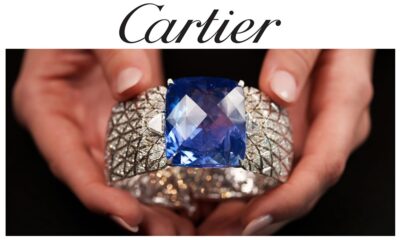
Cartier Romanov sapphire bracelet nets $4.9mn at Sotheby’s Geneva auction
-

 National News1 day ago
FGLOC to host inaugural Gold Summit in Kochi
-

 National News2 days ago
Domestic precious metal markets record steady retail pricing