JB Insights
Evolving role of grading in the LGD segment

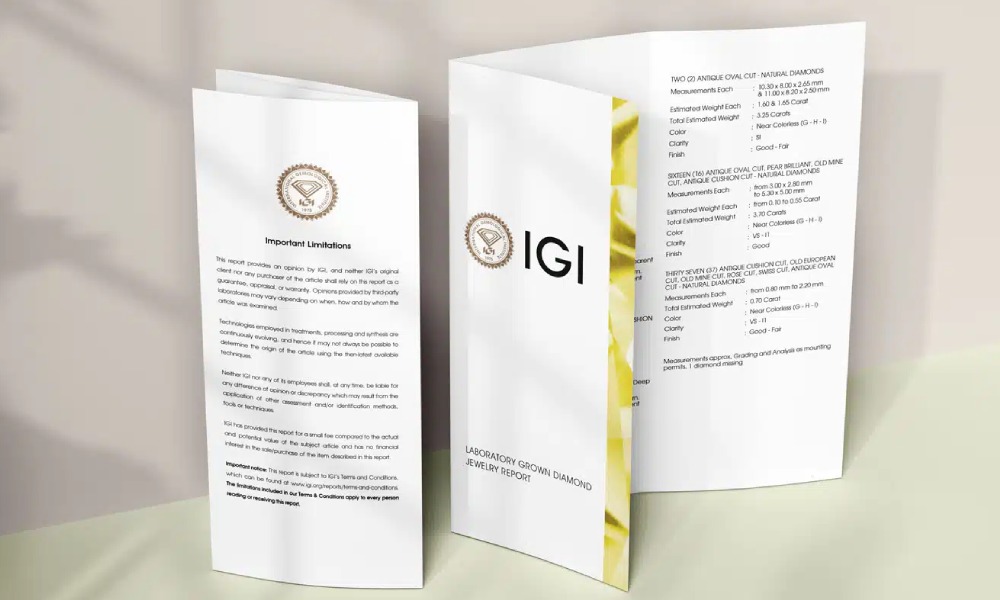
Lab-grown diamonds (LGDs) are achieving unprecedented quality, with many approaching D-flawless standards, diminishing the significance of traditional grading metrics like color and clarity in pricing. The future relevance of grading reports depends on how retailers position LGDs in the market. If retailers emphasize beauty and emotional appeal, grading reports may become less critical. Conversely, if LGDs are marketed as standardized commodities, certifications from reputable bodies will be vital to substantiate quality and value claims. This report analyzes the shifting dynamics of LGD grading, explores consumer and retailer trends, and provides strategic recommendations for stakeholders.
The lab-grown diamond industry has seen rapid advancements in production technologies, enabling the creation of diamonds that rival or surpass mined diamonds in quality. As LGDs increasingly achieve near-perfect color (D) and clarity (Flawless), traditional grading metrics are losing their influence on pricing. This shift raises questions about the future role of grading reports in the LGD market.
GIA announced in June 2025 that it will cease using its internationally recognized 4Cs grading system for laboratory-grown diamonds, implementing instead a new descriptive grading system. This represents the most significant change in diamond grading methodology in decades. Beginning later in 2025, GIA will replace the traditional color and clarity scale with two broad classifications: “premium” and “standard,” defined by metrics related to color, clarity, and finish.IGI continues to apply traditional grading methodologies to lab-grown diamonds, maintaining consistency with natural diamond evaluation standards. IGI assesses diamond clarity using the same criteria as natural stones, evaluating visibility, size, number, location and nature of internal and surface characteristics.HRD Antwerp said it would no longer issue certificates for loose synthetic diamonds. The move, it explained, was a way to create a clear distinction between lab-grown and mined, and to underscore HRD’s commitment to bolstering the natural-diamond industry.
The relevance of grading reports depends on how retailers’ position LGDs:
- Beauty-Driven Positioning: Retailers focusing on aesthetics and emotional appeal (e.g., engagement rings) may downplay grading reports, as consumers prioritize design and visual impact. In this scenario, reports become less central to purchasing decisions.
- Commodity-Driven Positioning: Retailers marketing LGDs as standardized, high-quality products rely on certifications to validate claims.
Retailers must decide whether to emphasize craftsmanship and storytelling or technical quality and certifications. Retailers must educate buyers about LGD quality and certifications to build trust. Transparent communication about grading can differentiate brands in a competitive market. By strategically leveraging certifications, educating consumers, and embracing technological innovations, retailers can navigate this dynamic market




JB Insights
US Holiday Sales Will See 5.5% Growth For 2026 : Mastercard Economics Institute
This Resilience Reflects A Robust Labor Market, Rising Household Wealth, and Broad-Based Consumer Demand Across Income Cohorts. Overall, The 2026 Holiday Season Showcases An Adaptable U.S. Consumer Using Digital and AI Tools To Maximize Value While Continuing To Drive Broader Economic Momentum.

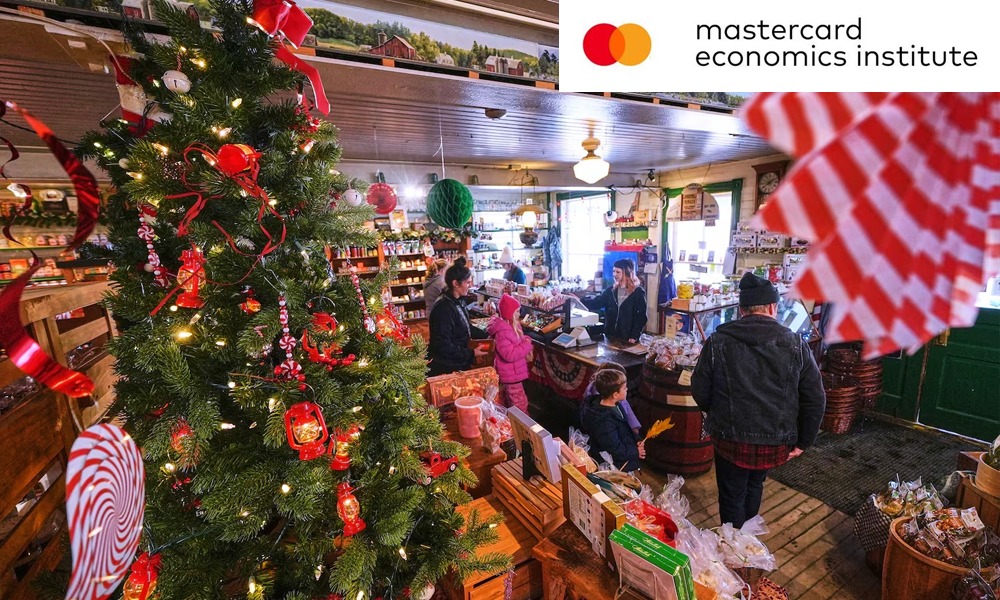
The Mastercard Economics Institute (MEI) forecasts a strong 2026 U.S. holiday shopping season (November 1–December 24), projecting retail sales excluding gas and autos to grow 5.5% year-over-year (YoY). This resilience reflects a robust labor market, rising household wealth, and broad-based consumer demand across income cohorts.
Key Drivers and Growth Channels
- Channel Performance: E-commerce continues to lead with an expected 11% YoY growth, but in-store sales are set to grow 3.6%—their strongest pace since 2022. This highlights the critical role of omnichannel strategies.
- Inflation Dynamics: Inflation accounts for 2.8 percentage points of the total 5.5% growth. Unlike last year’s tariff pressures, current price increases are driven by elevated energy/diesel costs and the massive AI infrastructure buildout.
- Calendar Shifts: A late Thanksgiving compresses the shopping window, pushing retailers toward early promotions. Additionally, Cyber Monday falling in November will shift significant online volume into the month.
The Role of Artificial Intelligence
AI is reshaping both prices and consumer behavior:
- Tech Inflation: High demand for memory chips and data infrastructure components has driven a 12.2% YoY increase in prices for info-processing equipment. Consequently, the consumer electronics category is projected to post outsized nominal sales growth (+10.7% YoY).
- AI Power Users: Consumers with paid AI subscriptions demonstrate distinct “optimization” habits. Data shows these users plan early, shop across a wider variety of boutique and specialty merchants, and aggressively target promotions during Thanksgiving weekend before transitioning to experience and hospitality spending in December.
Last-Minute Shopping Behavior
The final rush to Christmas offers key operational insights for retailers:
- In-Person and Malls: The final week before Christmas sees heavy physical store foot traffic, especially in enclosed shopping malls where consumers can complete multi-category purchases. Climate also plays a role: warmer-state residents (e.g., Florida, Nevada) are far more likely to make last-minute in-store runs than those in colder states.
- Transaction Value Trends: Average order values for children’s items peak near Black Friday, while premium categories—such as jewelry, cosmetics, luxury handbags, and department stores—see transaction values climb steadily from December 15, peaking on Christmas Eve as procrastinating shoppers pay a premium for convenience.
AI tools lower search costs for consumers, making price transparency higher than ever. Retailers must capture early November demand through targeted promotions before comparison tools push shoppers toward alternative or boutique brands.
Last-minute shoppers are price-inelastic and seeking speed. Malls and physical stores should maximize inventory for high-margin, rush-gift items (jewelry, cosmetics, designer goods, gift cards) in the final 10 days, leveraging store availability over promotional discounting.
Overall, the 2026 holiday season showcases an adaptable U.S. consumer using digital and AI tools to maximize value while continuing to drive broader economic momentum.



Kangana Ranaut Unveils PNG Jewellers New Showroom In Ayodhya~

GGJS 2026 Concludes With High-Volume Trade and Strategic Focus On Next-Gen Leadership

The Solitaire Festival Of India Concludes; Bumper Prize Winner At Ranka Jewellers Wins XUV 7XO
GGJS 2026 Concludes With High-Volume Trade and Strategic Focus On Next-Gen Leadership

ABARAN Commemorates The 125th Birth Anniversary Of Founder Shri Burde Sadananda Kamath With Special Gold Coin Launch

MCX Gold Silver Futures See Dip
-
 National News2 hours ago
GGJS 2026 Concludes With High-Volume Trade and Strategic Focus On Next-Gen Leadership
-
 National News6 hours ago
ABARAN Commemorates The 125th Birth Anniversary Of Founder Shri Burde Sadananda Kamath With Special Gold Coin Launch
-
 National News6 hours ago
MCX Gold Silver Futures See Dip
-
 National News3 days ago
P N Gadgil Jewellers Limited – Quarterly Update Q2FY27