JB Insights
Dhanteras 2026: Can Festive Shopping Spark A Golden Opportunity For india’s Jewellery Industry?
High gold prices, evolving consumer preferences and the growing demand for lightweight designs are reshaping India’s biggest festive jewellery shopping occasion. This Dhanteras, the real opportunity is not just to sell more jewellery, but to create greater value, stronger relationships and lasting trust.

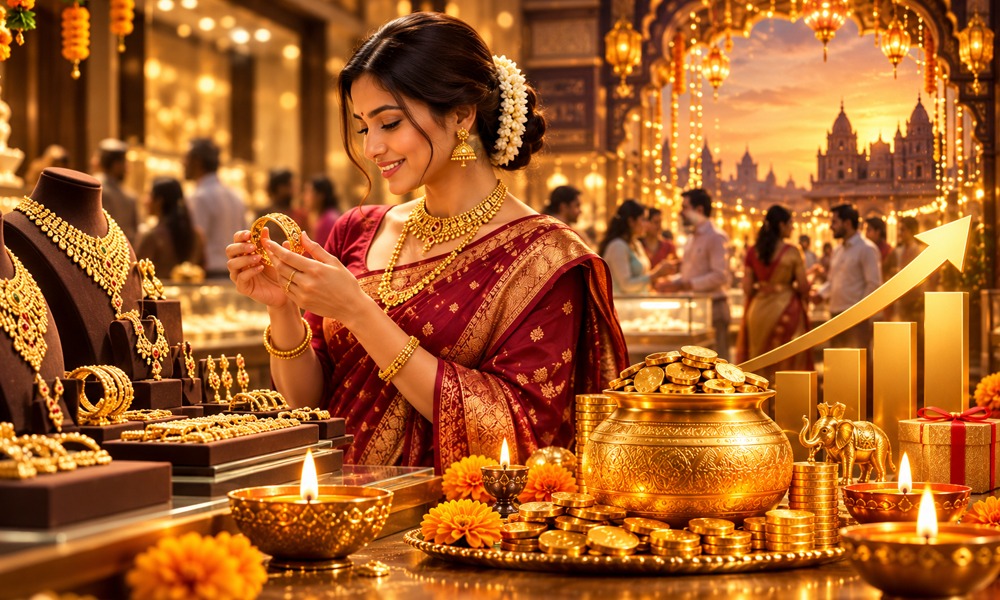
Dhanteras has long been one of the most significant occasions for India’s gems and jewellery industry. Rooted in the tradition of welcoming prosperity and good fortune, the festival brings millions of consumers to jewellery stores to purchase gold, silver, coins and precious jewellery.
However, Dhanteras 2026 arrives in a changing market environment. Elevated precious metal prices, increasingly budget-conscious consumers and a growing preference for versatile jewellery are influencing purchasing decisions. For the jewellery trade, the question is no longer simply how much consumers will spend, but what they will buy, how they will buy it and what will motivate them to make a purchase.
A festive season defined by value and selective buying
India’s jewellery market continues to demonstrate resilience, even as high gold prices influence buying behaviour. According to the World Gold Council’s October 2026 market update, seasonal demand has started gathering momentum, supported by recent price movements, retailer restocking and improving store footfall. However, elevated prices continue to present a challenge for jewellery volumes.
For retailers, this creates a nuanced opportunity. While consumers may remain committed to the tradition of buying jewellery on Dhanteras, many are becoming more selective about weight, design and overall expenditure.
The opportunity lies in offering products that meet different budgets without compromising on trust, quality or the emotional significance of a festive purchase.
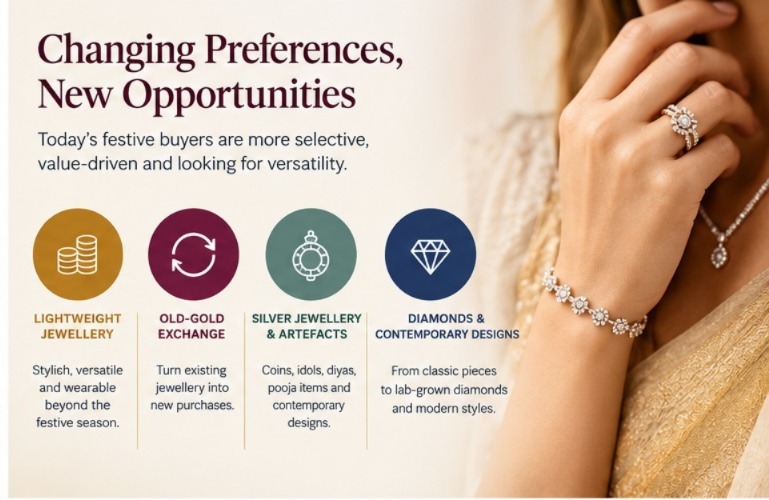
Lightweight Gold Jewellery: A Key Trend to Watch
With gold prices remaining elevated, lightweight jewellery is emerging as an important part of the festive retail conversation.
Delicate chains, minimalist necklaces, everyday bangles, stackable rings and versatile earrings appeal to consumers seeking jewellery that can be worn beyond the festive season.
The preference for lighter pieces also creates opportunities for manufacturers to innovate through contemporary designs, efficient use of materials and collections that combine traditional aesthetics with modern functionality.
For retailers, presenting jewellery across clearly defined price points can make the shopping experience more accessible and help customers find pieces suited to their budgets.
Old-Gold Exchange: Turning Existing Jewellery into New Purchases
Old-gold exchange programmes are becoming an important tool for retailers navigating the high-price environment. Consumers can exchange jewellery they no longer wear towards a new purchase, helping them refresh their collections while managing additional expenditure.
The World Gold Council has reported increased exchange activity in India’s jewellery market, with exchange-led purchases supporting demand.
For jewellers, a transparent exchange process can encourage store visits, strengthen customer relationships and create opportunities to introduce new collections. Clear communication about purity assessment, net gold weight, deductions and applicable charges is essential to maintaining consumer confidence.
Silver Jewellery and Artefacts: An Alternative Festive Opportunity
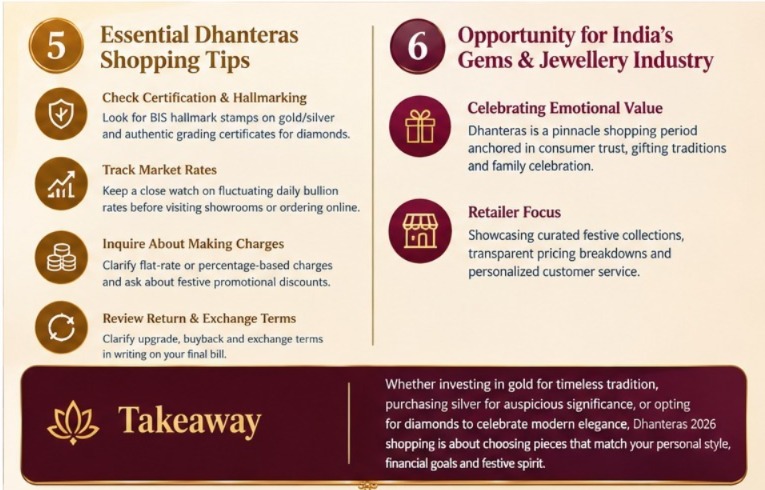
Silver remains an important part of India’s festive shopping tradition, particularly for consumers purchasing coins, idols, diyas, utensils and pooja accessories.
Beyond traditional products, contemporary silver jewellery, statement earrings, gifting pieces and decorative artefacts can help retailers appeal to shoppers looking for variety across price categories.
However, silver demand and prices also require careful consideration this year. Retailers should monitor current market conditions and stock products according to local customer preferences rather than assuming that higher gold prices will automatically translate into stronger silver sales.
Diamonds and Contemporary Jewellery: Beyond Traditional Purchases
Dhanteras shopping is also an opportunity for retailers to showcase diamond jewellery and contemporary designs to consumers seeking a special festive purchase.
Diamond studs, delicate pendants, stackable rings and understated bracelets offer versatility, while diamond-studded gold jewellery can appeal to buyers looking for a combination of precious metal and design.
Lab-grown diamonds are another option for consumers exploring different price points and styles. Retailers should clearly explain the distinction between natural and lab-grown diamonds, including their origin, pricing and resale considerations, to help customers make informed decisions.
The Retail Strategy: Experience, Trust and Personalisation
In a price-sensitive market, successful festive retailing depends on more than attractive displays and promotional offers.
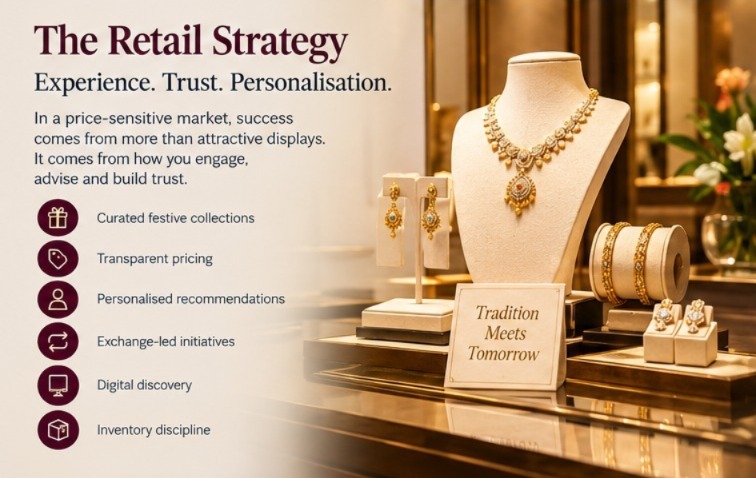
Jewellers can strengthen their Dhanteras strategy through:
- Curated festive collections: Presenting designs for gifting, traditional purchases and everyday wear.
- Transparent pricing: Clearly explaining metal rates, making charges, stone costs and applicable taxes.
- Personalised recommendations: Helping customers select jewellery according to their preferences and budgets.
- Exchange-led initiatives: Offering clearly explained old-gold exchange programmes.
- Digital discovery: Using social media, videos, catalogues and messaging platforms to showcase collections before customers visit stores.
- Inventory discipline: Prioritising fast-moving designs and managing stock carefully in a volatile price environment.
A seamless connection between online discovery and in-store service can also help retailers build stronger customer engagement during the festive rush.
What Dhanteras 2026 Means for Manufacturers and Wholesalers
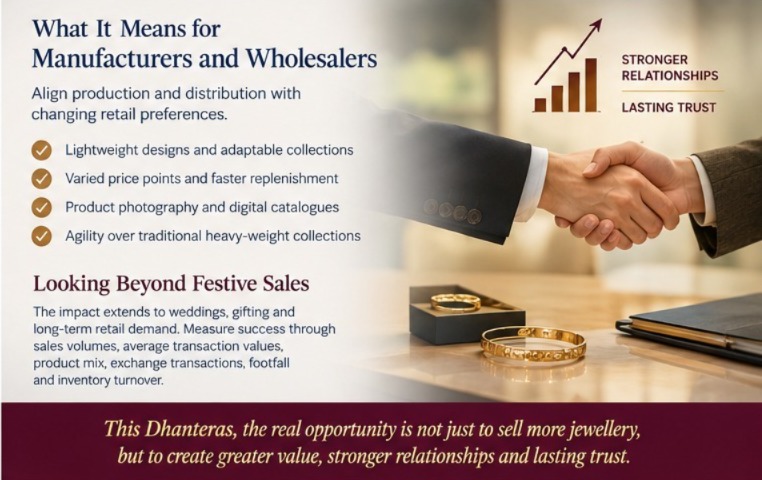
For manufacturers and wholesalers, changing retail preferences create opportunities to align production and distribution with emerging consumer demand.
Lightweight designs, adaptable collections, varied price points and faster replenishment may become increasingly important as retailers seek products that balance customer appeal with inventory management.
Manufacturers can also support retail partners with product photography, digital catalogues, collection previews and marketing material that communicates design features and value propositions clearly.
The broader opportunity is to respond to the market with agility rather than relying exclusively on traditional heavy-weight festive collections.
Looking Beyond Festive Sales
Dhanteras may generate concentrated buying activity, but its impact on the jewellery business extends beyond a single day. The festive season also sets the stage for wedding purchases, gifting and subsequent retail demand.
For industry participants, measuring success should therefore involve more than total sales value. Sales volumes, average transaction values, product mix, exchange transactions, customer footfall and inventory turnover can provide a more complete picture of market performance.
As consumer expectations evolve, jewellers who combine product innovation, transparent practices and meaningful customer experiences will be better positioned to build lasting relationships.
Create greater value, stronger relationships and lasting trust
Dhanteras 2026 is a reminder that India’s relationship with gold and jewellery remains deeply connected to tradition, even as buying decisions adapt to changing economic realities.
The festive opportunity for the gems and jewellery industry lies in understanding this balance: preserving the emotional significance of auspicious purchases while delivering contemporary designs, accessible choices and trusted shopping experiences.
For manufacturers, wholesalers, retailers and jewellery brands, the road ahead belongs to businesses that listen closely to consumers and respond thoughtfully to their needs.
This Dhanteras, the real opportunity is not just to sell more jewellery, but to create greater value, stronger relationships and lasting trust.


JB Insights
Jewellery Advertising and Promotion Hijacked By AI and Algorithms
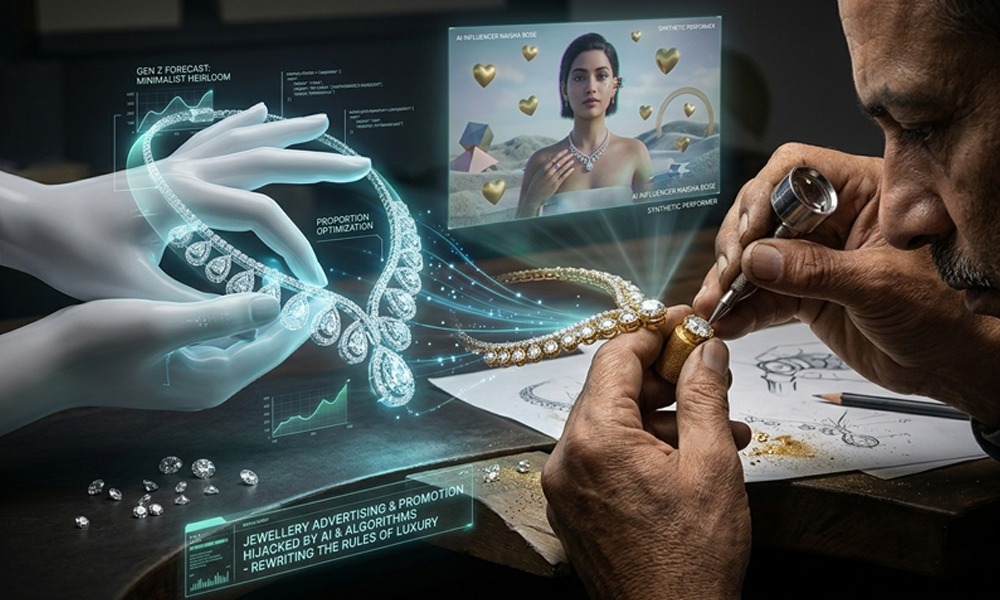
From decoding what Gen Z wants before they even know they want it, to conjuring surreal ad campaigns featuring models who don’t have a pulse, tech is rewriting the rules of luxury.
By Steve Fernandes
Forget dusty velvet trays and weeks of agonizing over sketches. The jewellery world—an industry notoriously obsessed with heritage, heavy gold, and “the way we’ve always done it”—just got a massive software update.Artificial Intelligence has officially crashed the atelier. From decoding what Gen Z wants before they even know they want it, to conjuring surreal ad campaigns featuring models who don’t have a pulse, tech is rewriting the rules of luxury.
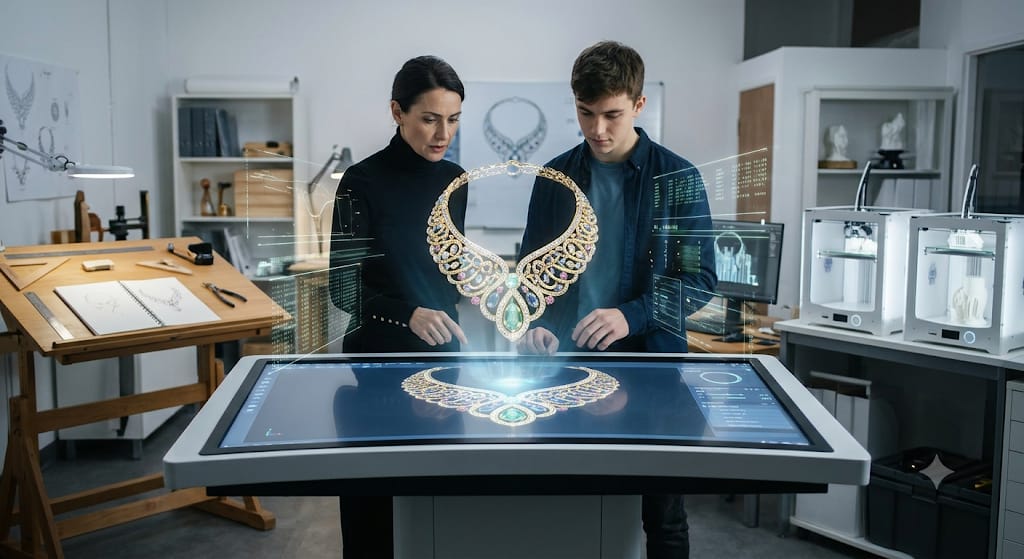
But while algorithms are churning out prototypes at warp speed, the industry’s heavy hitters are drawing a hard line in the gold dust: AI can crunch the numbers, sure, but only human hands can give a piece a heartbeat.
The Tireless Studio Assistant
Walk into a modern design studio today, and you’re just as likely to see prompt engineering as you are pencil shavings. With gold prices hovering in the stratosphere and lifestyles shifting toward lighter, everyday statement pieces, brands can no longer afford to guess what will sell.
The conversation around AI isn’t about replacing artisans—it’s about removing the guesswork. AI test-drives hundreds of variations in gemstones, proportions, and finishes before a single gram of gold hits the workbench. Instead of looking in the rearview mirror at last season’s sales, AI scours search trends and social chatter to predict the next big silhouette.
Pair AI-driven trend forecasting with next-gen hardware—think 3D printing, paper casting, and electroforming—and you get intricate, feather-light pieces hitting shelves at record speed. Throw in blockchain for airtight traceability, and suddenly, the ancient trade of goldsmithing looks straight out of Blade Runner.
Decoding the Modern Buyer
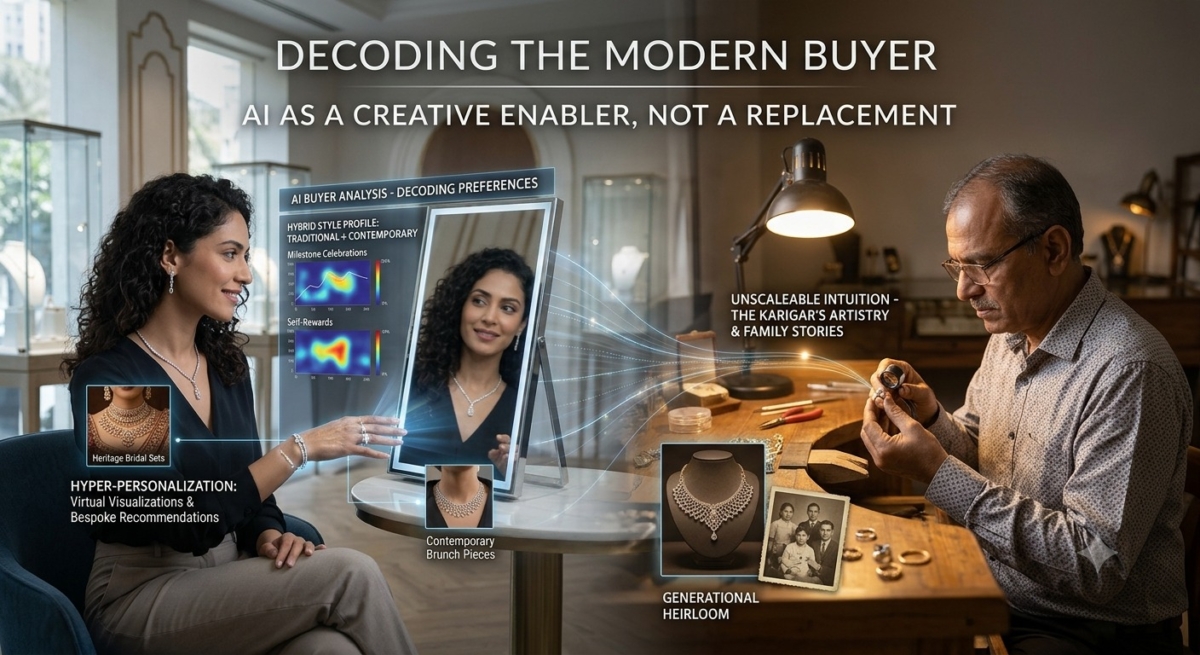
If you think AI is just a backend factory tool, think again. It’s also reading the room—and the customer.
In hyper-discerning markets shoppers want it all: a heritage bridal set steeped in tradition for the wedding, and sleek, contemporary pieces for Monday morning brunch.
By analyzing buyer behavior, AI helps jewellers nail hyper-personalization, offering virtual visualizations and bespoke directions tailored to specific milestones, self-rewards, or celebrations.
Remember: You can’t code the intuition of a seasoned karigar hand-setting a diamond, nor can an algorithm translate a family’s multi-generational story into an heirloom. AI is a creative enabler, not a replacement.
Pixels, Faux-Models,
Of course, the revolution isn’t just happening at the workbench—it’s taking over your feed. Traditional luxury shoots are notoriously brutal on budgets: massive crews, exotic locations, and logistical nightmares. Enter generative AI, slashing content production times by up to 65%.
Brands are ditching physical sets for surreal, dreamlike digital editorials—picture golden heart pendants floating in zero-gravity landscapes—and tapping virtual influencers to front major drops. Just look at Indian label KALON Art Jewellery, which rolled out its “Wildfire” collection starring AI influencer Naisha Bose.
The Glitch in the Glamour
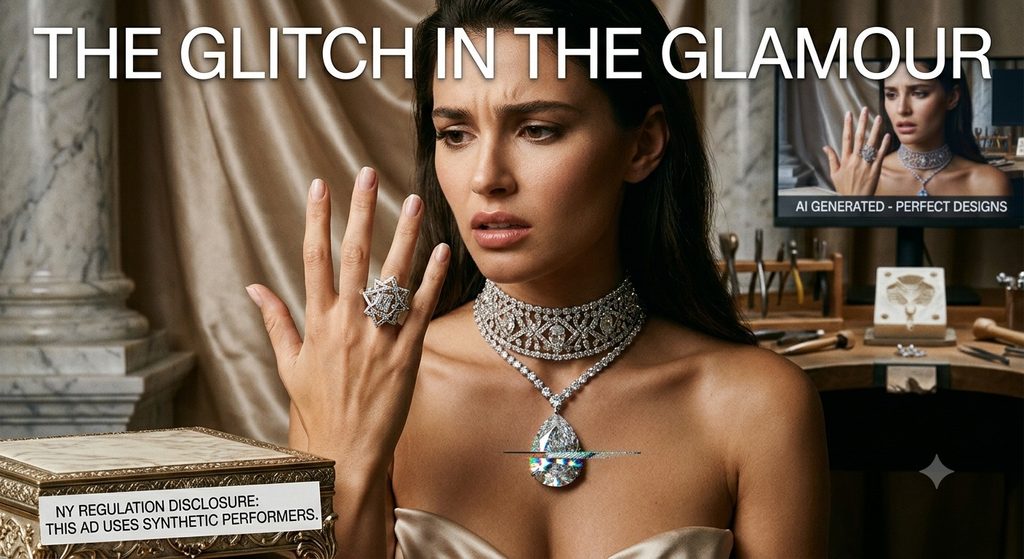
Before we hand the keys of the vault over to our silicon overlords, let’s talk about the catch. For all its swagger, AI still has a glaring blind spot: reality.
Generative algorithms don’t understand physics, metal thickness, or stone-setting mechanics. A ring that looks transcendent on a screen might be structurally impossible to forge in a real workshop without a complete CAD overhaul. Worse, AI still trips over basic human anatomy—nothing kills a luxury vibe faster than a viral campaign featuring a model with six fingers or a warped gemstone.
Then there’s the trust factor. Buying fine jewellery is an emotional, high-stakes flex, and consumers are starting to push back when they realize the radiant model wearing a diamond choker doesn’t actually exist.
The law is catching up, too—New York just passed a landmark regulation forcing brands to slap a disclosure label on ads using “synthetic performers.”
The Verdict
The future of fine jewellery isn’t a cage match between the algorithm and the artisan—it’s a collab. The brands poised to win the next decade are the ones bold enough to let AI handle the heavy lifting of data, speed, and hyper-personalization, while fiercely protecting the raw, messy, irreplaceable magic of human craftsmanship.

-
 National News18 hours ago
This Men’s Day, say it with Candere: Jewellery Gifts he didn’t know he needed
-

 National News22 hours ago
FGLOC to host inaugural Gold Summit in Kochi
-
 International News22 hours ago
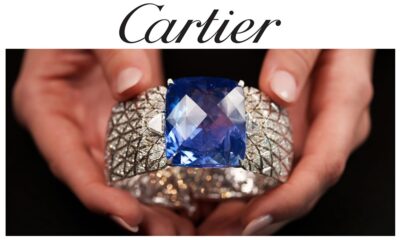
Cartier Romanov sapphire bracelet nets $4.9mn at Sotheby’s Geneva auction
-

 National News1 day ago
Domestic precious metal markets record steady retail pricing