National News
DGFT tightens gold export rules to plug loopholes in duty-free imports


In a decisive regulatory move aimed at tightening oversight on India’s gold trade, the government has amended export compliance norms for jewellery manufacturers under the Advance Authorization Scheme, closing long-standing loopholes that allowed misuse of duty-free imports. The latest amendment, issued by the Directorate General of Foreign Trade (DGFT), seeks to ensure that gold imported duty-free is genuinely used for export production and not diverted into the domestic market.
A Closer Look at the New Rules
Under the revised guidelines, exporters will now be required to fulfil their export obligations within 120 days from the date of import of each consignment. This new, uniform timeline replaces the earlier flexible window that often led to advance stocking and delayed exports.
Crucially, the DGFT has also made it clear that no extensions will be granted beyond this 120-day period, bringing stricter accountability to the system. This effectively aligns the policy with the Foreign Trade Policy (FTP) 2023, which emphasizes streamlined trade procedures, better monitoring mechanisms, and transparent compliance.
The intent is clear — to ensure that the scheme’s benefits are reserved for genuine exporters and to curb speculative imports that distort trade figures and impact the current account deficit.
Why the Move Matters
The decision comes against the backdrop of an alarming rise in gold imports. In September 2025, India’s gold imports nearly doubled to $9.6 billion, up from $4.6 billion in August, driven by festive demand, rising consumer appetite, and speculative buying amid global price volatility.
This surge contributed significantly to the widening of India’s trade deficit, which ballooned to a 13-month high of $32.15 billion. With gold consistently ranking among India’s top import commodities — alongside crude oil and electronics — unchecked inflows have long been a source of concern for policymakers.
By tightening deadlines and plugging procedural gaps, the government aims to deter misuse of the advance authorization scheme, which permits import of raw materials, including gold, without payment of customs duty for manufacturing export products.
Industry Implications
The jewellery industry — which exports nearly $30 billion worth of gold and diamond jewellery annually — will now need to recalibrate its operational timelines and supply chain planning. The 120-day cap compels exporters to adopt a “just-in-time” approach, minimizing idle gold inventory and ensuring faster production cycles.



National News
Kangana Ranaut Unveils PNG Jewellers New Showroom In Ayodhya~
The Store Is PNG Jewellers’ 81st Overall and Its Fifth In UP following Lucknow, Kanpur, Gorakhpur and Varanasi.

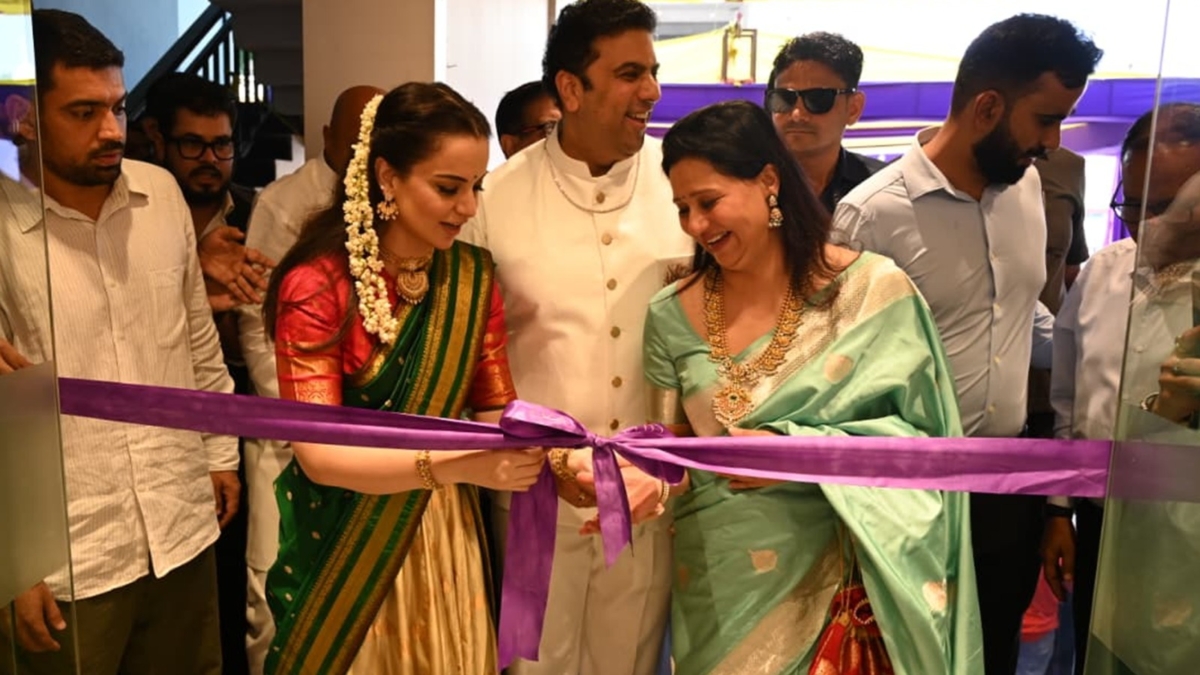
Member of Parliament and Indian film actor Kangana Ranaut inaugurated PNG Jewellers new store in Ayodhya. The store is PNG Jewellers’ 81st overall and its fifth in UP following Lucknow, Kanpur, Gorakhpur and Varanasi. Located next to Rikabganj Women Police Station, the new store gives Ayodhya customers access to PNG Jewellers’ products, collections, and quality service closer to home.
Dr. Saurabh Gadgil, CMD- PNG Jewellers, said:

“Opening a store in Ayodhya is a special moment for us. We have received an encouraging response from customers across Uttar Pradesh, and we are pleased to bring PNG Jewellers closer to people in and around Ayodhya. We look forward to being part of their weddings, festivals and family celebrations, while offering the legacy, trust and craftsmanship that our brand has stood for over generations.”
Kangana Ranaut added:
“Ayodhya holds a special place in the hearts of so many people, and I am delighted to be here for the opening of PNG Jewellers’ new store. Jewellery is closely woven into how we celebrate our traditions, weddings and important moments with family. I wish the PNG team every success in Ayodhya.’’

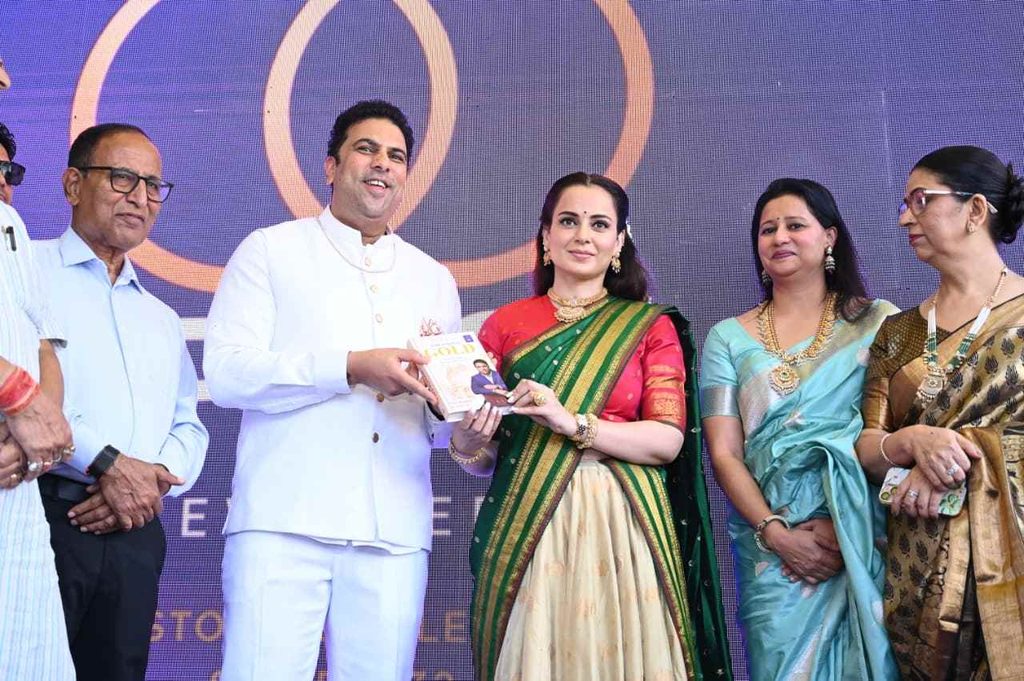
The occasion also marks the debut of Ram Katha, an exclusive collection inspired by the Ramayana and the historical, cultural and spiritual heritage of Ayodhya. Launched by Kangana Ranaut, the collection is being introduced in its initial phase across PNG stores in North India

The store also showcases a range of gold, diamond, temple and bridal jewellery for weddings, festive occasions and everyday wear. Customers can explore PNG Jewellers’ collections, including Saptam, Katha, Pratha, Eiina and Polmi, with designs crafted for local tastes.
Ayodhya, revered as the birthplace of Lord Shree Ram, draws people from across the country for its temples, festivals and deeply rooted traditions. Jewellery is closely tied to weddings, festivals and family celebrations in the city. The new store allows PNG Jewellers to serve local customers more conveniently while continuing its expansion in Uttar Pradesh. To celebrate the opening, the brand introduced limited-period inaugural offers of up to 50% off on gold jewellery making charges and up to 100% off on diamond jewellery making charges*, valid till 15th November, 2026.
Adding to the excitement of the festive season, PNG Jewellers brings together its brand ambassadors Madhuri Dixit-Nene and Ranbir Kapoor for the first time in a special festive television commercial. The campaign marks a significant moment, bringing together two of Bollywood’s most iconic stars in a celebration of tradition, elegance and contemporary appeal. This much-awaited collaboration also reflects PNG Jewellers’ vision of connecting its nearly two-century-old legacy with a new generation of consumers.



Kangana Ranaut Unveils PNG Jewellers New Showroom In Ayodhya~

GGJS 2026 Concludes With High-Volume Trade and Strategic Focus On Next-Gen Leadership

The Solitaire Festival Of India Concludes; Bumper Prize Winner At Ranka Jewellers Wins XUV 7XO
GGJS 2026 Concludes With High-Volume Trade and Strategic Focus On Next-Gen Leadership

ABARAN Commemorates The 125th Birth Anniversary Of Founder Shri Burde Sadananda Kamath With Special Gold Coin Launch

MCX Gold Silver Futures See Dip
-
 National News2 hours ago
GGJS 2026 Concludes With High-Volume Trade and Strategic Focus On Next-Gen Leadership
-
 National News7 hours ago
ABARAN Commemorates The 125th Birth Anniversary Of Founder Shri Burde Sadananda Kamath With Special Gold Coin Launch
-
 National News7 hours ago
MCX Gold Silver Futures See Dip
-
 National News1 hour ago
Kangana Ranaut Unveils PNG Jewellers New Showroom In Ayodhya~