
National News
DGFT Summit Explores E-commerce’s Role in Boosting Gem & Jewellery Export Potential

The Directorate General of Foreign Trade (DGFT) hosted an E-commerce Export Summit at Bharat Mandapam, Pragati Maidan, on 11th March, gathering industry leaders to explore the growing potential of e-commerce in enhancing retail exports. Mr. Sabyasachi Ray, Executive Director of GJEPC, delivered a keynote presentation on ‘Enhancing Retail Exports through E-commerce.’
In his opening remarks, Mr. Ray emphasized the critical role of e-commerce platforms in driving growth for the gem and jewellery sector. He noted that e-commerce is particularly well-suited to this industry due to the low volume and high value of its products, making it ideal for cross-border trade. He expressed confidence that businesses in the sector will see substantial growth in the near future, driven by the accessibility and scalability of e-commerce.
Mr. Ray also provided insights into recent foreign trade policy reforms introduced by the Government of India. These regulatory changes have significantly eased e-commerce exports, contributing to the sector’s remarkable growth. Currently, India’s gem and jewellery exports total $38 billion, with projections aiming for $100 billion by 2047, largely fueled by the expanding e-commerce landscape.
He advised exporters to focus on identifying key product markets and understanding consumer preferences to secure repeat business. Additionally, he highlighted the recent partnerships formed by the GJEPC with major e-commerce platforms like eBay, Amazon, and DHL, aiming to provide a seamless export experience for its members.








National News
Senco Gold & Diamonds Brings Festive Cheer With “Dhanteras Shagun”, Offering Exclusive Savings and Rewards
The Festive Offer Features Up To ₹14,000 Off Per 10 Grams On Gold Jewellery, Up To 36% Off On Diamond Value, and Lucky Draw Prizes Including Gold Worth ₹1.20 Crore and An iPhone 18 Pro.

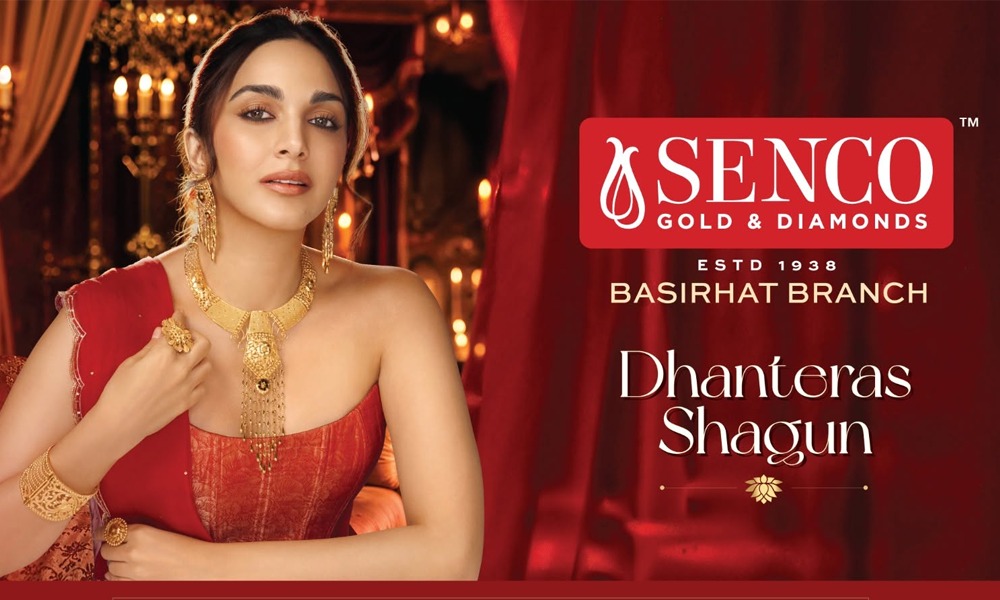
As Dhanteras approaches, Senco Gold & Diamonds has announced “Dhanteras Shagun”, a special festive offer celebrating the tradition of buying gold and jewellery during this auspicious time of the year. The offer will be available across Senco Gold & Diamonds showrooms from 26 October to 8 November 2026.
Dhanteras holds special significance in Indian households, with gold purchases traditionally associated with prosperity, good fortune and new beginnings. Through this campaign, Senco Gold & Diamonds aims to make festive jewellery shopping more rewarding while offering customers an opportunity to explore its diverse collections.
As part of the offer, customers can avail up to Rs 14,000 off per 10 grams on gold jewellery and up to 36% off on natural diamond value. The offer also includes 0% deduction on old gold exchange. Customers can participate in a lucky draw featuring prizes including gold worth ₹1.20 crore and an iPhone 18 Pro. An assured gift is available on every purchase, while SBI Credit Card holders can avail an instant discount of up to ₹7,500, subject to applicable terms and conditions.
Commenting on the occasion, Suvankar Sen, CEO and Managing Director of Senco Gold Limited, said:

“Dhanteras is deeply rooted in our cultural traditions and represents prosperity, optimism and new beginnings. Gold has always held a special place in these celebrations, bringing families together across generations. With Dhanteras Shagun, we hope to make this festive occasion even more meaningful for our customers. At Senco, we believe jewellery is not just an adornment but also a part of the memories, traditions and milestones that families cherish over the years.”
Joita Sen, Director & Head of Marketing and Design, Senco Gold & Diamonds, added:
“Dhanteras is an auspicious occasion that celebrates prosperity, new beginnings and the joy of bringing home something precious. At Senco Gold & Diamonds, we aim to make every festive purchase meaningful by bringing together exquisite designs, timeless craftsmanship and attractive offers. With our special Dhanteras offers, we make this festive purchase even more rewarding, giving customers more reasons to celebrate with jewellery they will cherish for years to come.”

Senco Gold & Diamonds offers an extensive and diverse jewellery portfolio this festive season. From gold coins, a popular choice during Dhanteras, to exquisite gold and natural diamond jewellery, Senco’s expansive offerings ensure there is something for every festive celebration, gifting occasion and milestone.
Customers can visit their nearest Senco Gold & Diamonds showroom from 26 October to 8 November 2026 to avail the Dhanteras Shagun offer. Terms and conditions apply.


Dubai Diamond Conference Urges Natural Diamond Industry To Rethink Its Future

QWEEN Launches Its First Store In Noida With India’s First Self-Discovery Experiential Luxury Jewellery Format

India’s Festive Jewellery Market Eyes Growth As Consumers Shift Towards Lightweight Designs and Value-Led Purchases

Dhanteras Shopping Guide 2026:Gold, Silver, Diamonds & Festive Jewellery Trends To Watch

The Solenne Collection: A Celebration Of Diwali By Bharti Bangur Fine Jewels

Indriya, Aditya Birla Jewellery Unveiled India’s Largest Sustainable Jewellery Rangavalli
-
 JB Insights4 days ago
Dhanteras Shopping Guide 2026:Gold, Silver, Diamonds & Festive Jewellery Trends To Watch
-
 BrandBuzz4 days ago
The Solenne Collection: A Celebration Of Diwali By Bharti Bangur Fine Jewels
-
 National News4 days ago
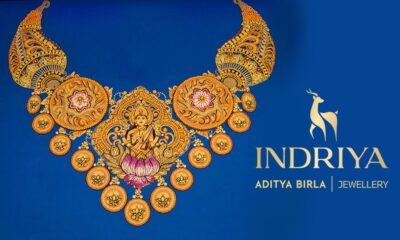
Indriya, Aditya Birla Jewellery Unveiled India’s Largest Sustainable Jewellery Rangavalli
-

 BrandBuzz4 days ago
From Diya Puja To Diwali Soirées: Jewellery Designed To Go Beyond The Festive Season
