
International News
CIBJO SPECIAL REPORT-PRECIOUS METALS
While gold retains its investment edge, other metals drive industrial and jewellery demand

The global economy displayed resilience in 2024, expanding by 3.2 percent despite persistent inflation, geopolitical instability, and uneven regional performance. The IMF projects continued steady growth at 3.3 percent in 2025, with inflation moderating to 4.2 percent. The United States held robust growth at 2.8 percent, while China’s 4.7 percent fell short of expectations due to weak consumption. In this context of uncertainty, precious metals — especially gold — reaffirmed their role as both financial safe havens and critical industrial resources.
Gold
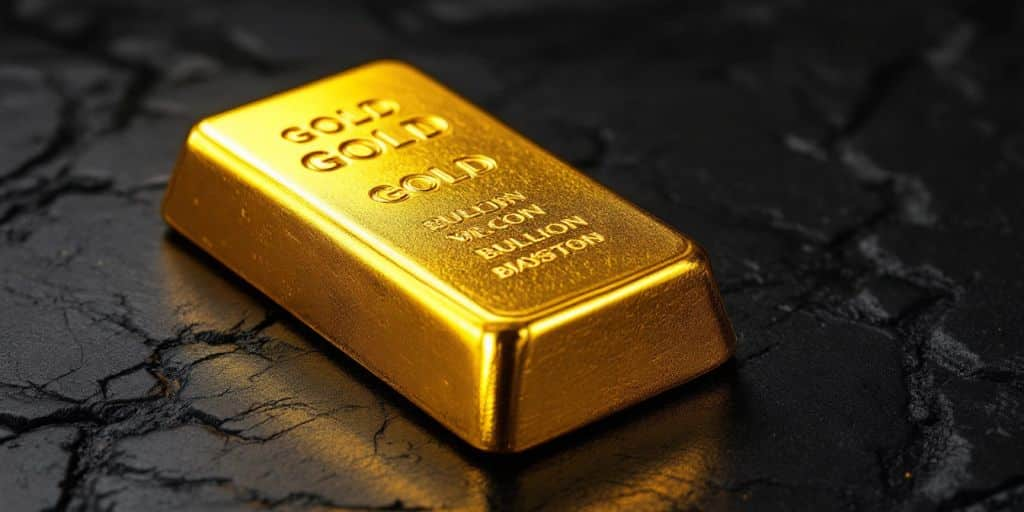
Gold marked a landmark year in 2024, averaging a record USD 2,386/oz, with peaks above USD 2,600. Driven by central bank purchases, geopolitical risks, and investor demand, prices soared further in early 2025, surpassing USD 3,500. Supply rose modestly due to increased mine production and recycling, while demand surged from central banks, retail investment in Asia, and industrial applications, though jewellery consumption fell sharply under record-high prices.
Platinum
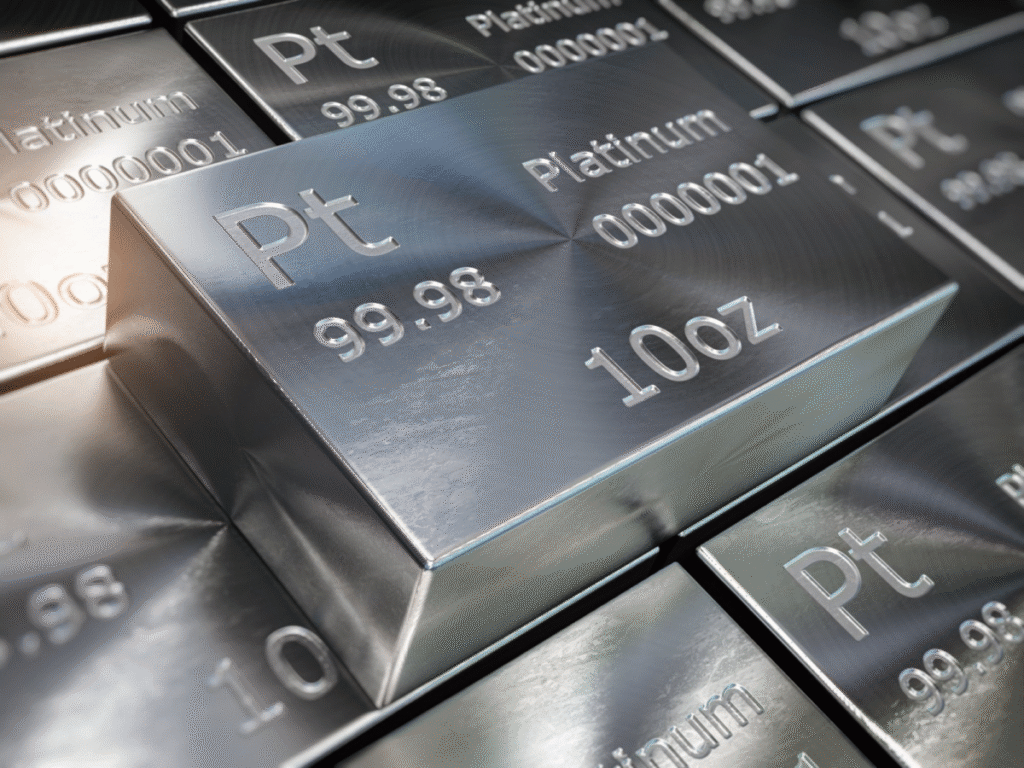
Platinum, though range-bound for much of 2024, showed resilience with stable demand across jewellery and green technologies, and surged in 2025, surpassing USD 1,400. Supply increased slightly, while jewellery fabrication in India, Japan, and China rebounded strongly, aided by platinum’s price advantage over gold. Platinum’s role in hydrogen energy and clean technologies further reinforced its ESG profile.
Palladium
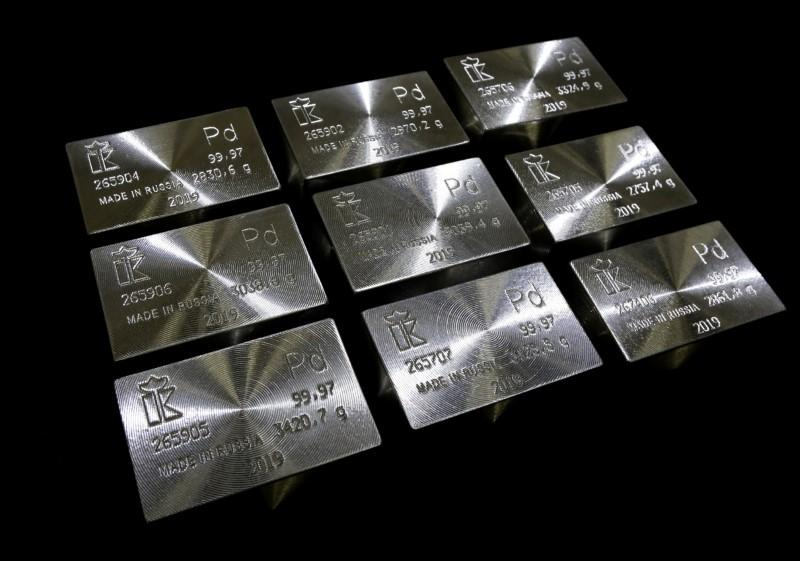
Palladium remained pressured, with 2024 prices averaging USD 983/oz, down 27 percent, weighed by declining automotive demand and substitution by platinum. Supply increased marginally but is expected to contract in 2025, while demand challenges persist.
Silver
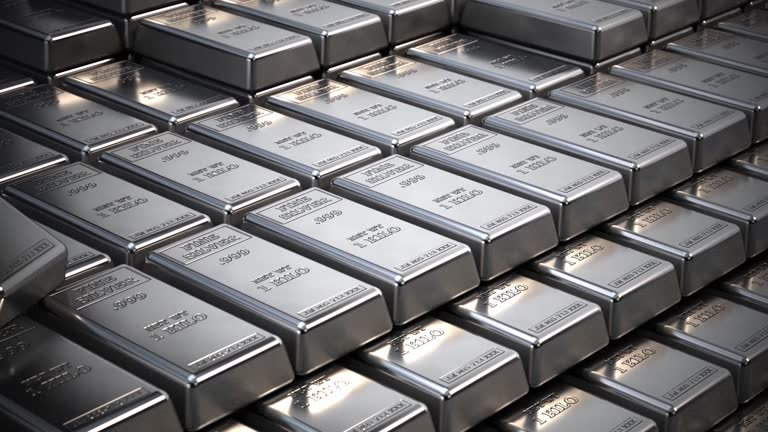
Silver, meanwhile, saw renewed investor interest, averaging its strongest performance since 2012 with prices climbing to USD 32/oz by late 2024. Supply grew slightly, led by recycling, while industrial demand — particularly photovoltaics and electronics linked to AI and EVs — surged. Jewellery and silverware demand was mixed, with India leading recovery while Western markets weakened.
ESG
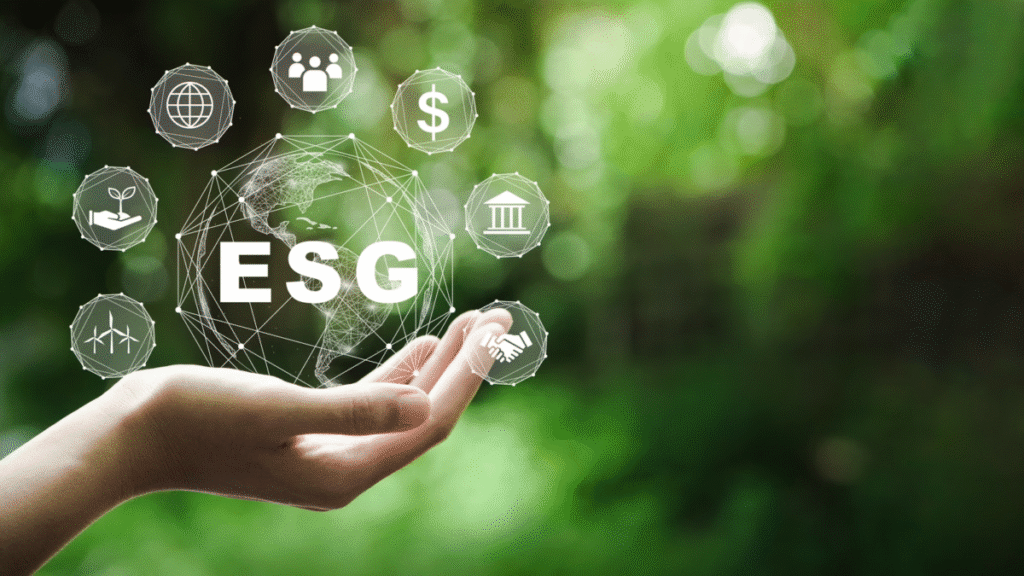
Across precious metals, ESG principles gained prominence. Gold, platinum, and silver advanced responsible sourcing, traceability, and sustainability-linked practices. Blockchain-enabled tracking, decarbonization commitments, and alignment with international standards underscored the industry’s pivot to ethical and sustainable operations.






International News
GJEPC Promotes Key Trade Events At IGI Dubai Event
The Dubai Event Created Opportunities For Participating Indian Exporters To Connect Directly With Potential Buyers.

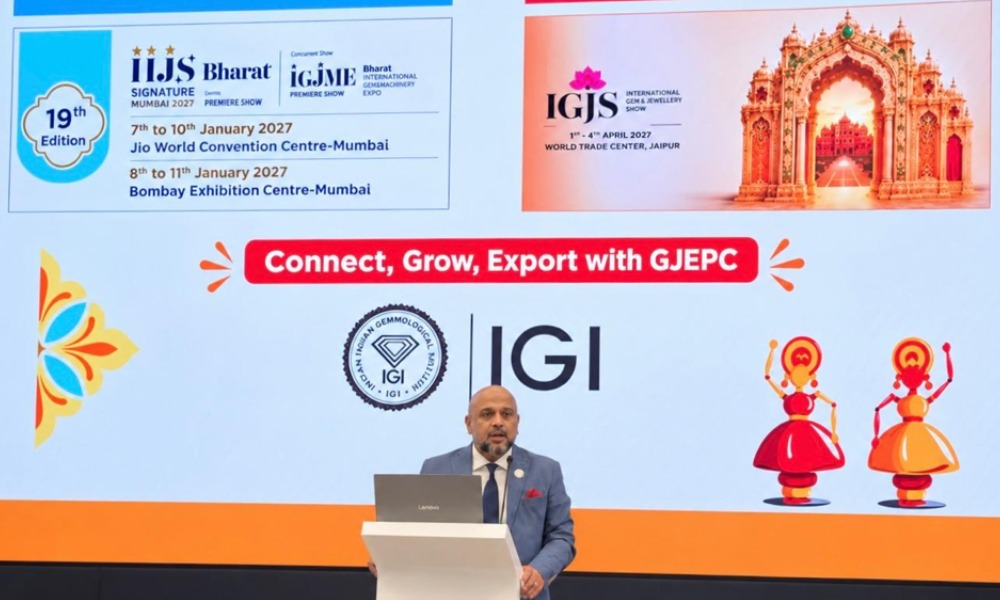
GJEPC stepped up its international buyer outreach for IIJS Bharat – Signature 2027, IGJS Jaipur and IJEX at an industry event organised by the International Gemological Institute (IGI) in Dubai.
Held at the Almas Tower Ballroom in Jumeirah Lake Towers, the IGI Ornamental QC Seminar brought together an audience of more than 70 jewellers, with leading retailers including Jawhara, Joyalukkas, Tajvi, Vinsmera, La Marquise, Bhima and Cara among the expected participants.
Ashish Sakhardande, Head – IJEX, GJEPC, represented the Council and delivered a presentation on its upcoming exhibitions and initiatives, placing particular emphasis on IIJS Bharat – Signature 2027, IGJS Jaipur and IJEX, highlighting its new features and inviting UAE buyers to register for the Mumbai and Jaipur shows.
The UAE remains an important market for Indian jewellery exporters, making direct engagement with retailers and jewellery companies a key part of the buyer mobilisation strategy.
The Dubai event created opportunities for participating Indian exporters to connect directly with potential buyers. Business meetings and networking interactions were facilitated with several UAE-based companies, allowing exporters participating through IJEX to develop new commercial contacts.



Kangana Ranaut Unveils PNG Jewellers New Showroom In Ayodhya~

GGJS 2026 Concludes With High-Volume Trade and Strategic Focus On Next-Gen Leadership

The Solitaire Festival Of India Concludes; Bumper Prize Winner At Ranka Jewellers Wins XUV 7XO
GGJS 2026 Concludes With High-Volume Trade and Strategic Focus On Next-Gen Leadership

ABARAN Commemorates The 125th Birth Anniversary Of Founder Shri Burde Sadananda Kamath With Special Gold Coin Launch

MCX Gold Silver Futures See Dip
-
 National News4 hours ago
GGJS 2026 Concludes With High-Volume Trade and Strategic Focus On Next-Gen Leadership
-
 National News9 hours ago
ABARAN Commemorates The 125th Birth Anniversary Of Founder Shri Burde Sadananda Kamath With Special Gold Coin Launch
-
 National News9 hours ago
MCX Gold Silver Futures See Dip
-
 National News3 days ago
P N Gadgil Jewellers Limited – Quarterly Update Q2FY27
