
JB Insights
China’s diamond market undergoes dramatic recalibration
Shifting consumer values and economic headwinds drive transformation

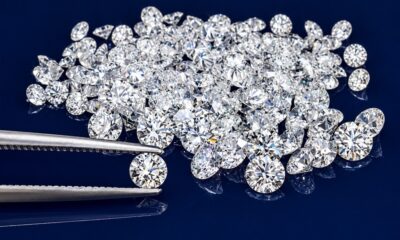
Once a powerhouse of global luxury demand, China’s diamond market is experiencing a profound transformation, reflecting both changing consumer values and evolving economic realities. Liang Weizhang, CEO of HubWis Jewellery Strategic Creations (Guangzhou) Co., Ltd., provides an in-depth analysis of the latest trends, underlying drivers, and strategic imperatives for the industry.
Market Contraction Signals New Era
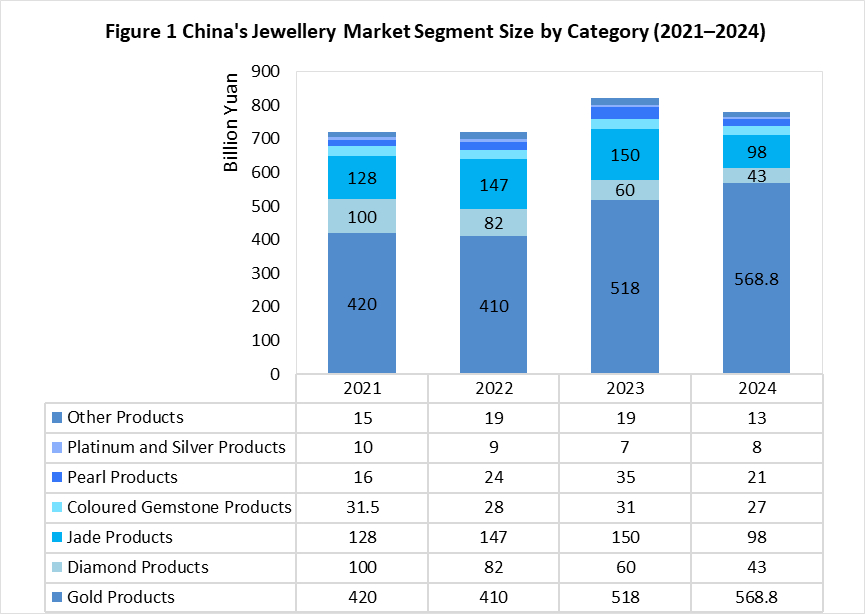
According to the Gems & Jewelry Trade Association of China, the diamond market shrank from RMB 100 billion in 2021 to RMB 43 billion in 2024-a 57% drop-while diamonds’ share of the overall jewelry market fell from 14% to 6%. This contraction stands in stark contrast to the sector’s previous rapid expansion, but signals not just a downturn, but a realignment of consumer priorities and market structures.
Jewelry Market Rebalances as Gold Surges
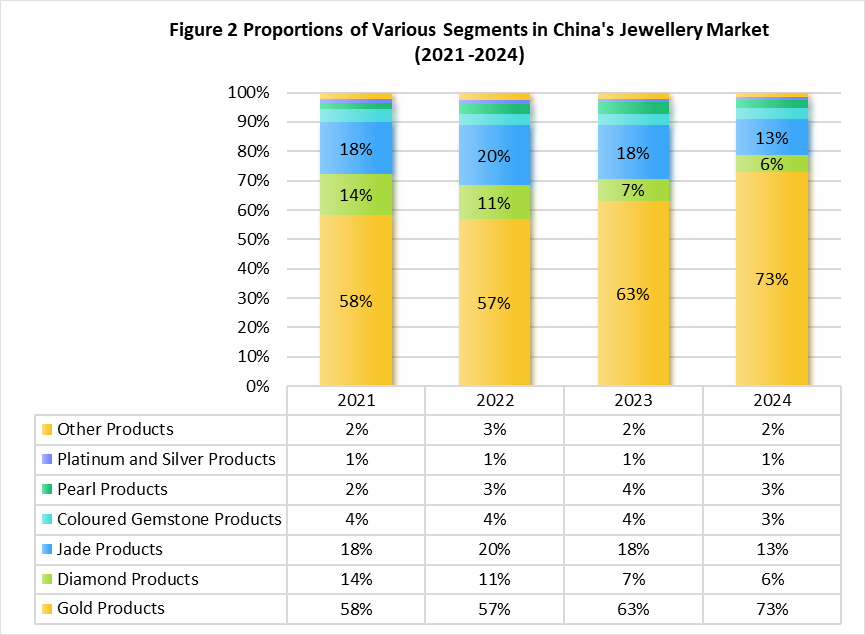
While diamond demand has cooled, gold jewelry has surged, increasing its market share from 58% to 73% between 2021 and 2024. Other segments, such as jade and pearls, have seen volatility. Despite these shifts, the total Chinese jewelry market remains resilient, growing from RMB 720.5 billion in 2021 to RMB 820 billion in 2023, before a modest dip to RMB 778.8 billion in 2024. This underscores a rebalancing across categories rather than a wholesale decline in jewelry demand.
Imports and Prices Reflect Downward Pressure
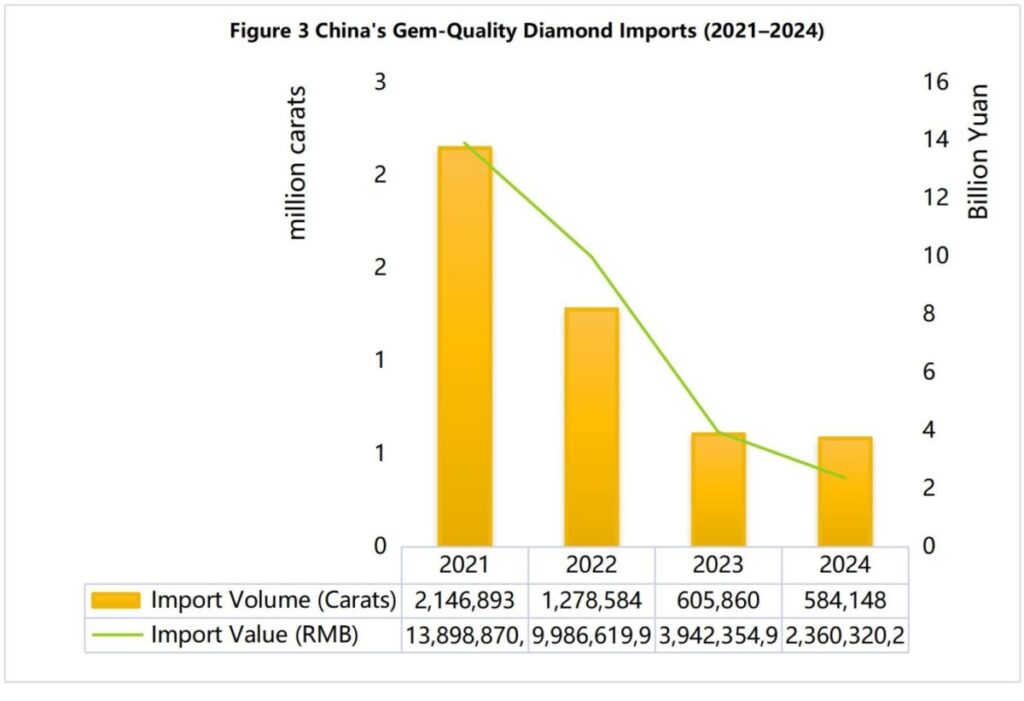
Customs data reveal a 73% drop in the volume of gem-quality diamond imports between 2021 and 2024, with import values plummeting 83%. Even as the volume of imports fell only 4% year-on-year in 2024, the value declined 40%, indicating significant downward pressure on prices and a shift toward more affordable, differentiated products.
Younger Consumers Drive Value Shift
Millennials and Gen Z are redefining luxury, prioritizing individuality, ethical sourcing, and value. For many, diamonds are now one of many ways to express personal identity rather than the ultimate status symbol. The rapid rise of laboratory-grown diamonds-offering sustainability and affordability-has further diversified the market, challenging the dominance of natural stones.
Macroeconomic and Demographic Factors at Play
China’s moderated GDP growth and declining marriage rates have dampened demand for traditional diamond jewelry, particularly engagement rings. Consumers are increasingly drawn to gold, which offers both adornment and investment value, while diamond brands must work harder to connect emotionally and symbolically with buyers.
Strategic Adjustments for the Future
Industry leaders caution against viewing the contraction as permanent. Instead, they advocate for differentiated offerings, stronger storytelling, and digital engagement. Regional diversity within China presents growth opportunities, especially in emerging cities with distinct consumer profiles. Early signs of stabilization-such as increased activity at the Hong Kong Jewellery Show-offer cautious optimism for a gradual recovery
A Market Redefining Itself
Liang Weizhang concludes: “China’s diamond sector is not in decline, but in the midst of redefinition. Success will depend on how well the industry interprets evolving consumer aspirations and navigates the interplay of tradition, innovation, and value.”







JB Exclusive
JewelBuzz spoke to trade and industry leaders who said thatstrong consumer affinity for gold as a safe-haven and emotional asset, and high demand for lightweight, design-focused offerings are driving renewed momentum. Although higher price points may decrease overall volume (by weight), total revenue and consumer trust in gold as a store of wealth remain strong.
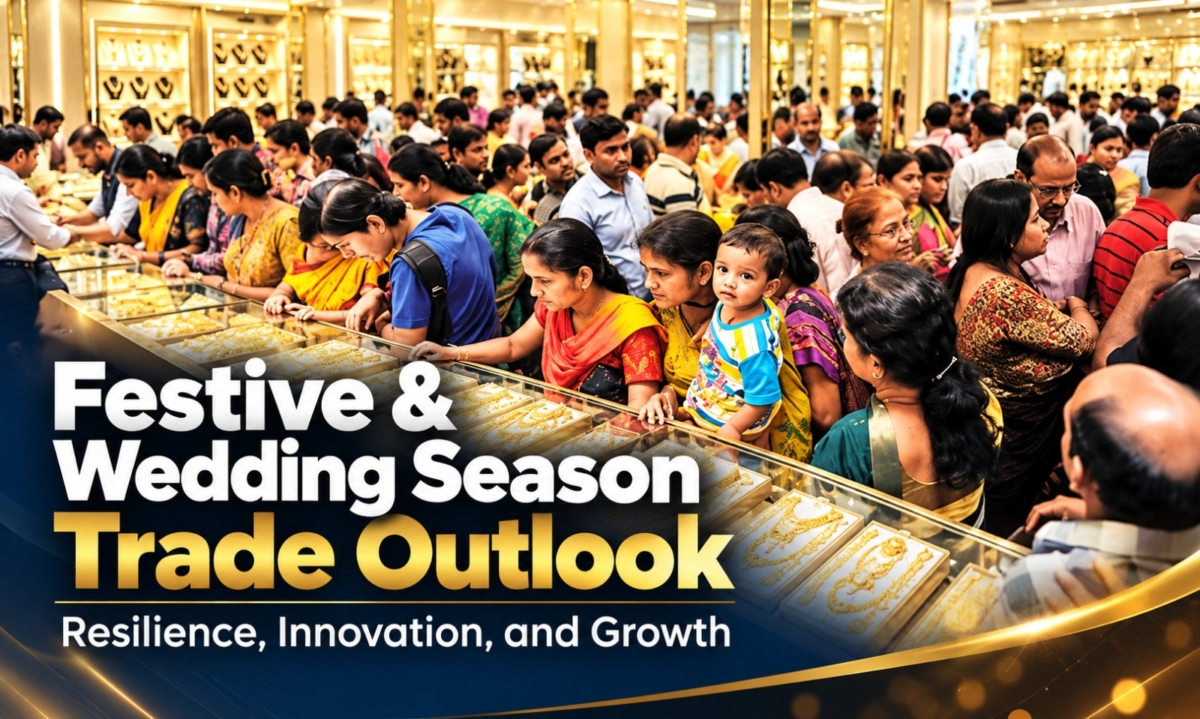
The Indian retail jewellery sector is approaching the crucial Diwali, and upcoming wedding seasons with a mixture of pragmatic caution, strategic innovation, and underlying optimism.
Following a period of sluggish sales driven by record-high gold prices and market volatility, industry leadership expects a noticeable turnaround. Decreasing or stabilizing gold prices, strong consumer affinity for gold as a safe-haven and emotional asset, and high demand for lightweight, design-focused offerings are driving renewed momentum.
While overall physical volume (by weight) may remain subdued or flat compared to previous years, overall sales value is projected to grow anywhere from single/low-double digits up to 20%–25%, depending on retail positioning and product portfolio.
Key Market Dynamics & Consumer Trends
1. Sluggish Past Months & Strategic Pivots to Lightweight Collections
Prior to the festive onset, retail sales experienced a downward trend due to price volatility. However, jewellers are actively countering this by shifting focus toward lightweight gold, close-set natural diamonds, silver artifacts, and platinum lines. As N. Anantha Padmanaban (Chairman, NAC Jewellers) notes:
“Sales has been on the downward trend due to various reasons for the past few months, but we are expecting good sales with gold prices coming down during Navratri & Diwali…”
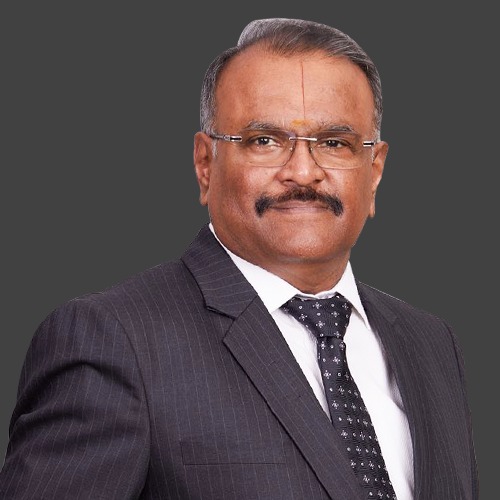
Retailers are innovating across price points to capture value-conscious shoppers. NAC Jewellers, for instance, has introduced lightweight gold options such as the traditional cow-themed Surabhi collection, lightweight silver lamps for Dhanteras, and close-set diamond lines to stimulate demand.
2. Emotional Connection & Bridal Resilience
Despite elevated rates, consumer trust in gold as both an emotional asset and cultural anchor remains steadfast. Addressing the underlying consumer sentiment, Dr. Pratap Madhukar Kamath (MD, ABARAN) emphasizes:
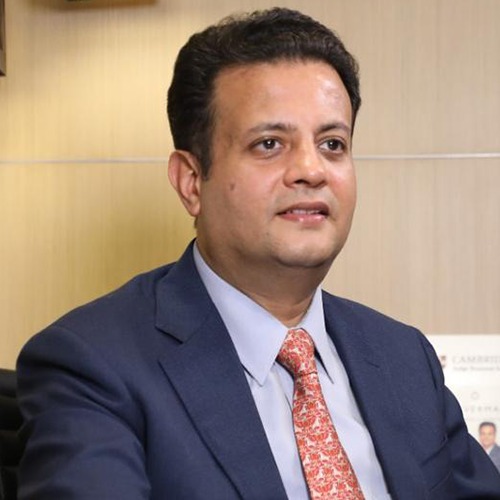
“We remain highly optimistic about jewellery sales during the ongoing festive season and the upcoming wedding season. Despite elevated gold prices, consumer sentiment continues to be encouraging, reaffirming gold’s timeless significance…”
This sentiment translates into steady interest across traditional bridal jewellery, contemporary lightweight pieces, and investment-oriented purchases ahead of the heavy wedding dates.
3. Industry Call for Patience & Wedding Stability
Addressing market anxiety surrounding gold rate fluctuations, Rakhal Gontla (Jt MD, Vaibhav Jewellers) offers a reassuring message to the trade:
“My message to the trade and industry is simple: Don’t panic. These may be challenging times, but it is important to stay resilient, hold your ground and navigate the market with patience and perseverance.”

Marriage-related sales are expected to stay particularly healthy, backed by gold’s central role in traditional ceremonies.
4. Volume Subdued, Value Growth Driven by Gen Z & Alternative Metals
Rising gold rates have led to a division between physical volume and monetary sales value. Jayantilal Challani (Chairman, Challani Group Of Companies) observes:
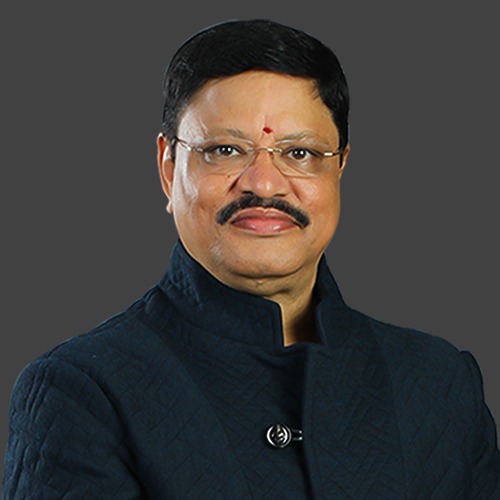
“The jewellery industry expects a cautious and value-driven festive season, with total sales value projected to grow in single or low-double digits even as physical volume remains subdued due to record-high gold prices.”
To bridge this gap, jewellers are tapping into Gen Z buyers who favor minimalist designs—such as thin chains, stud earrings, and understated rings—and shifting attention toward natural diamonds and alternative metals.
5. Natural Diamonds & Expanding Value Expectations
As gold prices surge, natural diamonds are gaining significant market share, evolving from purely bridal wear to everyday lifestyle pieces. Eshwar Surana (MD, Raj Diamonds) projects strong growth in value:
“We believe the festive season will add sparkle to jewellery sales, and we expect it to grow 20–25% in value. We have already witnessed a strong and encouraging customer response…”
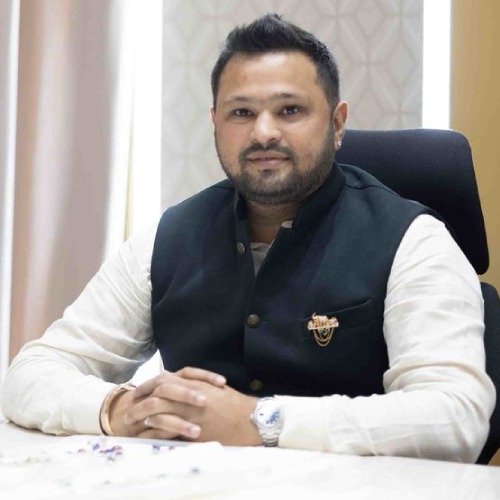
Rising disposable incomes and millennial demand for meaningful investment pieces are helping power this 20%–25% value surge.
6. Transparency & Consumer Confidence
Navigating periods of high pricing requires absolute trust. Dr. C. Vinod Hayagriv (MD, C. Krishniah Chetty Jewellers) cautions against misleading retail tactics while noting a muted initial sentiment:
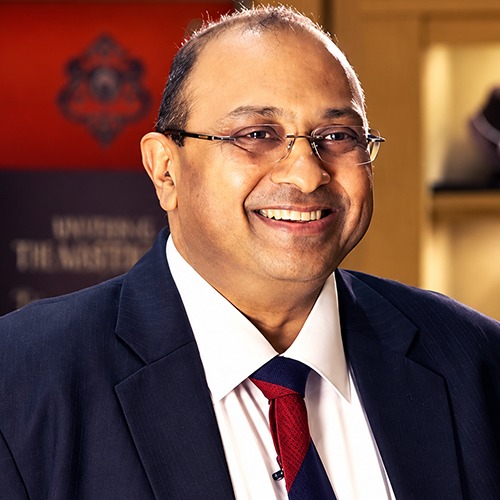
“The sentiment for the festive season is muted… It is essential that we maintain consumer confidence with genuine sales promotions. Without inflating prices and artificially discounting—which erode consumer confidence.”
Maintaining genuine promotional integrity is seen as vital for matching or modestly exceeding last year’s festive performance.
7. Gold’s Intrinsic Value Amid Volatility
Concluding the trade sentiment, John Alukka (Jt MD, Jos Alukkas) points out that elevated gold rates actually reinforce consumer belief in the metal’s enduring value:“
Consumers are constantly seeking value and they find it in gold. In fact the consumer trust in gold has increased because of the higher value. There could be slight hesitation and confusion because of rate variations…”




Tradition Meets Everyday Style: Mangalsutras For Karva Chauth From Candere By Kalyan Jewellers

So/Facet Raises ₹10 Crore Led By Sauce To Build The Diamond Brand That Young India Has Been Missing

Festive & Wedding Season Trade Outlook: Resilience, Innovation, and Growth

BHIMA Jewellery Receives Prestigious IAGES Accreditation
So/Facet Raises ₹10 Crore Led By Sauce To Build The Diamond Brand That Young India Has Been Missing

JGP Jewellers Opens Its 26th Store In Nipani, Marking Its Entry Into Karnataka
-
 National News13 hours ago
BHIMA Jewellery Receives Prestigious IAGES Accreditation
-
 National News11 hours ago
So/Facet Raises ₹10 Crore Led By Sauce To Build The Diamond Brand That Young India Has Been Missing
-
 New Premises17 hours ago
JGP Jewellers Opens Its 26th Store In Nipani, Marking Its Entry Into Karnataka
-
 JB Insights12 hours ago
Festive & Wedding Season Trade Outlook: Resilience, Innovation, and Growth
