
DiamondBuzz
China’s Diamond Jewellery Market Poised for U-Shaped Recovery: Liang Weizhang

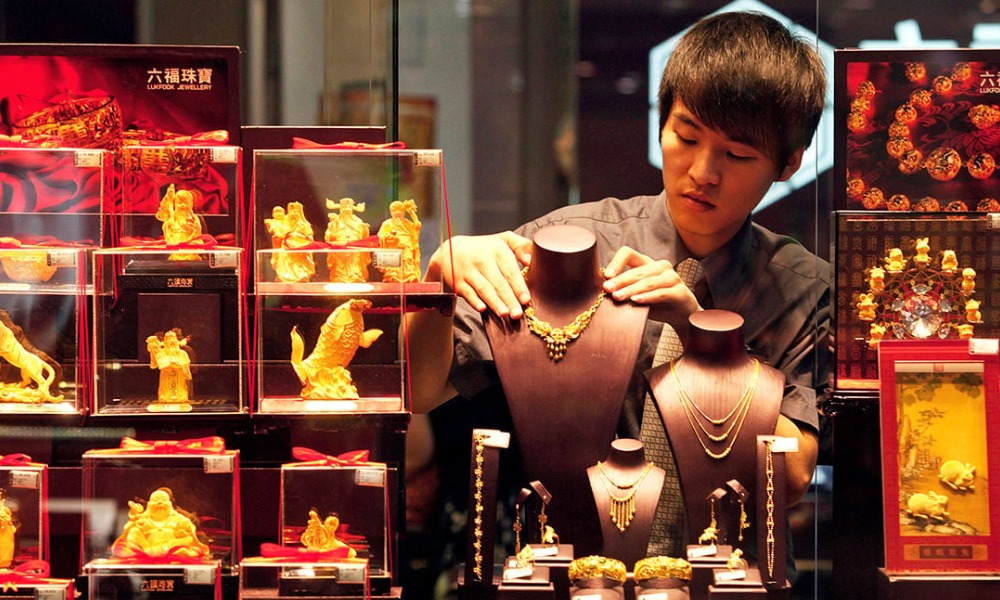
Speaking at the Bharat Diamond Bourse Symposium , Chinese strategist Liang Weizhang outlined a cautious but improving outlook for China’s diamond and jewellery sector.
China’s jewellery market expanded from RMB 720 bn in 2021 to RMB 820 bn in 2023, before easing to RMB 780 bn in 2024. Gold’s share of retail sales surged to 73% in 2024, while diamonds shrank to 6%, hit by falling marriage rates, weak sentiment, oversupply, and lab-grown competition. The natural diamond market contracted from RMB 100 bn in 2021 to RMB 43 bn in 2024, with imports plunging over 70% by volume.
Signs of recovery emerged in 2025: jewellery sales rose 11% YoY in H1, and polished diamond imports jumped 43.5% between January–July, with June–July showing triple-digit growth. Prices for some categories have stabilised after steep declines.
Hong Kong’s jewellery trade remains vital, with retail sales down 6.3% in H1 2025 but rebounding 6.8% in June, pointing to revived high-end spending.
Lab-grown diamonds are gaining ground, but surveys show a strong consumer preference for natural stones—57% in mainland China and 86% in Hong Kong favour natural diamonds for their luxury and investment value.
While price declines of 20–30% marked 2024, stability has returned in recent months. Liang predicts a gradual U-shaped recovery driven by inventory clearance, wedding demand, and supply adjustments. Long-term growth will rest on tightening global supply and China’s expanding middle class, though tariff risks remain a challenge.
China and India must navigate competition with collaboration according to Liang.The stress was on resilience, adaptability, and global partnerships as keys to the industry’s future


DiamondBuzz
Richemont and Signet Jewelers Could Join Global Diamond Consortium In Bid For De Beers
Richemont, Signet Would Connect The Consortium To Key Global Growth Vectors Spanning Luxury High Jewelry and Mass-Market Retail.


The Global Diamond Consortium (GDC)
Richemont and Signet Jewelers are reported to be in talks about joining the Global Diamond Consortium (GDC), the preferred bidder for De Beers according to a Bloomberg News report.
GDC was selected in July 2026 as one of Anglo American’s preferred bidders for De Beers as part of Anglo American’s ongoing corporate restructuring.
The potential inclusion of Richemont—owner of luxury Maisons including Cartier and Van Cleef & Arpels—and Signet Jewelers—the world’s largest retailer of diamond jewelry, operating brands such as Kay Jewelers, Zales, and Jared—would connect the consortium to key global growth vectors spanning luxury high jewelry and mass-market retail.
Strengthening the Natural Diamond Ecosystem: Participation by major luxury brands and global retail leaders reinforces commitment across the entire value chain—from responsible mining and manufacturing to consumer engagement.
Balanced Governance Structure: Discussions center on potential minority equity positions that would support long-term category growth while maintaining appropriate separation between ownership and commercial strategy.
Broad Stakeholder Participation: The consortium continues to advance talks with host governments, including discussions with the Government of Botswana regarding a potential increase in its equity share in De Beers from 15% to approximately 25%, alongside participation from private investors and southern African host nations.
Discussions between GDC, Richemont, Signet, and participating government stakeholders remain ongoing. Terms of any potential participation, including the size of equity interests, have not been finalized and remain subject to regulatory approvals and definitive documentation.


-
 TechBuzz2 hours ago
K. Srinivasan Unveils Doit Coimbatore Experience Centre
-

 GlamBuzz2 hours ago
Kalyan Jewellers’ Navratri Celebrations Bring Stars From All Industries To Thrissur
-
 National News2 hours ago
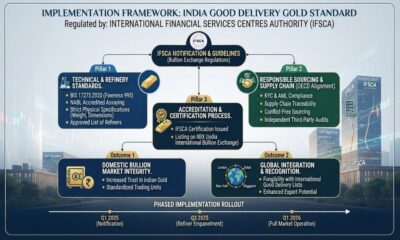
IFSCA Notifies India Good Delivery Gold Framework
-
 National News3 hours ago
World Gold Council Unveils Immersive Gold Experience At Phoenix Palladium, Lower Parel, Mumbai
