
DiamondBuzz
Celebrating Perfectly Imperfect Friendships With Natural Diamonds – De Beers
A Thoughtfully Curated Natural Diamond Bracelet Collection Celebrating Friendships That Thrive Through Individuality, Connection, and Timeless Bonds

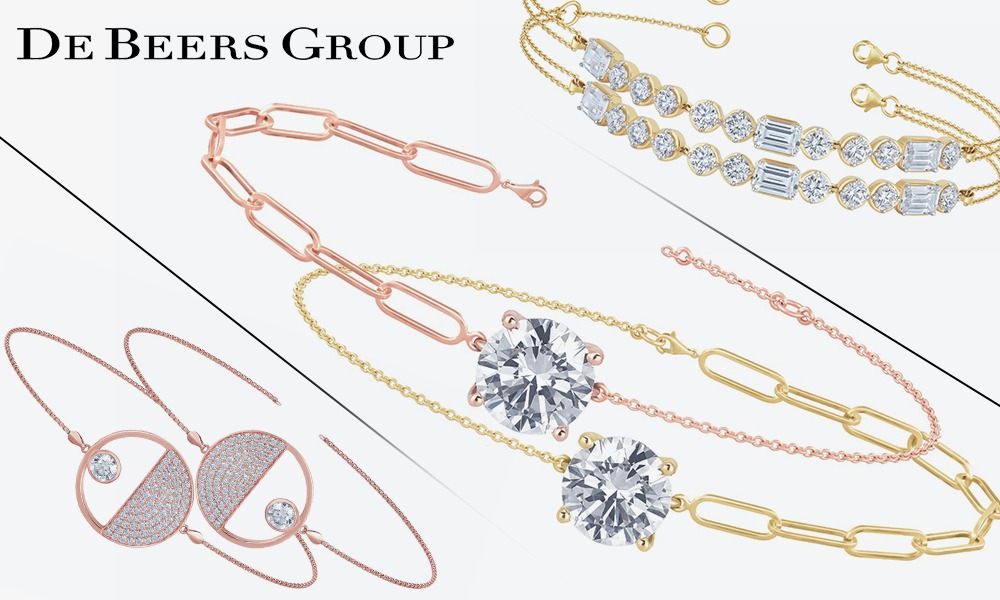
The best friendships aren’t built on being the same, they’re built on celebrating what makes each of you different. One is the planner, the other the spontaneous one. One speaks in long voice notes, the other replies with memes. Yet somehow, it always works. It’s these beautifully imperfect bonds that deserve to be celebrated.
The Bestie Bracelet Collection honours these unique friendships through natural diamonds that symbolise strength and enduring connection. Thoughtfully designed as complementary pieces, each bracelet reflects the bond between besties who may not always match but always belong together.
Because real friendships deserve natural diamonds.
The Complementary Link Set
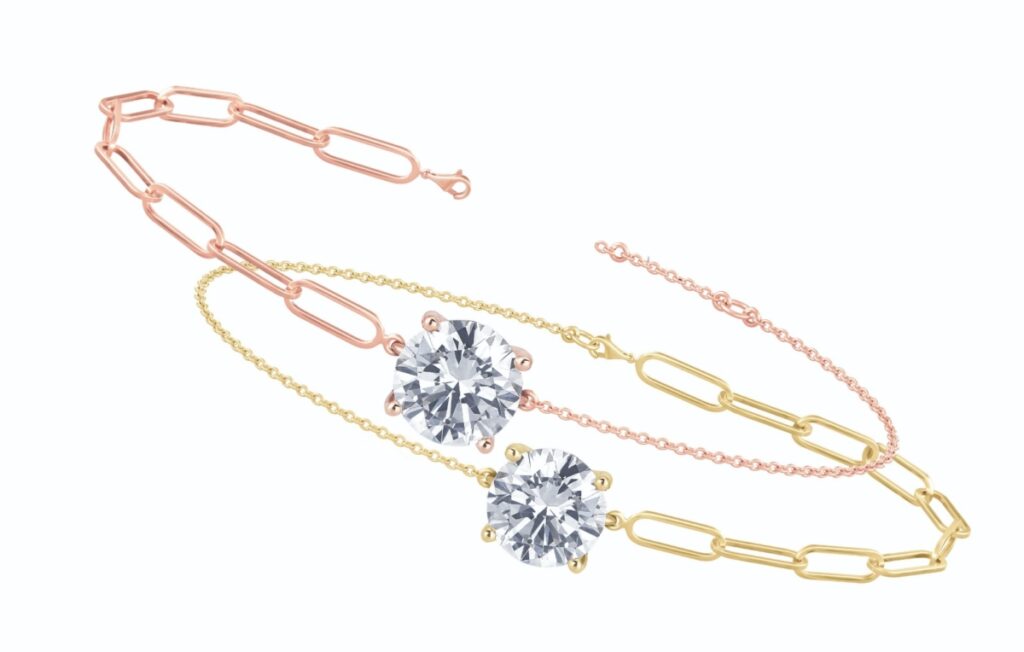
They say opposites attract and best friends prove it every day. One bracelet pairs bold, sculptural links with delicate chain details, while the other mirrors the story in its own distinctive way. A brilliant natural diamond sits at the heart of each design, reminding you that despite your differences, you’re connected by something timeless. Made to be worn apart but always thought of together, these bracelets celebrate friendships that are balanced, complementary and beautifully authentic.
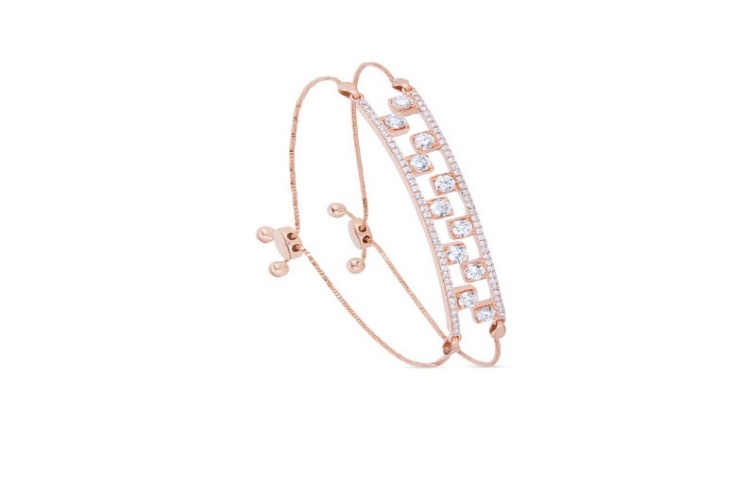
The Aligning Rhythms Set
Some friendships simply fit. Designed as two complementary bracelets that align when brought together, this set celebrates the idea that the best relationships aren’t about being identical; they’re about bringing out the best in each other. Set with natural diamonds, no two exactly alike, the bracelets reflect the unique qualities each friend brings to the relationship. Individually elegant and even more meaningful together, they are a timeless celebration of a bond that feels effortlessly complete.
The Diamond Cipher
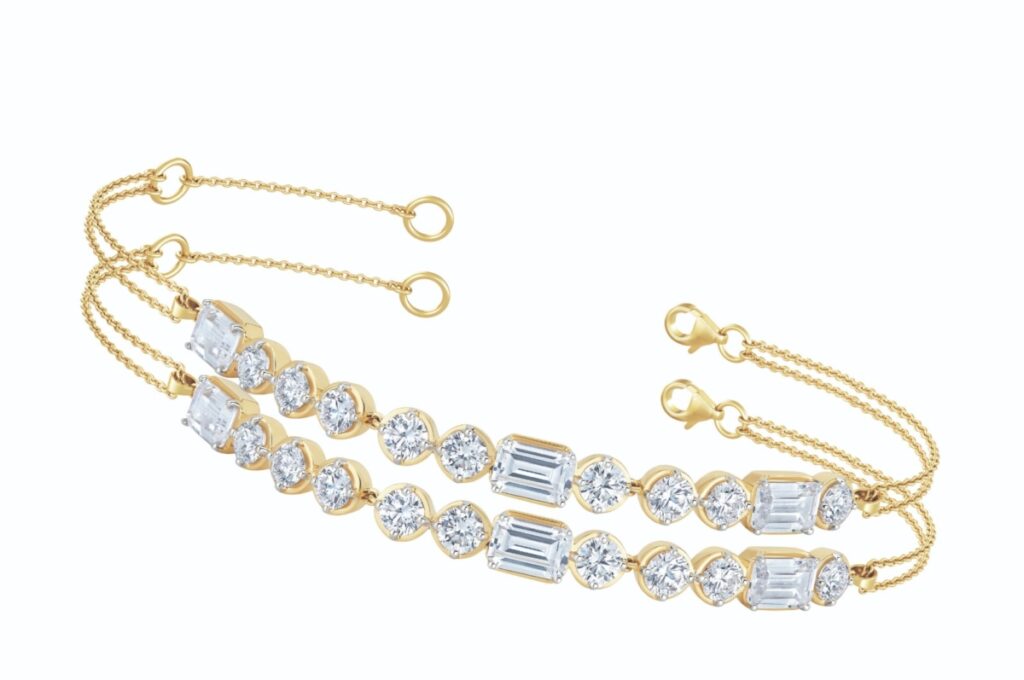
Every friendship has a language only the two of friends understand. Inspired by Morse Code, this bracelet uses alternating baguette and round unique diamonds to create a hidden message, subtle enough to go unnoticed, meaningful enough to last forever. Just like the bond it celebrates, every natural diamond is one of a kind, shaped by nature over billions of years, making them as timeless as the friendship they represent. Minimal design yet rich in sentiment, it’s made for the friend who knows exactly what you’re thinking with just one look.
The Eternal Circle
Some bonds never need words. Designed as two complementary bracelets, each carries one half of a timeless circle, one adorned with pavé-set natural diamonds, the other centered around a single bezel-set diamond. Distinct on their own, complete in meaning together, they celebrate a friendship that’s constant, effortless and enduring. Like real diamonds, whose extraordinary journey spans billions of years, some connections are made to last a lifetime and beyond.
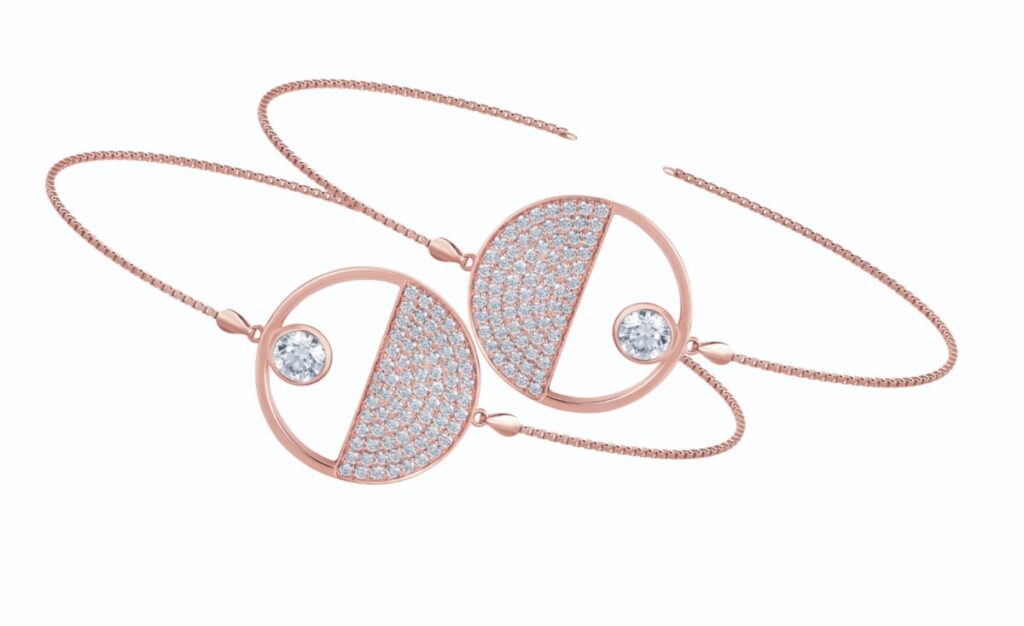
Because no matter the distance, true friendships always come full circle & are truly valuable.


DiamondBuzz
India Has Emerged As The Most Important Startup Market In LGD Segment, Home To 70 Lab-Grown Diamond Companies
Surat Has Developed An Extensive Ecosystem Over Several Decades. LGD Give This Ecosystem An Opportunity To Move Into A New Segment Of The Global Diamond Economy.
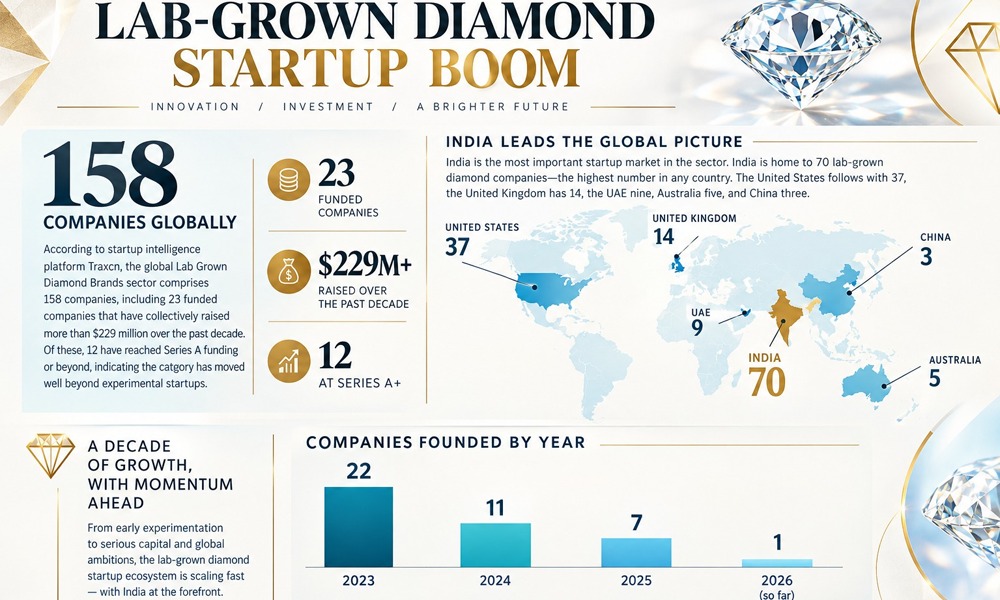
According to startup intelligence platform Traxcn, the global Lab Grown Diamond brands sector comprises 158 companies, including 23 funded companies that have collectively raised more than $229 million over the past decade. Of these, 12 have reached Series A funding or beyond, indicating the category has moved well beyond experimental startups.
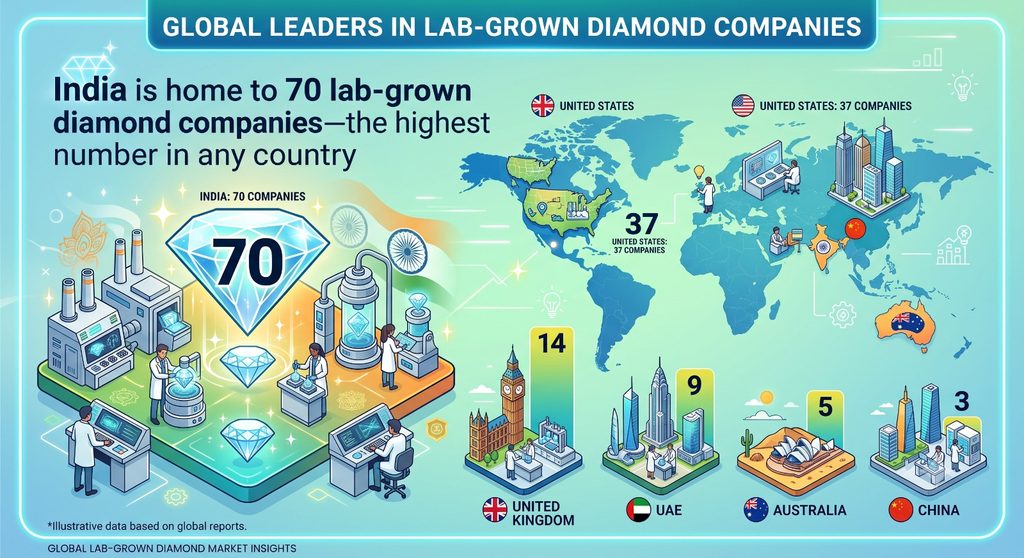
India is home to 70 lab-grown diamond companies—the highest number in any country. The United States follows with 37, the United Kingdom has 14, the UAE nine, Australia five, and China three.
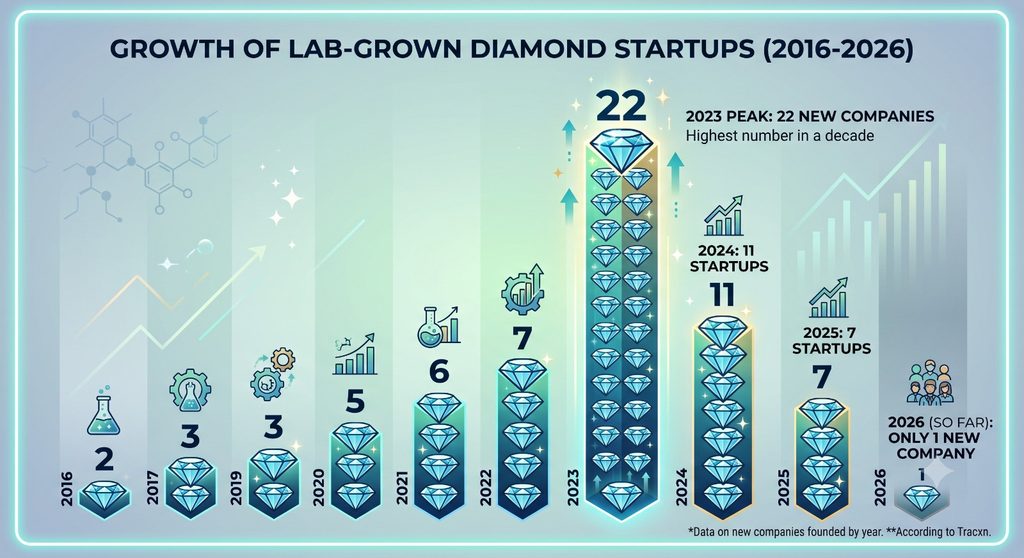
Data shows 22 lab-grown diamond companies were founded in 2023—the highest number in any year over the past decade. That was followed by 11 in 2024 and seven in 2025. In 2026, only one new startup had been founded so far, according to Traxcn.
The numbers underline India’s considerable advantage. The country has long been one of the world’s most important centres for the diamond business, particularly in cutting and polishing. Surat has developed an extensive ecosystem of manufacturers, skilled workers, exporters and jewellery businesses over several decades. Lab-grown diamonds give this ecosystem an opportunity to move into a new segment of the global diamond economy.
The sector received approximately $43.6 million in 2019, before funding fell sharply to $4.76 million in 2020. It recovered to $16.4 million in 2021 before peaking in 2022. Funding then dropped substantially—just $1.1 million in 2023 and $7.1 million in 2024—before rebounding sharply in 2025.This volatility suggests investors are still trying to understand the long-term economics of the industry.
Lab-grown diamonds are evolving beyond a single business category. The sector includes manufacturers, technology companies, exporters, retailers and consumer-facing jewellery brands. Their economics and risks are very different. Manufacturers invest heavily in technology, machinery and production capacity, while jewellery brands spend on design, marketing, stores and customer acquisition.
Traxcn data highlights another divide: India has more companies, while the US has attracted more capital. India has 70 lab-grown diamond companies compared with 37 in the US and 14 in the UK. The US has received about $126 million in funding over the past decade, compared with $97.2 million for India. Globally, the sector comprises 158 companies that have collectively raised more than $229 million.
Yet the industry’s biggest advantage—affordability—could also become its biggest challenge. As manufacturing technology improves and capacity expands, production costs and diamond prices can decline. Lower prices may stimulate demand, but they can also compress margins and reduce the value of existing inventory.
This changes the competitive equation. As stones become increasingly standardised, the battle may shift from who makes the diamond to who creates the strongest consumer proposition. Design, certification, trust, retail experience, after-sales service and branding could become increasingly important.
The experience of platinum offers a useful lesson. Marketing helped create a distinct consumer proposition around platinum, but changing preferences and price movements later challenged its position.
For lab-grown diamonds, the central question is therefore not simply how much demand can be created, but whether companies can build lasting brand value and healthy margins around a product whose supply can continually expand. The technology may make diamonds cheaper; the brand will determine where the value ultimately resides.



PNG Jewellers Wins IACC Excellence In Service Award At IACE 2026

Dagina Maharashtra-Cha — Since 1832: PNGS Welcomes Ganeshotsav With Silver Rooted In Maharashtra’s Festive Heritage

India Has Emerged As The Most Important Startup Market In LGD Segment, Home To 70 Lab-Grown Diamond Companies

GJC CALLS 67% HIKE IN GOLD HALLMARKING CHARGES UNWARRANTED; SEEKS IMMEDIATE REVIEW
PNG Jewellers Wins IACC Excellence In Service Award At IACE 2026
Dagina Maharashtra-Cha — Since 1832: PNGS Welcomes Ganeshotsav With Silver Rooted In Maharashtra’s Festive Heritage
-
 National News15 hours ago
GJC CALLS 67% HIKE IN GOLD HALLMARKING CHARGES UNWARRANTED; SEEKS IMMEDIATE REVIEW
-
 National News13 hours ago
PNG Jewellers Wins IACC Excellence In Service Award At IACE 2026
-
 BrandBuzz14 hours ago
Dagina Maharashtra-Cha — Since 1832: PNGS Welcomes Ganeshotsav With Silver Rooted In Maharashtra’s Festive Heritage
-
 JB Insights16 hours ago
What Happens When The World’s 0.03% Of Diamonds Meet 131 Pairs Of Masterful Hands At QWEEN?
