

National News
BIS Standards Align with Global Consumer Protection Guidelines for Diamonds
BIS created standards, initiated by GJEPC puts Indian consumers at the centre as diamond jewellery demand accelerates

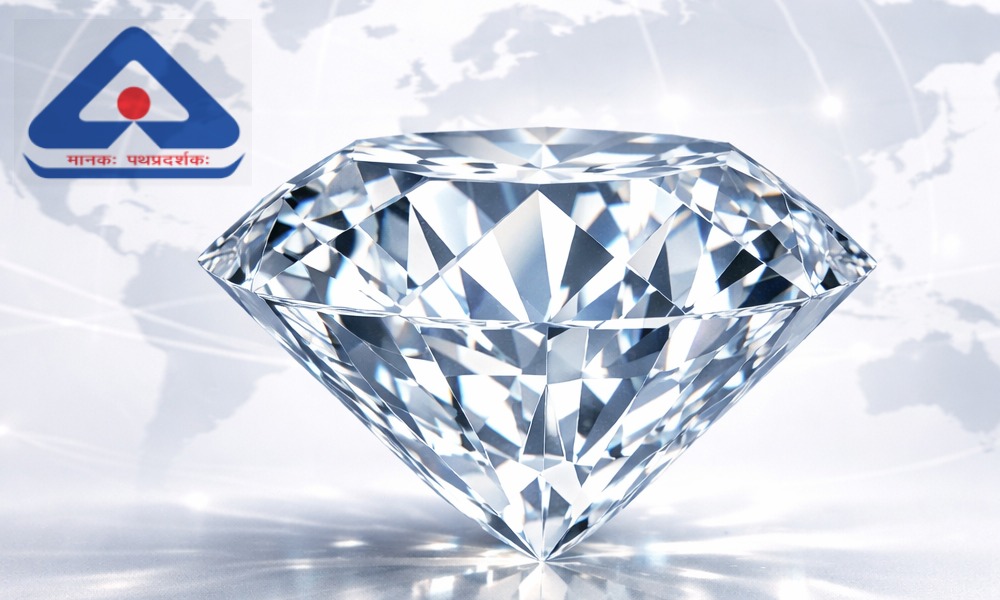
As India rapidly emerges as one of the world’s most important jewellery consumption markets, the need for transparency and consumer confidence has never been more critical. Valued at approximately US$80–85 billion in FY24, the Indian jewellery sector is projected to grow to US$225–245 billion by FY35, underscoring the scale and momentum of domestic demand.
Within this broader growth, diamond jewellery occupies a distinct and rapidly expanding segment. India has already become the second-largest diamond jewellery market globally, overtaking China, with the market currently estimated at around US$10 billion. Diamond jewellery demand in India is expected to double by 2030, reflecting rising consumer aspirations and increasing penetration beyond traditional metropolitan markets.
In this evolving landscape, ensuring clear, accurate, and transparent disclosure has become a key priority for the industry, enabling Indian consumers to make informed and confident purchasing decisions.
In this context, the Gem & Jewellery Export Promotion Council (GJEPC) welcomes the Bureau of Indian Standards’ (BIS) launch of new IS 19469:2025, an adoption of the modified version of “ISO 18323:2015 – Jewellery – Consumer Confidence in the Diamond Industry”, in an endeavour to strengthen consumer trust, ensure clarity in nomenclature, and align India’s diamond trade with international guidelines.
The revised Indian Standard, developed under the MTD 10 Committee of BIS, lays down comprehensive terminology and disclosure requirements for natural diamonds, laboratory-grown diamonds, treated diamonds, composite stones, and imitations. By clearly defining acceptable and prohibited terms, the standard aims to eliminate ambiguity, prevent misleading descriptions, and ensure that consumers are fully informed about the products they purchase.
Importantly, the standard clarifies that the term “diamond” refers only to natural diamonds, while laboratory-grown diamonds must be clearly disclosed using approved terminology. BIS developed and notified the standards following an initiative taken by GJEPC and detailed deliberations held with the Ministry of Consumer Affairs. Pursuant to the Ministry’s directives, a Working Group 4 was constituted with representatives from industry stakeholders for detailed deliberations on this important subject.
Under the new standard, India officially adopts the terms “laboratory-grown diamond” and “laboratory-created diamond”, while expressly disallowing misleading or outdated descriptions such as “fake,” or “artificial” for such stones. The standard also mandates full disclosure of treatments and provides clear definitions to prevent consumer confusion. The new standards also states that abbreviations such as “lab grown”, “lab created” “lab diamond” or “LGD” shall not be used.
This milestone reflects India’s leadership in promoting ethical, transparent, and globally aligned diamond trade practices. It provides clarity for traders, marketers, consumers, exporters, importers and certification agencies, ensuring uniform terminology in both domestic and international markets.
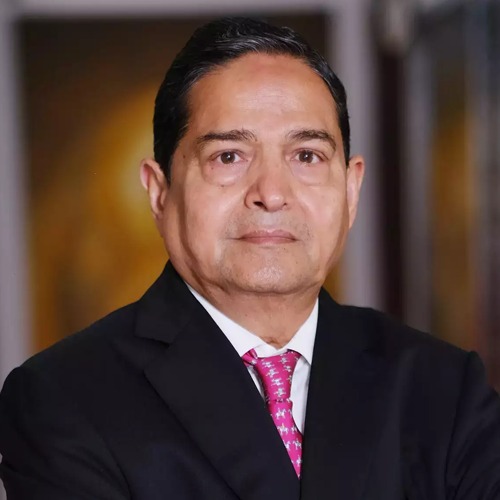
Kirit Bhansali, Chairman, GJEPC, said: “We thank BIS for launching the new standard aligned with globally harmonised framework for diamonds. This standard will enhance consumer confidence and credibility in both natural and laboratory-grown diamond segments. This is a major step forward in ensuring India’s diamond trade continues to lead the world with integrity and transparency.”
Kirit Bhansali further added, “GJEPC has been at the forefront of advocating clarity and fairness in diamond nomenclature. This collaboration between BIS, GJEPC, and industry stakeholders has ensured that consumers are protected and that the trade operates under uniform, internationally recognised definitions.”
Shweta Harit, Global SVP, De Beers Group & CEO of Forevermark :”Clear and consistent nomenclature empowers consumers to make confident, informed choices. By aligning with globally accepted terminology, BIS ensures complete transparency at the point of purchase, helping buyers clearly distinguish between natural diamonds and laboratory-grown ones.
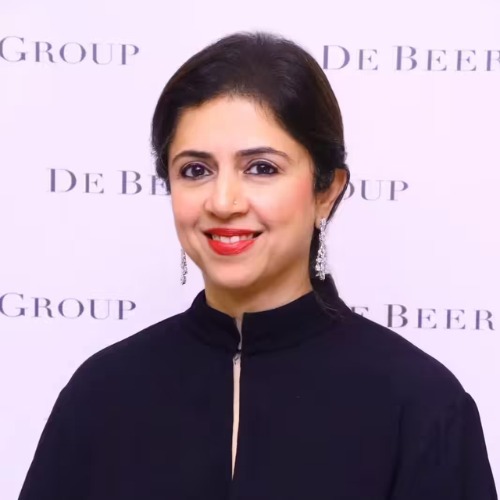
This clarity allows consumers to understand that they are two very different options and exactly what they are investing in—whether it is the natural origin, rarity, timelessness and enduring value of a natural diamond, or a factory made alternative—leaving no room for confusion while also reinforcing trust in India’s commitment to honest, responsible and transparent trade.”
The notification will serve as a definitive reference for jewellers, traders, laboratories, and consumer protection authorities across India.


National News
Zen Diamond Strengthens Its India Presence With A New Store Launch At Lake Shore Mall, Hyderabad
Expanding Its India Footprint, Zen Diamond Brings Global Design, Certified Natural Diamonds, and Elevated Retail Experiences To Hyderabad With Exclusive Festive Offers

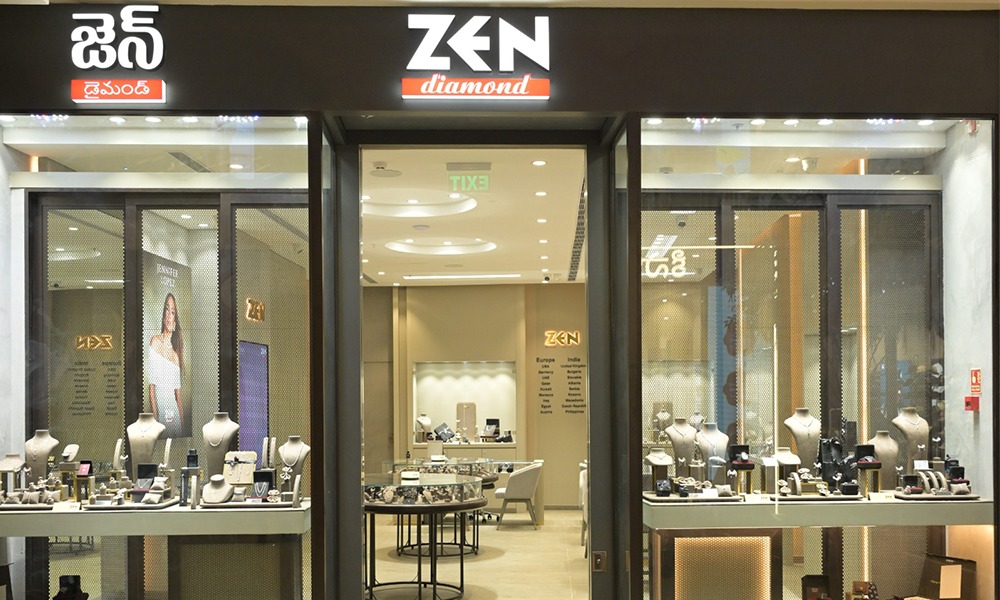
Zen Diamond, the globally acclaimed fine jewellery brand with a presence across 450+ stores worldwide, continues to expand its footprint in India with the opening of its new store at Lake Shore Mall, Hyderabad. After establishing a strong foothold in Mumbai with stores in Bandra and Borivali, and further strengthening its presence in Chandigarh and Bengaluru, the brand now brings its hallmark of exquisite craftsmanship and modern design to Hyderabad. Last year, the brand announced global icon Jennifer Lopez as its brand ambassador, marking a new phase of glamour, innovation, and timeless sophistication.
The 800 sq. ft. store at Lake Shore Mall embodies Zen Diamond’s signature design language, featuring a refined grey palette, premium finishes, fluted panels, and elegant stucco textures that enhance the brilliance of each creation.
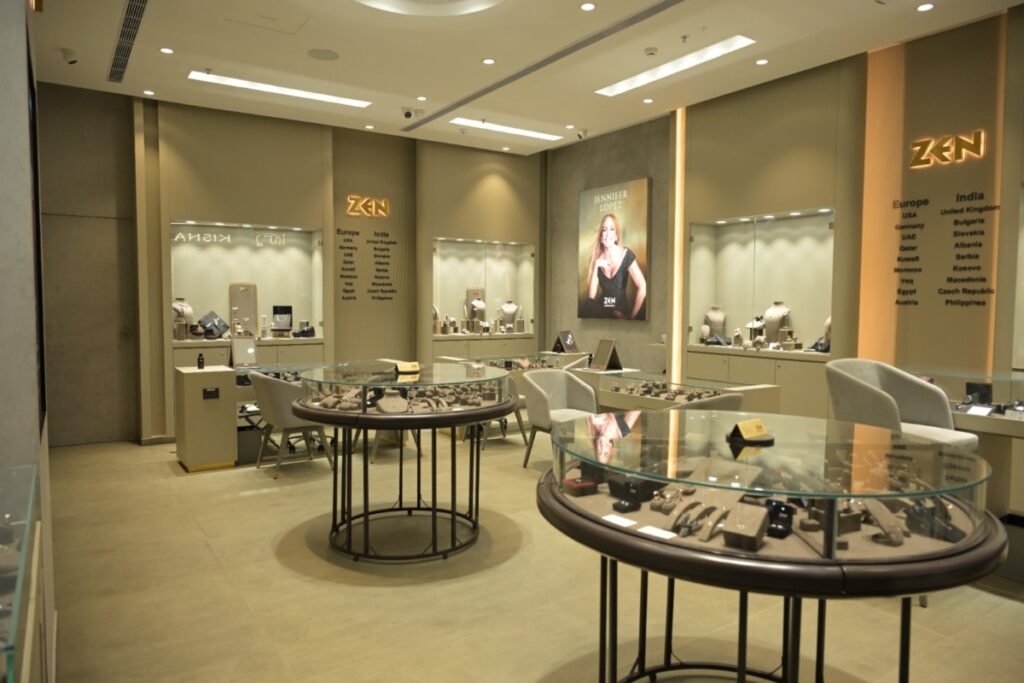
Celebrated for its mastery in crafting natural diamond jewellery of exceptional quality, Zen Diamond seamlessly blends timeless artistry with contemporary aesthetics. With a strong legacy rooted in craftsmanship and innovation, the brand caters to discerning consumers who value exclusivity, sophistication, and modern design. Guided by affordability and trust, Zen Diamond continues to resonate with consumers seeking enduring value without compromising on style.
Along with fine jewellery, the brand also offers a curated range of luxury accessories, including perfumes, ties, watches, pens, and gold coins, positioning itself as a one-stop destination for refined gifting and personal indulgence.
Speaking about the new Hyderabad store, Neil Sonawala, Managing Director, said,
“India continues to be a key growth market for us. After strong responses in Mumbai, Chandigarh, and Bengaluru, we are pleased to expand further into South India with Hyderabad. Our focus remains on delivering exceptional in-store experiences, offering customers a personalized and immersive jewellery journey that blends contemporary design with timeless artistry.”

With this launch, Zen Diamond reinforces its vision of redefining fine jewellery in India, offering a seamless fusion of global design trends and enduring sophistication. The brand is also among the few in India to offer Natural Diamond Certification, strengthening consumer confidence in the authenticity and superior quality of its jewellery.
On the auspicious occasion of Akshaya Tritiya, Zen Diamond is offering an exclusive benefit of a complimentary 1.5-gram 24Kt gold coin on every purchase of Rs. 90,000 on diamond jewellery, adding extra sparkle to the festive celebration.
Additionally, customers can avail Zero Cost, Zero Interest EMI, with just 10% upfront payment and the balance payable in easy monthly instalments, making jewellery purchases more accessible and convenient.
Zen Diamond India is also offering added value through its “Trade Your Old Gold” program, where customers receive an additional Rs. 2,400 per gram over the prevailing market value, enabling them to upgrade existing gold into new, meaningful jewellery.



Zen Diamond Strengthens Its India Presence With A New Store Launch At Lake Shore Mall, Hyderabad

India’s Gem & Jewellery Exports in FY 2025–26 at USD 27.72 Billion Signal A Structural Reset Towards Broad-Based Growth, Reducing Dependence On A Single Market

Limelight Lab Grown Diamonds To Launch 25 Stores In First Quarter To Kickstart FY26 Growth Story!

Shringar House of Mangalsutra Unveils 3,000+ Designs, Targets Emerging Markets Ahead of Akshaya Tritiya
India’s Gem & Jewellery Exports in FY 2025–26 at USD 27.72 Billion Signal A Structural Reset Towards Broad-Based Growth, Reducing Dependence On A Single Market
Limelight Lab Grown Diamonds To Launch 25 Stores In First Quarter To Kickstart FY26 Growth Story!
-
 National News23 hours ago
Shringar House of Mangalsutra Unveils 3,000+ Designs, Targets Emerging Markets Ahead of Akshaya Tritiya
-
 National News3 hours ago
India’s Gem & Jewellery Exports in FY 2025–26 at USD 27.72 Billion Signal A Structural Reset Towards Broad-Based Growth, Reducing Dependence On A Single Market
-
 New Premises4 hours ago
Limelight Lab Grown Diamonds To Launch 25 Stores In First Quarter To Kickstart FY26 Growth Story!
-
 National News2 hours ago
Zen Diamond Strengthens Its India Presence With A New Store Launch At Lake Shore Mall, Hyderabad
