DiamondBuzz
Beyond Shining Illusions video : hidden truths behind diamond mining in Sierra Leone, Lesotho, DRC


The video Beyond Shining Illusions, released by the Kimberley Process Civil Society Coalition (KP CSC), offers a powerful and eye-opening look at the often hidden truths behind large-scale diamond mining in countries such as Sierra Leone, Lesotho, and the Democratic Republic of Congo. Through real stories and interviews with local people, the video challenges the claims made by the Kimberley Process (KP) and calls attention to the ongoing issues affecting mining communities.
Since its founding in 2003, the Kimberley Process has aimed to prevent the sale of “conflict diamonds”—those used by rebel groups to fund wars against legitimate governments. According to the KP, 99% of diamonds in the market today are “conflict-free.” However, the KP CSC argues that this definition is too narrow and outdated. While it may seem that the problem is almost solved, the video reveals that many serious problems still exist, just under a different name.
In the 17-minute documentary, we hear directly from people who live near or work in diamond mines. They talk about the violence they face from security forces that protect mining operations, as well as the health risks caused by pollution from blasting and waste management. The voices of these communities are usually not included in the shiny advertisements and positive messages often associated with diamonds.
What makes this video especially important is its mission to go beyond the surface and show the full truth. The KP CSC wants to broaden the definition of “conflict diamonds” to include harm caused by governments and corporations, not just rebel groups. They also want to highlight environmental damage and human rights abuses that are still happening today.
In conclusion, Beyond Shining Illusions is a necessary reminder that the beauty of diamonds often hides a painful and complex reality. we need to look beyond marketing messages and learn the full story behind the things we value. Only then can we support real changes that help protect people and the environment in mining communities around the world.








DiamondBuzz
Richemont and Signet Jewelers Could Join Global Diamond Consortium In Bid For De Beers
Richemont, Signet Would Connect The Consortium To Key Global Growth Vectors Spanning Luxury High Jewelry and Mass-Market Retail.


The Global Diamond Consortium (GDC)
Richemont and Signet Jewelers are reported to be in talks about joining the Global Diamond Consortium (GDC), the preferred bidder for De Beers according to a Bloomberg News report.
GDC was selected in July 2026 as one of Anglo American’s preferred bidders for De Beers as part of Anglo American’s ongoing corporate restructuring.
The potential inclusion of Richemont—owner of luxury Maisons including Cartier and Van Cleef & Arpels—and Signet Jewelers—the world’s largest retailer of diamond jewelry, operating brands such as Kay Jewelers, Zales, and Jared—would connect the consortium to key global growth vectors spanning luxury high jewelry and mass-market retail.
Strengthening the Natural Diamond Ecosystem: Participation by major luxury brands and global retail leaders reinforces commitment across the entire value chain—from responsible mining and manufacturing to consumer engagement.
Balanced Governance Structure: Discussions center on potential minority equity positions that would support long-term category growth while maintaining appropriate separation between ownership and commercial strategy.
Broad Stakeholder Participation: The consortium continues to advance talks with host governments, including discussions with the Government of Botswana regarding a potential increase in its equity share in De Beers from 15% to approximately 25%, alongside participation from private investors and southern African host nations.
Discussions between GDC, Richemont, Signet, and participating government stakeholders remain ongoing. Terms of any potential participation, including the size of equity interests, have not been finalized and remain subject to regulatory approvals and definitive documentation.



Belgian Consul General H. E. Mr. Pierre Stverlynck Graces BDB Annual Day

Limelight Lab Grown Diamonds Crosses 100 Stores Milestone This Dussehra: Targets 200 In 2027

Joyalukkas Opens Its 2nd Bengaluru Showroom in Jayanagar

US Holiday Shopping Expected To Top $1 Trillion For The First Time: NRF
Belgian Consul General H. E. Mr. Pierre Stverlynck Graces BDB Annual Day
Limelight Lab Grown Diamonds Crosses 100 Stores Milestone This Dussehra: Targets 200 In 2027
-
 International News22 hours ago
US Holiday Shopping Expected To Top $1 Trillion For The First Time: NRF
-
 National News16 hours ago
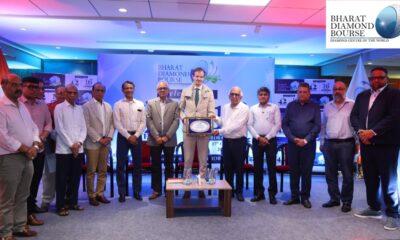
Belgian Consul General H. E. Mr. Pierre Stverlynck Graces BDB Annual Day
-
 National News17 hours ago
Limelight Lab Grown Diamonds Crosses 100 Stores Milestone This Dussehra: Targets 200 In 2027
-
 New Premises17 hours ago
Joyalukkas Opens Its 2nd Bengaluru Showroom in Jayanagar