
National News
AUGMONT KNOWLEDGE SERIES- DIWALI 2025:Top 10 reasons for the Gold bull run in 2025
By Dr. Renisha Chainani, Head- Research, Augmont – Gold for all

1. US Federal Reserve Policy
Expectations of further interest rate cuts by the Fed this year have lowered real yields, reducing the opportunity cost of holding non-yielding assets like gold. Investors increasingly view gold as a safe- haven amid a softer monetary environment.
2. Inflation and Currency Dynamics
Persistent global inflation, particularly in the US and Europe, coupled with a weakening dollar at times, has strengthened gold’s appeal as an inflation hedge. With the US Dollar Index volatile, international investors have turned to gold to preserve purchasing power.
3. Geopolitical Risks
Heightened global tensions — including Middle East conflicts and East Asia tensions — have reinforced gold’s safe-haven status. Political uncertainty drives both institutional and retail demand, fueling upward price pressure.
4. Trump Tariff Uncertainty
Trade policy unpredictability and tariff discussions from the Trump administration have disrupted markets and created concern over global trade flows. This uncertainty has encouraged investors to allocate more to gold as a hedge against potential economic slowdowns and market volatility.
5. US Government Shutdown
The October 2025 US government shutdown triggered short-term risk aversion in global markets, prompting large inflows into precious metals. Investors sought stability in gold amid liquidity and fiscal concerns.
6. Strong Investment Demand
Global inflows into gold ETFs, sovereign wealth funds, and retail accumulation in India and China have surged, sustaining momentum. Seasonal buying, particularly for Diwali and other festive periods, also supported prices.
7. Central Bank Buying
Central banks across the world, particularly in Asia and the Middle East, have significantly increased gold purchases. Strategic accumulation by central banks, including those in India, China, and Russia, signalled confidence in gold as a reserve asset, further tightening the market and providing strong support to prices.
8. Other safe-haven assets underperformance
The dollar, for many, many years, has been seen as the haven of the market because people trust the US government, and they trust dollar assets.
Welcome to 2025. The dollar – it’s the single biggest decline in six months in 50 years. Gold is at record highs. That discrepancy reflects what’s called The Debasement Trade”. It is the idea that faith and trust in the dollar is no longer what it once was, so you have investors looking at other assets. The dollar continues to face headwinds of a stretched valuation and unsustainable U.S. fiscal outlook.
People do that trade when they are losing confidence in traditional government bonds and fiat currencies. This likely reflects the challenging fiscal outlook for traditional safe haven currencies like the Japanese yen and euro, as seen in France’s budget issues and concerns about the next leader of Japan’s ruling Liberal Democratic Party. As investors question the idea of U.S. exceptionalism and U.S. policymaking, support for the dollar has weakened.
And in that situation, gold becomes quite appealing because there is no counterparty. It’s just you and your gold. It’s independent from the government’s influence as well, which is no longer something investors automatically say bout the dollar or the US Central Bank.
9. FED independence is increasingly at risk
In 2025, perceptions of Trump interfering with the Federal Reserve’s policy decisions have shaken confidence in the Fed’s independence. Markets fear that interest rates may not reflect economic fundamentals but political pressures instead. This uncertainty increases the appeal of gold as a safe-haven asset, pushing prices higher. Investors worry that a less independent Fed could lead to unpredictable monetary policy, higher
inflation, or currency volatility. Consequently, gold surged as a hedge against these risks, with both retail and institutional investors seeking protection, driving record-high prices globally and in India.
10. Technical and Momentum Factors:
The parabolic rise in early 2025 triggered trend-following inflows, amplifying the rally. Breakouts above psychological levels like $3000 and $4000 created further momentum, attracting speculators.
Silver’s extraordinary rally from $29.30 (~Rs 87300) in January 2025 to $53.76(~Rs 170,400) in October 2025 — a surge of over 75% — reflects a powerful blend of industrial demand revival, structural supply shortages, and monetary tailwinds.
Top 5 reasons for Silver’s 75% bull run in 2025
1. Industrial Demand Boom – Especially Solar and Green Energy:
Silver’s dual identity as both a precious and industrial metal was a key driver. The global green energy transition, led by record installations of solar photovoltaic (PV) capacity in China, India, and the U.S., caused unprecedented silver consumption. PV sector demand in 2025 alone exceeded 200 million ounces, according to the Silver Institute. Rising use of silver in EV components, 5G electronics, and battery technologies added further pressure on supplies.
2. Multi-Year Supply Deficit:
The global silver market entered its fifth consecutive deficit year in 2025, with supply trailing demand by an estimated 150 million ounces. Mining output from Latin America and China remained constrained due to lower ore grades and environmental restrictions, while recycling flows failed to rise meaningfully despite higher prices. This tightening physical balance led to visible inventory depletion in LBMA and COMEX vaults, triggering backwardation — a clear sign of scarcity.
3. Precious Metal Correlation and Investment Flows:
As gold soared past $4,000 amid U.S. fiscal concerns and Fed rate cuts, silver followed suit, magnifying gains due to its higher volatility and lower base price. Investor demand through ETFs and physical bars has intensified as silver tracks gold’s record rally. Supply
bottlenecks, logistics delays, and speculative buying have magnified the shortage, creating one of the tightest silver markets seen in over a decade. Investment demand through ETFs, futures, and digital silver platforms spiked, with many traders viewing silver as “gold with leverage.”
4. Inflation Hedge and De-Dollarisation Themes:
Silver has strongly benefited from both inflation hedge and de-dollarisation themes in 2025. As inflation remains sticky across major economies and real interest rates turn negative, investors have sought tangible assets like silver to preserve purchasing power. Silver’s dual nature—as both an industrial metal and a store of value—has amplified its appeal amid global currency debasement fears. Simultaneously, the de-dollarisation trend, led by central banks and emerging markets diversifying away from U.S. assets, has increased institutional allocations to precious metals, including silver. This shift has tightened global supplies and reinforced silver’s role as a strategic hedge against monetary instability.
5. Speculative and Momentum Buying:
Strong technical breakouts above $35 and $40 attracted hedge fund inflows and retail participation, reinforcing the rally. The sharp rally in gold and industrial metals triggered algorithmic and momentum-driven flows into silver futures and ETFs. Retail investors, influenced by social media narratives of a potential “silver squeeze,” also joined the rush, amplifying price moves. As volatility rose, leveraged traders sought short-term gains, further accelerating the uptrend. This self-reinforcing cycle of rising prices, inflows, and short-covering pushed silver far beyond fundamental valuations, transforming it into one of the most actively traded commodities of the year.
Should you buy Gold and Silver on Dhanteras and Diwali 2025?
As families perform Laxmi Pooja on Dhanteras and Diwali, praying for prosperity, the case for including gold in your portfolio remains compelling. Over the past two decades, gold has consistently outperformed many asset classes, delivering a 15% compounded annual return for Indian investors. Its resilience during crises—be it the global financial crunch, pandemic uncertainty, or geopolitical turmoil—makes it a compelling choice to complement equities without volatility to the portfolio.
Source: WGC, Nifty 50 TRI, Domestic Gold as on 30 Sep, 2025
So when you are thinking of investing in Gold and Silver, think of long term, say 3 years, 5 years and 10 years. As prices are elevated now, we could see short-term correction and profit booking, but in the long term, it’s definitely going to create wealth in the portfolio. As this uncertain environment continues, gold and silver will outperform other asset classes going forward.
The idea is to allocate at least 15-20% of the portfolio in Gold and Silver for a higher risk-adjusted return. If your portfolio is underallocated, increase the allocation starting this Dhanteras/Diwali.
The strategy for investing is in a staggered manner, this Dhanteras/Diwali. 1) 25% investment – at current prices – around Rs 127,000/10 gm in Gold and Rs 156,000/kg in Silver as an auspicious token on Dhanteras and Diwali 2) 25% investment when prices are corrected by 5% – Rs 121,000/10 gm in Gold and Rs 148,000/kg in Silver.
3) 25% investment when prices are corrected by 10% – Rs 115,000/10 gm in Gold and Rs 140,000/kg in Silver.
4) 25% investment when prices are corrected by 15% – Rs 108,000/10 gm in Gold and Rs 132,000/kg in Silver.
Next target for Gold is $5000 (~Rs 150,000) and Silver is $60 (Rs 200,000). If someone follows this strategy of Gold and Silver Investment through any medium – Digital Gold/Digital Silver, Gold ETF/Silver ETF or physical bar/coin, it will lead to at least 20- 30% return Diwali 2026. You never know, if this bull run continues, prices might double in the next 5 years too.




- Event marks 42 years of Incorporation and 16 years of Operations
- Recently-appointed Consul-General’s first visit to the Bourse helps strengthen a century-old bond
- Long service awards presented to outstanding employees
Bharat Diamond Bourse today marked 42 years of incorporation and 16 years since the commencement of operations at the BDB Complex in BKC with a special programme graced by H. E. Pierre Stverlynck – Consul General of Belgium in Mumbai as Chief Guest and a number of leading diamantaires.




The function was organised to celebrate the crucial roles played both by the visionaries who conceptualised the need for a centralised infrastructure to boost the diamond trade over four decades ago, and the employees who have run the daily operations in a highly efficient and professional manner.
In his Welcome Address, BDB Vice President, Mehul Shah explained the significance of celebrating twin milestones – 42 years of incorporation and 16 years of operations. He said:
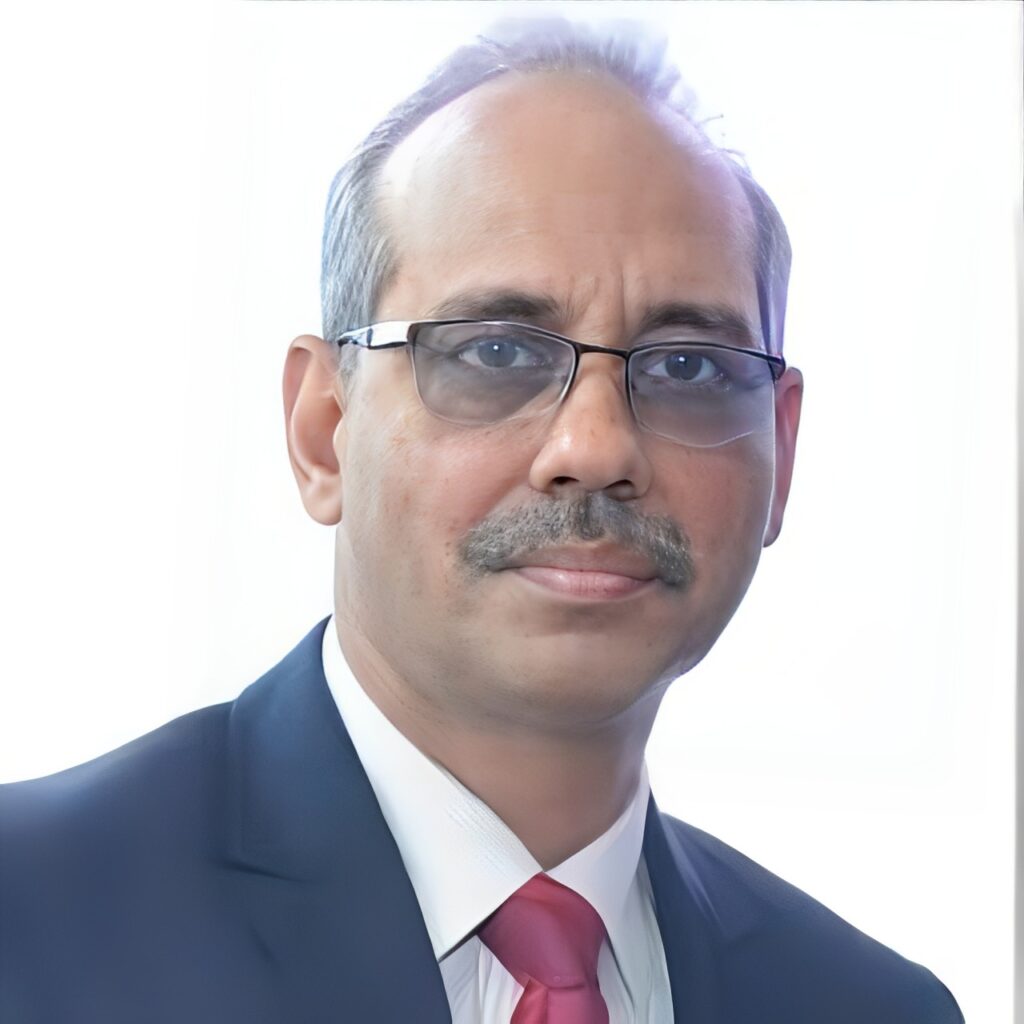
“BDB began with a vision and is now the world’s largest operational bourse, and a symbol of India’s leadership in the diamond world and excellence in every aspect of operations.”
He added, “It is significant that the Consul General of Belgium is with us on this special occasion. Antwerp and Mumbai have a very close relationship, going back more than 100 years. Today the two cities have bonds based on trust, trade and friendship. We are committed to strengthening this bond over the next century as well.”
Congratulating the awardees he said that members may be the owners, but it is the staff who run the complex and have helped build it as the “best of the best” centres for diamonds. “Personal integrity combined with hi-tech surveillance have made BDB one of the safest places in the world,” he explained, and urged all present never to forget that “it is the soldiers who fight and win the wars.” Mr Shah offered compliments to all the awardees and congratulated Team BDB.
Speaking on the occasion, Anoop Mehta, President BDB, welcomed Mr Stverlynck who has recently assumed charge as Consul General of Belgium in Mumbai.
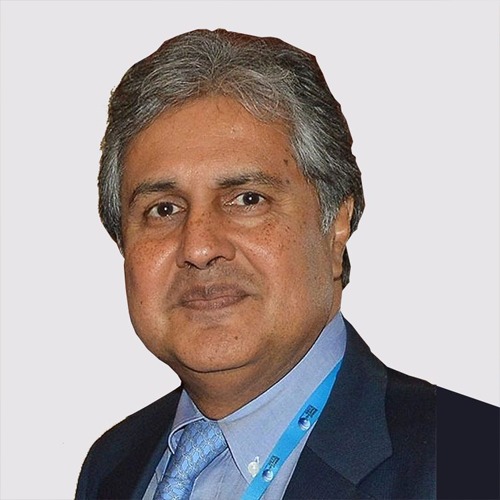
“We are sure that this will be the first of many visits to our Bourse,” he said, noting that the Consulate is the nearest neighbour of the complex.
“The BDB leadership has always enjoyed a very special relationship with the Belgian consulate,” he added, “built on the longstanding bonds between the diamond industry in our two countries.”
Mr Mehta said it was heartening that so many employees had remained loyal to the BDB for multiple years, and urged all gathered to reach out through their department heads to put forward suggestions for further changes and improvements
Mr Stverlynck, who was on his first visit to the Bourse after assuming charge as Consul General, said he was extremely impressed with the facilities available for exporters within the complex. Assuring the trade of cooperation and support, he said he was happy to be personally present to celebrate such a remarkable institution as BDB that has become a key pillar of the India diamond industry.
Congratulating the leadership for its role in steering the bourse, as well as those employees who had received long service awards, Mr. Stverlynck said:

“The consolidated knowledge and experience of so many from those at the top to a number of others who contributed in various ways, is an asset to the industry.”
Special long service awards were presented to employees who completed special milestones during the year. These included 30-year, 25-, 15-, 10- and 5-year service awards to a few employees.



Belgian Consul General H. E. Mr. Pierre Stverlynck Graces BDB Annual Day

Limelight Lab Grown Diamonds Crosses 100 Stores Milestone This Dussehra: Targets 200 In 2027

Joyalukkas Opens Its 2nd Bengaluru Showroom in Jayanagar

US Holiday Shopping Expected To Top $1 Trillion For The First Time: NRF
Belgian Consul General H. E. Mr. Pierre Stverlynck Graces BDB Annual Day
Limelight Lab Grown Diamonds Crosses 100 Stores Milestone This Dussehra: Targets 200 In 2027
-
 International News21 hours ago
US Holiday Shopping Expected To Top $1 Trillion For The First Time: NRF
-
 National News15 hours ago
Belgian Consul General H. E. Mr. Pierre Stverlynck Graces BDB Annual Day
-
 National News16 hours ago
Limelight Lab Grown Diamonds Crosses 100 Stores Milestone This Dussehra: Targets 200 In 2027
-
 New Premises16 hours ago
Joyalukkas Opens Its 2nd Bengaluru Showroom in Jayanagar
