JB Insights
Abaran’s Success Mantra:Preserve The Trust, Transparency, Craftsmanship and Stay Relevant!

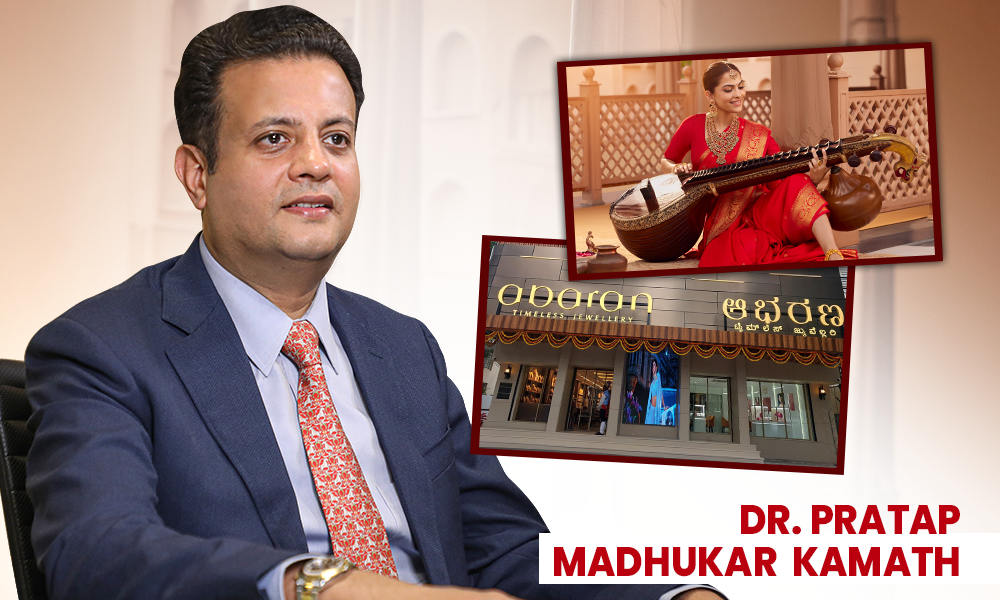
Few brands embody the balance between legacy and evolution as strongly as Abaran Jewellers, whose family journey in jewellery dates back to 1935 in Udupi. Over the decades, the brand has established a strong presence in Bengaluru while staying rooted in the values of trust, purity, transparency and craftsmanship.
In an exclusive conversation with JewelBuzz, Dr. Pratap Madhukar Kamath, Managing Director, Abaran, reflects on the brand’s multi-generational legacy, the changing Indian jewellery consumer, evolving notions of value, the future of jewellery retail and Abaran’s plans for its next phase of growth. He also shares his perspective on the evolving roles of gold and diamonds, the importance of design and the brand’s upcoming expansion into Udupi—the place where its jewellery journey began more than nine decades ago.
Abaran Jewellers has built a strong legacy across generations. What are the values from the brand’s heritage that remain non-negotiable, and where do you believe there is room to reinvent?
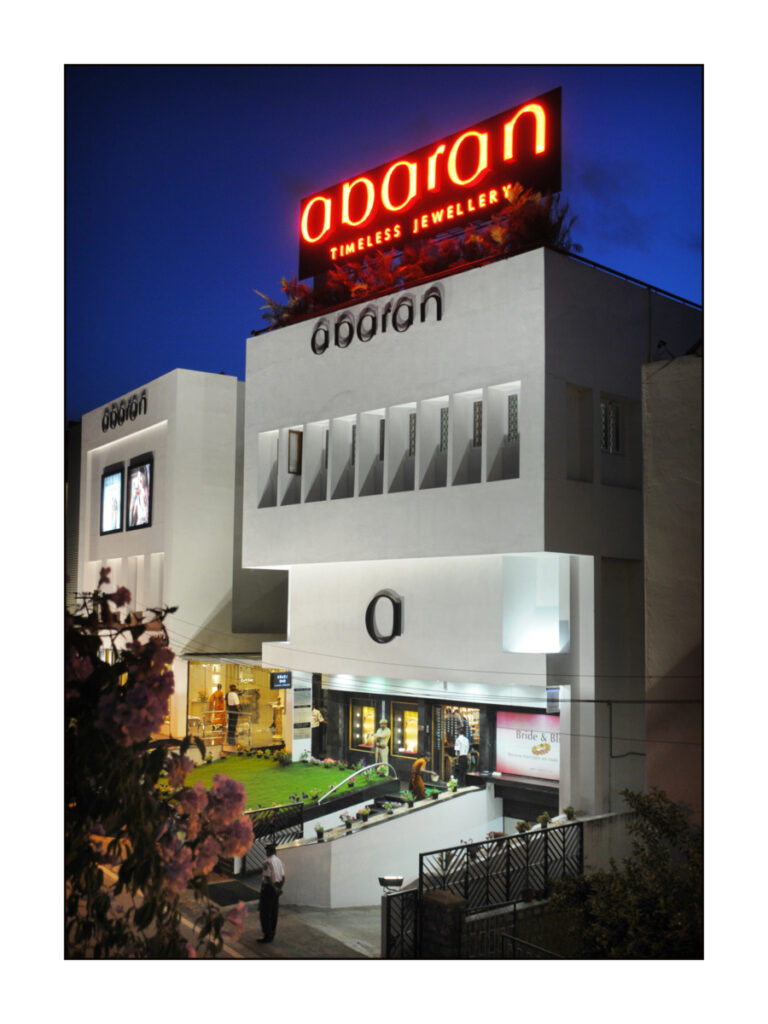
For us, heritage is not merely about how long we have been in business; it is about the trust we have earned across generations.
Our family’s journey in jewellery began in 1935 in Udupi, when my grandfather, Burde Sadanand Kamath, started the business. My father, Madhukar S. Kamath, carried that legacy forward to Bengaluru, establishing our presence here in 1983. Today, as the next generation takes the business forward, certain values remain absolutely non-negotiable: trust, purity, transparency, craftsmanship and long-term relationships with our customers.
What can—and must—constantly evolve is the way we express these values. Design, retail environments, technology, digital engagement and customer expectations are changing rapidly. Our challenge is therefore not to reinvent our values, but to continually reinvent the way we deliver them.
I believe the strongest legacy brands are those that remain firmly rooted in their identity while having the confidence to evolve with every generation.
The Indian jewellery customer is changing rapidly. Beyond traditional bridal purchases, what new occasions, categories and design preferences are driving demand today?
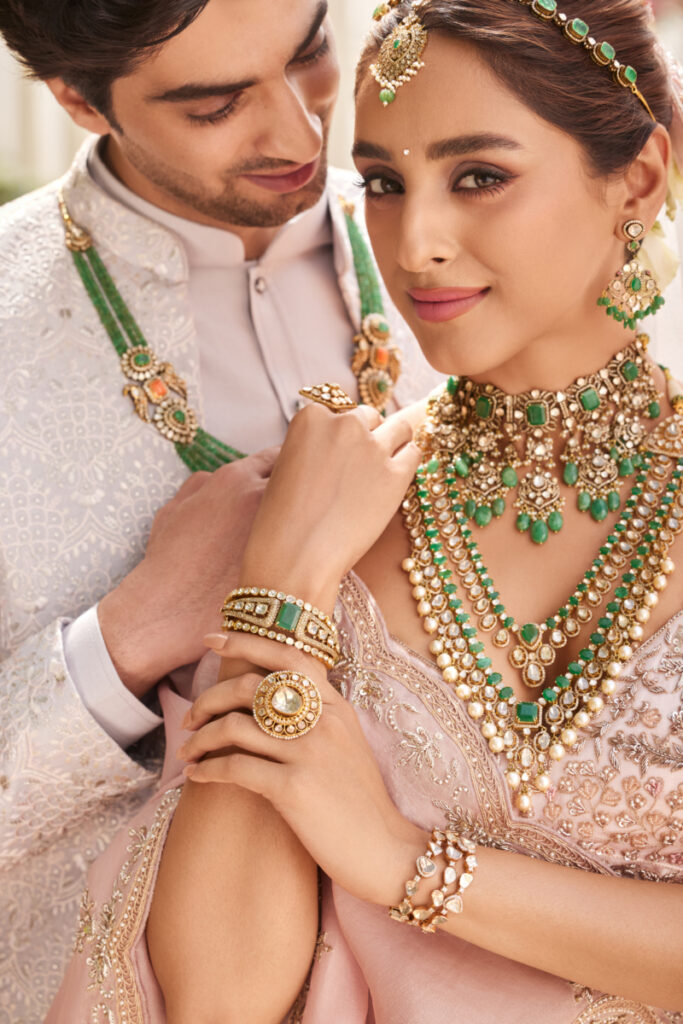
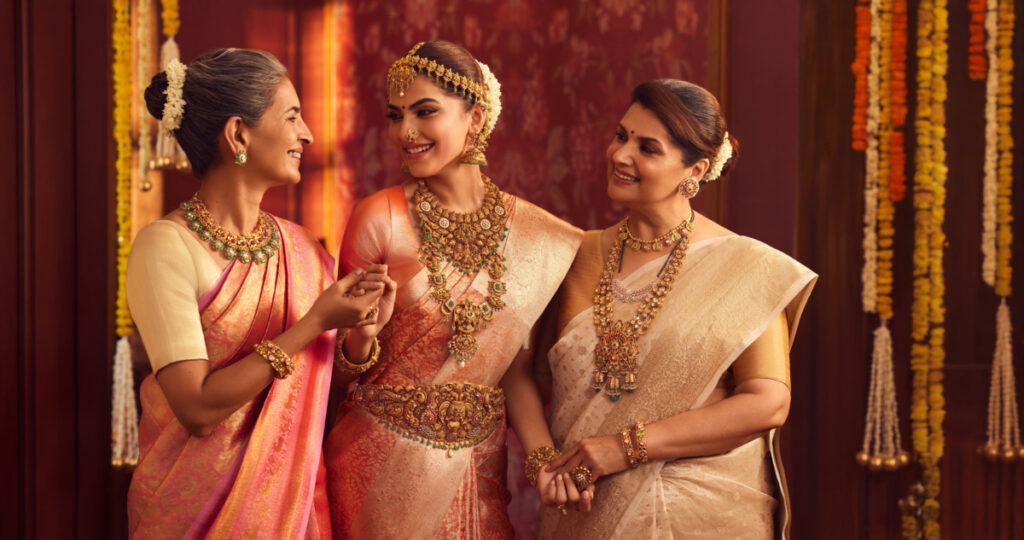
Jewellery in India is increasingly moving beyond being purely occasion-led. Bridal and wedding jewellery will always remain an important part of our business, but we are seeing strong demand from customers purchasing jewellery for self-expression, personal milestones, gifting, celebrations and everyday wear.
There is also a noticeable shift towards lighter, more versatile jewellery that can transition from work to social occasions. Younger customers in particular are comfortable mixing traditional craftsmanship with contemporary styling.
Diamond jewellery, lightweight gold, platinum and distinctive design-led pieces are becoming increasingly relevant. At the same time, traditional Indian jewellery remains extremely strong—it is simply being interpreted in newer and more wearable ways.
The biggest change, in my view, is that jewellery is becoming more personal. Customers increasingly want pieces that reflect who they are, rather than simply what an occasion requires them to wear.
With gold prices reaching unprecedented levels, has the meaning of “value” changed for today’s jewellery consumer? How are customers balancing aspiration, affordability and investment when making a purchase?
High gold prices have certainly made customers more thoughtful, but they have not diminished the emotional importance of gold in India.
The definition of value is becoming broader. Customers today consider not only the intrinsic value of gold, but also design, craftsmanship, wearability, transparency and the credibility of the jeweller.
We are seeing customers adjust purchase weights and budgets rather than necessarily abandoning a purchase. A customer may choose a lighter piece or a more versatile design while continuing to prioritise quality.
Gold also continues to occupy a unique position in India because it combines adornment, tradition and wealth preservation. Very few products carry all three attributes simultaneously.
For a trusted jeweller, therefore, periods of higher gold prices reinforce the importance of transparency and helping customers make informed choices rather than simply selling them a product.
How is the role of the jewellery store itself evolving? What are you doing to make the Abaran experience more personalised and relevant across physical stores and digital touchpoints?
Despite the growth of digital channels, I believe the physical jewellery store will remain extremely important in India. Jewellery is tactile, emotional and deeply personal. Customers want to see it, feel it, try it on and, most importantly, purchase it from someone they trust.
What is changing is the role of the store. It can no longer be merely a place where jewellery is displayed. It must become an environment built around discovery, consultation, comfort and personalised service.
At Abaran, we are working towards integrating the strength of our physical stores with digital communication and customer engagement. Technology should make the relationship more seamless, but it should never replace the human connection.
Ultimately, whether a customer interacts with Abaran in a showroom, through social media or digitally, the experience should feel consistent—warm, knowledgeable, transparent and personal.
Design is increasingly becoming a key differentiator for jewellery brands. What is influencing Abaran’s design philosophy today, and how do you strike the right balance between timelessness and contemporary expression?
Our design philosophy begins with the belief that fine jewellery should remain relevant well beyond the season in which it was purchased.
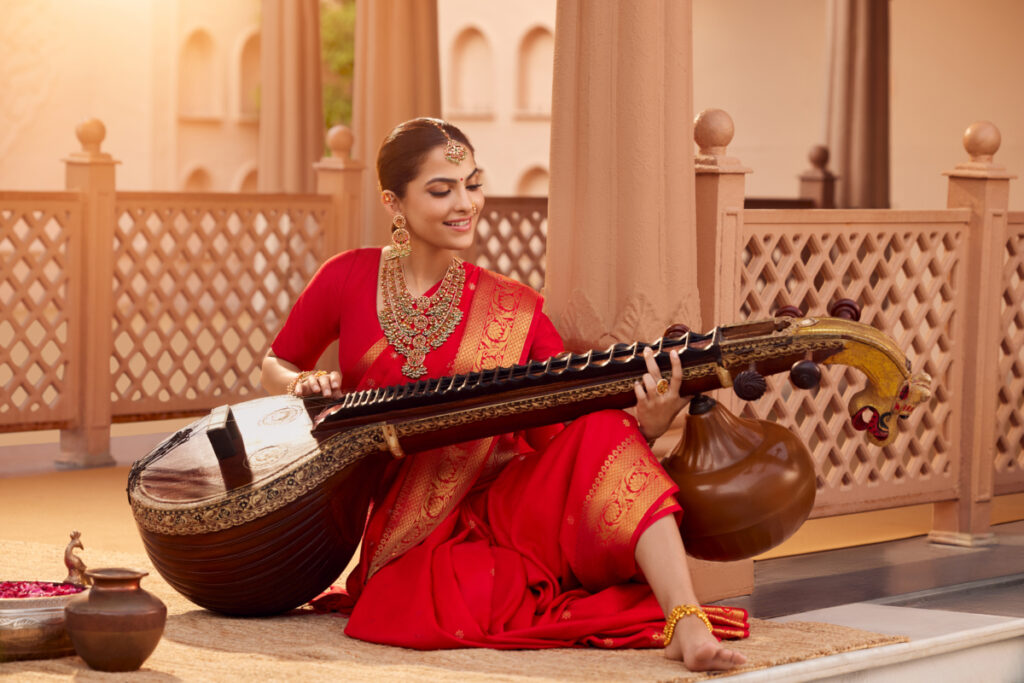
India provides an extraordinary vocabulary of craftsmanship, architecture, textiles, nature and cultural traditions from which to draw inspiration. At Abaran, we enjoy interpreting these influences through a contemporary lens rather than simply reproducing the past.
The balance between timelessness and contemporary expression is very important. We want a piece to feel relevant to today’s customer while retaining enough character and craftsmanship to be treasured many years from now.
For us, good design should not be driven solely by trends. It should have identity, emotion and longevity. That is where we believe the distinction between fashion and fine jewellery ultimately lies.
Gold and diamonds continue to occupy a special place in the Indian consumer’s mind, but their roles are evolving. How do you see the demand for these two categories developing, and where does Abaran see its biggest opportunity in the years ahead?
Gold and diamonds fulfil somewhat different aspirations, and I believe both have considerable room to grow.
Gold remains deeply embedded in Indian culture. It represents celebration, security, tradition and intergenerational wealth. Even as prices rise, these fundamentals remain intact. Customers may adapt the weight or format of their purchases, but their relationship with gold remains exceptionally strong.
Diamonds, meanwhile, offer a tremendous opportunity because they increasingly represent individuality, lifestyle and self-purchase, particularly among younger customers and women purchasing jewellery for themselves. Contemporary diamond jewellery can also be worn much more frequently than traditional occasion-led jewellery.
For Abaran, the opportunity is not to choose between gold and diamonds but to understand how the customer’s relationship with each is evolving.
I believe the future belongs to jewellers who can combine the trust and intrinsic value traditionally associated with jewellery with outstanding design, craftsmanship and a modern retail experience. That is the space in which we want Abaran to grow.
As Abaran looks to the next phase of its journey, which opportunities excite you most—new markets, new customer segments, new categories, or perhaps entirely new ways of engaging with consumers?
The next phase is particularly exciting for us because it represents both growth and a return to our roots.
We have built a strong presence in Bengaluru over several decades, and we are now preparing for our expansion into Udupi, the region where our family’s jewellery journey began in 1935. For me personally, that makes the expansion much more than the opening of another showroom—it completes a circle that began more than nine decades ago.
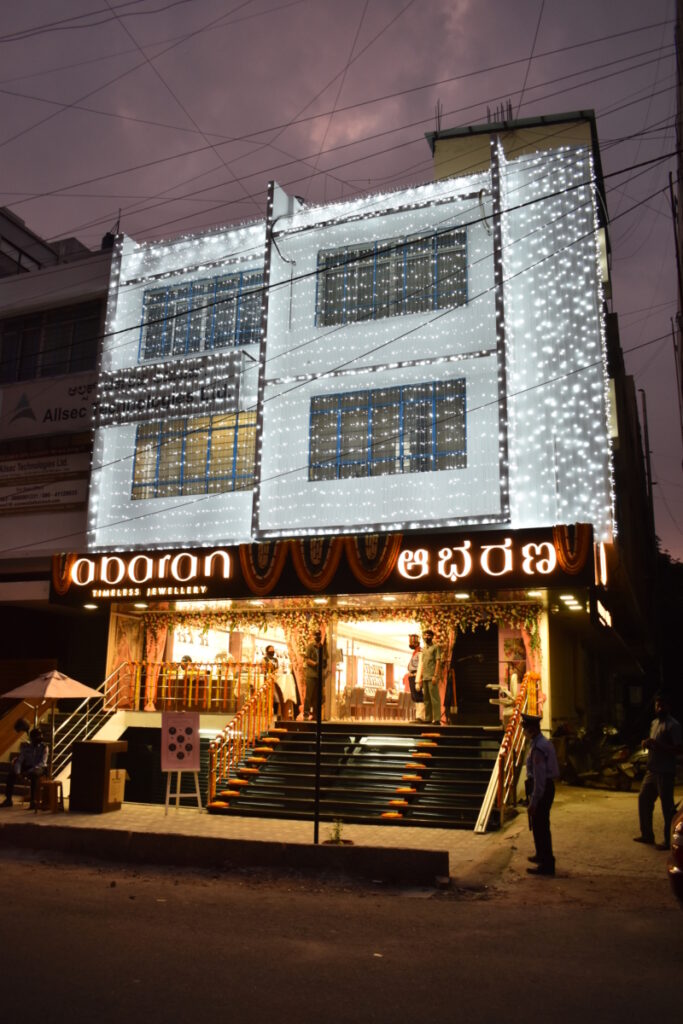
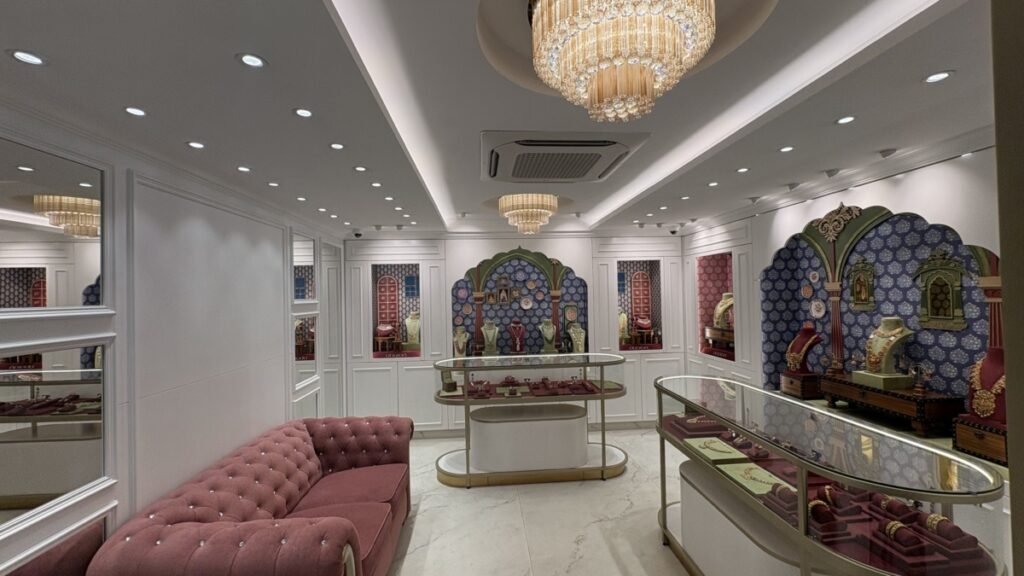
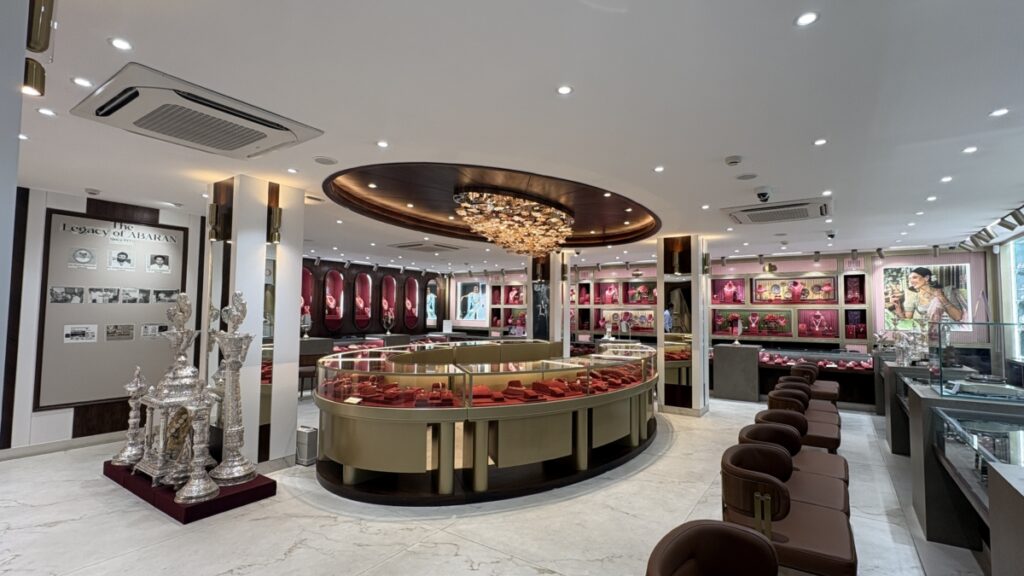
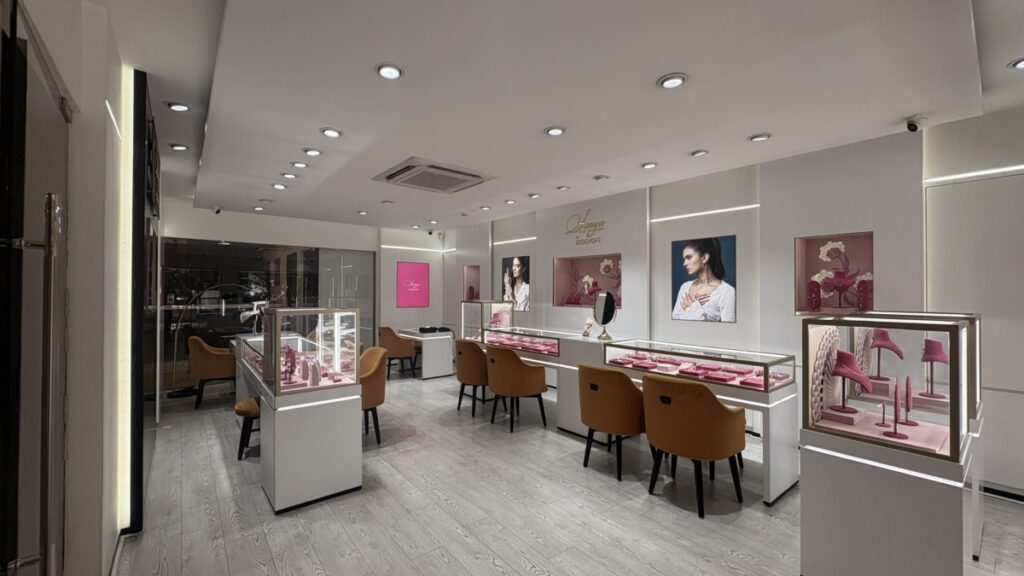
At the same time, we see significant opportunity in reaching younger customers, strengthening design-led jewellery, expanding our digital engagement and building deeper relationships with existing families.
Our ambition is to grow Abaran substantially over the coming years, but we want that growth to be disciplined. Scale should never come at the expense of trust, service or identity.
The opportunity that excites me most is therefore not simply having more stores; it is introducing Abaran to a much wider audience while preserving the qualities that brought us this far.
What is the roadmap for the future?
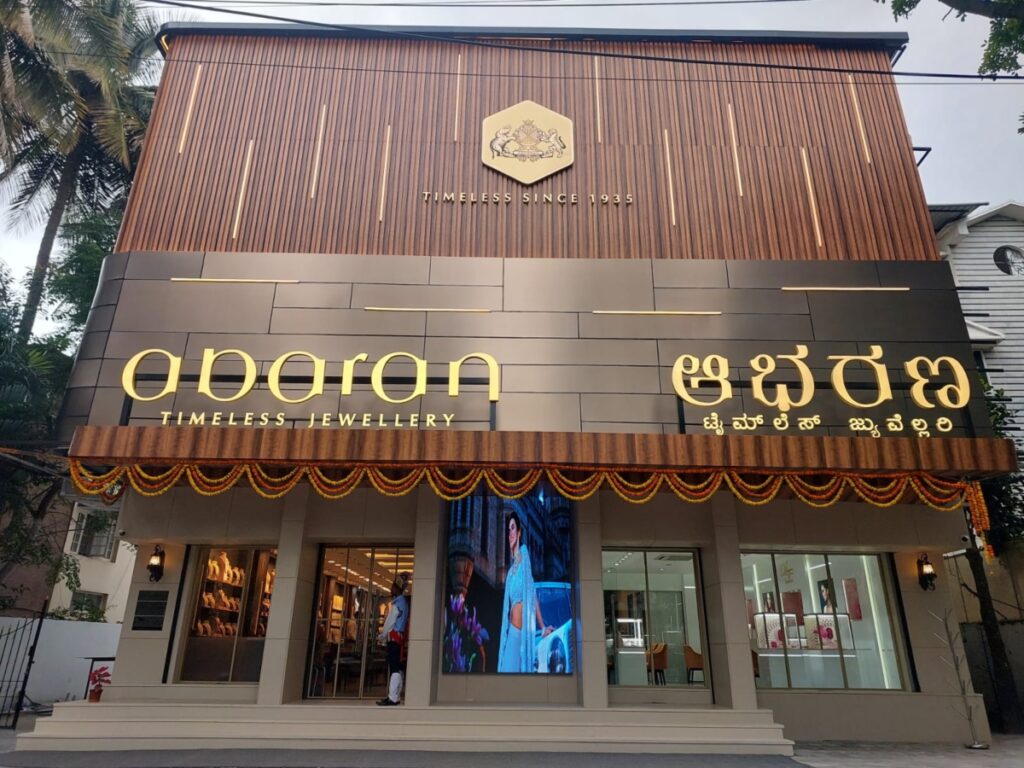
For Abaran Jewels, the future is not about choosing between heritage and modernity—it is about making the two work together. The brand’s core values of trust, purity, transparency and craftsmanship remain unchanged, even as consumer expectations, technology, design and retail experiences evolve.
The planned expansion into Udupi, where the family’s jewellery journey began in 1935, gives this next chapter an added sense of continuity. At the same time, Abaran is looking towards younger consumers, design-led jewellery, digital engagement and evolving self-purchase trends to drive its future growth.
In a market where consumers are becoming increasingly conscious of value, experience and authenticity, Abaran’s approach is clear: preserve the trust that has been built over generations while continuously reinventing how that trust is experienced by the next generation of jewellery consumers.And, stay relevant!


JB Insights
Jewellery retailers’ Backward Integration Into Jewellery Manufacturing Strategy To Secure Design, Quality, Cost and Delivery Control.
By Steve Fernandes
Indian jewellery retailers are moving into manufacturing to secure design, quality, cost and delivery control. PNG Jewellers’ proposed diamond-and-gold manufacturing subsidiary is the latest example.
1. Why Retailers Integrate Backward
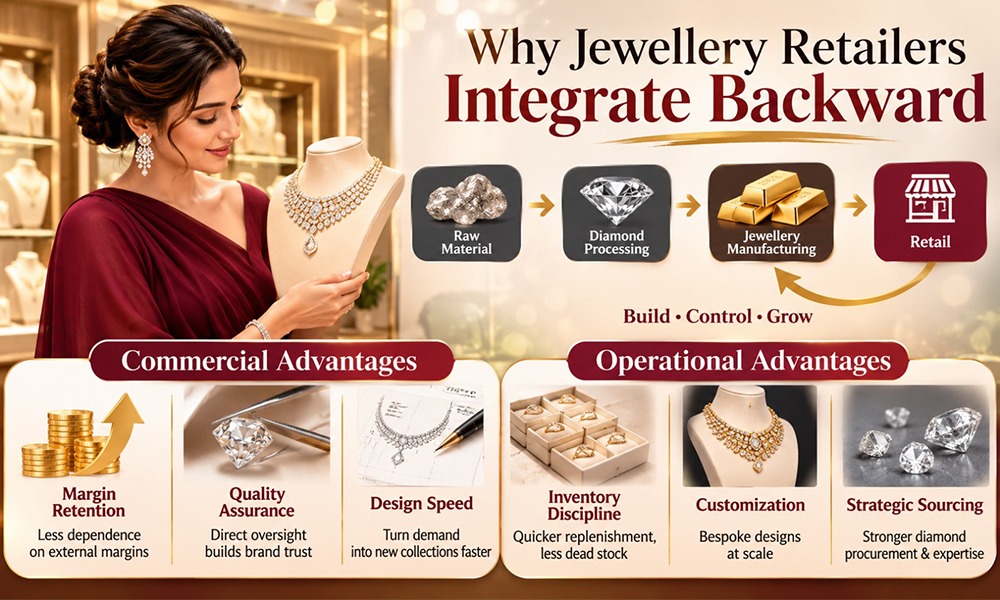
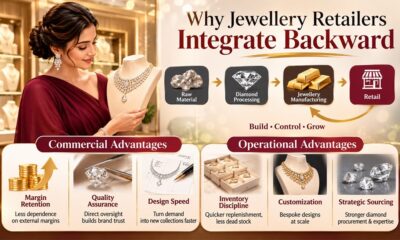
Backward integration means a retailer builds or acquires capability earlier in its value chain, here jewellery manufacturing, rather than relying solely on third-party suppliers. The commercial logic rests on margin capture, differentiation and supply-chain resilience.
1.1 Commercial Advantages
- Margin retention: Less dependence on external conversion margins; better control of product cost.
- Quality assurance: Direct oversight of diamond setting, gold purity, finishing and hallmarking protects brand trust.
- Design speed: Store-level demand signals convert into new collections faster than vendor production calendars allow.
1.2 Operational Advantages
- Inventory discipline: Quicker replenishment of fast sellers; less dead stock in slow-moving SKUs.
- Customization: A captive base supports bespoke, bridal, regional and occasion-led jewellery at scale.
- Strategic sourcing: Stronger diamond procurement, grading and polishing expertise, covering both natural and lab-grown stones.
2. PNG Jewellers: The Move
2.1 Deal Structure
- Structure: Proposed 76%-owned subsidiary for diamond and gold jewellery manufacturing; initial investment of up to Rs 10 crore.
- Partners: Operational partners bring 27 years of technical experience, including cutting and polishing.
- Control with incentive: PNG keeps majority ownership and strategic direction, while the minority stake aligns partners with quality and execution.
2.2 Strategic Fit
- Not a standing start: PNG already has retail reach, a design portfolio and diamond-procurement capability.
- Northern push: Studded jewellery holds a higher market share in several northern states, so assured design range supports expansion there.
- Phased rollout: Validates asset acquisition, production quality, design acceptance and working capital before scaling.
3. How the Majors Compare
PNG’s announcement fits a broader pattern: vertically integrated players combine retail distribution with manufacturing, design and sourcing to create a more controllable value chain.
3.1 Integration Models at a Glance
| Retailer | Model | Highlights |
| Titan / Tanishq | Mature, integrated | Factories at Hosur and Pantnagar; stone-sourcing in Surat and Jaipur; product-development centre in Mumbai; mix of in-house plants, karigar centres and vendors. |
| Malabar Gold & Diamonds | Fully vertical | 15 manufacturing units across five countries and 14 wholesale units in eight. Hyderabad facility integrates design, refining, manufacturing, QA, hallmarking and warehousing; capacity above 4.7 tonnes of gold jewellery and 1.8 lakh carats of diamond jewellery. |
| Kalyan Jewellers | Hybrid | Consolidated manufacturing plus long-term contract manufacturers, supporting a franchise-led retail network. |
| Senco Gold | Regional | Senco Gold Artisanship Pvt. Ltd. preserves Eastern India design identity and supply reliability. |
| PNG Jewellers | Capital-light entry | Majority control with experienced partners; sits between Titan’s integration and Kalyan’s hybrid approach. |
3.2 Key Lesson
Integration need not mean owning everything. Retailers can balance control and flexibility:
- Captive capacity for high-value, design-sensitive, fast-turning products.
- Third-party vendors for overflow, seasonality and lower-complexity lines.
4. Success Factors for PNG
4.1 Execution Priorities
- Start with studded jewellery, where design and quality control matter most.
- Use capacity selectively, retaining external vendors for overflow and regional specialities.
- Build strong governance around diamond procurement, transfer pricing, capacity allocation and quality standards.
4.2 Scaling Discipline
- Prove unit economics before scaling: yield, rejection rates, labour productivity, inventory turns, delivery reliability.
- Link production to retail data, so store-level and regional demand drives designs, not factory capacity.
5. Bottom Line
KEY TAKEAWAY Controlling more of the value chain improves responsiveness and margin capture, but only when manufacturing is tightly tied to merchandising, quality systems and working-capital discipline.


Jewellery retailers’ Backward Integration Into Jewellery Manufacturing Strategy To Secure Design, Quality, Cost and Delivery Control.

IAGES, SPJIMR Commence Inaugural Cohort Of Advanced Leadership Programme In Gold Entrepreneurship In Mumbai

PNG Jewellers To Incorporate New Subsidiary, Strengthening Its Supply Chain and Entering Diamond Jewellery Manufacturing

Redefining Fine Jewellery: How Technological Innovation, Haute Couture Synergy, and Avant-Garde Palettes Are Shaping The Festive & Wedding Season
IAGES, SPJIMR Commence Inaugural Cohort Of Advanced Leadership Programme In Gold Entrepreneurship In Mumbai
Jewellery retailers’ Backward Integration Into Jewellery Manufacturing Strategy To Secure Design, Quality, Cost and Delivery Control.
-
 JB Insights10 hours ago
Redefining Fine Jewellery: How Technological Innovation, Haute Couture Synergy, and Avant-Garde Palettes Are Shaping The Festive & Wedding Season
-
 National News6 hours ago
IAGES, SPJIMR Commence Inaugural Cohort Of Advanced Leadership Programme In Gold Entrepreneurship In Mumbai
-
 JB Insights5 hours ago
Jewellery retailers’ Backward Integration Into Jewellery Manufacturing Strategy To Secure Design, Quality, Cost and Delivery Control.
-
 National News9 hours ago
PNG Jewellers To Incorporate New Subsidiary, Strengthening Its Supply Chain and Entering Diamond Jewellery Manufacturing