National News
57th GST Council Recommends Faster Refunds, Lower Penalties and Simpler Compliance
For The Gem and Jewellery Industry, Which Manages Substantial Inventory Values and Working Capital Requirements, The Proposed Reforms Could Improve Cash Flow and Reduce The Time and Resources Businesses Spend On Tax Compliance

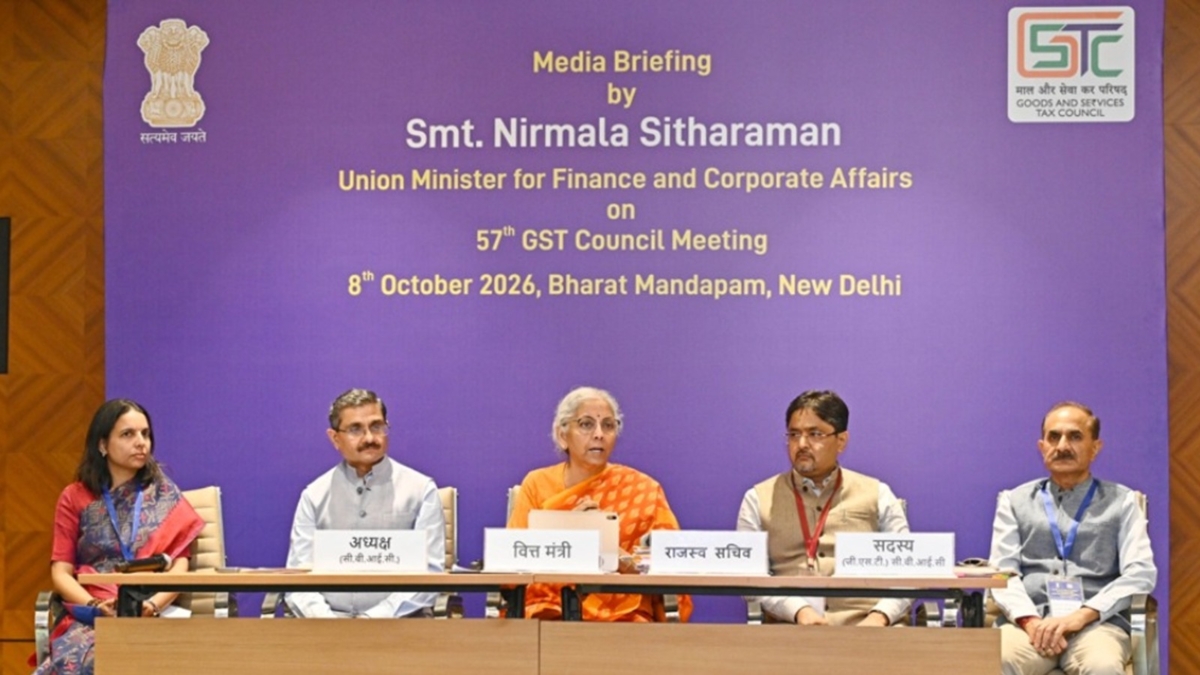
The 57th GST Council meeting has recommended a series of measures to simplify tax administration, accelerate refunds and reduce compliance costs, with potential benefits for India’s gem and jewellery manufacturers, exporters, wholesalers and retailers.
The recommendations, announced on 8 October under the chairpersonship of Hon’ble Union Finance Minister Smt Nirmala Sitharaman, cover registration, tax returns, input tax credit (ITC), refunds and dispute resolution. Hon’ble Prime Minister Shri Narendra Modi welcomed the proposals, highlighting their focus on faster decisions, lower compliance costs, automated refunds and trust-based administration.
For the gem and jewellery industry, which manages substantial inventory values and working capital requirements, the proposed reforms could improve cash flow and reduce the time and resources businesses spend on tax compliance.
Kirit Bhansali, Chairman, GJEPC said:

“The GST Council’s recommendations are a positive step towards simplifying compliance and improving the ease of doing business. Faster refunds, greater clarity in tax procedures and reduced compliance costs can help India’s gem and jewellery exporters manage working capital more efficiently and strengthen their competitiveness in global markets.”
A key recommendation is the introduction of system-based processing of eligible GST refunds. Under the proposed first phase, 90% of eligible refund claims relating to zero-rated supplies and inverted duty structures would be sanctioned provisionally through automated, risk-based processing, without officer intervention. The proposed timeline for issuing an acknowledgement or deficiency memo would also be reduced from 15 days to 10 days.
The Council has also recommended allowing refunds of accumulated ITC on capital goods for zero-rated supplies and on input services and capital goods for inverted duty structures, subject to specified conditions and timelines. These changes could help eligible exporters unlock funds tied up in the tax system and manage expenditure on precious metals, gemstones, manufacturing and export operations more efficiently.
The recommendations also address GST treatment for certain transactions involving overseas buyers, Special Economic Zones (SEZs) and Free Trade Warehousing Zones (FTWZs). Greater clarity on qualifying transactions could benefit businesses using these facilities for warehousing, processing and export-related activities.
On enforcement, the Council has recommended removing arrest provisions under GST, raising the prosecution threshold from Rs 1 crore to Rs 5 crore and reducing the maximum general penalty under Section 125 of the CGST Act from Rs 25,000 to Rs 10,000. It has also proposed an upper limit of Rs 40 crore on pre-deposits for certain appeals involving only penalties and no tax demand. These measures aim to reduce the financial and procedural burden on taxpayers while retaining provisions to address fraud and evasion.
Smaller businesses could also benefit from proposed improvements to GST registration, return filing and ITC reconciliation. The Council has recommended measures to reduce mismatches between tax returns and credit claims, potentially lowering the number of system-generated notices. It has also approved in principle an optional quarterly payment scheme for businesses with turnover of up to Rs 5 crore that deal exclusively in business-to-consumer supplies.
For India’s gem and jewellery MSMEs, including smaller manufacturers and retailers, simpler registration and return procedures could reduce the administrative burden of running a business and allow greater focus on production, sales and market expansion. The recommendations form part of the government’s wider effort to simplify GST administration.




National News
Antistatus and Vandals: Jewellery For The Rebellious and The Defiant
These Brands Are Chasing A Consumer Who Has Grown Allergic To Templates.They Do Not Want Jewellery Merely To Signal Wealth, Marital Status Or Social Approval; They Want It To Signal Taste, Nerve and A Point Of View.

Status? Overrated. Rebellion? Wearable

Antistatus and Vandals are turning jewellery from a badge of conformity into a weapon of self-definition. One is a newly launched statement-silver label with a “Defy the Norm” manifesto; the other is a Mumbai-based avant-garde brand that treats every piece like graffiti. Together, they signal a shift: rebellion is no longer just a mood board—it is the product.
Antistatus: Status, Rewritten
Launched by former VIDA executives Manav Sethi and Pallavi Singh, Antistatus is a statement silver jewellery and lifestyle brand built around a deceptively simple idea: status is not assigned by society; it is defined by you.
The collection leans into biker culture, gothic aesthetics, music and street culture—think handcrafted statement rings, pendants, necklaces, bracelets and belt buckles with enough edge to make a boardroom feel like a back alley. The brand begins with men’s-focused, gender-neutral jewellery, then plans to expand into eyewear, bags and accessories.
Its pitch is not “look expensive.” It is “look like yourself.” Antistatus wants to build a community of people whose identity is theirs to define, not something society hands them with a dress code attached.
Vandals: Luxury with Spray Paint on Its Fingers

Vandals, founded by Vandana M. Jagwani, has been operating from a similarly unruly corner of Indian jewellery. The Mumbai label draws from street art, using jewellery as a way to question the status quo and leave a personal mark.
Its manifesto is explicit: artistic rebellion meets craftsmanship, and luxury is reimagined for “daring souls who defy the norm.” The brand blurs art and jewellery, positioning its audacious designs and sustainable practices as an alternative to safe, predictable luxury.
Where conventional fine jewellery often whispers heritage, Vandals prefers to shout individuality. Every piece is framed as a personal story—less “heirloom in a velvet box,” more “artwork that refuses to behave.”
The New Consumer: Anti-Template, Pro-Story
These brands are chasing a consumer who has grown allergic to templates. They do not want jewellery merely to signal wealth, marital status or social approval; they want it to signal taste, nerve and a point of view.
| Brand | Core attitude | Design language | Consumer promise |
| Antistatus | Defy the norm | Biker, gothic, music and street-inspired handcrafted silver | Define your own status |
| Vandals | Rebellion against the ordinary | Street-art-inspired, avant-garde, sustainable luxury | Leave your own mark |
Both are selling permission. Permission to wear silver that looks dangerous. Permission to reject the idea that polish equals propriety. Permission to make luxury feel personal rather than prescribed.
Why This Matters for Indian Jewellery
India’s jewellery market has long been dominated by occasion-led buying—weddings, festivals, gifting and investment. Antistatus and Vandals are carving out a different lane: everyday identity jewellery, where the purchase is emotional, stylistic and cultural rather than ceremonial.
Antistatus’s ambition to become an India-origin premium lifestyle brand with global reach suggests that rebellion is being treated as an exportable design language, not a passing trend. Vandals already demonstrates that Indian consumers will respond when jewellery carries ideology as well as sparkle.
The Verdict
Antistatus and Vandals are proof that the most compelling jewellery today is not necessarily the quietest. It is the kind that starts a conversation, breaks a rule and makes conformity look like the boring option.
In their hands, a ring is not just an accessory. It is a small, shining refusal.From statement silver with a streetwise edge to avant-garde pieces with graffiti in their soul, this is jewellery for the beautifully defiant.
Antistatus and Vandals are proving that the boldest jewellery isn’t made to blend in—it’s made to break rules, start conversations and define you on your own terms.
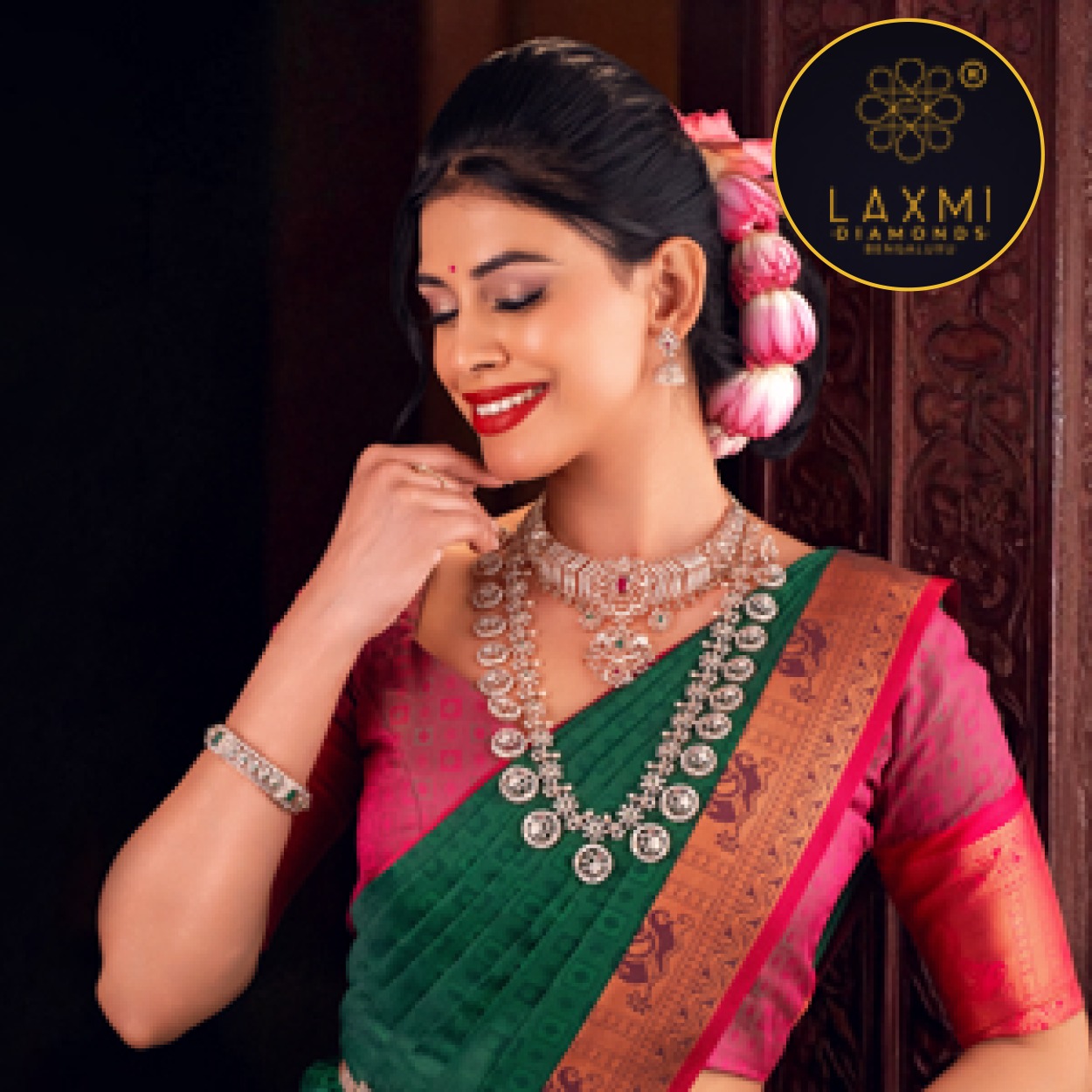


Antistatus and Vandals: Jewellery For The Rebellious and The Defiant

Kushals Fashion Jewellery Celebrates The Festival Of Lights With New Diwali Collection

Keemti Jewels Continues Retail Expansion In Chhattisgarh With New Store Launch In Bhilai

Dhanteras Shopping Guide 2026:Gold, Silver, Diamonds & Festive Jewellery Trends To Watch

From Diya Puja To Diwali Soirées: Jewellery Designed To Go Beyond The Festive Season

The Solenne Collection: A Celebration Of Diwali By Bharti Bangur Fine Jewels
-
 JB Insights1 week ago
Dhanteras Shopping Guide 2026:Gold, Silver, Diamonds & Festive Jewellery Trends To Watch
-
 BrandBuzz1 week ago
From Diya Puja To Diwali Soirées: Jewellery Designed To Go Beyond The Festive Season
-
 BrandBuzz1 week ago
The Solenne Collection: A Celebration Of Diwali By Bharti Bangur Fine Jewels
-
 National News1 week ago
Indriya, Aditya Birla Jewellery Unveiled India’s Largest Sustainable Jewellery Rangavalli