
JB Insights
2026 THE ROAD AHEAD: Next year will see steady gold prices, increased momentum in silver, consumers will focus on personalization and innovation
The brand scales to four profitable high-street stores in Bengaluru, touching ₹2 crore MRR in 11 months

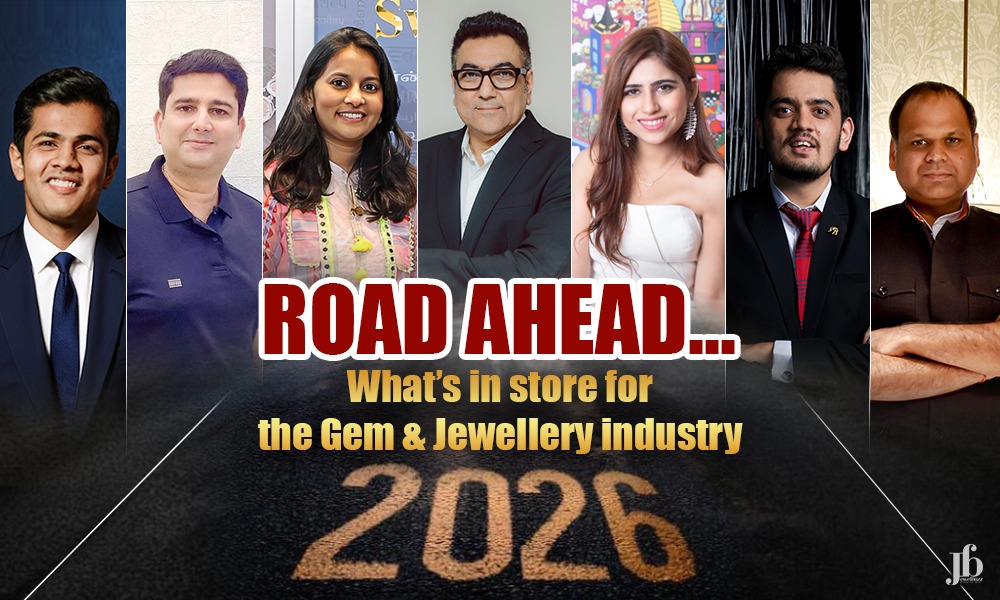
JewelBuzz spoke to a cross-section of industry and trade leaders to gaze into the crystal ball and reveal what 2026 holds for the jewellery sector. he jewellery industry is gearing up for a decisive shift in 2026, with leaders across the sector forecasting a year defined by value resets, consumer intention, cultural depth and design innovation.
The defining themes for 2026 point to an industry shaped by steady gold prices and stronger momentum in silver, particularly within contemporary designs. Consumers are becoming increasingly intentional, personalized in their tastes, ethically aware and deeply connected to cultural identity.
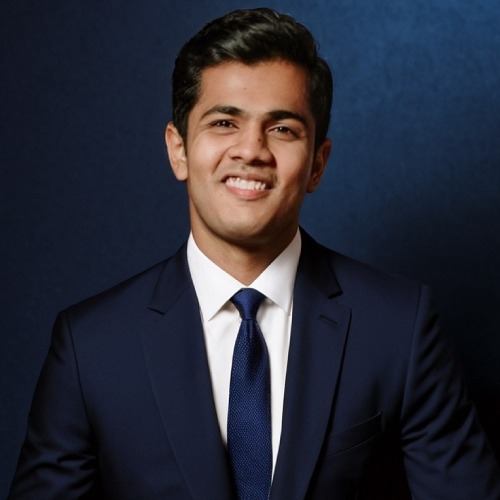
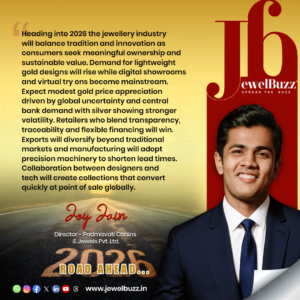
Modest gold appreciation and more volatile silver are expected. Retailers offering transparency, traceability and flexible finance will win, as manufacturing adopts precision machinery and designers collaborate with technology for globally competitive collections. Joy Jain , Director, Padmavati Chains & Jewels Pvt. Ltd. highlights a balance of tradition and innovation and says lightweight gold demand will rise.
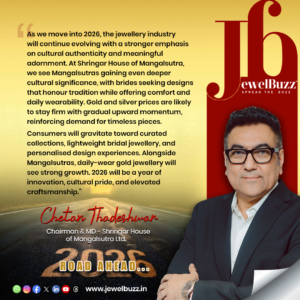
For Chetan Thadeshwar Chairman & MD, Shringar House of Mangalsutra Ltd, 2026 strengthens the cultural core of jewellery—especially Mangalsutras. Brides will seek designs that honour tradition yet offer daily comfort.
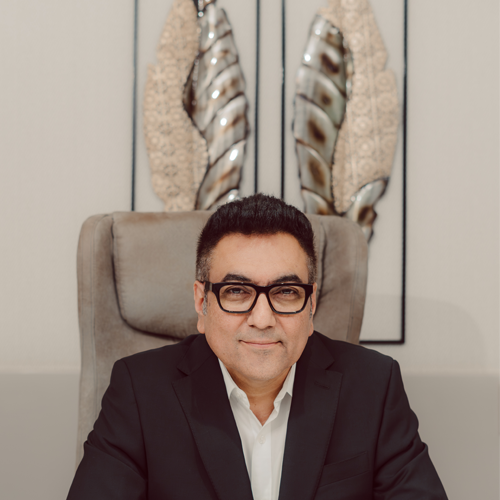
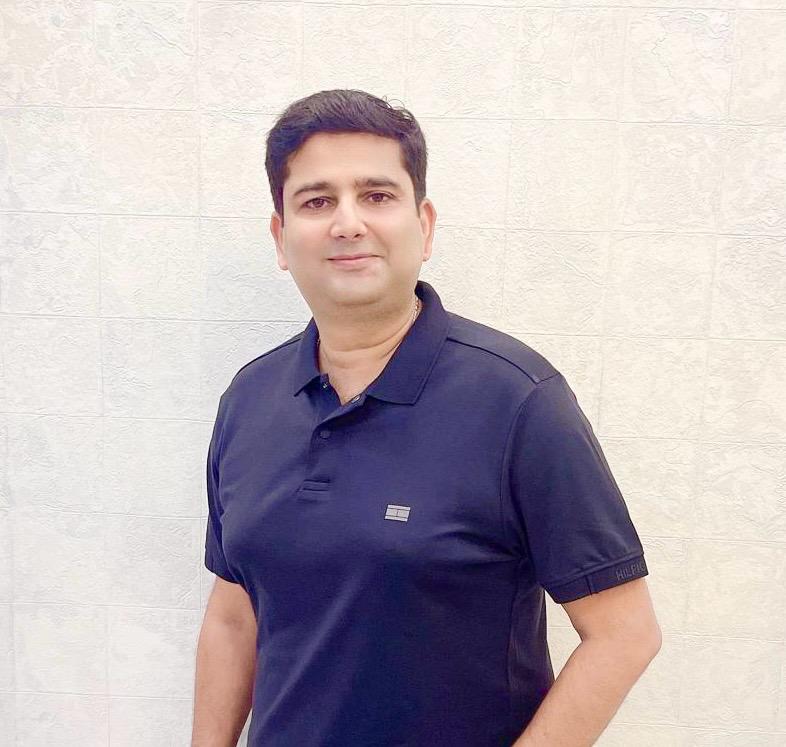
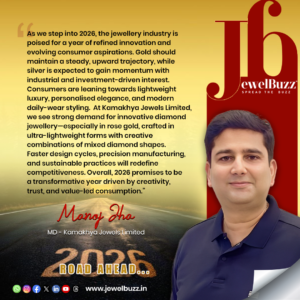
According to Manoj Jha MD, Kamakhya Jewels Limited, 2026 will be a year of refined innovation.
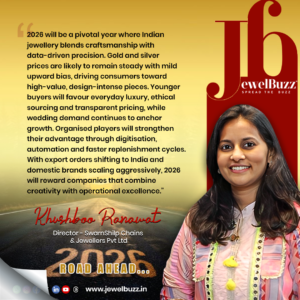
Gold should stay steady to mildly higher, with silver gaining industrial and investment traction Khushboo Ranawat Director, SwarnShilp Chains & Jewellers Pvt Ltd says Gold and silver remain steady with slight upward bias. Younger consumers will embrace everyday luxury, ethical sourcing and transparency.

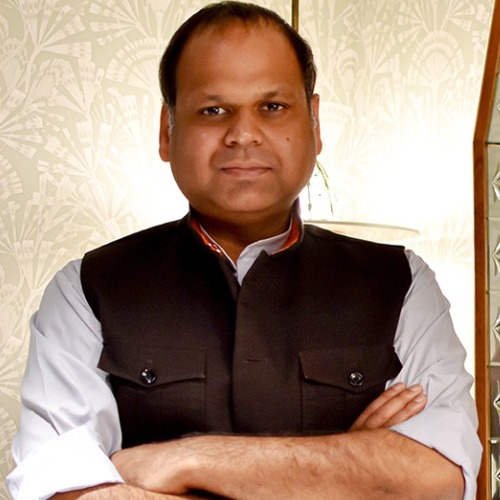
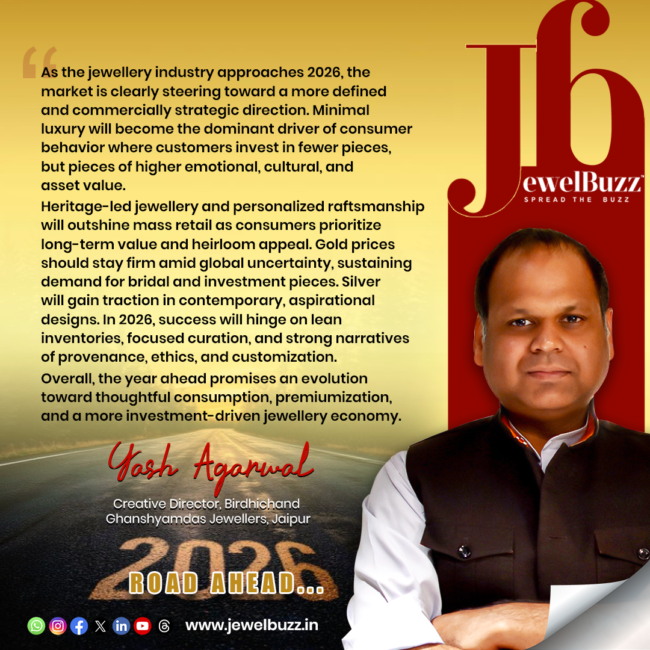
Heritage-led jewellery and personalised craftsmanship will outshine mass retail. Yash Agarwal Creative Director, Birdhichand Ghanshyamdas Jewellers expects 2026 to push the industry toward minimal luxury—fewer pieces, but with deeper emotional and asset value.
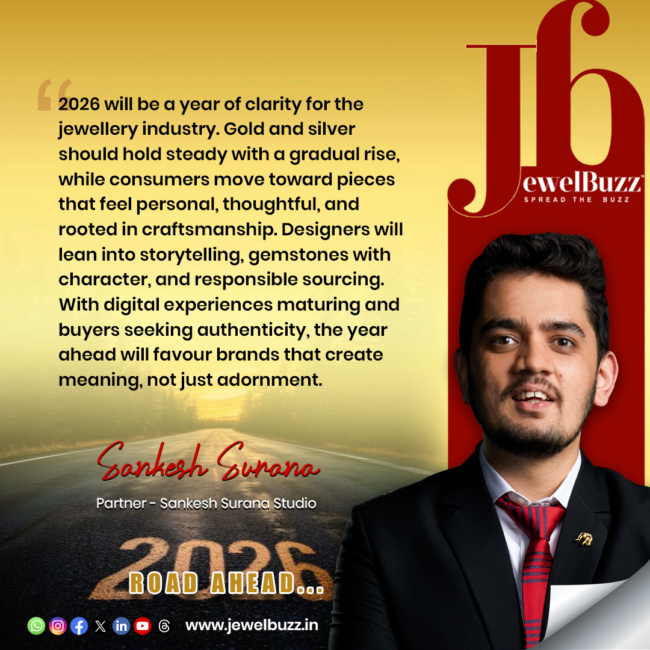
Sankesh Surana, Partner,Sankesh Surana Studio says consumers will choose pieces grounded in craftsmanship, storytelling and responsible sourcing.

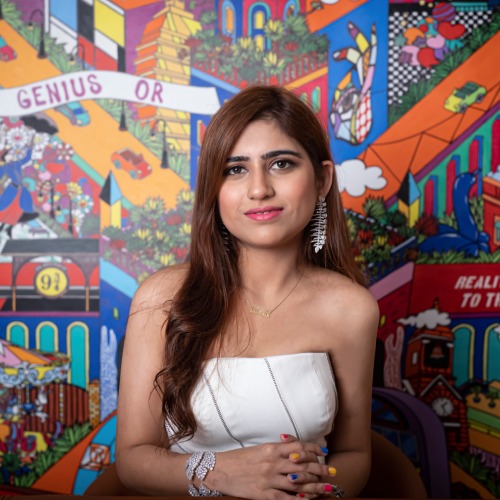
The jewellery industry is gearing up for a decisive shift in 2026, with leaders across the sector forecasting a year defined by value resets, consumer intention, cultural depth and design innovation.Vandana Mahesh Jagwani Creative Director, Mahesh Notandass & Founder,Vandals predicts a fundamental reset: 2026 will see jewellery move from “material worship” to meaning, story and identity. Lab-grown diamonds will accelerate into the mainstream, powered by transparency, design freedom and smart pricing.
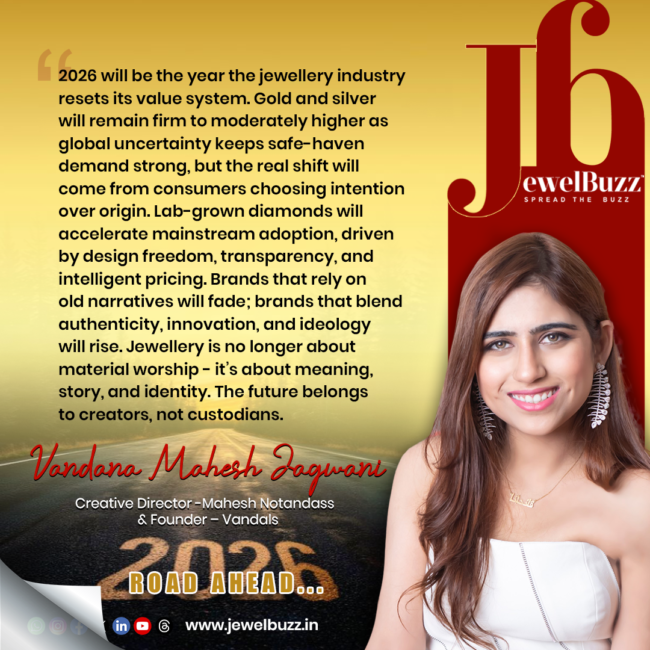
Design directions will favour lightweight luxury, heirloom-inspired pieces, mixed diamond shapes and elevated daily-wear styling. On the business front, digitization, faster design and production cycles, advanced manufacturing and compelling brand storytelling will drive competitiveness. Ultimately, the winners will be brands that seamlessly blend creativity, authenticity and operational excellence.



JB Insights
US Holiday Sales Will See 5.5% Growth For 2026 : Mastercard Economics Institute
This Resilience Reflects A Robust Labor Market, Rising Household Wealth, and Broad-Based Consumer Demand Across Income Cohorts. Overall, The 2026 Holiday Season Showcases An Adaptable U.S. Consumer Using Digital and AI Tools To Maximize Value While Continuing To Drive Broader Economic Momentum.

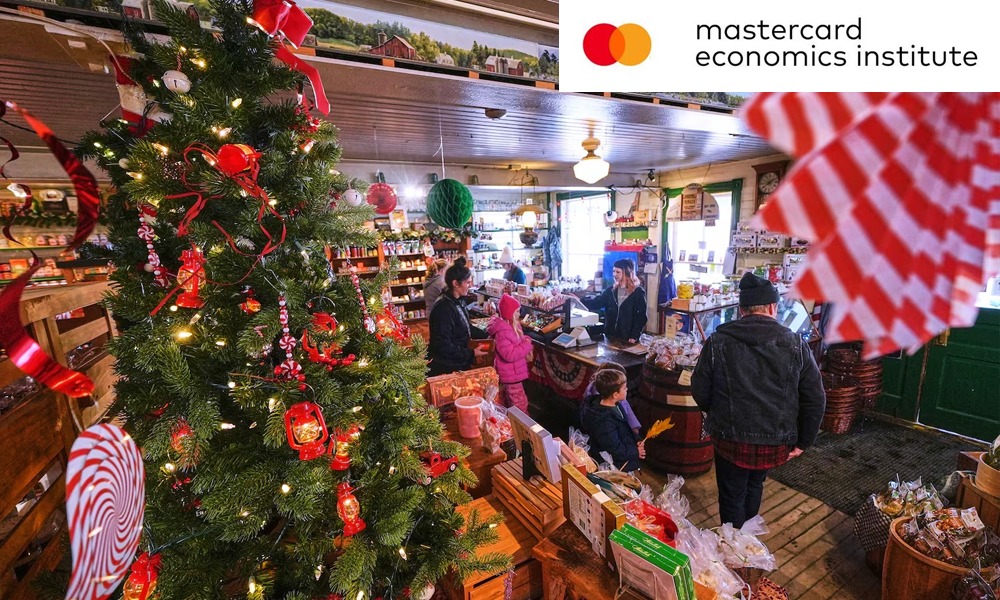
The Mastercard Economics Institute (MEI) forecasts a strong 2026 U.S. holiday shopping season (November 1–December 24), projecting retail sales excluding gas and autos to grow 5.5% year-over-year (YoY). This resilience reflects a robust labor market, rising household wealth, and broad-based consumer demand across income cohorts.
Key Drivers and Growth Channels
- Channel Performance: E-commerce continues to lead with an expected 11% YoY growth, but in-store sales are set to grow 3.6%—their strongest pace since 2022. This highlights the critical role of omnichannel strategies.
- Inflation Dynamics: Inflation accounts for 2.8 percentage points of the total 5.5% growth. Unlike last year’s tariff pressures, current price increases are driven by elevated energy/diesel costs and the massive AI infrastructure buildout.
- Calendar Shifts: A late Thanksgiving compresses the shopping window, pushing retailers toward early promotions. Additionally, Cyber Monday falling in November will shift significant online volume into the month.
The Role of Artificial Intelligence
AI is reshaping both prices and consumer behavior:
- Tech Inflation: High demand for memory chips and data infrastructure components has driven a 12.2% YoY increase in prices for info-processing equipment. Consequently, the consumer electronics category is projected to post outsized nominal sales growth (+10.7% YoY).
- AI Power Users: Consumers with paid AI subscriptions demonstrate distinct “optimization” habits. Data shows these users plan early, shop across a wider variety of boutique and specialty merchants, and aggressively target promotions during Thanksgiving weekend before transitioning to experience and hospitality spending in December.
Last-Minute Shopping Behavior
The final rush to Christmas offers key operational insights for retailers:
- In-Person and Malls: The final week before Christmas sees heavy physical store foot traffic, especially in enclosed shopping malls where consumers can complete multi-category purchases. Climate also plays a role: warmer-state residents (e.g., Florida, Nevada) are far more likely to make last-minute in-store runs than those in colder states.
- Transaction Value Trends: Average order values for children’s items peak near Black Friday, while premium categories—such as jewelry, cosmetics, luxury handbags, and department stores—see transaction values climb steadily from December 15, peaking on Christmas Eve as procrastinating shoppers pay a premium for convenience.
AI tools lower search costs for consumers, making price transparency higher than ever. Retailers must capture early November demand through targeted promotions before comparison tools push shoppers toward alternative or boutique brands.
Last-minute shoppers are price-inelastic and seeking speed. Malls and physical stores should maximize inventory for high-margin, rush-gift items (jewelry, cosmetics, designer goods, gift cards) in the final 10 days, leveraging store availability over promotional discounting.
Overall, the 2026 holiday season showcases an adaptable U.S. consumer using digital and AI tools to maximize value while continuing to drive broader economic momentum.



KISNA Diamond and Gold Jewellery Rolls Out Nationwide ‘Shop Sparkle Win’ Campaign Across 218 Cities, With 823 Vehicles Up For Grabs

Nemichand Bamalwa Creates Nav Avatar Necklace For Maa Durga At Indian Museum’s Durga Puja

Kangana Ranaut Unveils PNG Jewellers New Showroom In Ayodhya~

GGJS 2026 Concludes With High-Volume Trade and Strategic Focus On Next-Gen Leadership
Nemichand Bamalwa Creates Nav Avatar Necklace For Maa Durga At Indian Museum’s Durga Puja
KISNA Diamond and Gold Jewellery Rolls Out Nationwide ‘Shop Sparkle Win’ Campaign Across 218 Cities, With 823 Vehicles Up For Grabs
-
 National News13 hours ago
GGJS 2026 Concludes With High-Volume Trade and Strategic Focus On Next-Gen Leadership
-
 National News9 hours ago
Nemichand Bamalwa Creates Nav Avatar Necklace For Maa Durga At Indian Museum’s Durga Puja
-
 National News9 hours ago
KISNA Diamond and Gold Jewellery Rolls Out Nationwide ‘Shop Sparkle Win’ Campaign Across 218 Cities, With 823 Vehicles Up For Grabs
-

 National News18 hours ago
MCX Gold Silver Futures See Dip
