News
Yokohama Shines as IJT AUTUMN 2025 gathers global jewellery leaders and experts

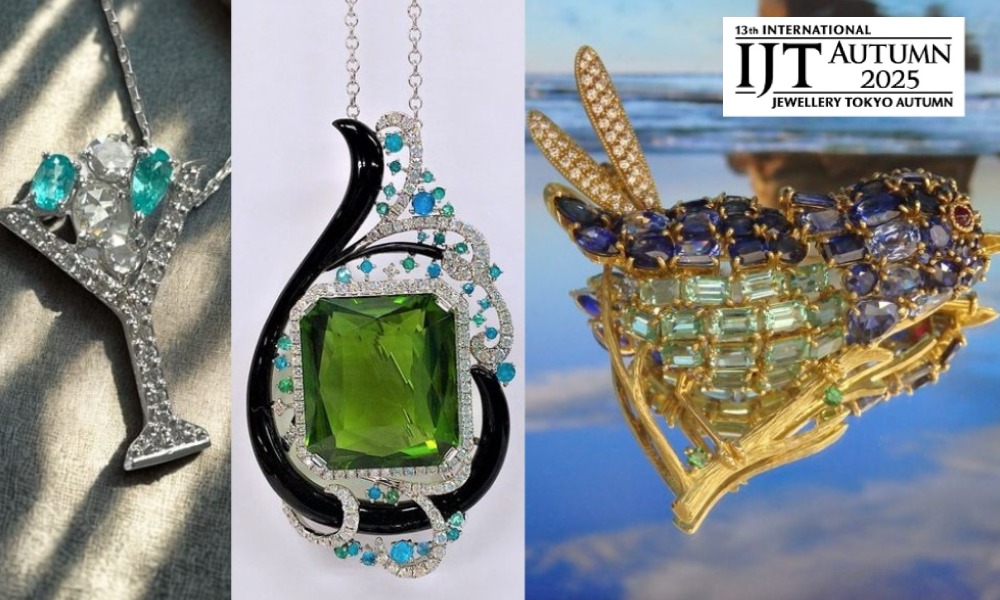
As anticipation builds for International Jewellery Tokyo (IJT) AUTUMN scheduled from October 29-31, 2025 in Yokohama, global jewellery professionals are once again invited to experience one of the industry’s most influential gatherings—solidifying its status as a premier destination for global jewellery professionals, innovators, and enthusiasts.
This prestigious trade event continues to set the gold standard, with thousands of visitors and over 400 exhibitors expected to attend, transforming Pacifico Yokohama into an international hub for innovation, commerce, and connection.
Spanning three electrifying days, IJT AUTUMN 2025 promises a showcase of brilliance and creativity from every corner of the globe. Immerse yourself in the latest dazzling collections, discover market-shaping trends, and meet industry pioneers up close.
Spotlight on Leading Exhibitors
GGP Corp. dazzles visitors with its premium diamond collections, including Spark Diamonds, Rose Cut masterpieces, and rare Pink Diamonds. Don’t miss their show-stopping Paraiba Tourmaline necklace with a cocktail glass design. Crafted by skilled in-house artisans and endorsed by top celebrities. GGP Corp. is renowned for energising event sales and delivering bestsellers that capture attention.
Gem Clair brings a refreshing take on originality, presenting jewellery that transcends simple decoration. Discover imaginative designs that celebrate the artistry of precious metals, from high-end jewellery to special-priced new pieces. Their stand also offers OEM consultations, perfect for those eager to create custom brands and develop unique products.
Excellent Gem bridges the past and the present with its exceptional array of pre-loved, fine jewellery. Both domestic dealers and international buyers can experience expertly curated vintage pieces, including this year’s highlight: a stunning K18 Sapphire & Tourmaline bluebird brooch. Every piece tells a story of elegance, heritage, and meticulous craftsmanship.
Invaluable Learning with Industry Leaders
IJT AUTUMN 2025 offers more than world-class products—it delivers essential knowledge through expert-led seminars. Creative professionals can tap into Mika Yamaguchi’s experience with two energising sessions: one on achieving strong monthly sales through savvy purchasing and pricing, and another unveiling game-changing photography tips for growing social media presence.
Gem aficionados shouldn’t miss Hikaru Sato from GIA, who will reveal pioneering advancements in jade origin analysis. Learn about the latest chemical techniques for identifying untreated jade origins, with a special focus on Guatemala’s emerging gems.
Experience the Future of Jewellery in Yokohama!
IJT AUTUMN 2025 is your gateway to high-impact connections, exclusive industry insights, and unforgettable discoveries. Join us in Yokohama and let your business shine brighter than ever. Register now and secure your place at Japan’s leading international jewellery event.
Discover everything IJT AUTUMN 2025 has to offer and secure your visitor registration through Registration Link
Visit International Jewellery Tokyo AUTUMN to explore event details, and check out the Product Directory to discover must-see products and exhibitors.



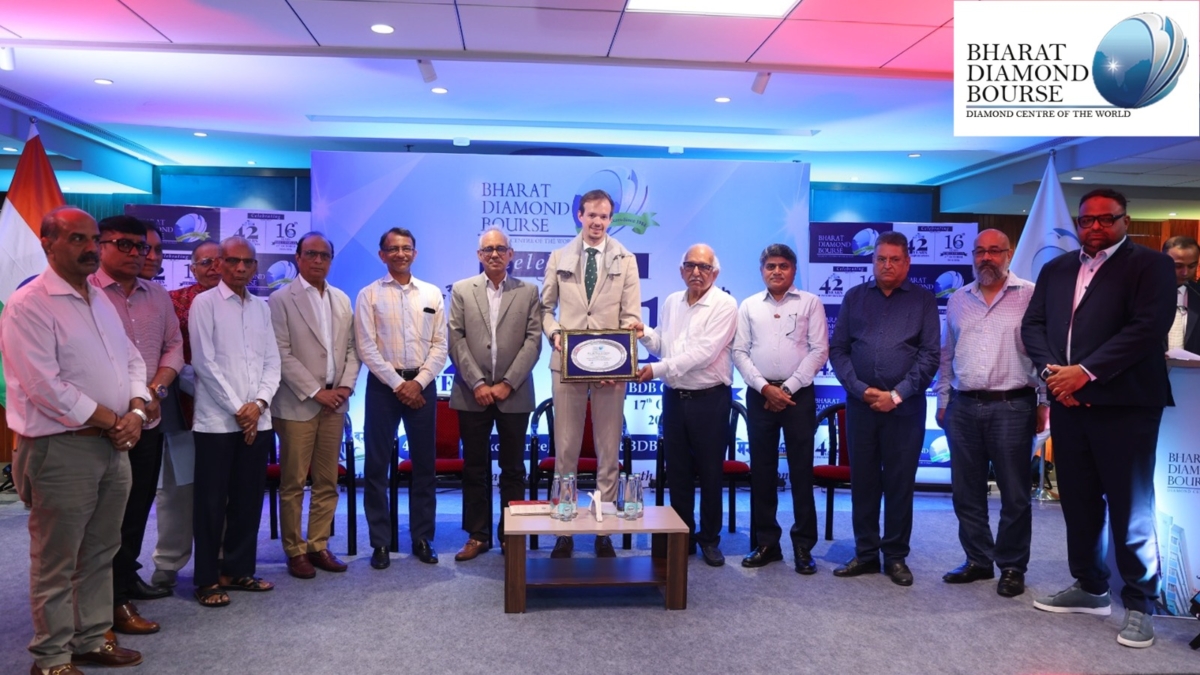
- Event marks 42 years of Incorporation and 16 years of Operations
- Recently-appointed Consul-General’s first visit to the Bourse helps strengthen a century-old bond
- Long service awards presented to outstanding employees
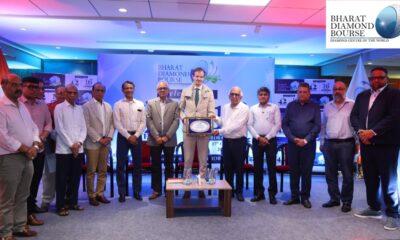
Bharat Diamond Bourse today marked 42 years of incorporation and 16 years since the commencement of operations at the BDB Complex in BKC with a special programme graced by H. E. Pierre Stverlynck – Consul General of Belgium in Mumbai as Chief Guest and a number of leading diamantaires.
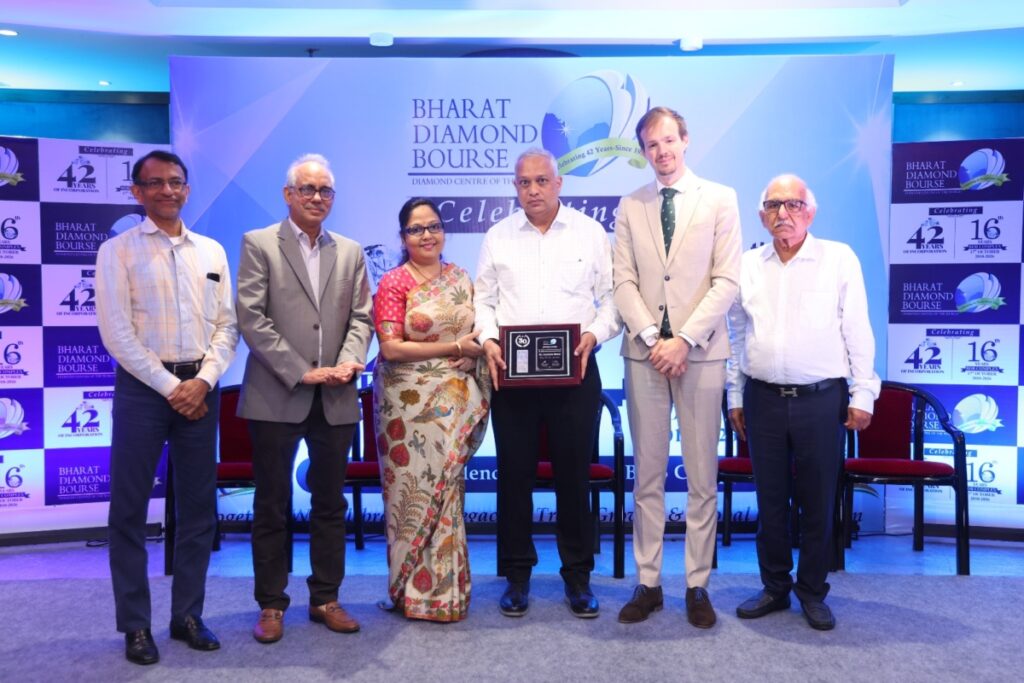
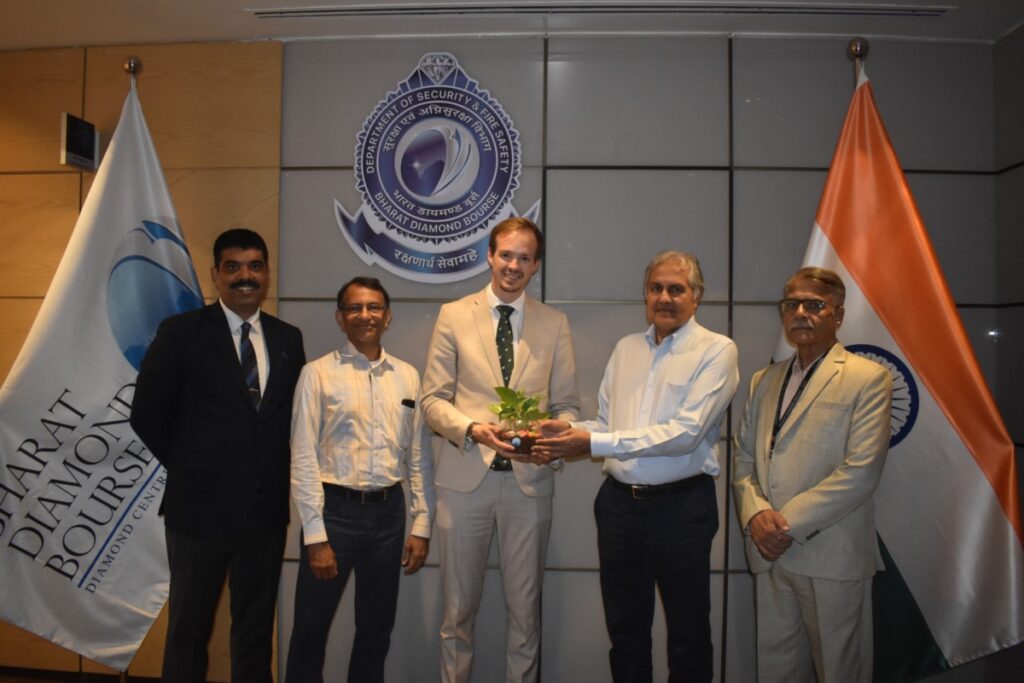
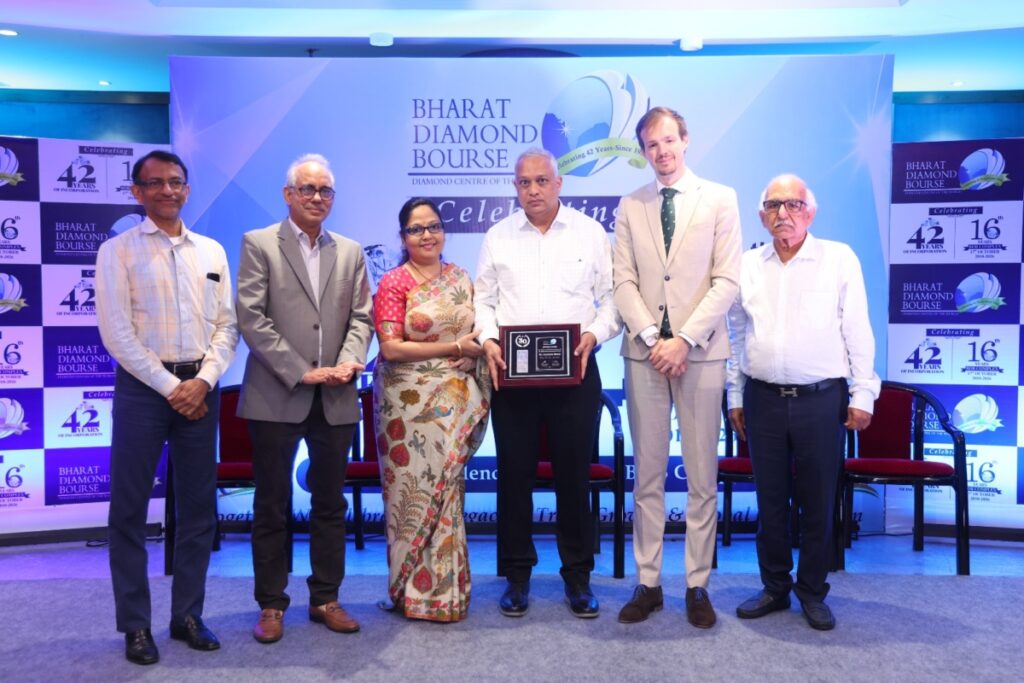
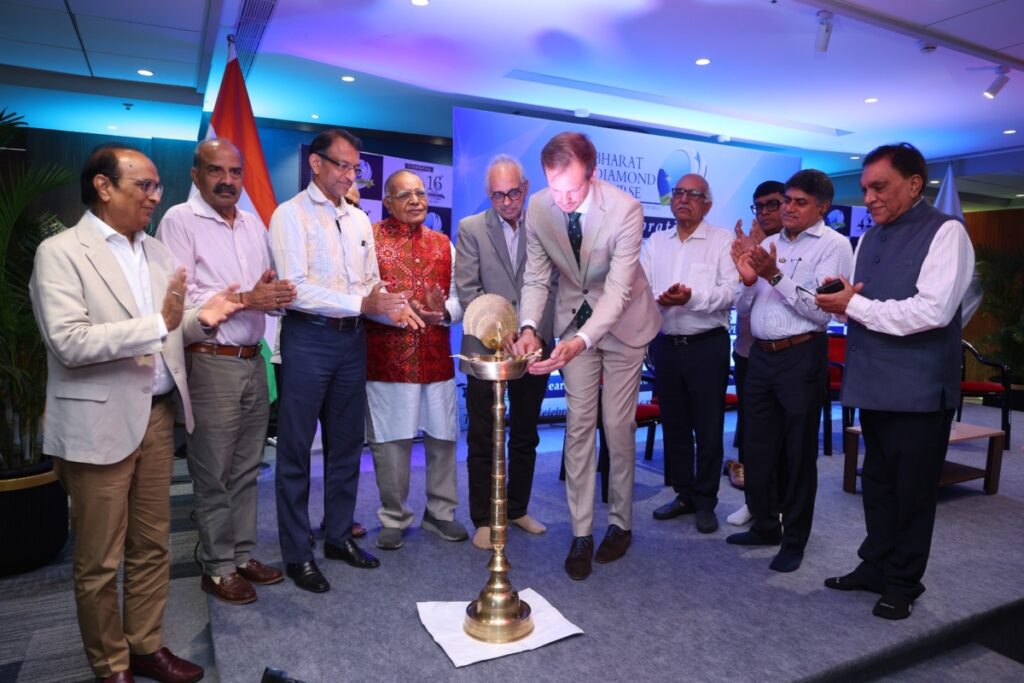
The function was organised to celebrate the crucial roles played both by the visionaries who conceptualised the need for a centralised infrastructure to boost the diamond trade over four decades ago, and the employees who have run the daily operations in a highly efficient and professional manner.
In his Welcome Address, BDB Vice President, Mehul Shah explained the significance of celebrating twin milestones – 42 years of incorporation and 16 years of operations. He said:
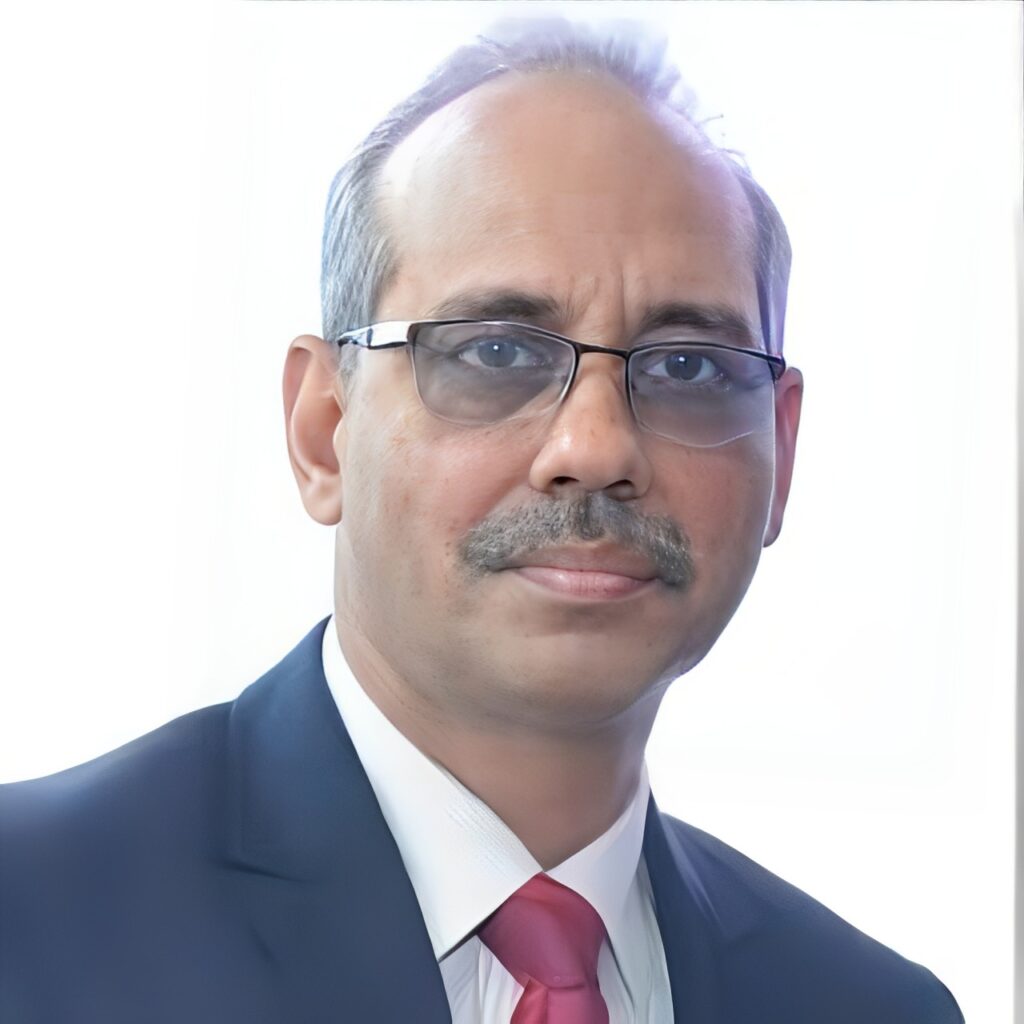
“BDB began with a vision and is now the world’s largest operational bourse, and a symbol of India’s leadership in the diamond world and excellence in every aspect of operations.”
He added, “It is significant that the Consul General of Belgium is with us on this special occasion. Antwerp and Mumbai have a very close relationship, going back more than 100 years. Today the two cities have bonds based on trust, trade and friendship. We are committed to strengthening this bond over the next century as well.”
Congratulating the awardees he said that members may be the owners, but it is the staff who run the complex and have helped build it as the “best of the best” centres for diamonds. “Personal integrity combined with hi-tech surveillance have made BDB one of the safest places in the world,” he explained, and urged all present never to forget that “it is the soldiers who fight and win the wars.” Mr Shah offered compliments to all the awardees and congratulated Team BDB.
Speaking on the occasion, Anoop Mehta, President BDB, welcomed Mr Stverlynck who has recently assumed charge as Consul General of Belgium in Mumbai.
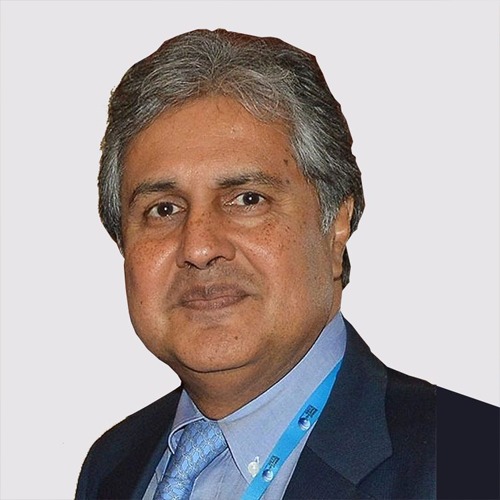
“We are sure that this will be the first of many visits to our Bourse,” he said, noting that the Consulate is the nearest neighbour of the complex.
“The BDB leadership has always enjoyed a very special relationship with the Belgian consulate,” he added, “built on the longstanding bonds between the diamond industry in our two countries.”
Mr Mehta said it was heartening that so many employees had remained loyal to the BDB for multiple years, and urged all gathered to reach out through their department heads to put forward suggestions for further changes and improvements
Mr Stverlynck, who was on his first visit to the Bourse after assuming charge as Consul General, said he was extremely impressed with the facilities available for exporters within the complex. Assuring the trade of cooperation and support, he said he was happy to be personally present to celebrate such a remarkable institution as BDB that has become a key pillar of the India diamond industry.
Congratulating the leadership for its role in steering the bourse, as well as those employees who had received long service awards, Mr. Stverlynck said:

“The consolidated knowledge and experience of so many from those at the top to a number of others who contributed in various ways, is an asset to the industry.”
Special long service awards were presented to employees who completed special milestones during the year. These included 30-year, 25-, 15-, 10- and 5-year service awards to a few employees.



Belgian Consul General H. E. Mr. Pierre Stverlynck Graces BDB Annual Day

Limelight Lab Grown Diamonds Crosses 100 Stores Milestone This Dussehra: Targets 200 In 2027

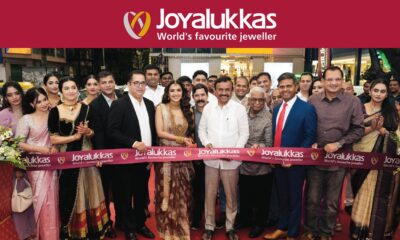
Joyalukkas Opens Its 2nd Bengaluru Showroom in Jayanagar

US Holiday Shopping Expected To Top $1 Trillion For The First Time: NRF
Belgian Consul General H. E. Mr. Pierre Stverlynck Graces BDB Annual Day
Limelight Lab Grown Diamonds Crosses 100 Stores Milestone This Dussehra: Targets 200 In 2027
-
 International News18 hours ago
US Holiday Shopping Expected To Top $1 Trillion For The First Time: NRF
-
 National News12 hours ago
Belgian Consul General H. E. Mr. Pierre Stverlynck Graces BDB Annual Day
-
 National News13 hours ago
Limelight Lab Grown Diamonds Crosses 100 Stores Milestone This Dussehra: Targets 200 In 2027
-
 New Premises13 hours ago
Joyalukkas Opens Its 2nd Bengaluru Showroom in Jayanagar