
National News
With Presence In 29 States and 240 Cities and 100+ Accredited-Partners, IAGES Aggressively Grows To 550+ Accredited Partner Outlets Pan India
IAGES Expands Its National Footprint, Strengthening Trust, Transparency, and Standardisation

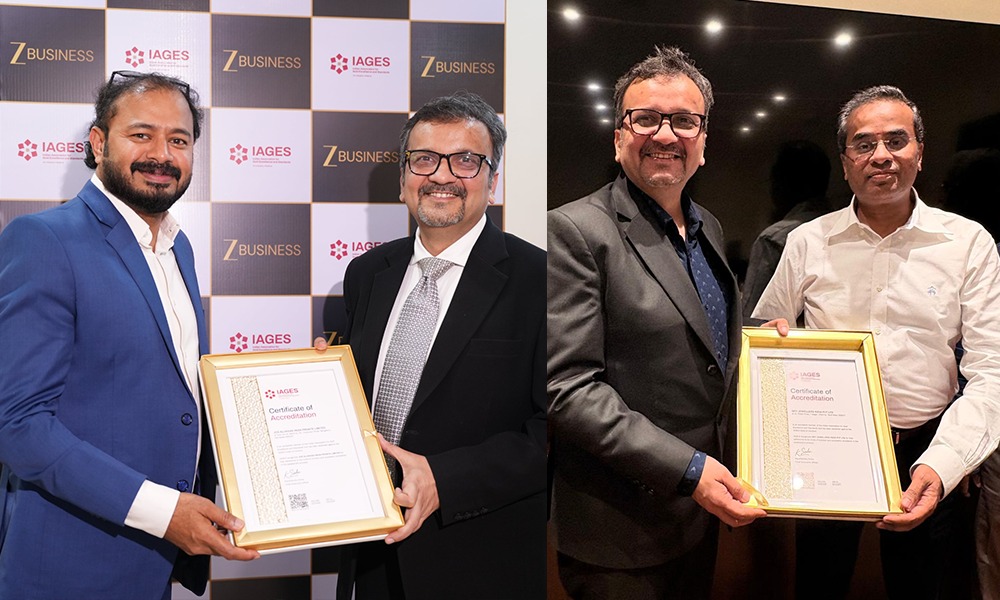
The Indian Association for Gold Excellence and Standards (IAGES), a self-regulatory body has crossed the 100+ accredited partner landmark, establish a strong presence with 550+ partner outlets. With its footprint spanning 240+ cities pan India, IAGES consolidates its position as the facilitator of trust, transparency, and standardisation in the gold sector.
The IAGES accreditation network today spans the entire gold value chain—bringing together refiners, bullion traders, manufacturers, assaying and hallmarking centres, retailers, and digital gold retailers under a unified framework. While retailers form the majority, having actively adopted the industry-defined code of conduct and standardised their business practices, the growing participation across segments reflects strong industry confidence in the accreditation process. With many more partners currently in the pipeline, the momentum continues to build toward a more transparent and accountable gold ecosystem.
–Kaushlendra Sinha Said:
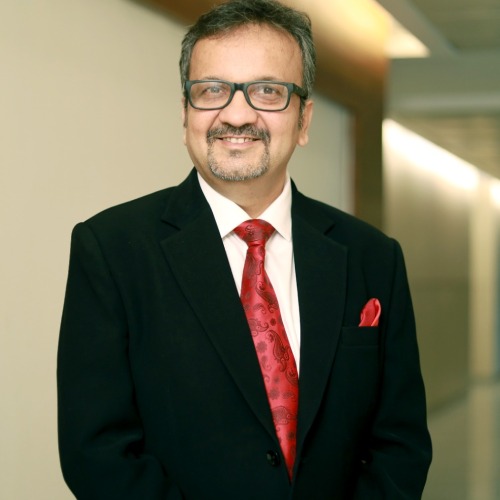
“IAGES represents a truly pan-India network from Kashmir to Kanyakumari and from Mumbai to Kolkata, reiterating the industry’s need for a standard code of conduct uniting businesses under a common framework of best practices. We are delighted to achieve this landmark and continue our endeavours to reach out to each and every gold business in the country. While we have accredited large national players, it gives us happiness that small and medium players are coming forward in large numbers which is a true representation of the success and acceptance of IAGES by the Gold Industry.”
Members are IAGES-accredited only after a comprehensive assessment of their business practices across the entire value chain is conducted by an independent third-party assessor. An accreditation is highly beneficial for both business and consumers. For gold jewellers, it reflects verified practises, ethical conduct, operational excellence and consumer trust and loyalty while for consumers, it means their certified retailer has sourced and manufactured their gold only after the most rigorous standard of authenticity and integrity have been met.
While IAGES remains focussed on building trust and transparency for the gold buyers, the organisation has initiated a consumer awareness campaign – ‘Before you buy gold, #PehlaCheckIAGES’. The campaign aims to create a shift in the gold-buying mindset by placing the power of making an informed choice on the buyer only after verifying that their retailer is IAGES-accredited.


National News
Sankesh Surana Studio Unveils Viśvaṃ Viṣṇuḥ: A Monumental Contemporary Sculpture Reimagining Sacred Art
The Frontal Perspective Honors The Holy Trinity—Brahma, Vishnu, and Maheshwara—Blending Divine Iconography With Modern Elegance.The Sculpture Intricately Incorporates 19 Gods and Goddesses, Symbolizing The Expansive Cosmic Realm Of Lord Vishnu
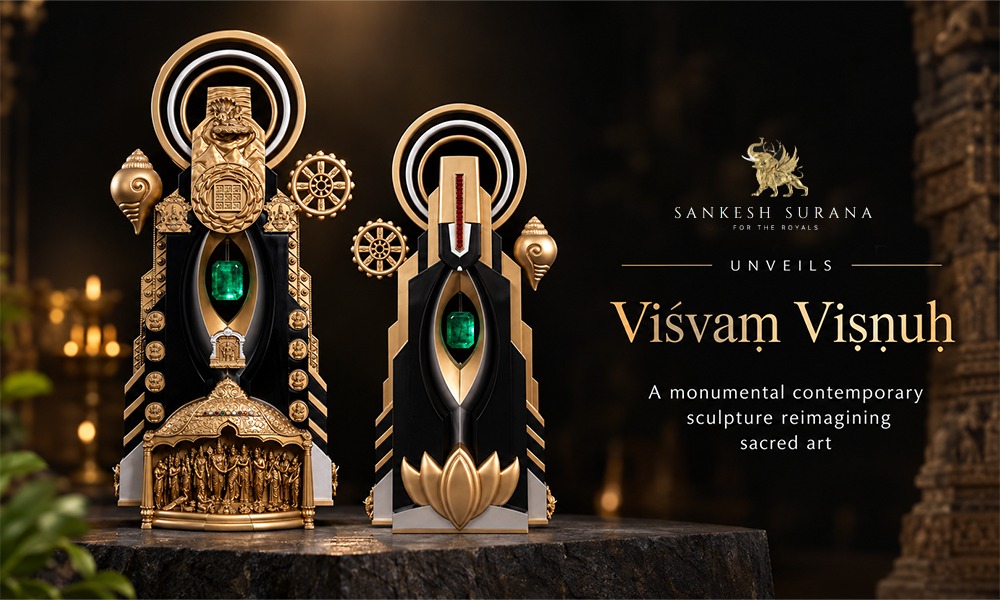
Marking a significant milestone in contemporary spiritual art, Sankesh Surana Studio announces the debut of Viśvaṃ Viṣṇuḥ, a bespoke contemporary interpretation of Lord Balaji. Serving as the centerpiece of the esteemed Ananta – Sacred Art Series, this four-foot-tall masterpiece is the culmination of nearly two years of meticulous conceptualization, design, and artisan craftsmanship
Conceived as an immersive, 360-degree sculptural narrative, Viśvaṃ Viṣṇuḥ offers a profound visual meditation on the cosmos.
Sankesh Surana, Founder- Sankesh Surana Studio said:

“With Viśvaṃ Viṣṇuḥ, our vision was to bridge timeless tradition with contemporary design, creating a piece that resonates deeply on both an aesthetic and spiritual plane.”
“The process was a long, painstaking journey of refinement, but the result is a holistic representation of the universe contained within a single artwork.”
Exclusivity has defined the creation of this landmark edition. Released as a strictly limited collection of just 27 fine art pieces, the entire series was fully acquired prior to its official debut.



Sankesh Surana Studio Unveils Viśvaṃ Viṣṇuḥ: A Monumental Contemporary Sculpture Reimagining Sacred Art

China and African Heavyweights Unite In Powerhouse Pact To Reshape $100b Natural Diamond Industry

From Google To Generative AI: Jewellery Industry Faces A New Digital Discovery Era

Gold Prices Hold Steady In India, Limited Movement In Domestic Retail Gold Prices
From Google To Generative AI: Jewellery Industry Faces A New Digital Discovery Era
China and African Heavyweights Unite In Powerhouse Pact To Reshape $100b Natural Diamond Industry
-
 National News2 hours ago
Gold Prices Hold Steady In India, Limited Movement In Domestic Retail Gold Prices
-
 International News1 hour ago
From Google To Generative AI: Jewellery Industry Faces A New Digital Discovery Era
-
 DiamondBuzz60 minutes ago
China and African Heavyweights Unite In Powerhouse Pact To Reshape $100b Natural Diamond Industry
-
 National News46 minutes ago
Sankesh Surana Studio Unveils Viśvaṃ Viṣṇuḥ: A Monumental Contemporary Sculpture Reimagining Sacred Art
