By Invitation
Will The Next Gold Standard Be Environmental Transparency?
We Understand Jewellery Through Purity, Craftsmanship, Design and Precious Material. But Another Question May Increasingly Matter: What Is The Environmental Story Behind That Piece Of Jewellery?

By Dr. Sandip P. Dhurat
Jewellery has always carried a story. A gold necklace may represent a wedding, a ring may mark a relationship, and a family heirloom can carry memories across generations. We understand jewellery through purity, craftsmanship, design and precious material. But another question may increasingly matter: What is the environmental story behind that piece of jewellery?
This does not mean that every gold ring or diamond necklace currently needs an Environmental Product Declaration, or EPD, to enter Europe. It does not. But it indicates the direction of the market: information that can be measured, verified and traced.
An EPD is a standardised environmental declaration based on life-cycle assessment and independent verification. It provides quantified environmental information according to defined rules rather than general sustainability claims.
Technically, yes, but an EPD requires an appropriate Product Category Rule, or PCR, or equivalent product-specific methodology. A jewellery-specific framework would need to reflect precious metals, gemstones and manufacturing.
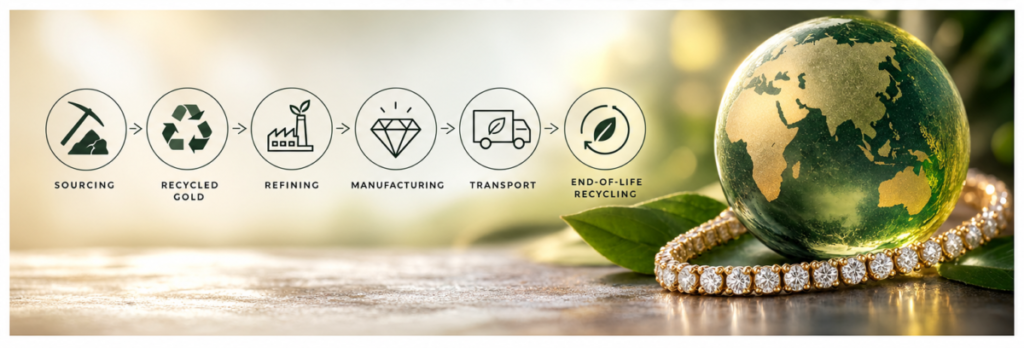
The environmental journey can involve gold extraction or sourcing, recycled gold, refining, alloying, energy use, casting, finishing, gemstone sourcing, packaging, transportation, manufacturing losses and recovery of precious-metal scrap.
Two pieces of jewellery may look identical while having very different environmental profiles depending on gold source, recycled content, energy use, manufacturing processes and supply chains. The conversation could therefore move from asking whether jewellery is sustainable to asking what the environmental profile of a particular product actually is.
Gold makes this especially interesting because of its circular potential. It can be recovered, refined and used again after a product reaches the end of its useful life. Yet the environmental story remains complex. Newly mined and recycled material can have different profiles, while mining, refining, transportation, manufacturing and energy use have environmental implications.
Therefore, a credible declaration cannot simply state that recycled gold is automatically green. The industry needs evidence, and evidence requires methodology.
This creates an opportunity for the jewellery industry. EPDs are not universal labels; they are developed using specific PCRs. A jewellery-specific framework would need to answer questions such as: How should recycled gold be treated? How should refining impacts be calculated? How should diamonds and other gemstones be incorporated? How should manufacturing losses be accounted for? What information should manufacturers and exporters collect?
India has an opportunity to participate in this conversation. The important development is the emerging ecosystem around product sustainability information, traceability and Digital Product Passports.
For Indian exporters, this should be viewed not as a compliance issue but as an early warning and opportunity. Companies that begin building reliable environmental data today could be better prepared if customers, retailers or regulations require such information tomorrow.
India already has an advantage: a mature jewellery manufacturing ecosystem, refining and recycling capabilities, skilled craftsmen, major exporters and a globally recognised jewellery trade. Credible environmental data at product level can strengthen this ecosystem.
An Indian exporter could eventually say more than “Made in India.” It could say: Here is the material story, the manufacturing story, the recycled content, the environmental information and the independent verification. That is a different proposition in a market.
Jewellery manufacturers, exporters, refiners, industry associations, laboratories, LCA experts and standards professionals could begin discussing a credible jewellery-specific environmental declaration framework. Pilot projects could test selected products and determine what data is available, what methodology is appropriate and what international markets value. Such work could help India build a foundation while distinguishing genuine environmental performance from vague or unsubstantiated green claims.
The emotional value of jewellery will never disappear. But another form of value is emerging. Younger consumers increasingly want to know where products come from and how they are made.
The jewellery industry may therefore have to tell a more complete story: not only “This is 18-carat gold,” but eventually, “This is what the product is made from, where its materials came from, how it was produced, and what environmental information supports it.”
I do not believe the answer is to immediately place EPD labels on every piece of jewellery. The first step is simpler: start the conversation.
Jewellery has always been an industry where provenance matters. Perhaps the next chapter of provenance will not stop at where the gold came from. It may also ask: What was its environmental journey?
The industry that can answer that question with credible data rather than slogans may discover that environmental transparency is not simply another regulatory requirement. It could become another form of trust.
And in jewellery, trust has always been priceless.


Keyur Shah, CEO of Muthoot Exim
For years, gold in Indian households followed a simple rule: buy it, store it and don’t touch it unless there’s an emergency. That mindset is now changing – and quite fast.
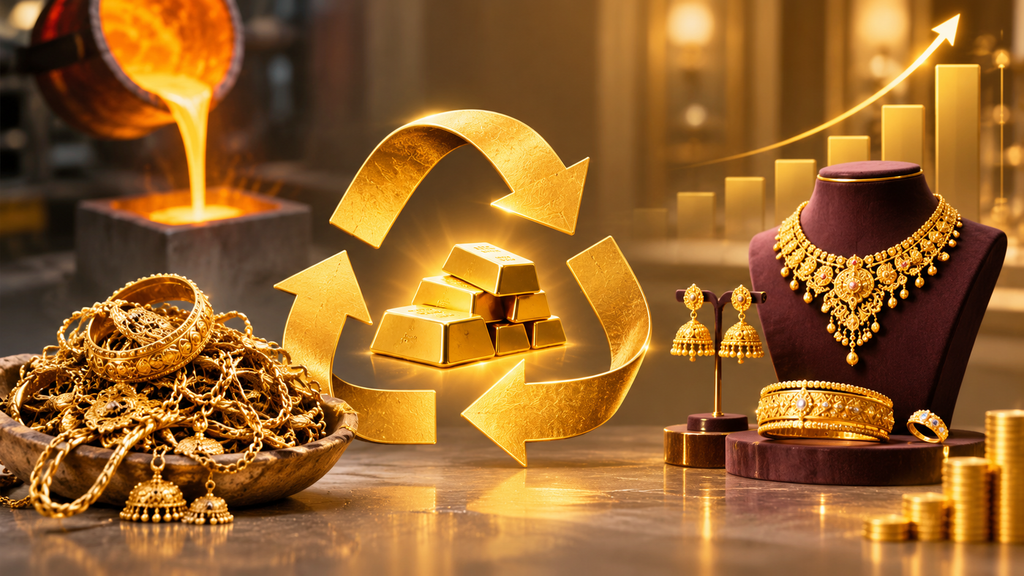
Across the country, old jewellery is no longer sitting quietly in lockers. It is coming back into the system. It is being mortgaged, sold, exchanged, melted and reused. What was once considered “untouchable family gold” is now being treated as active financial wealth.
This is not just a behavioural shift. It is quietly reshaping India’s gold market.
Old Gold Is No Longer Dead Investment
Earlier, a large part of India’s gold stock was inactive. People owned gold, but it didn’t move. It didn’t generate value unless sold under pressure. Today, that same gold is being used more intelligently. Organized Sector Gold Loan Companies have managed to bring out a lof of this gold for productive use
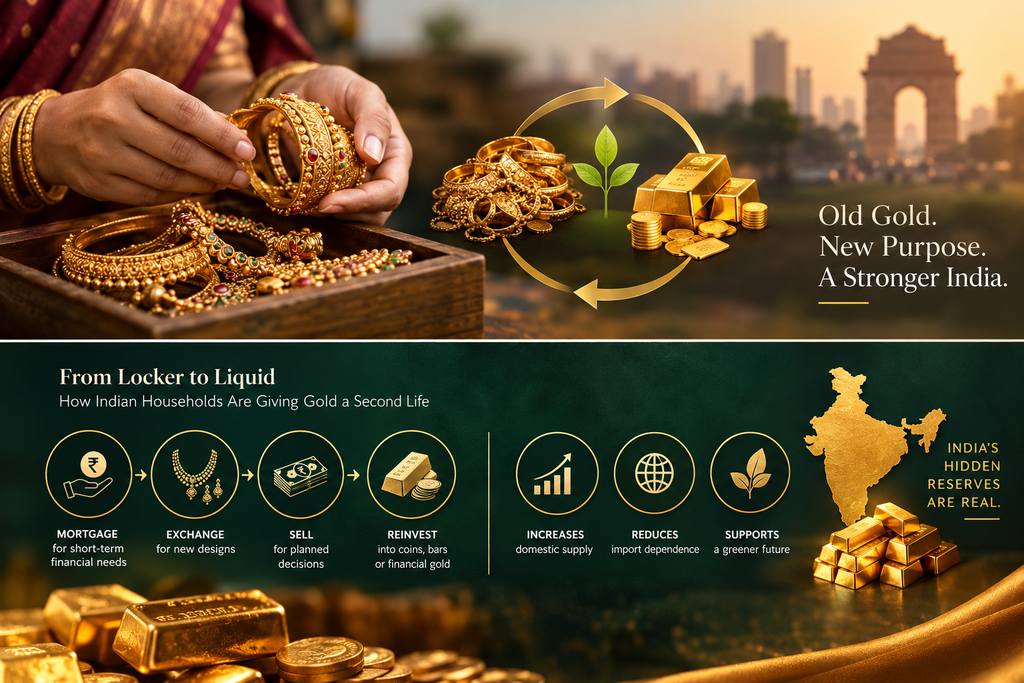
Families are:
- Mortgaging gold for short terms financial needs
- Exchanging old jewellery for new designs
- Selling gold for planned financial decisions
- Reinvesting into coins, bars or financial gold
This shift is turning gold from a stored asset into a circulating asset. And that is a big change.
What’s Driving This Boom? It’s Not Just Price – It’s Awareness
Yes, rising gold prices have played a role. When prices go up, people naturally look at their old jewellery and see an opportunity. But this is not just about price. The bigger driver is awareness.
So instead of holding on to outdated pieces, they are making smarter choices. This is especially visible among younger buyers, who are less emotionally attached to old designs and more focused on value.
A Silent but Strong Supply Source for India
India does not mine much gold. It depends heavily on imports. That creates a constant pressure on Foreign exchange, Trade balance and overall economic stability.
Now here’s where recycling becomes powerful. Every gram of gold that is recycled within India is:
- One gram less that needs to be imported
- One step towards reducing external dependence
- Also, recycling helps reduce the mining required and hence is environment friendly
This is why gold recycling is not just a consumer trend – it is becoming an economic necessity. Instead of relying only on global markets, India is slowly unlocking its own hidden reserves – gold already lying inside homes.
Better Systems Are Building Trust
Earlier, many people avoided selling or recycling gold because they didn’t trust the process. That hesitation is now reducing because the system has improved:
- Purity testing is more accurate and transparent
- Refining processes are more standardised
- Organised players have entered the market
- Pricing is clearer and closer to market rates
This growing trust is a big reason why more households are willing to bring their gold back into circulation.
The Bigger Picture: From Emotion to Strategy
Gold in India will always have emotional value. That will not change. But what is changing is how people use gold.
Earlier:
- Buy for weddings
- Store for years
- Sell only in crisis
Now:
- Buy with awareness
- Upgrade when needed
- Use as part of financial planning
This shift from emotion to strategy is what defines the recycling boom.
A Strong Reality: India Is Sitting on a Gold Mine – At Home
India already has thousands of tonnes of gold in private hands. For years, this gold was locked away. Now, it is slowly entering the market.
And that changes everything:
- It improves supply without mining
- It reduces pressure on imports
- It supports a more stable gold ecosystem
- It gives households more financial flexibility
This is not just recycling. This is unlocking a national asset.
Conclusion
India’s gold recycling boom is not a passing phase. It is a clear sign that the country’s relationship with gold is maturing. People are no longer just owning gold. They are using it, moving it and managing it better.
Old jewellery is no longer emotional baggage sitting in lockers. It is becoming a tool for smarter decisions. And that’s the real shift: Gold in India is no longer idle wealth. It is active, aware and working harder than ever.



India’s Gold Recycling Boom: Why Old Gold Is No Longer Idle – It’s Active Wealth

Will The Next Gold Standard Be Environmental Transparency?

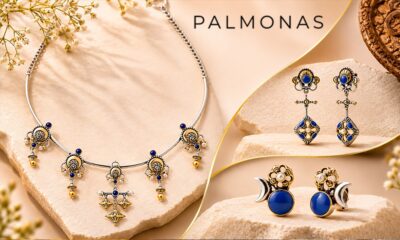
INDIE Collection From Palmonas; Inspired By Shraddha Kapoor’s Upcoming Movie Eetha
-

 By Invitation6 hours ago
What Global Buyers Expect From Indian Jewellery Manufacturers Today
-
 BrandBuzz56 minutes ago
INDIE Collection From Palmonas; Inspired By Shraddha Kapoor’s Upcoming Movie Eetha
-

 By Invitation5 hours ago
Diwali Is Over. The Real Game Starts Now.
-
 International News2 hours ago
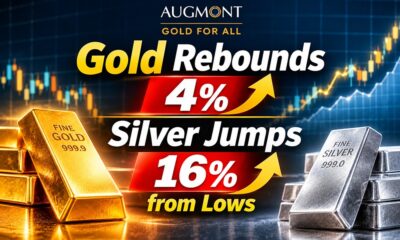
Gold Rebounds 4%, Silver Jumps 16% From Lows -AUGMONT BULLION REPORT