National News
WFDB President Mehul Shah Outlines Strategic Pillars For The Natural Diamond Industry At JGW Hong Kong 2026
Mehul Shah Calls For Unity, Transparency and Consumer Trust To Strengthen Natural Diamonds

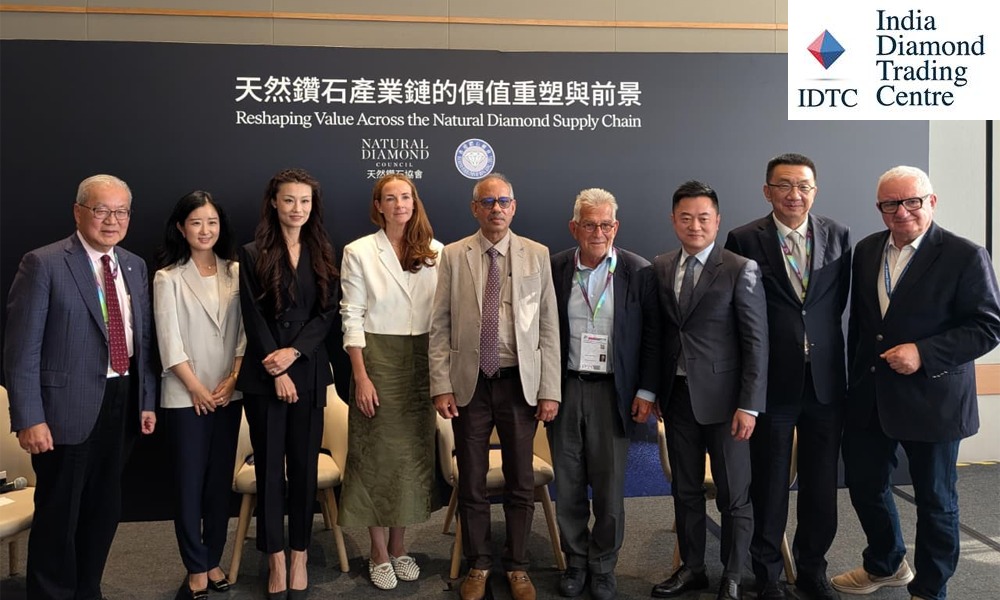
Speaking at the Natural Diamond Council (NDC) panel on Reshaping Value across the Natural Diamond Supply Chain – organized in collaboration with the Diamond Federation of Hong Kong (DFHK) during the Jewellery & Gem WORLD (JGW) Hong Kong Jewellery Show – World Federation of Diamond Bourses (WFDB) President Mehul Shah called for industry-wide unity, standardization, and proactive consumer protection.
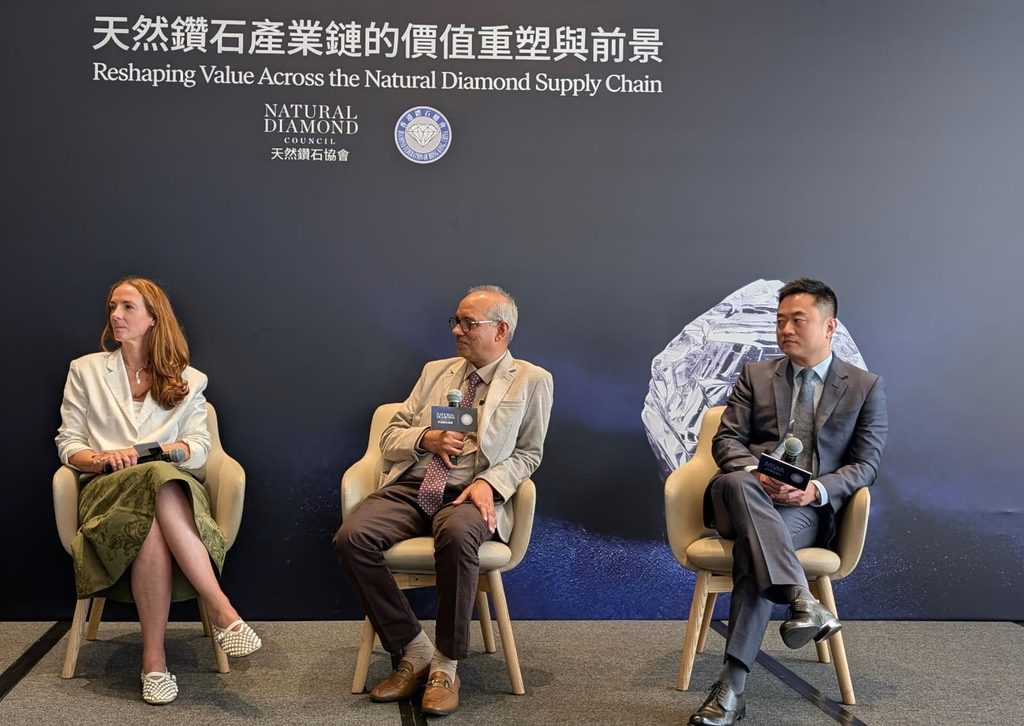
Reaffirming the WFDB’s commitment to preserving the integrity, trust, and emotional resonance of natural diamonds, Mr. Shah outlined strategic initiatives to safeguard the industry for future generations.
Key directives from the address include:
1. Value Addition & Creative Branding:
The industry must move beyond selling diamonds as commodities to creating greater value through branding, innovation, jewellery design, craftsmanship, and storytelling. Mr. Shah urged trade members to “sell the art, not merely the paint, canvas, or brush,” emphasizing that jewellery must become an expression of emotion, artistry, and enduring desire.
2. Seamless Mine-to-Market (M2M) Transparency:
Mr. Shah emphasized that the three M’s, Mines, Manufacturers, and Markets, must work together as one integrated ecosystem. The journey from mine to market must be seamless, transparent, collaborative, and accountable, with blockchain, traceability, and robust tracking becoming essential to building trust across the supply chain.
3. Reclaiming the Industry Narrative through Strategic Alliances & Marketing:
Highlighting the powerful role of films and media in shaping consumer perception, Shah urged the industry to take greater ownership of the natural diamond narrative by investing seriously in consumer-level marketing. He called for the Natural Diamond Council to work more closely with trade bodies and local jewellers, alongside broader industry partnerships, to communicate the responsible, ethical, and beautiful story of natural diamonds directly to consumers.
4. Natural & Synthetic Diamonds as Separate Subjects:
Shah emphasized that natural and laboratory-grown diamonds should be viewed as distinct categories rather than simply competing products. He noted that “diamonds are forever” and “diamonds for everyone” can coexist, while suggesting that laboratory-grown diamonds can serve as a gateway to the broader diamond category, with consumers potentially moving towards natural diamonds as their purchasing power increases.
5. Rigorous Consumer Protection & Clear Declarations:
Shah stressed that protecting and educating consumers is a collective responsibility. He called for strict consumer-protection laws and clear declarations identifying diamond categories across invoices, certificates, branding, and marketing materials, including in local languages. He urged the global diamond industry and its trade bodies to speak with one voice to governments to establish and implement appropriate standards.
6. Unified Global Grading Standards:
Describing standardization of grading systems as one of the industry’s most important needs, Shah called on trade bodies, gemological laboratories, and governments to work together towards a standardized and regulated grading framework. Drawing a parallel with precious-metal purity standards, he argued that eliminating discrepancies between laboratory grading systems would reduce consumer confusion, strengthen confidence, and make diamond values more trusted.
7. A Global Mark of Authenticity for Natural Diamonds:
Shah proposed a globally registered mark of authenticity for natural diamonds, drawing an analogy with the Woolmark as a trusted symbol of genuine wool or Hallmark for Gold. Such a mark could provide consumers worldwide with an immediate indication of authenticity while reinforcing the distinct identity and credibility of natural diamonds.
8. The “Happy Pipeline” & A United Diamond Family:
Shah concluded by emphasizing the importance of a “Happy Pipeline,” describing the diamond industry as one interconnected family that includes everyone from those working in mines and diamond artisans to manufacturers, graders, retailers, and other participants across the value chain. Since diamonds ultimately represent happiness, he stressed that the industry must first ensure that everyone within the diamond family is able to share in that happiness.
Furthermore, Shah said:
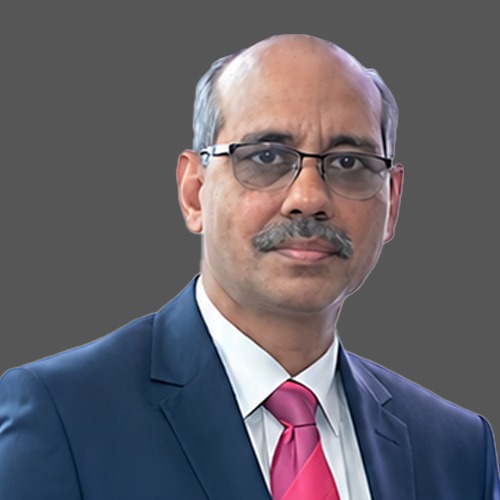
“The future lies in collaboration. It lies in authentic storytelling. It lies in technological innovation. It lies in consumer confidence. And above all, it lies in unified industry working together. Let us therefore work together to build a natural diamond industry that is trusted by consumer, empowered by technology, united in purposes and prepared for the generation to come. Thank you, and I wish DFHK and NDC every success in their continued efforts to strengthen the natural diamond industry globally”
Concluding his address, President Shah extended a warm invitation to members of the Hong Kong trade to attend the upcoming India International Jewellery Show (IIJS) in Mumbai.


National News
World Gold Council – India Gold Market Update
Gold ETF Inflows Continue For The Fifth Consecutive Month, While Imports Rebound In October; Futures Trading Activity Hits A Multi-Month Low

India’s gold market witnessed healthy festive demand in October and early November 2026, despite a correction in domestic and international gold prices, according to the latest India Gold Market Update by the World Gold Council (WGC). Buying during Dhanteras and Diwali remained broad-based across regions, with both jewellery and investment products witnessing encouraging demand. Meanwhile, gold ETFs continued to attract investor interest, while imports recovered from September’s lows.
Key Highlights
- Gold prices decline: International gold prices fell 6.3% in October to US$3,913/oz, marking the second consecutive monthly decline, amid expectations of further US Federal Reserve rate hikes, a stronger dollar and investor selling.
- Festive demand remains healthy: Retailers reported higher footfall and sales during Dhanteras and Diwali, with demand across jewellery, bars and coins.
- Gold ETFs maintain momentum: Indian gold ETFs recorded their fifth consecutive month of net inflows in October, attracting INR35 billion (US$364 million). The positive trend continued into November.
- Imports rebound: Gold imports more than tripled month-on-month to US$5.51 billion in October, supported by festive restocking and softer prices, although they remained significantly below year-ago levels.
- Futures trading slows: Average daily gold futures volumes on MCX declined 30% month-on-month to 12.7 tonnes, the lowest level since January 2025.
Gold Prices Witness Further Correction
After remaining relatively stable during the first half of October, international gold prices declined sharply, closing the month 6.3% lower at US$3,913 per ounce. This marked the second consecutive monthly decline, driven by expectations of further Federal Reserve rate hikes, a stronger US dollar and a shift in investor preference towards bonds. Selling pressure in gold futures also contributed to the decline.
Domestic gold prices followed the international trend, falling 1.8% during October. The correction extended into November, with international prices declining another 1% to US$3,870 per ounce by 12 November. Domestic prices registered a sharper 5.3% decline during the same period, partly due to a 1.7% strengthening of the Indian rupee against the US dollar since the end of October.
Domestic gold discounts also narrowed significantly, moving from an average of US$66 per ounce in September to US$5 per ounce by 12 November, reflecting improved seasonal demand.
Festive Gold Demand Remains Resilient
Despite elevated gold prices, the Indian jewellery market recorded healthy buying during the Dhanteras and Diwali period. Retailers across regions reported improved customer footfall and sales, supported by the correction in gold prices since mid-October.
According to retailer estimates, gold demand in value terms increased by 15–25% year-on-year, while volumes remained largely flat to marginally higher. Average gold prices during this year’s festive period were nearly 10% higher than during the corresponding period last year, with year-on-year prices up 17%.
Jewellery demand reportedly performed better than a year ago, with higher customer participation supporting overall sales. However, consumers continued to favour lighter-weight jewellery, while promotional offers and newer designs helped attract buyers.
Old-gold exchange remained an important contributor to jewellery sales, accounting for approximately 40–60% of transactions at several retailers. Meanwhile, demand for bars and coins was also healthy, particularly in smaller denominations ranging from 0.5g to 5g, reflecting the preference for token investment purchases.
Gold ETFs Record Fifth Consecutive Month of Inflows
Investor interest in financial gold remained strong, with Indian gold ETFs registering their fifth consecutive month of positive net inflows in October.
Inflows stood at INR35 billion (US$364 million), although this was 22% lower than September. Nevertheless, the figure remained above the average monthly inflows of INR24 billion recorded over the preceding six months.
Gold ETF assets under management declined 3% month-on-month to INR1,799 billion (US$18.8 billion) at the end of October, primarily reflecting lower gold prices. However, holdings increased by 2.2 tonnes to 126 tonnes.
Cumulatively, gold ETF holdings increased by 31.3 tonnes during January–October 2026, registering a 22% year-on-year growth. The momentum continued into November, with estimated net inflows of INR24.5 billion (US$262 million) between 1 and 11 November, adding another 1.75 tonnes to holdings.
The addition of 64,163 investor folios during October took the total number of gold ETF folios to 12.74 million. The continued inflows amid declining prices indicate that investors are increasingly using price corrections as opportunities to accumulate gold through financial products.
Gold Futures Trading Activity Weakens
India’s gold futures market witnessed a significant slowdown in October. Average daily turnover declined to INR176.5 billion (US$1.85 billion), while average daily trading volumes fell 30% month-on-month to 12.7 tonnes, the lowest level since January 2025.
The decline in trading activity was largely associated with softer gold prices, which may have reduced investor interest in hedging and speculative trading. The trend was consistent with the broader global slowdown in gold trading activity during the month.
India’s gold futures trading accounted for 0.5% of global gold trading volumes and 1.3% of global exchange-traded volumes in October.
Gold Imports Rebound in October
India’s gold imports recovered sharply in October after reaching subdued levels in September, recording their highest level in six months. The rebound was supported by festive restocking and relatively softer gold prices.
In value terms, gold imports stood at US$5.51 billion, more than three times September’s figure, although 63% lower year-on-year. Gross import volumes were estimated at approximately 70 tonnes, compared with 23 tonnes in September and 128 tonnes in October 2025.
Despite the monthly recovery, the seasonal import build-up remained below historical levels. Combined imports during September and October 2026 were estimated at around 93 tonnes, significantly lower than the 2021–2025 average of approximately 180 tonnes for the corresponding period.
The gap suggests that a portion of domestic demand was met through alternative supply channels, including recycled gold from old-gold exchange programmes and unofficial imports.
Overall, official gold imports during January–October 2026 amounted to US$47.36 billion, down 6% year-on-year, while gross import volumes were estimated at approximately 470 tonnes, registering a decline of around 14%.
Outlook: Lower Prices and Wedding Season to Support Demand
Looking ahead, the World Gold Council expects lower gold prices and the ongoing wedding season to support jewellery demand in India. However, any significant recovery in prices could affect consumer sentiment and moderate buying activity.
Investment demand is expected to remain steady, supported by continued interest in gold ETFs and the growing preference for financial gold as investors look to diversify their portfolios.



DMCC Concludes 14th Dubai Precious Metals Conference

Silver Wholesale Goes Digital: How India’s 925 Silver Trade Is Changing The Way It Buys and Sells

Malabar Gold & Diamonds Strengthens Its Presence in Lucknow With New Showrooms In Mahanagar and Patrakarpuram
Silver Wholesale Goes Digital: How India’s 925 Silver Trade Is Changing The Way It Buys and Sells

From White Gold to Sterling Silver: Gargi by PNGS Opens Its 51st Store in Akola
Malabar Gold & Diamonds Strengthens Its Presence in Lucknow With New Showrooms In Mahanagar and Patrakarpuram
-
 JB Insights16 hours ago
Silver Wholesale Goes Digital: How India’s 925 Silver Trade Is Changing The Way It Buys and Sells
-
 New Premises2 days ago
From White Gold to Sterling Silver: Gargi by PNGS Opens Its 51st Store in Akola
-
 New Premises16 hours ago
Malabar Gold & Diamonds Strengthens Its Presence in Lucknow With New Showrooms In Mahanagar and Patrakarpuram
-
 International News15 hours ago
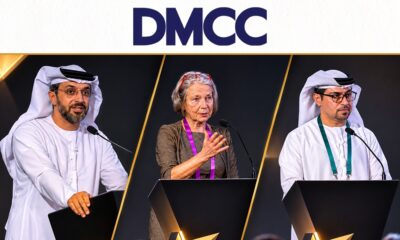
DMCC Concludes 14th Dubai Precious Metals Conference