
International News
Tiffany & Co.’s $1,500 Gold Paperclip Redefines Luxury in the Age of Perception
The iconic jeweller’s Everyday Objects line blurs the line between the ordinary and the opulent—proving that in modern markets, value is a matter of perspective.

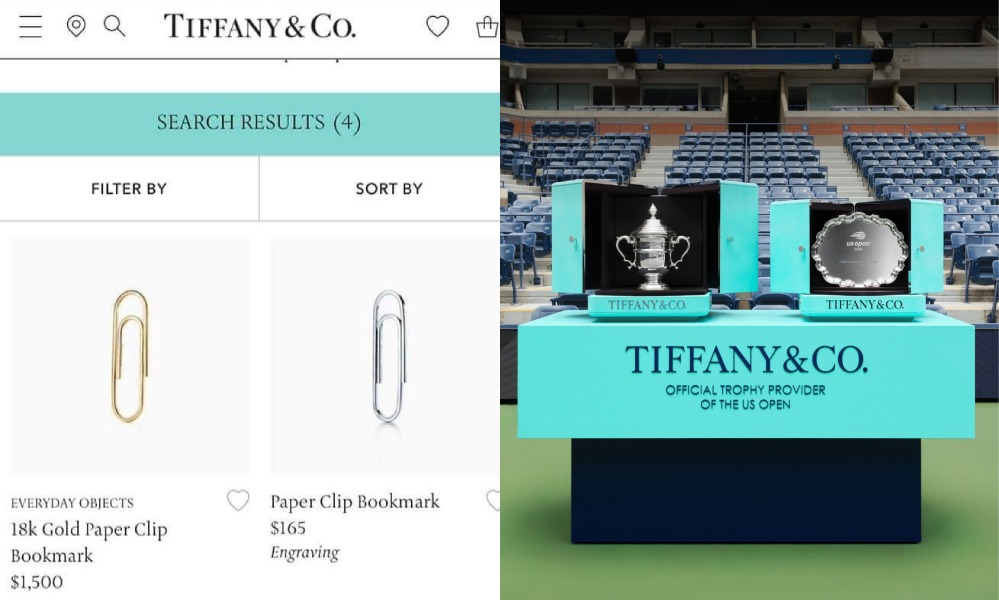
Tiffany & Co., the storied jewellery house known for its timeless elegance, turned heads with its unconventional Everyday Objects collection—featuring luxury takes on mundane items like table tennis paddles, sterling silver cups, and the now-iconic 18K gold paperclip priced at $1,500.
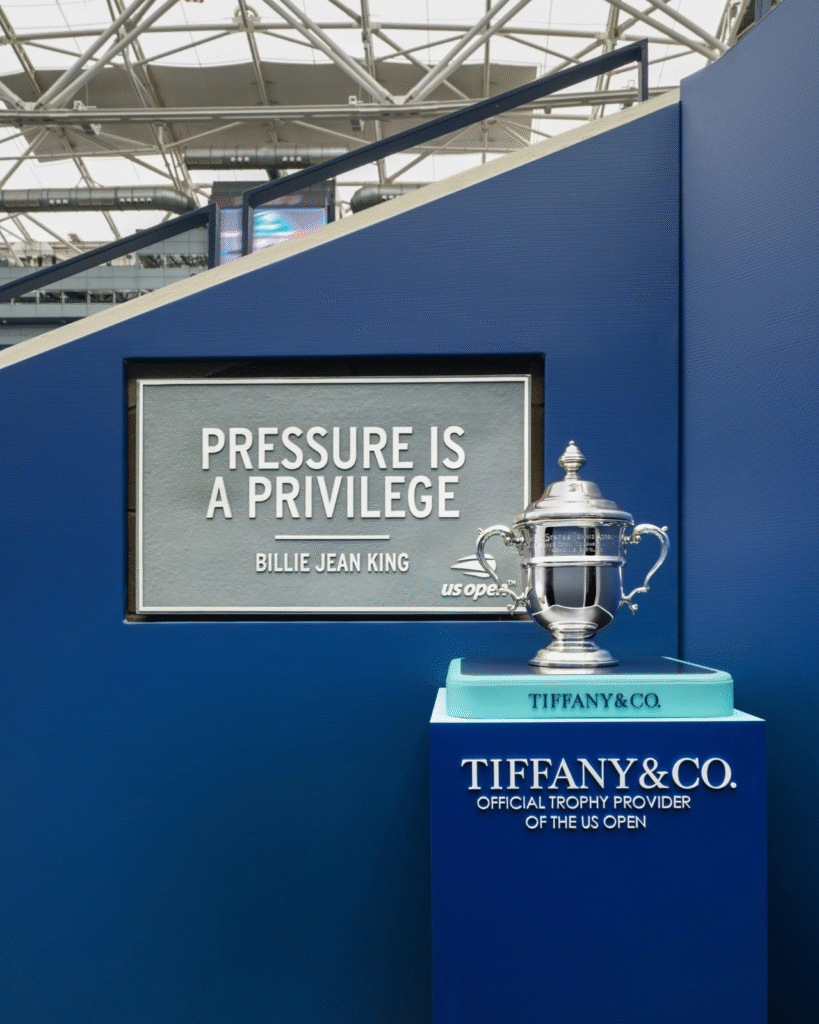
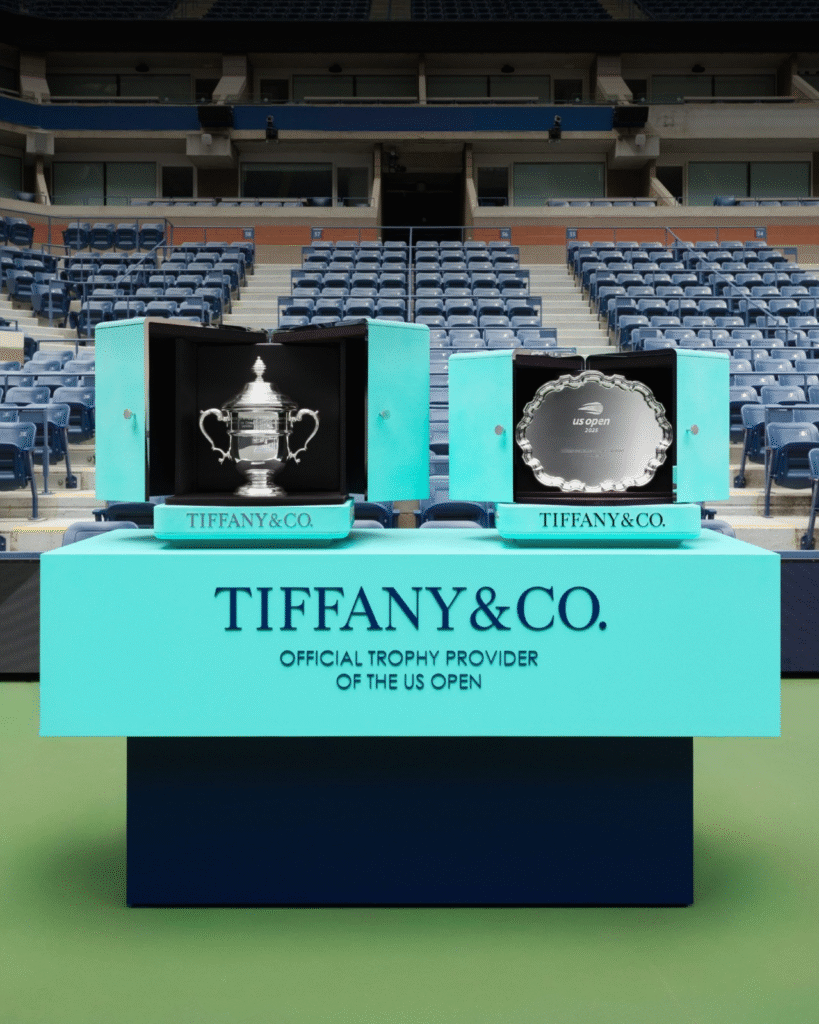
Far from a gimmick, the line is a deliberate pivot to attract a younger, design-conscious audience while reinforcing the brand’s ability to transform even the most utilitarian objects into statements of luxury. But beyond aesthetics, the paperclip has become a symbol of pricing power in an economy where inflation has sharpened the focus on value.
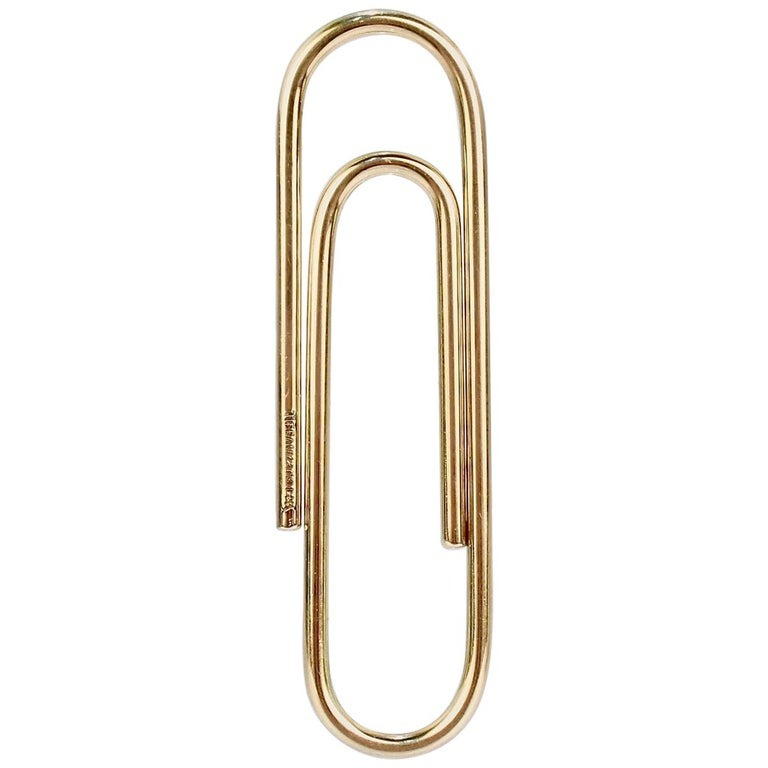
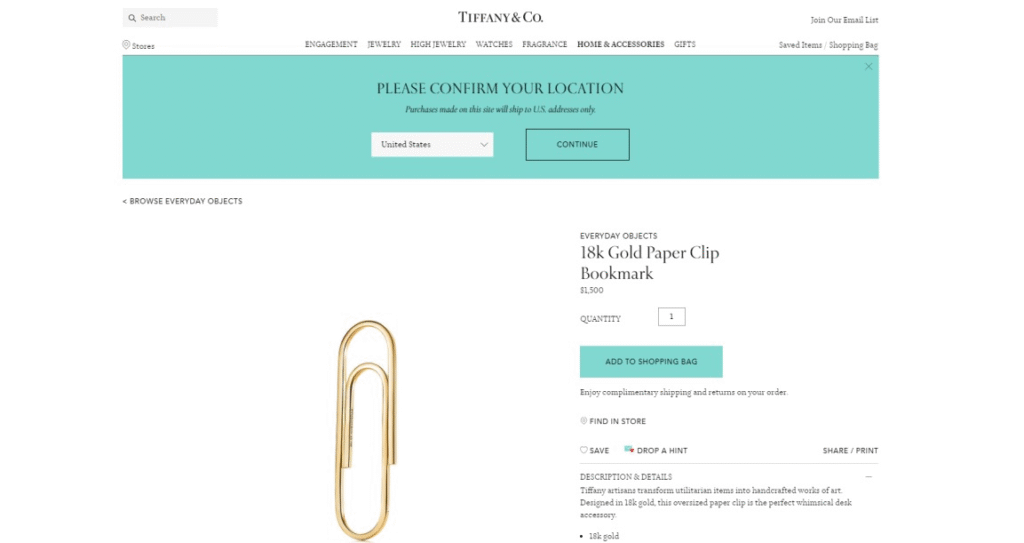
Analysts say the product underscores how modern luxury is driven less by raw material costs and more by perception, craftsmanship, scarcity, and branding. Retail strategists note that the high price of items like Tiffany’s gold paperclip is not primarily about the material itself, but rather about the story behind it, the sense of exclusivity it offers, and the powerful influence of the Tiffany & Co. brand.
As consumers increasingly seek individuality and meaning in the products they buy, Tiffany’s Everyday Objects line—once polarizing—is now seen as a bold case study in brand evolution and psychological value creation.
The $1,500 gold paperclip holds together a compelling narrative about how luxury is being redefined in the 21st century.


International News
Nike Enters Jewellery Market With First-Ever Collection Priced Up To $5,750
The Sportswear Giant Expands Into Jewellery, Bringing Its Brand Identity To A New Category With Premium-Priced Pieces.

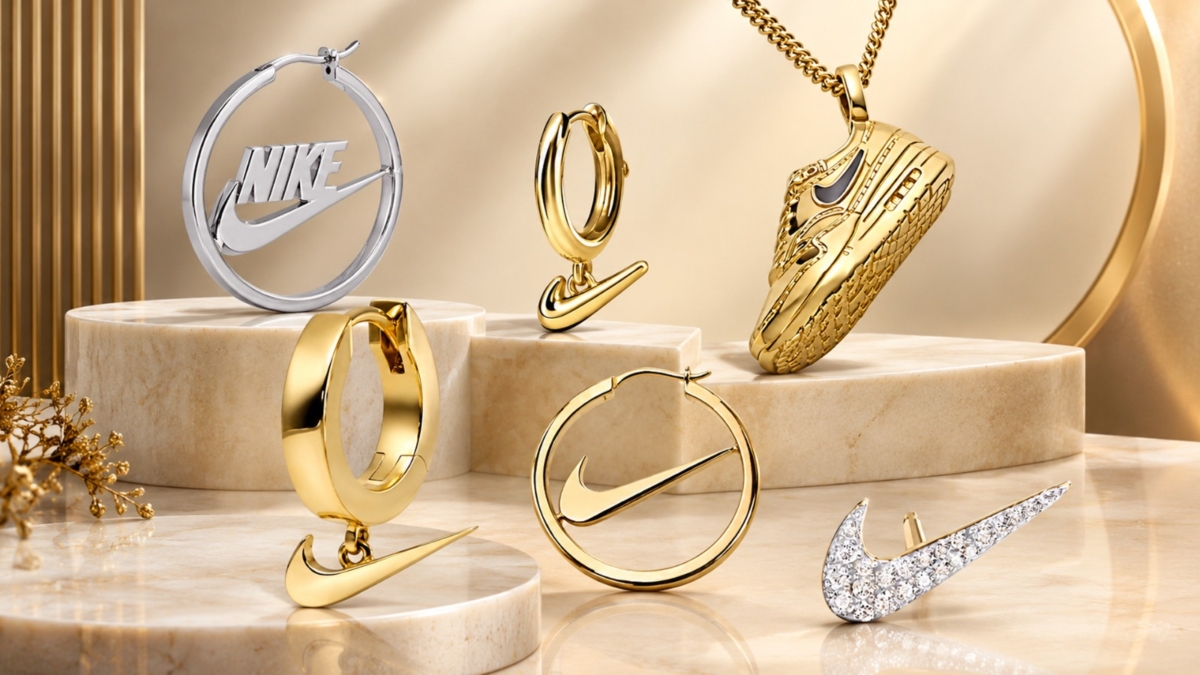
Nike is extending its brand into the jewellery market with its first dedicated jewellery collection, featuring necklaces, earrings and pendants inspired by its signature designs. The range includes a miniature Air Force 1 pendant necklace priced at $5,750, making it the collection’s standout piece.
The lineup also features a crystal-covered Swoosh necklace at $1,750, Swoosh earrings priced at $995 and an Air Max 1 pendant at $395. More accessible designs include Swoosh necklaces and hoop earrings in silver and gold finishes.
The collection combines sportswear culture with premium accessories, transforming Nike’s recognisable logos and footwear silhouettes into wearable jewellery. The range is scheduled to begin releasing through Nike’s SNKRS platform on 29 October 2026, with availability varying by design.



Malabar Gold & Diamonds Unveils ‘SWAYE’, A Natural Diamond Collection Inspired By Spiral Forms and Modern Elegance

Nike Enters Jewellery Market With First-Ever Collection Priced Up To $5,750

Kylie Jenner Debuts At Victoria’s Secret Show In $50 Million Fantasy Bra By Jacob & Co.
Malabar Gold & Diamonds Unveils ‘SWAYE’, A Natural Diamond Collection Inspired By Spiral Forms and Modern Elegance

Limelight Lab Grown Diamonds Crosses 100 Stores Milestone This Dussehra: Targets 200 In 2027
Kylie Jenner Debuts At Victoria’s Secret Show In $50 Million Fantasy Bra By Jacob & Co.
-
 BrandBuzz3 hours ago
Malabar Gold & Diamonds Unveils ‘SWAYE’, A Natural Diamond Collection Inspired By Spiral Forms and Modern Elegance
-
 National News2 days ago
Limelight Lab Grown Diamonds Crosses 100 Stores Milestone This Dussehra: Targets 200 In 2027
-
 DiamondBuzz3 hours ago
Kylie Jenner Debuts At Victoria’s Secret Show In $50 Million Fantasy Bra By Jacob & Co.
-
 International News3 hours ago
Nike Enters Jewellery Market With First-Ever Collection Priced Up To $5,750
