International News
The lamp of positivity, optimism and hope will illuminate this festive season


The air is thick with positivity and optimism. The import duty reduction in precious metals has charged and energized the industry, especially the gold jewellery segment. With regard to y-o-y increase in sales, there are varying predictions- from 10 percent to as much as over 30 percent.
The buzz is not restricted to the big metros; in fact, some Tier 2 and 3 cities are outperforming large metro cities. And, gold price increase is not deterring consumers from making purchases.
Trade and industry experts opined that the import duty cut on gold could alter the gold purchasing behavior of Indian consumers, especially affecting their tendency to shop in Dubai. Jewelers expect a significant decrease in gold prices in India, boosting local purchases and production. This adjustment may shift nearly half of retail business back to India.
Besides buying interest in jewellery there is action in ETFs and bars and coins. Within jewellery, there is growing demand for lightweight pieces. In case of bar and coin, demand is being supported by consumers as well as jewellers, who are taking advantage of favorable gold prices to stock up for future manufacturing needs.
Substantial increase in footfalls across showrooms in India reflects a positive consumer sentiment towards gold. Importantly, there has been renewed interest from millennial and Gen-Z consumers; this will largely add to acceleration in demand momentum.
The dual impact of two factors—enhanced affordability due to lower duties and the seasonally high demand for jewellery—suggests that jewellery sector is on track for a significantly higher sales volume this year.
Our special report which comprises views and opinions of India’s leading players of the GJ sector underscores the fact that positivity, optimism and hope will illuminate this festive season.
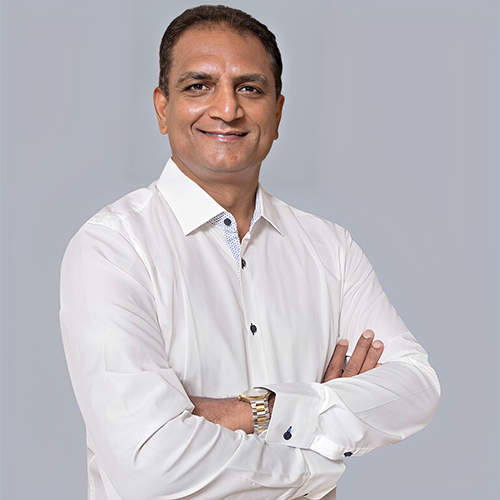
Vipul Shah Chairman, GJEPC:
The recent duty cut on precious metals has undeniably brought in a positive sentiment into the Indian jewellery market. As we approach the festive season, I anticipate a surge in demand for fine jewellery, with sales potentially surpassing those of last year. Based on current trends, consumers are showing a strong preference for intricate designs and personalized pieces, especially for weddings and other celebrations.
Saiyam Mehra Chairman- GJC Director-Unique Chains Pvt Ltd :- The recent cut in import duties on precious metals, has significantly boosted market sentiment in the GJ industry. We predict this will drive increased sales, with gold and jewellery retailers’ revenues projected to grow by 22-25% this fiscal year. Challenges such as fluctuating gold prices and increased competition persist, but the overall outlook remains positive. In 2024, the sales outlook for the GJ industry in India is expected to be slightly higher than last year, driven by strong consumer demand, especially for gold and bridal jewellery.
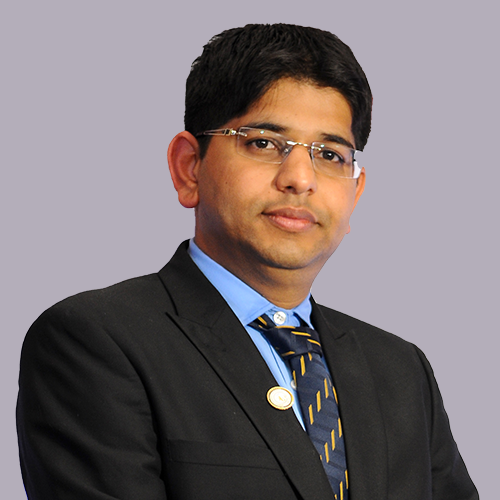
At Unique Chains we are planning to launch a new range of light weight jewellery and antique collections. We are also coming up with newer varieties in bridal set to prepare ourselves for the upcoming wedding season. These collections reflect the growing demand for statement pieces that blend traditional craftsmanship with contemporary design, making them perfect for both the festive and wedding seasons.
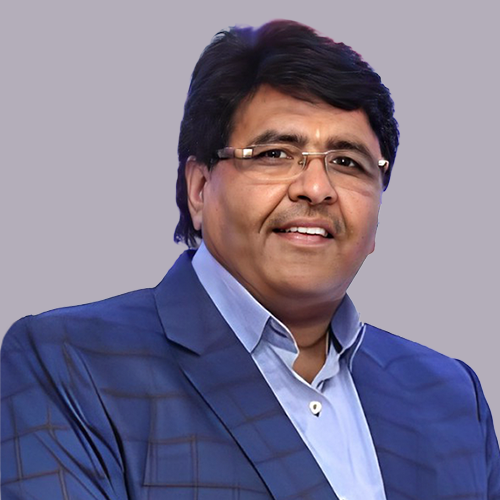
Prithviraj Kothari, National President- IBJA MD- RiddiSiddhi Bullions Limited (RSBL):- For bullion, the lower prices are likely to attract more investors, especially those seeking a haven amid economic uncertainties and inflationary pressures. Retail investors might also find gold more appealing as a long-term investment option, leading to higher sales volumes.The reduction in retail gold prices by approximately ₹4,500-5,000 per 10 grams is expected to enhance affordability, leading to a 5-10% increase in volume sales this fiscal year.
In the jewellery sector, the price reduction is expected to boost consumer spending, with retailers anticipating a surge in demand as customers take advantage of lower prices to make purchases for weddings and festivals. The combination of cultural significance and reduced costs is likely to drive sales growth, with Crisil Ratings predicting a 22-25% increase in revenue for jewellery retailers this fiscal year. Overall, the market sentiment remains positive, with robust growth anticipated in the jewellery sector.
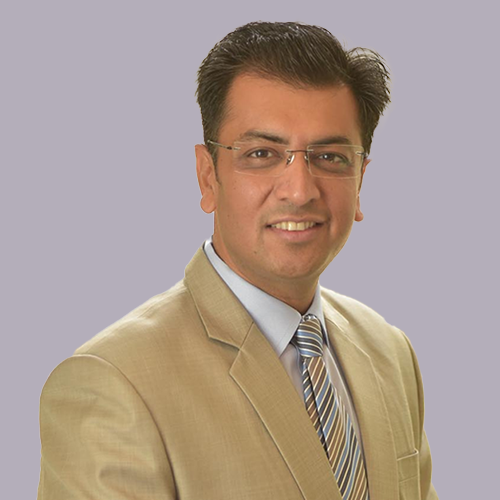
Sachin Jain Regional CEO, India, World Gold Council :- Demand for gold in India has improved post the duty reduction in the budget, which has lowered the landed cost of gold. Jewellery manufacturers have indicated that there has been a substantial rise in order bookings from jewellery retailers, who are gearing up for the festive and wedding season running through till December.
There has been buying interest in jewellery, ETFs and bars and coins. Within jewellery, there is growing demand for lightweight pieces. In case of bar and coin, demand is being supported by consumers as well as jewellers, who are taking advantage of favorable gold prices to stock up for future manufacturing needs.
Vaishali Banerjee MD – India, Platinum Guild International:- Looking forward to Q4, we’re entering the peak festive and marriage season – a period replete with buying occasions. It will be a special season for us at PGI, especially with the launch of the M.S. Dhoni Signature Edition timed perfectly for Diwali. All three of our brands—Platinum Love Bands, Platinum Evara, and Men of Platinum—will be active during this time, making Q4 an action-packed quarter filled with opportunities to engage with consumers and drive growth.
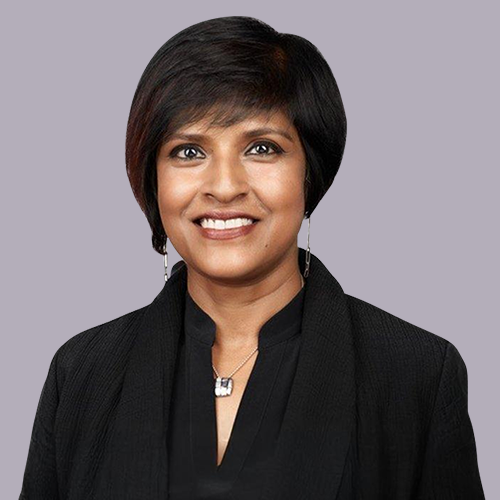

Richa Singh MD- India and Middle East, Natural Diamond Council :-Jewellery, and natural diamonds, have been culturally significant to Indians. We have a deep-rooted tradition of adorning ourselves with ornaments as a way to showcase our personality, our mood and to celebrate ourselves. India is today the globe’s second largest market for natural diamonds and consumer demand is growing faster here than anywhere else in the world. There is no bigger proof for the love consumers have for our category and the onus is on us to showcase the best of this miracle of nature. With such exquisite natural diamond craftsmanship and talent present in our industry, I am excited for the season ahead.
Joy Alukkas– Chairman – Joyalukkas Group :-We are excited to see the positive and optimistic sentiment which will carry into the festive and marriage season. There is year on year increase in jewellery sales- and this year too we will see an increase of around 15- 20 per cent. Gold price increase will not deter consumers from making purchases.

While all jewellery segments will see growth, the lightweight jewellery, ordinary plain jewellery and diamond jewellery segments will see a greater spike. We are very positive, and will conduct aggressive marketing and promotional campaigns.
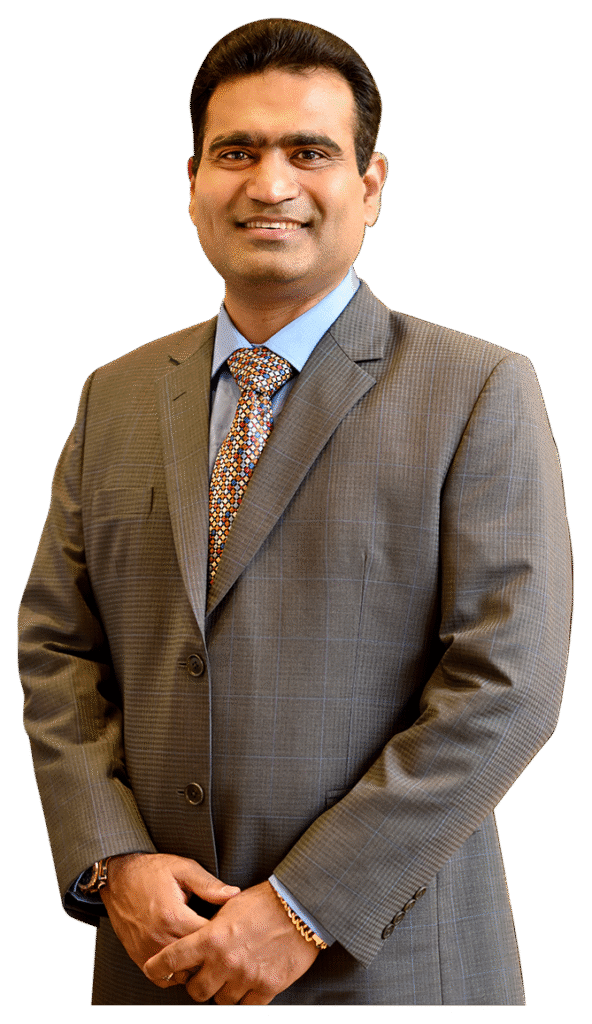
Rajesh Kalyanaraman Executive Director- Kalyan Jewellers:-Substantial increase in footfalls across our showrooms in India reflects a positive consumer sentiment towards gold, which remains India’s most-preferred investment option. There has been renewed interest from millennial and Gen-Z consumers, and this has led to acceleration in demand momentum for traditional temple jewellery as well as polki and uncut jewellery pieces. We believe this consumer demographic is further playing a critical role in the growing popularity of platinum jewellery pieces as well as dual-tone jewellery designs.
In a bid to capitalize on this nationwide momentum for jewellery from Tier-2 markets, we are adopting an aggressive expansion strategy taking our service-backed shopping experience to more patrons. In line with this, we have announced plans to launch 35 new Kalyan Jewellers showrooms before Diwali and a total of 80 showrooms in FY25. With the upcoming festive and wedding season around the corner, we are optimistic that the industry will witness a significant uptick in demand for jewellery.
Dr Chetan Kumar Mehta,President -Jewellery Division India, IBJA,President -JAB,CMD- Laxmi Diamonds, Bengaluru:-
The jewellery trade and industry is happy and delighted at the booming market. This festive season we will see 30% increase in jewellery sales over last year. While gold, as always will do well, we expect silver and diamonds to majorly contribute to growth in sales. Mid-range jewellery collections will see robust sales. Diamonds+colour gemstones jewellery is trending. Consumers are increasingly preferring jewellery with precious gemstones surrounded by diamonds.

Ashish Pethe – Partner, Waman Hari Pethe Jewellers:- The import duty reduction on gold and precious metals announced in this year’s budget has buoyed consumer sentiment and driven jewellery sales. There is buying all around. In terms of jewellery sales region wise, we have observed that Tier 2 and 3 cities are performing better than the big metros.

A major factor driving sales is consumers preponing wedding jewellery purchases. Even if the marriage is scheduled for December, purchase is taking place in August. Sales growth is seen across all segments. And every festive occasion be it Rakshabandhan or Ganesh Chaturthi is seeing robust jewellery sales.

Varghese Alukka Managing Director-Jos Alukkas group :- The recent duty cut on precious metals too will have a positive impact in the sale of Jewellery. We have special designs and jewellery collections for this festival season. Gold jewellery has always played a big part in all celebrations in India, especially south India. Based on the shopping trends and statistics so far, we expect almost 30% increase in overall sales.
Talking about customer preferences in gold trends, it would be apt to say that there is a demand for everything. Jewellery designs for the working woman of today is a hugely popular collection. Bridal and festive pieces also will see a big demand in the coming months.
Shamlal Ahamed MD- International Operations, Malabar Gold & Diamonds:- The surge in gold prices is a further testament to the asset’s value-appreciating nature and expressed his hope that record prices will not affect the jewellery sales during the upcoming festive season. While the initial surge might lead to some hesitation among customers, this is often short-lived.

Historically, gold prices have consistently risen, and customers tend to adjust to new pricing levels over time, recognizing its long-term value and reliability. We are expecting the festive season to bolster jewellery sales, when customers typically focus on purchasing gifts for their loved ones and upholding traditions. “

Colin Shah–MD, Kama Jewellery The price correction in gold after the custom-duty cut will be passed down to the buyers, ultimately driving up sales. Buyers are eventually but steadily shifting from the traditional hobby of investing in bullion and gold-forward jewellery. Instead, the demand for lightweight or contemporary jewellery is gaining significant traction, influenced by the buying habits of young demographics. Due to this, we look forward to an uptick in demand by 10-15% during this phase as compared to the rest of the year.
Jayantilal Challani –Director -Challani Jewellery Mart Pvt Ltd
We expect the yellow metal to reach greater heights with the rush of wedding season and festivals. Customers are inching towards bespoke and minimalistic jewellery creations. For example, male engagement rings have become common now. This new wave of minimalistic jewellery is likely to make a big stay with modern women look for simple diamond ear rings, necklaces and bracelets. The desire for personalized, innovative and unique jewellery pieces is a the new hot trend that every woman yearn for.
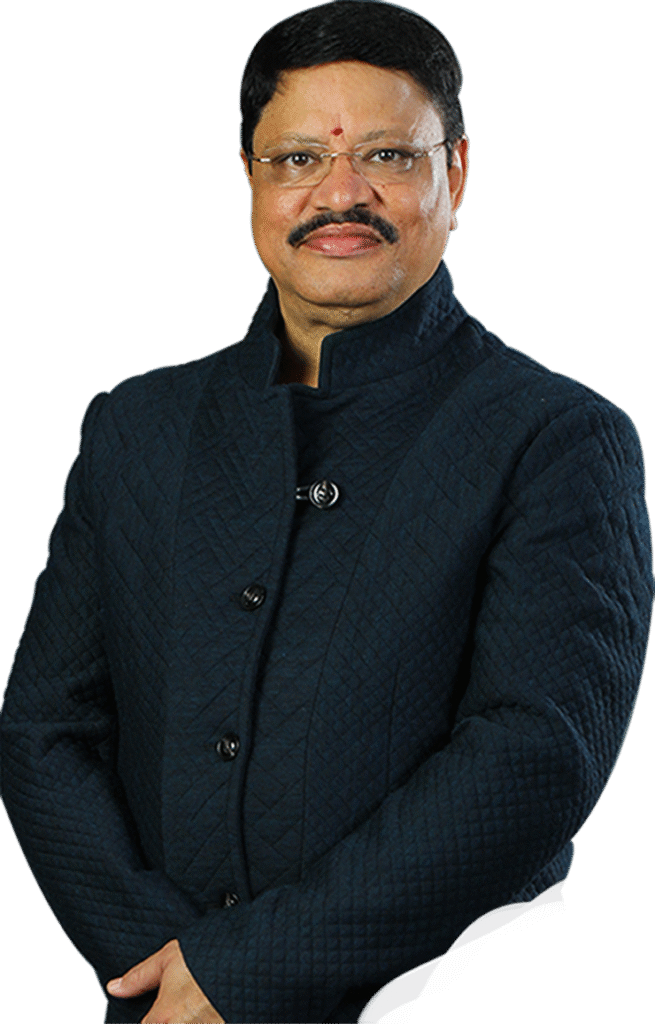

Dr.Pratap Kamath–MD-Abaran Timeless Jewellery Pvt Ltd. Gold and silver have done extremely well since the third week of July when the duty was cut. Also the auspicious month of Shravan since August has several festivals as per the Hindu Calendar and this has contributed to the increase in sales.
Speaking of trends, Temple jewellery and bridal jewellery have been the leading categories followed by light weight traditional jewellery. in silver, traditional silverware like diyas and l pooja articles have done very well. in diamonds it’s been light to medium range diamond jewellery
Saket Keshri–Director- Ratnalaya Jewellers– Compared to the same period last year, our sales figures are already showing considerable improvement. Month-on-month turnover has increased, bolstered by the recent duty cuts and the upcoming festive season. The dual impact of these factors—enhanced affordability due to lower duties and the seasonally high demand for jewellery—suggests that we are on track for a significantly higher sales volume this year.
To cater to the growing demand and the evolving tastes of our customers, we’ve introduced Bridal Jewellery Collection, Everyday Wear Jewellery Collection and Men’s Jewellery Collection


Amarendran Vummidi
Managing Partner, Vummidi Bangaru Jewellers The fact that precious metals are more affordable now, especially during the season when festivals like Dassera and Diwali are lined up, is making things favorable for the domestic consumers. The wedding season is also on and that implies that purchases will increase.
Vintage-inspired pieces that reimagine classic motifs paired with vibrant gemstones are becoming a favourite among the youth. Demand is always there for antique temple jewellery which is used for weddings. Minimalistic jewels are chosen by those who wish to use them with western attire and for everyday purposes.
Deepak Soni -Kartikey BullionEast India Head – IBJA
We see approximately reductions of Rs 5 lakh/kg in gold and Rs 7000/ kg in silver costs reduced after cut in customs duty. Jewellers can now focus on designing and marketing, leading to a boost in business.
Speaking of trends, light weight jewellery for daily wear and antique kundan and nakshi Jewellery are in demand. Tarquish and LGD have made their mark in the market.








International News
GJEPC Promotes Key Trade Events At IGI Dubai Event
The Dubai Event Created Opportunities For Participating Indian Exporters To Connect Directly With Potential Buyers.

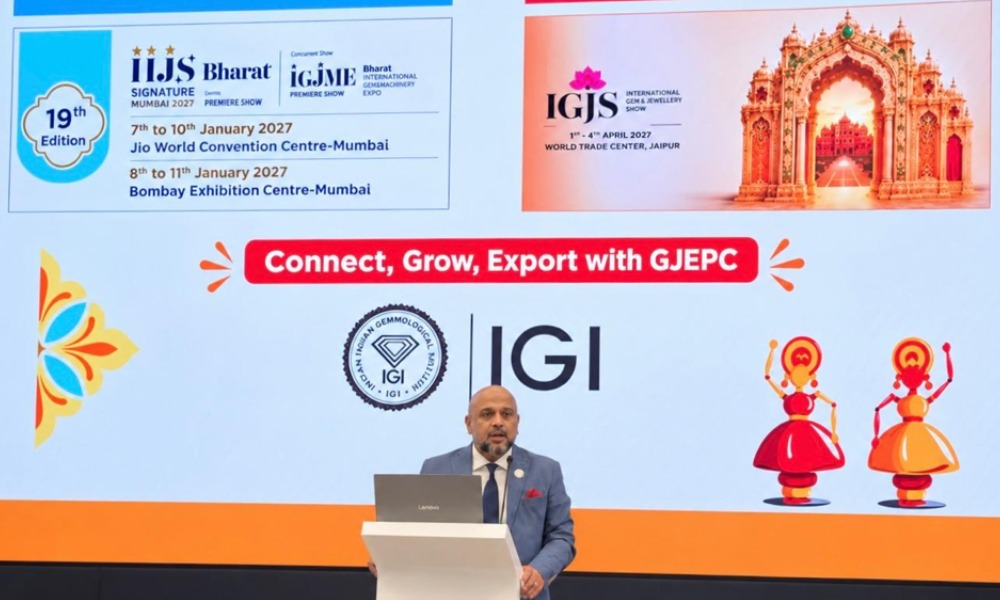
GJEPC stepped up its international buyer outreach for IIJS Bharat – Signature 2027, IGJS Jaipur and IJEX at an industry event organised by the International Gemological Institute (IGI) in Dubai.
Held at the Almas Tower Ballroom in Jumeirah Lake Towers, the IGI Ornamental QC Seminar brought together an audience of more than 70 jewellers, with leading retailers including Jawhara, Joyalukkas, Tajvi, Vinsmera, La Marquise, Bhima and Cara among the expected participants.
Ashish Sakhardande, Head – IJEX, GJEPC, represented the Council and delivered a presentation on its upcoming exhibitions and initiatives, placing particular emphasis on IIJS Bharat – Signature 2027, IGJS Jaipur and IJEX, highlighting its new features and inviting UAE buyers to register for the Mumbai and Jaipur shows.
The UAE remains an important market for Indian jewellery exporters, making direct engagement with retailers and jewellery companies a key part of the buyer mobilisation strategy.
The Dubai event created opportunities for participating Indian exporters to connect directly with potential buyers. Business meetings and networking interactions were facilitated with several UAE-based companies, allowing exporters participating through IJEX to develop new commercial contacts.


Kangana Ranaut Unveils PNG Jewellers New Showroom In Ayodhya~

GGJS 2026 Concludes With High-Volume Trade and Strategic Focus On Next-Gen Leadership

The Solitaire Festival Of India Concludes; Bumper Prize Winner At Ranka Jewellers Wins XUV 7XO
GGJS 2026 Concludes With High-Volume Trade and Strategic Focus On Next-Gen Leadership

ABARAN Commemorates The 125th Birth Anniversary Of Founder Shri Burde Sadananda Kamath With Special Gold Coin Launch

MCX Gold Silver Futures See Dip
-
 National News2 hours ago
GGJS 2026 Concludes With High-Volume Trade and Strategic Focus On Next-Gen Leadership
-
 National News6 hours ago
ABARAN Commemorates The 125th Birth Anniversary Of Founder Shri Burde Sadananda Kamath With Special Gold Coin Launch
-
 National News6 hours ago
MCX Gold Silver Futures See Dip
-
 National News37 minutes ago
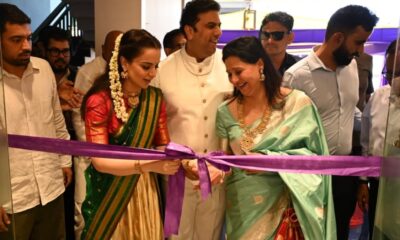
Kangana Ranaut Unveils PNG Jewellers New Showroom In Ayodhya~