

JB Insights
Tanishq- Natural Diamonds- How to Choose Your Natural Diamonds. A thoughtful Guide to Meaningful Luxury
Looking beyond trends to choose diamonds of lasting meaning


Natural diamonds are extraordinary gifts of nature, which is formed over billions of years deep within the earth under intense heat and pressure. Each natural diamond is completely unique, shaped by time itself. This rarity and natural origin make diamonds powerful symbols of authenticity, emotion, and enduring beauty. If you are planning to buy a natural diamond, understanding what truly matters will help you make a confident and meaningful choice.
The Origin of Natural Diamonds
Natural diamonds are not created in laboratories or factories; they are formed deep within the earth over billions of years. This remarkable journey makes each diamond rare and irreplaceable. When you choose a natural diamond, you are choosing a piece of the earth’s history, which is why these stones often become cherished markers of life’s most important moments and milestones.
Understand the 4Cs—Holistically

The 4Cs—Cut, Colour, Clarity, and Carat—are the universal benchmarks for evaluating diamonds. While each C matters, their true value lies in how well they work together, along with a diamond’s light performance. Light performance refers to how effectively a diamond interacts with light—how it enters, reflects, refracts, and returns brilliance to the eye. In natural diamonds, this interaction is influenced by unique growth patterns formed over billions of years, creating depth, fire, and scintillation that are difficult for synthetic diamonds to replicate consistently. As a result, a slightly smaller natural diamond with excellent cut and superior light performance can often appear more vibrant than a larger stone with weaker proportions or synthetic characteristics. Trusted jewellers prioritise this balance to deliver enduring beauty and long-term value.
Cut: The Foundation of Brilliance
Cut plays the biggest role in how a diamond looks to the eye. It determines how light enters, reflects within, and exits the diamond. A well-cut natural diamond appears lively, bright, and full of sparkle.
A superior cut reveals:

- Brightness, or the return of white light
- Fire, the colourful flashes you see when light disperses
- Scintillation, the sparkle created when the diamond moves
Even diamonds with high carat weight can look dull if the cut is poor, which is why cut is often considered the most important of the 4Cs.
Clarity: Nature’s Unique Signature
Clarity refers to natural inclusions formed during the diamond’s creation process. These tiny characteristics are like a diamond’s fingerprint—no two are ever the same. Diamonds are graded from Flawless (F) to Included (I) based on the visibility of these inclusions.
Most jewellery-quality diamonds fall within this scale, and many buyers prefer diamonds whose inclusions are not visible to the naked eye, allowing them to enjoy both beauty and value. These natural features also serve as proof of a diamond’s authenticity.
Colour: Subtle Differences That Matter
Diamond colour is graded on a scale from colourless to light yellow. The less colour present, the rarer the diamond appears. However, many near-colourless diamonds look equally beautiful to the naked eye and offer excellent value.

- Colourless (D–F) diamonds appear crisp and bright
- Near Colourless (G–J) diamonds offer a balance of beauty and affordability
- Faint Yellow (K–M) diamonds have a warmer tone
Choosing the right colour also depends on the jewellery setting, as metal tones can enhance or soften the diamond’s appearance.
Carat: Understanding Weight, Not Just Size

Carat measures a diamond’s weight, with one carat equal to 0.20 grams. While larger diamonds require greater investment, carat alone does not define beauty or brilliance. A well-cut smaller diamond can often appear larger than a heavier diamond with poor proportions. Understanding carat in relation to the other Cs helps buyers make smarter, more satisfying choices.
Insist on Certification and Transparency

Certification provides assurance that a diamond has been professionally evaluated for quality and authenticity. Transparent grading and responsible sourcing help buyers understand exactly what they are investing in. Tanishq’s commitment to certification and transparency ensures peace of mind with every natural diamond purchase.
Choose Ethical and Responsible Luxury

Today’s luxury consumers value integrity as much as beauty. Supported by the Natural Diamond Council, natural diamonds contribute to responsible mining practices, community development, and sustainable livelihoods. Choosing ethically sourced natural diamonds adds deeper meaning and purpose to your jewellery.
Seek Expert Guidance

Buying a natural diamond is a personal journey, and expert guidance can make all the difference. Consulting trusted jewellers like Tanishq helps buyers understand fine details, compare options, and choose a diamond that balances beauty, authenticity, and long-term value. Choosing a natural diamond is about more than sparkle—it is about knowledge, trust, and emotion. Guided by the Natural Diamond Council’s commitment to education and Tanishq’s legacy of craftsmanship and transparency, every natural diamond becomes a meaningful expression of timeless luxury.
Get Your Diamonds Checked at the Diamond Expertise Centre

For added reassurance, customers can get their diamonds checked at the Diamond Expertise Centre, created in collaboration between Tanishq and De Beers. Combining advanced detection technology with the expertise of trained gemologists, the centre enables customers to accurately identify natural diamonds and understand the science behind their selection. Through transparent, hands-on evaluation, customers gain deeper insight into their diamond’s authenticity, quality, and light performance—empowering them with knowledge, confidence, and complete peace of mind throughout the buying journey.
Let Diamond Science Guide Your Decision

One of the most reliable ways to choose a natural diamond is through transparent, science-backed evaluation rather than visual appeal alone. At the Tanishq’s Diamond Expertise Centre, created by Tanishq in collaboration with De Beers, customers gain a clear understanding of what they are buying through expert guidance—prioritising proof over promise. Through guided walkthroughs and hands-on evaluations, customers experience how advanced diagnostic tools—Lightscope, SynthDetect, Hearts & Arrows Viewer, Girdle Marking Viewer, and Inclusion Viewer—work together to assess light performance, verify natural origin, study symmetry, and examine inclusions and laser markings. By making diamond science transparent and interactive, the centre empowers customers to make informed choices with clarity and confidence, reinforcing trust at every step of the natural diamond journey.
True Rarity Can’t Be Replicated


Natural diamonds are precious not just for their beauty, but for their rarity and the extraordinary journey that brings them to life. Formed deep within the earth over billions of years, no two natural diamonds are ever the same—each carries its own unique character, inclusions, and story shaped by time and nature. This inherent rarity gives natural diamonds an enduring emotional and intrinsic value that goes beyond trends or technology. Choosing a natural diamond is a choice rooted in authenticity, permanence, and legacy—a symbol meant to be cherished today and passed on for generations to come.
Think Beyond Trends
While jewellery trends evolve over time, natural diamonds remain timeless. Classic solitaires, elegant earrings, and versatile diamond necklaces continue to be relevant year after year. These pieces are not just fashion statements—they are heirlooms that carry stories across generations.
Choosing a natural diamond is ultimately a decision rooted in thoughtfulness, trust, and enduring value. It is about recognising the rare journey of a stone formed by nature, understanding its science-backed authenticity, and selecting a piece that resonates with personal meaning rather than passing trends. Guided by transparency, expert insight, and a commitment to responsible luxury, a natural diamond becomes more than jewellery, it becomes a lasting symbol of life’s most meaningful moments, cherished today and preserved for generations to come.



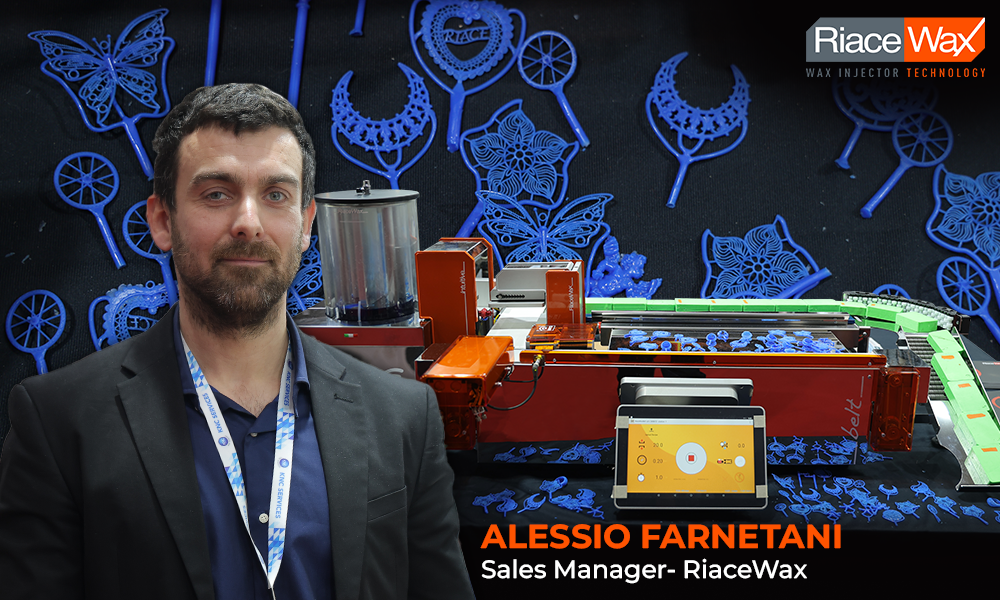
Riacetech Srl is a dynamic and technologically advanced company. It focuses its core business on the creation of innovative wax injectors, fully controllable and programmable. It provides all the companies in the casting industry with a wide range of totally automatic and certified machines, all with different functionalities and configurations, that are suitable for Industry 4.0 and meet all the needs of the jewellery and fashion accessories world. It also provides a wide variety of consumable products.
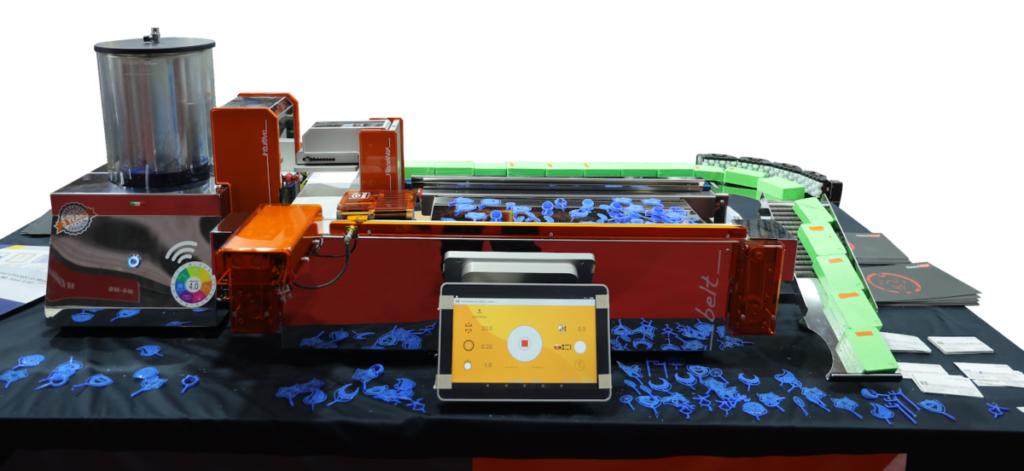
The RiaceWax AUTOMATIC BELT SYSTEM INTUITIVE injector belongs to the Intuitive line and retains all its features; it can inject up to 20 molds of different sizes at the same time by loading them automatically and speeding up the entire production process thanks to the self-centering function on the molds of different sizes; it can create light and very thin objects, maintaining their weight over time.
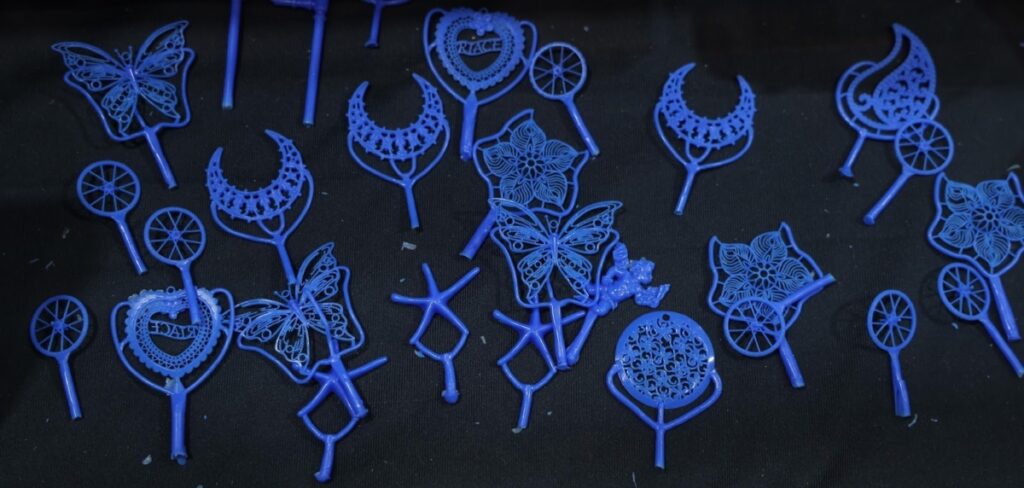
Fully controllable from a 10.1” industrial PC, it can double the standard daily production, realising up to 4800 pieces in 8 hours, injecting moulds of very different sizes with the help of only one operator and reducing the number of defective waxes.
An Android tablet is the control unit of both the machine and the loading system, with specially developed apps that also allow checking statistics and productivity. Thanks to the ability to connect remotely, it is compatible with Industry 4.0.
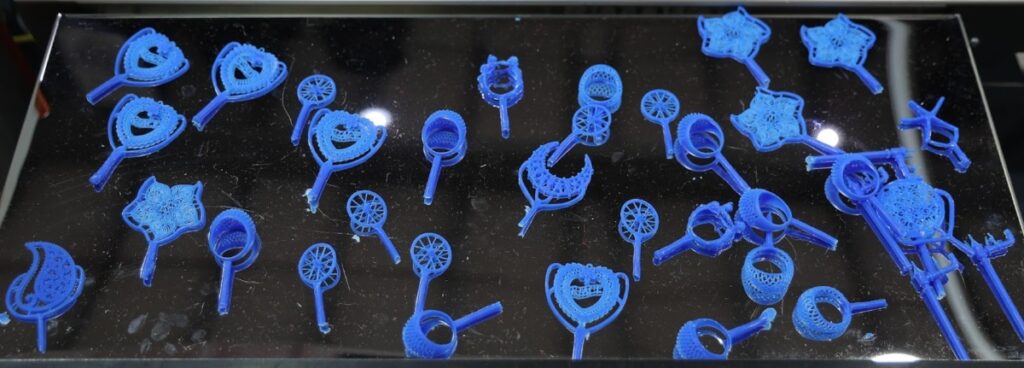
It is equipped with a transparent melting tank with a constant vacuum system, digital sensors to control the pressures that always allow for checking the graphs of the vacuum trend on the molds during injection from the tablets, an RFID reader, a TC-700 cooler, a 16-cmc injection syringe with final temperature regulation and a self-centring clamp with 120x90mm plates.
This machine is designed to accommodate a versatile range of mould sizes, supporting dimensions from a minimum of 50 x 30 x 12 mm up to a maximum of 120 x 90 x 47 mm. The unit itself weighs 75 kg with a physical footprint of 130 x 72 x 53 cm.
Alessio Farnetani, Sales Manager-RiaceWax, underscoring the USP, said, “This machine works without any downtime and reduces errors. There has been a good response from Indian jewellery manufacturers because this system speeds up production, maintains quality and ensures weight consistency, which is critical given rising prices of gold.”


-

 GlamBuzz2 hours ago
Forevermark Diamond Jewellery Opens New Store in Patna
-

 BrandBuzz15 hours ago
De Beers Group Partners With Suryakumar Yadav To Celebrate A Journey of Resilience and Rare Brilliance
-
 National News16 hours ago
Hari Krishna Exports Hosts Wellness Seminar To Promote Holistic Health
-
 BrandBuzz16 hours ago
Jacob & Co. Opera Godfather Baguette: A Mobster Masterpiece
