
International News
Platinum jewellery demand continues resilience amid market fluctuations
A premium December showcase offering exclusive diamond collections, NRI-focused benefits, and exceptional value across all Bhima stores from 8th December 2025 to 11th January 2026.

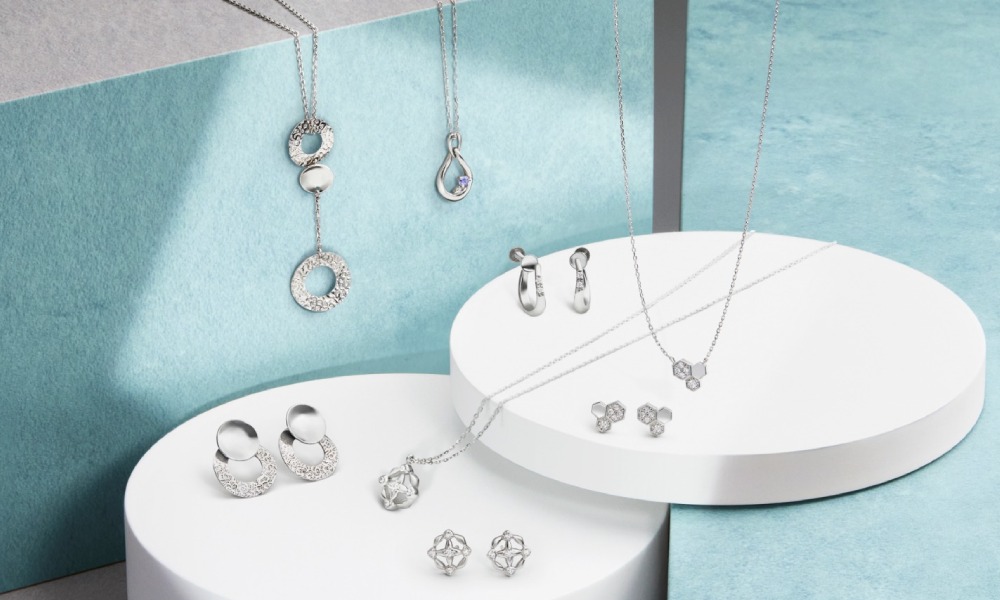
Global platinum jewellery demand has shown notable resilience in the third quarter, as consumers in key markets seek value and authenticity amidst historic highs in gold prices, according to the Q3 2025 Platinum Jewellery Business Review (PJBR) released by Platinum Guild International (PGI).
While elevated precious metal prices have softened broader jewellery sentiment, platinum is gaining share. Its inherent qualities—including natural white brilliance, exceptional durability, and high purity—are driving a compelling value proposition.

“The current record-high price of gold represents a significant opportunity for platinum, as consumers actively seek a premium yet accessible alternative,” said Tim Schlick, CEO of PGI. “Our report shows a clear shift towards platinum’s superior value proposition. We are intensifying our strategic efforts to ensure the market capitalises on this moment, positioning platinum as the discerning choice for both of our trade partners and the jewellery consumers.”
China: Weak sentiment and soaring prices continue to pressure jewellery sales
Platinum jewellery fabrication slowed to 23% YoY after an initial H1 surge of 108%, with the gem-set sector maintaining robust momentum. Retail sales among PGI partners declined a modest 5%, substantially outperforming the gold jewellery segment. Trade sentiment for the fourth quarter remains cautious overall, with expectations of continued softness in the wider jewellery market and the need to digest inventory built early this year. However, leading retailers are preparing to launch new platinum collections to stimulate demand.
India: Platinum jewellery outperformed the broader market
Despite challenges due to high gold prices and a tough comparison with 2024’s exceptional growth, PGI’s strategic partners achieved 8% YoY retail sales growth. Rising yet still competitive platinum prices versus gold, expansions of the retail network and co-operative marketing programmes for brands like Men of Platinum have built trade confidence and are creating new market opportunities. Through ongoing marketing and brand initiatives, platinum jewellery continues to gain traction among consumers.
Japan: Platinum jewellery unit sales held firm despite rising prices
Retail sales value increased during Q3, driven by higher average prices. Unit sales of platinum jewellery declined slightly, whilst growth was reported among mid-priced categories. The demand for Kihei and neckwear categories remained strong.
United States: Platinum jewellery sales affected by rising prices and new tariffs
Across the overall jewellery industry, consumers are purchasing fewer units but at higher price points, shifting towards more selective buying behaviour. The market exhibited resilience, with PGI partners reporting double-digit revenue growth despite a slight dip in unit sales. The shift from white gold to platinum continues despite tariff-related headwinds, accelerated by high gold prices and innovative alloys for platinum jewellery.
Looking ahead, PGI anticipates the favourable platinum-to-gold price ratio will further drive substitution across bridal and luxury segments globally. Continued marketing investment and product innovation are expected to sustain momentum, positioning the fourth quarter for positive performance supported by strategic brand positioning.


International News
De Beers Assumes 100% Control Of Gahcho Kué Diamond Mine
A Global Slump In Diamond Demand Hit The Company Hard. Its Revenue Dropped 42% In 2025, and Average Diamond Prices Plummete

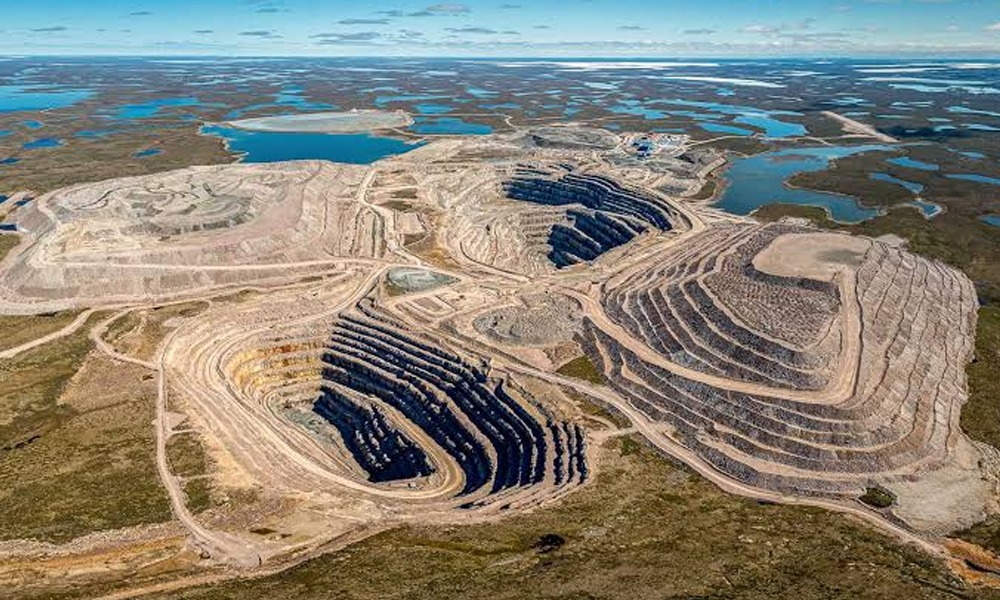
De Beers is taking 100% control of the Gahcho Kué diamond mine in Canada’s Northwest Territories. Its partner, Mountain Province Diamonds, was facing major financial trouble and agreed to hand over its 49% share in exchange for being cleared of all its debts to De Beers.
Here is why Mountain Province ran into trouble:
Falling Diamond Prices: A global slump in diamond demand hit the company hard. Its revenue dropped 42% in 2025, and average diamond prices plummeted—falling to just $36 per carat in the second quarter.
Massive Debt: Mountain Province was struggling to pay back tens of millions of dollars in short-term loans. Ratings agency S&P warning that the company was at high risk of defaulting on its debts.
Cost-Cutting and Emergency Funds: To stay afloat, the company paused expansion plans at the mine, delayed payments into environmental cleanup funds, and sold future diamond sales rights to major investor Dermot Desmond (an Irish billionaire) for quick cash.
Despite selling twice as many diamonds recently, prices were too low to cover their debts.
CEO Jonathan Comerford explained that trade tariffs and Middle East conflicts crushed diamond prices, leaving handing over their share of the mine as the best option to cancel liabilities and secure local jobs.



GJS 2026 Diwali Edition Concludes On A High Note With Record Sales

GJEPC Launches UNNATI: Powering Women In GJ Sector To Drive Industry Growth Towards Viksit Bharat

Divine Solitaires and SGL Launch The Know Your Diamond Zone At GJS Diwali Edition 2026
GJEPC Launches UNNATI: Powering Women In GJ Sector To Drive Industry Growth Towards Viksit Bharat

KEYA By Adbhut Brings Wearable Art and Indian Craftsmanship To Delhi Art Weekend 2026

Titan, Kalyan, Malabar, Senco and Indriya Lead 54 Champions Crowned At The First India International Jewellery Awards
-
 National News1 day ago
GJEPC Launches UNNATI: Powering Women In GJ Sector To Drive Industry Growth Towards Viksit Bharat
-
 National News1 day ago
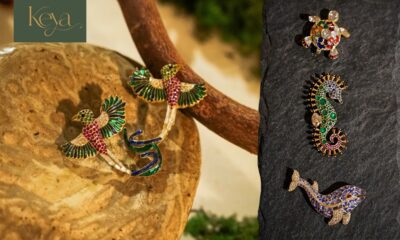
KEYA By Adbhut Brings Wearable Art and Indian Craftsmanship To Delhi Art Weekend 2026
-
 National News1 day ago
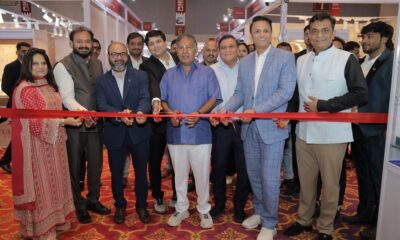
Divine Solitaires and SGL Launch The Know Your Diamond Zone At GJS Diwali Edition 2026
-
 National News1 day ago
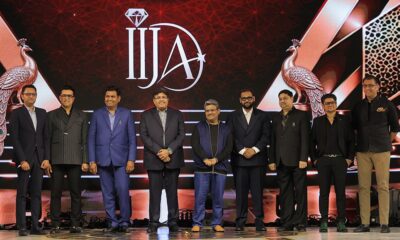
Titan, Kalyan, Malabar, Senco and Indriya Lead 54 Champions Crowned At The First India International Jewellery Awards
