
National News
MCX Gold, Silver Decline as US-Iran Talks Fail
Dip Marks a Near One-Week Low for Gold, Which Had Moved Towards Record Territory as the “Safe-Haven” Asset


On the MCX, gold futures slid below the psychologically significant threshold of Rs. 1.52 lakh per 10 grams, erasing a portion of the gains made during a brief window of optimism. Silver, often more volatile than its yellow counterpart, saw a more pronounced retreat, with prices slipping 2 percent to trade near Rs. 2.40 lakh per kilogram. Gold prices in the international market fell to a near one-week low. Spot gold price declined 1.1% to $4,694.30 per ounce, its lowest level since April 7. US gold futures for June delivery fell 1.4% to $4,717.80 an ounce. Spot silver fell 1.9% to $74.45 per ounce.
The glimmer of a diplomatic breakthrough in the Middle East faded on Monday, sending shockwaves through global commodity markets as gold and silver prices tumbled from recent highs. The reversal followed the collapse of weekend peace talks in Islamabad. Negotiators had hoped to formalize a ceasefire between the United States and Iran, a move that would have de-escalated a conflict that has defined the first quarter of 2026. Instead, the failure of the dialogue has re-ignited fears of a prolonged blockade in the Strait of Hormuz, sending crude oil prices higher and forcing investors to recalibrate their portfolios.
- MCX Price Drop: Gold futures fell below the critical Rs. 1.52 lakh per 10 grams mark, while Silver saw a sharper 2% decline, trading near Rs. 2.40 lakh per kg.
- International Benchmarks: Spot gold hit a one-week low of $4,694.30 per ounce, marking a 1.1% dip, while spot silver dropped 1.9% to $74.45.
- Diplomatic Deadlock: The failure of weekend negotiations in Islamabad has reignited fears of a prolonged conflict and a potential blockade of the Strait of Hormuz.
- The Dollar Factor: A surging U.S. dollar, bolstered by its “safe-haven” status, has made gold more expensive for international buyers, further dampening global demand.
- Inflationary Pressure: Rising energy costs and the prospect of sticky inflation are leading traders to believe the Federal Reserve will maintain higher interest rates for longer.



National News
Talla Jewellers Unveils New Showroom In Akhnoor, Jammu, Fifth Store In The Region
Auspicious Navratri opening strengthens the brand’s presence and brings an exquisite jewellery collection closer to customers in Akhnoor.
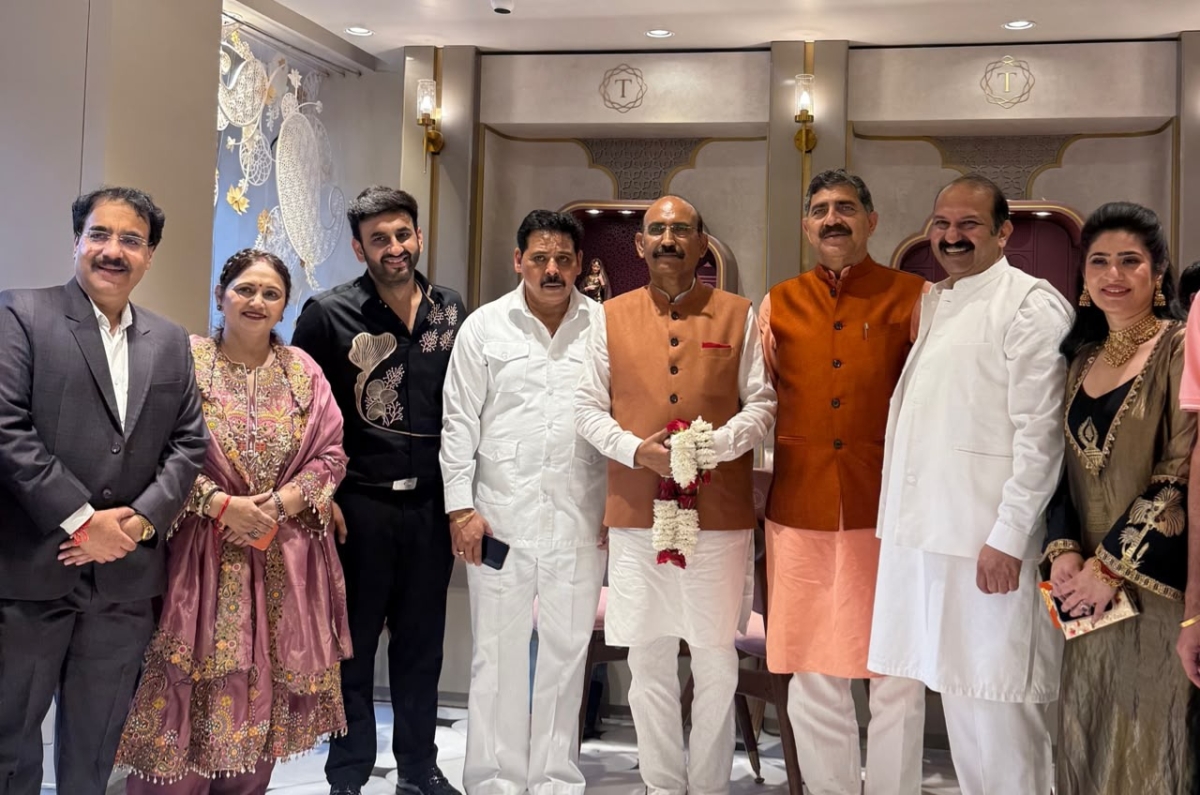
Talla Jewellers has inaugurated its new showroom in Akhnoor, Jammu, marking its fifth outlet in the region. The showroom was inaugurated on the first day of Navratri, adding an auspicious touch to this milestone in the brand’s growth journey.
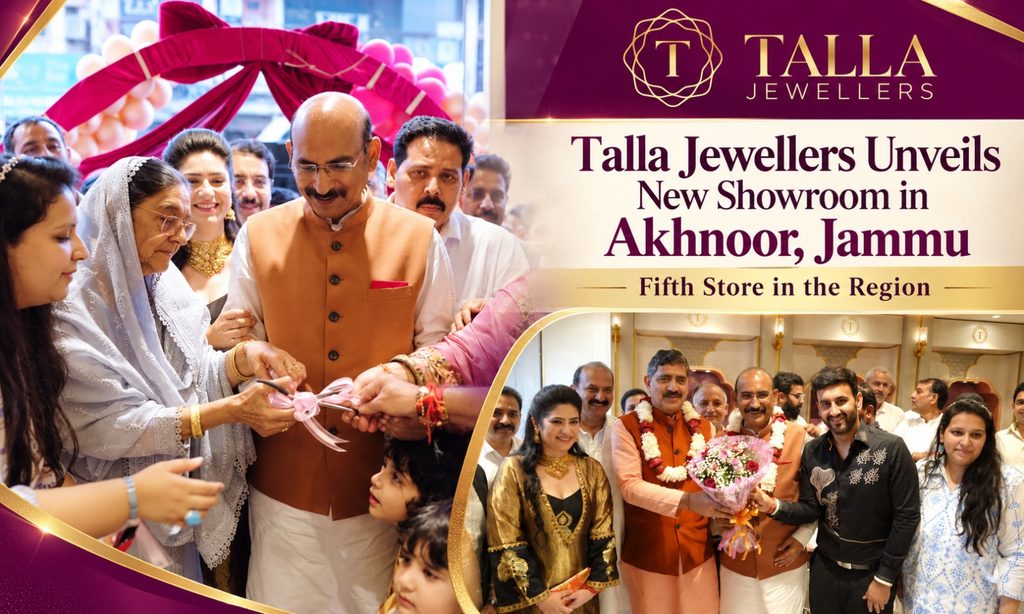
The inauguration ceremony was graced by Mohan Lal Bhagat, Honourable MLA, Akhnoor, who attended as the Chief Guest. Representing Talla Jewellers were Ajay Talla, Anju Talla and Aman Talla.
The new showroom offers an exquisite selection of gold, diamond and other jewellery designs, catering to diverse customer preferences and occasions. With a focus on quality, craftsmanship and customer satisfaction, the store aims to provide customers in Akhnoor with a wider choice of jewellery for weddings, festivals, celebrations and everyday wear.
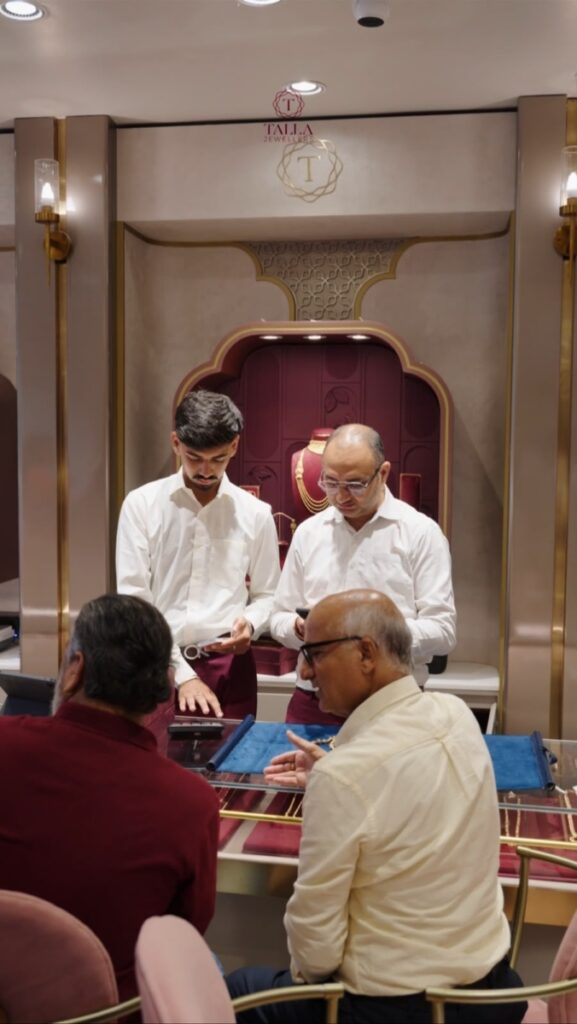
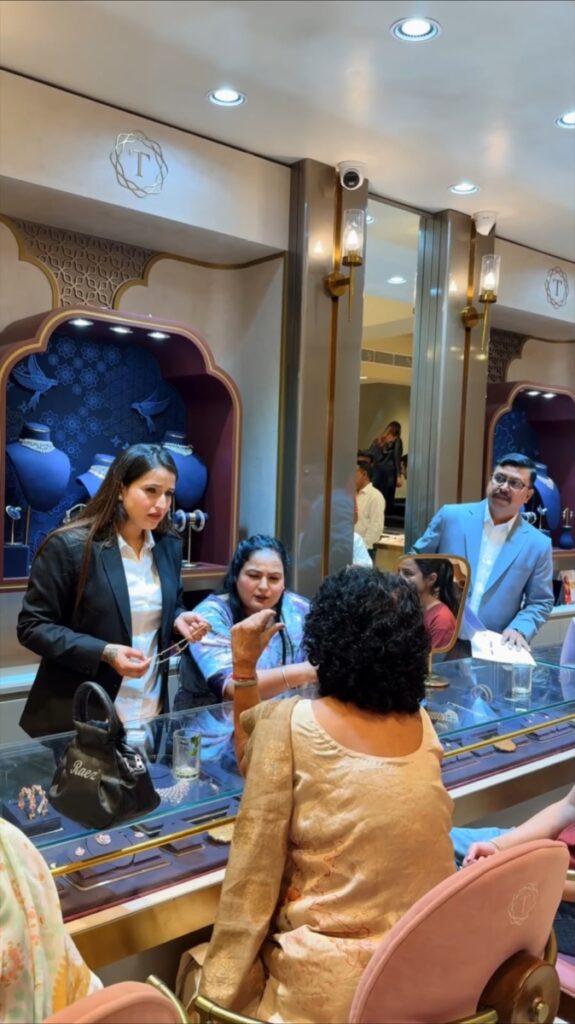
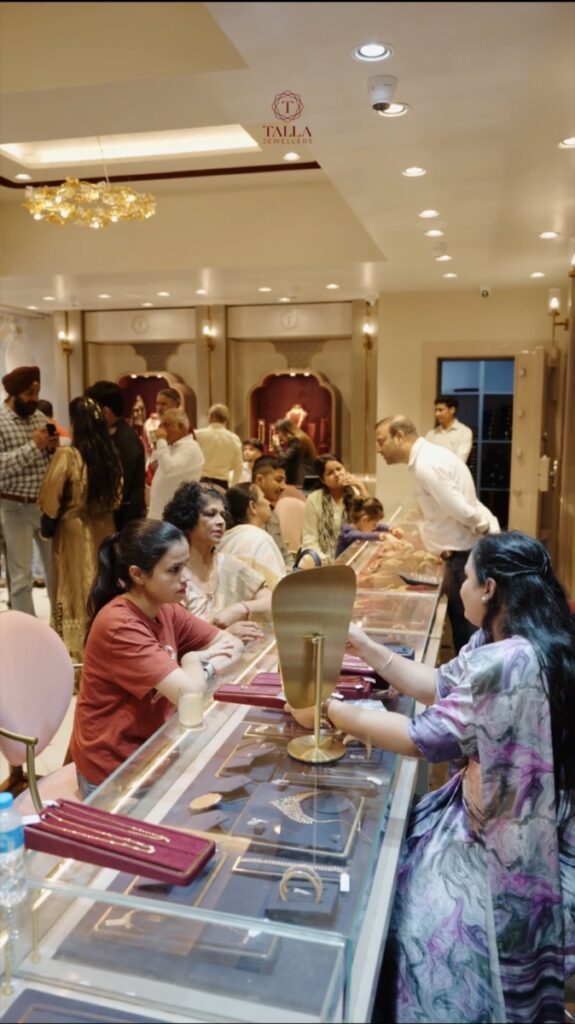
The opening reflects Talla Jewellers’ continued commitment to expanding its presence while strengthening its relationship with customers and families across the region. Built on the values of trust, quality and lasting relationships, the brand continues to celebrate life’s precious moments through jewellery that connects generations.
With the launch of its Akhnoor showroom, Talla Jewellers takes another step towards making its collections more accessible to customers while reinforcing its presence in Jammu and Kashmir.



Talla Jewellers Unveils New Showroom In Akhnoor, Jammu, Fifth Store In The Region

Jagannath Gangaram Pednekar Jewellers Celebrates Jewellery as a Lifestyle with The Great Jewellery Festival

Actress Prarthana Behere Inaugurates Malabar Gold & Diamonds’ New Showroom At Nexus Seawoods Mall, Navi Mumbai
Talla Jewellers Unveils New Showroom In Akhnoor, Jammu, Fifth Store In The Region

US Begins Third Phase Of Tariff Refunds For Diamond and Jewellery Importers
Jagannath Gangaram Pednekar Jewellers Celebrates Jewellery as a Lifestyle with The Great Jewellery Festival
-
 National News1 hour ago
Talla Jewellers Unveils New Showroom In Akhnoor, Jammu, Fifth Store In The Region
-
 National News4 hours ago
Jagannath Gangaram Pednekar Jewellers Celebrates Jewellery as a Lifestyle with The Great Jewellery Festival
-
 International News5 hours ago
US Begins Third Phase Of Tariff Refunds For Diamond and Jewellery Importers
-

 National News5 hours ago
KISNA Launches AI-Powered Jewellery Search In 15+ Indian Languages; Projects 20% Growth In Website Searches Over 4 Months
