
National News
India’s Gems and Jewellery Market Set to Reach USD 168.62 Billion by 2030
A robust 8.93% CAGR drives growth, fueled by cultural significance, evolving consumer trends, and rising demand.

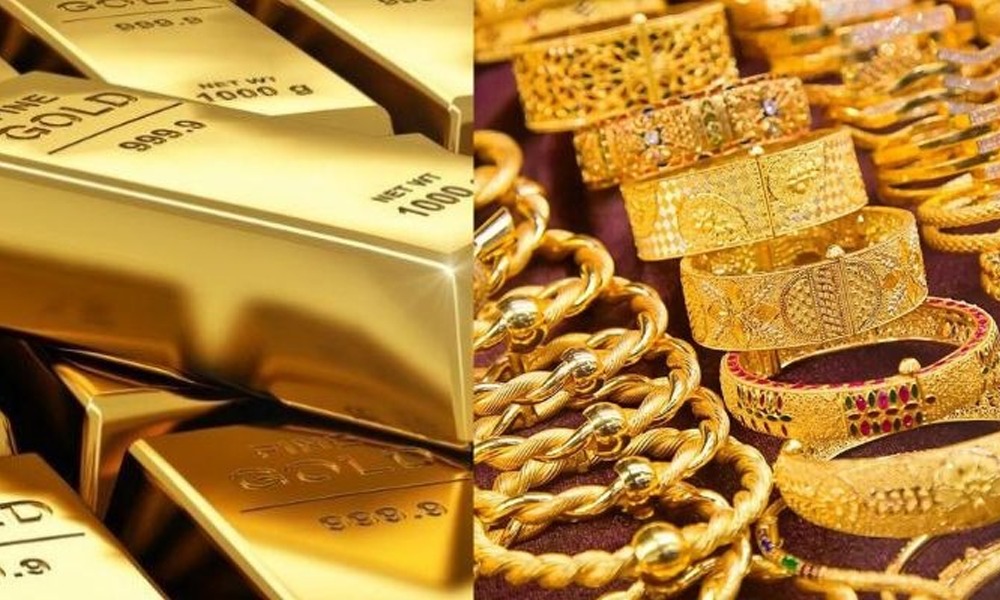
India’s gems and jewellery industry is poised for substantial growth, with projections indicating a market value of USD 168.62 billion by 2030, according to a recent report by Research and Markets. The report, India Gems and Jewelry Market, By Region, Competition, Forecast & Opportunities, 2020-2030F, highlights an impressive compound annual growth rate (CAGR) of 8.93%, which is driving the industry’s rapid expansion.
Jewellery holds immense cultural significance in India, where it is regarded not only as a symbol of tradition but also as a valuable financial asset. The wedding sector remains the largest demand driver, accounting for nearly half of total market sales, with festivals like Diwali and Akshaya Tritiya also playing a vital role in bolstering gold and jewellery purchases as symbols of prosperity.
Despite this growth, the market faces challenges such as fluctuating gold prices and high import costs for materials like diamonds and platinum. The sector’s dependence on imports makes it vulnerable to global economic shifts and geopolitical uncertainties. Additionally, regulatory policies and import duties continue to impact the industry’s dynamics.
Consumer preferences are shifting, with younger buyers and working professionals increasingly opting for lightweight and contemporary jewellery designs. There is a growing demand for 14K and 18K gold pieces, which reflects a trend toward practicality and modernity. This shift is driving innovations that blend traditional craftsmanship with current design trends.
As India’s jewellery sector remains led by established players like Rajesh Exports Limited, Malabar Gold Private Limited, Titan Company Limited, and Kalyan Jewellers India Limited, the industry is expected to continue its upward growth trajectory, reinforcing India’s position as a global leader in the gems and jewellery manufacturing and export market.






GlamBuzz
Aisshpra Gems & Jewels Opens Four Stores in One Day, Takes Network to 20; Targets 30 Stores by March 2028
Four franchise showrooms add approximately 12,000 sq. ft. of retail space, taking the brand’s total retail footprint beyond 90,000 sq. ft.; Bettiah marks its entry into Bihar.
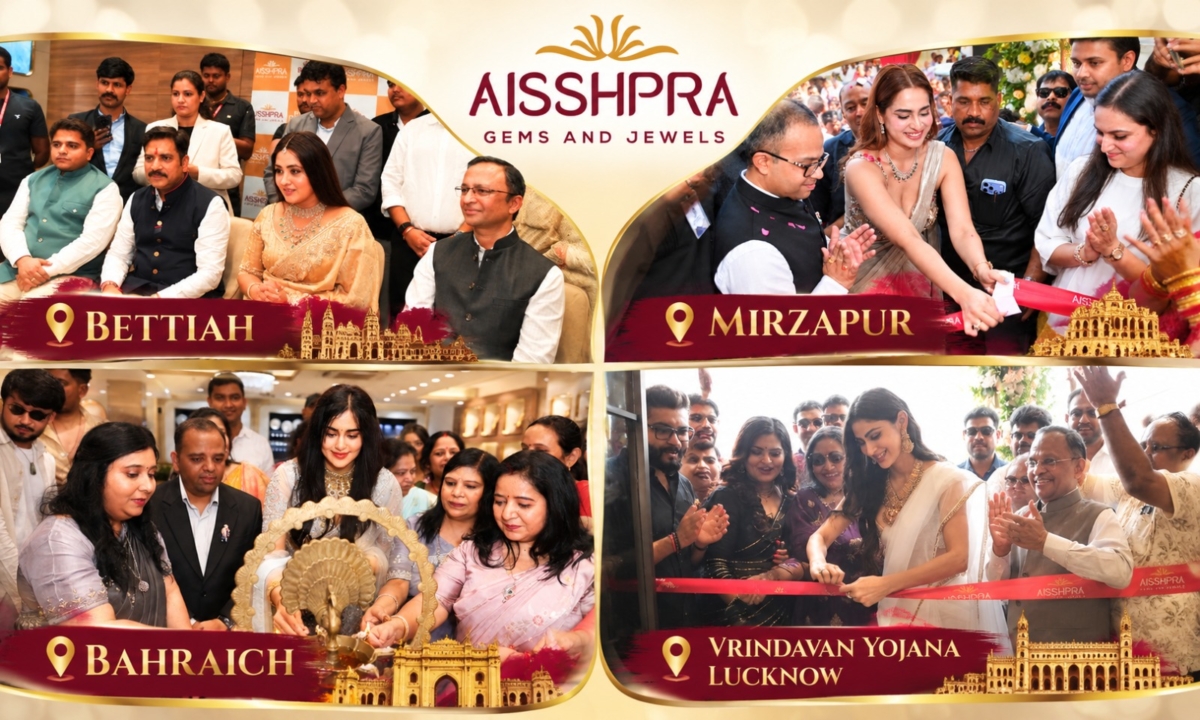
Aisshpra Gems & Jewels, the jewellery retail brand established in Gorakhpur in 1940, today announced the simultaneous opening of four showrooms in Bahraich, Bettiah, Lucknow and Mirzapur. The milestone takes its operational network from 16 to 20 stores in a single day, with three more stores under construction and a target of 30 operational stores by March 2028.
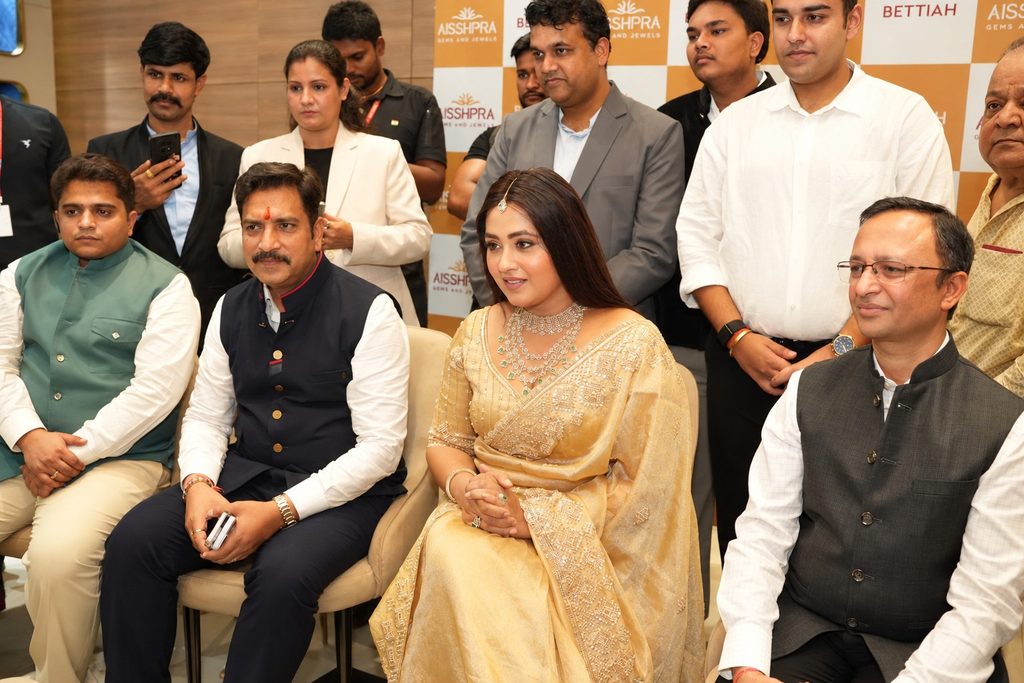
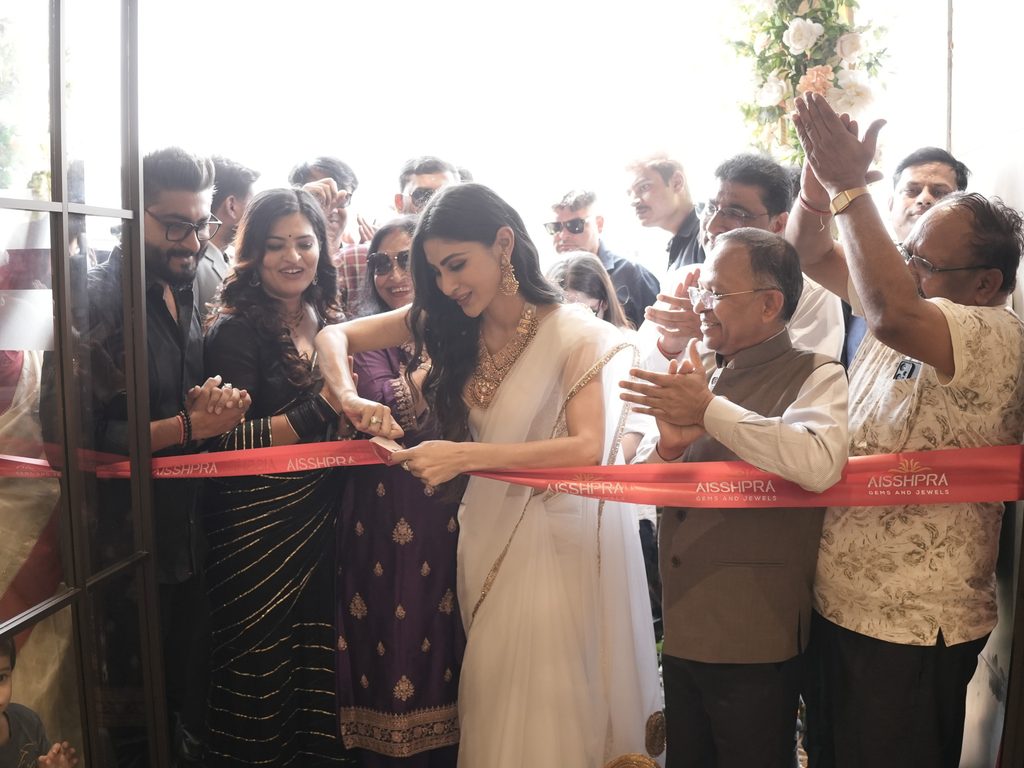
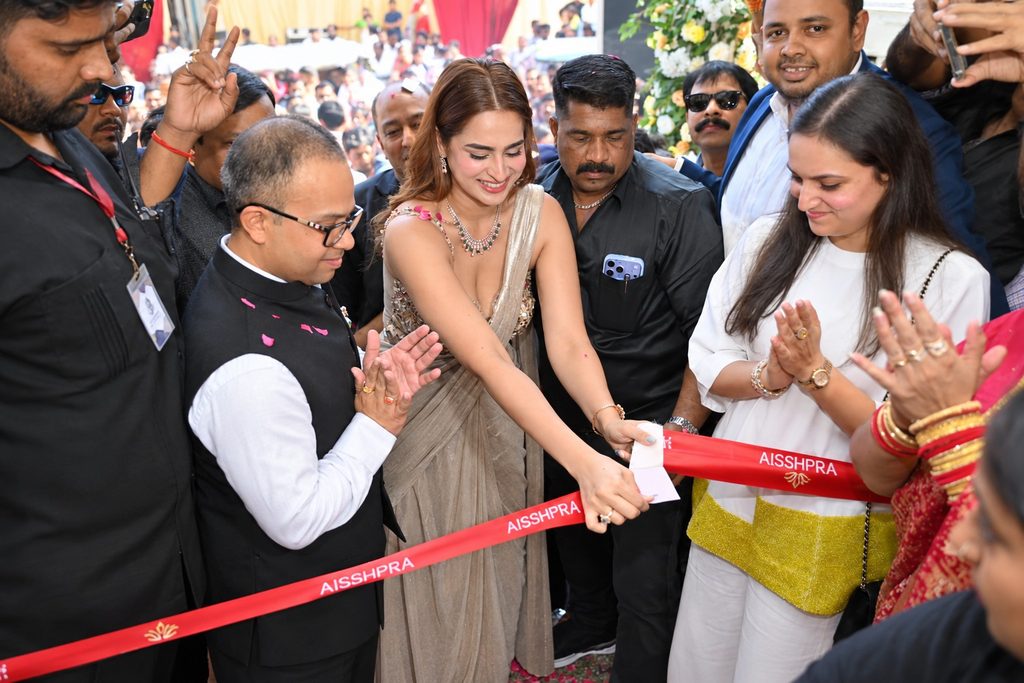
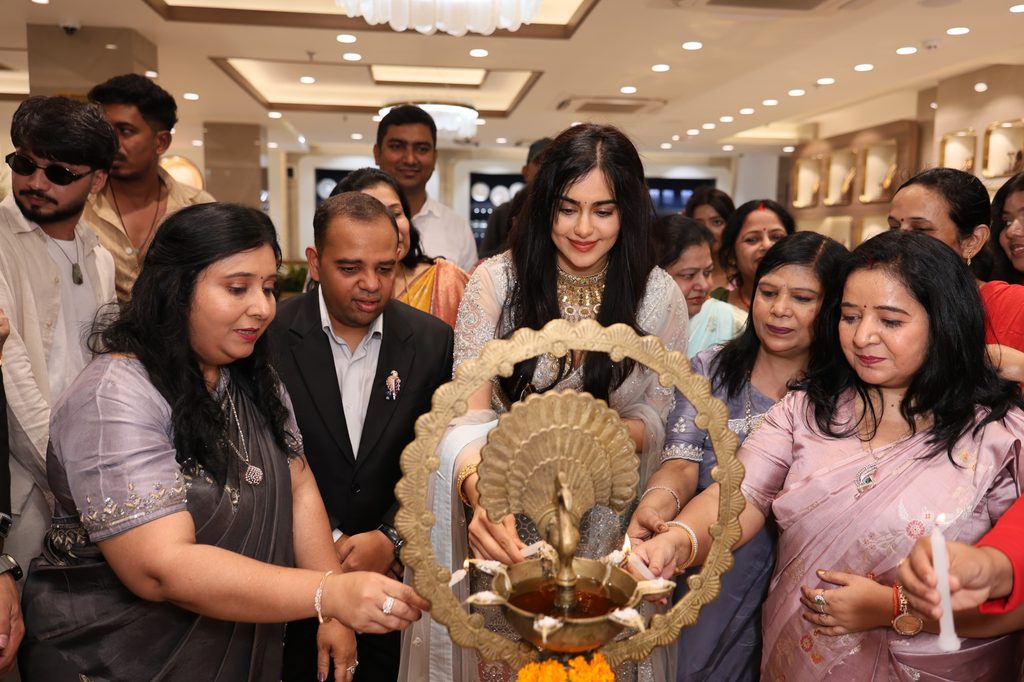
Each new franchise-operated showroom measures approximately 3,000 sq. ft. Together, the openings add around 12,000 sq. ft. of retail space and take the brand’s overall retail footprint to more than 90,000 sq. ft. The Bettiah opening is Aisshpra’s first in Bihar, where Siwan and Gopalganj are also in its expansion pipeline. The Lucknow launch marks its third showroom in the city.
Jewel Story takes centre stage across all four stores
All four showrooms feature a dedicated store-in-store presence for Jewel Story, Aisshpra’s lifestyle jewellery brand. Designed for teenagers, young adults and customers up to around 40 years of age, Jewel Story focuses on lightweight, wearable, modern jewellery across 9KT to 22KT gold purity. The concept seeks to make jewellery relevant to everyday personal style, alongside Aisshpra’s traditional, bridal and occasion-wear collections.
Leadership on expansion and legacy
Atul Saraf, Director, Aisshpra Gems & Jewels
“Since 1940, our most important achievement has been the trust we have earned across generations. Opening four stores together is a proud milestone, and every new showroom brings the responsibility of preserving that trust.”
Anoop Saraf, Director, Aisshpra Gems & Jewels
“As we enter new markets, Trust, Integrity and Ethics remain our guiding principles. We want customers in every city to experience the same transparency, quality and care that have defined Aisshpra for decades.”
Vaibhav Saraf, Director, Aisshpra Gems & Jewels
“Moving from 16 to 20 stores in one day is a major jump in our network. Our footprint now exceeds 90,000 sq. ft., three additional stores are under construction, and we are working towards 30 stores by March 2028. Bettiah opens the door to Bihar, while our third Lucknow showroom deepens our presence in a key market.”
Saumitra Saraf, Director, Aisshpra Gems & Jewels
“Younger customers increasingly want jewellery that feels contemporary, versatile and easy to wear. Jewel Story brings that proposition to every new showroom, with modern designs spanning 9KT to 22KT.”
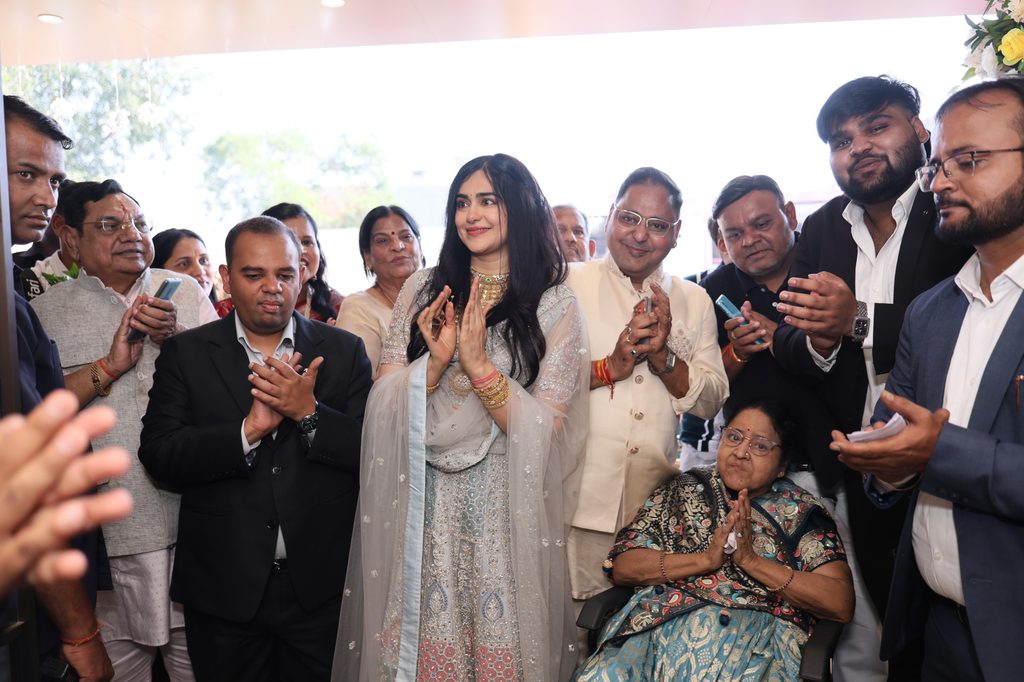
Inauguration celebrations and opening offers
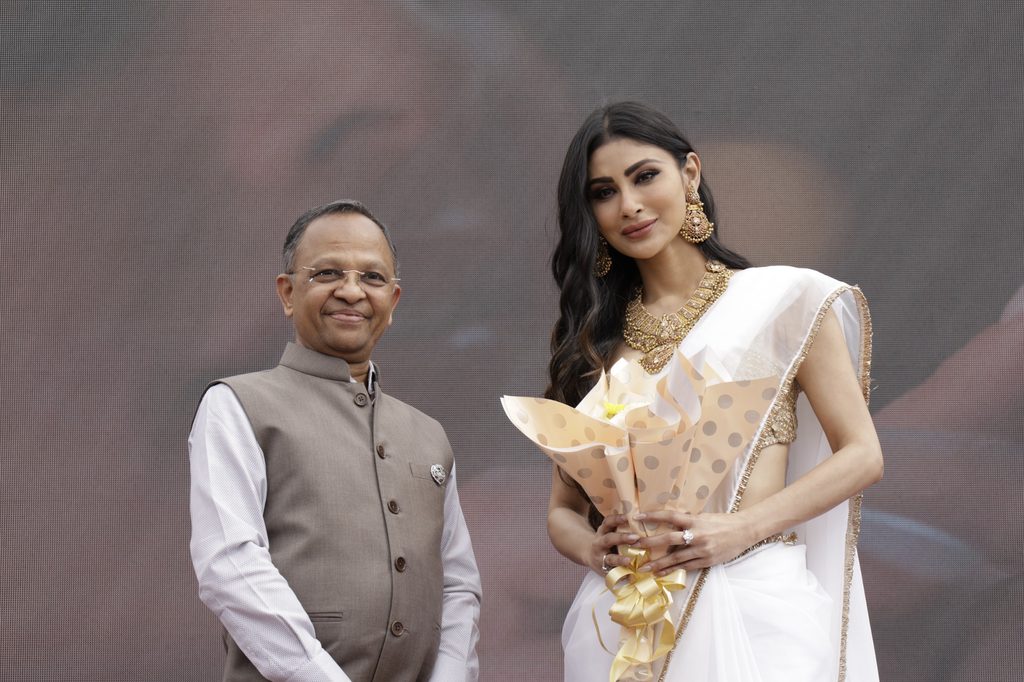
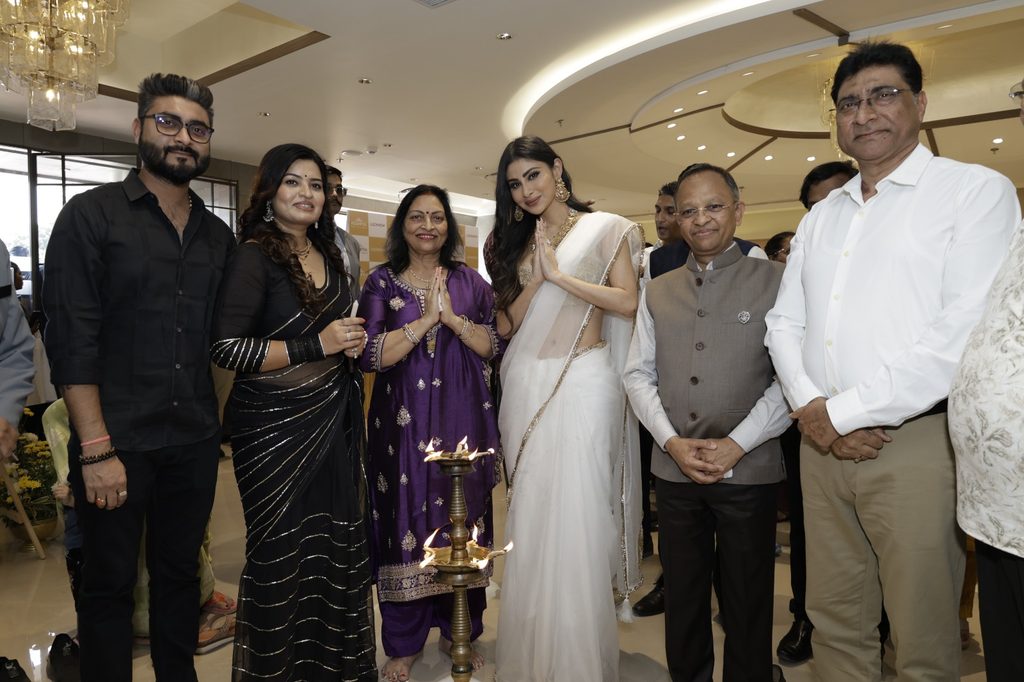
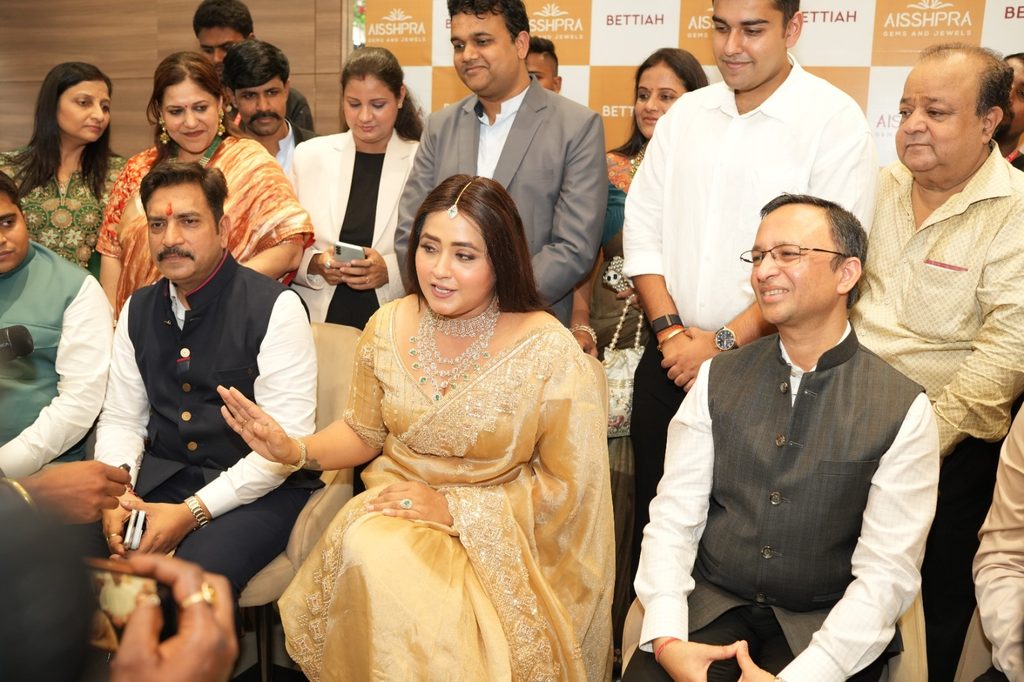
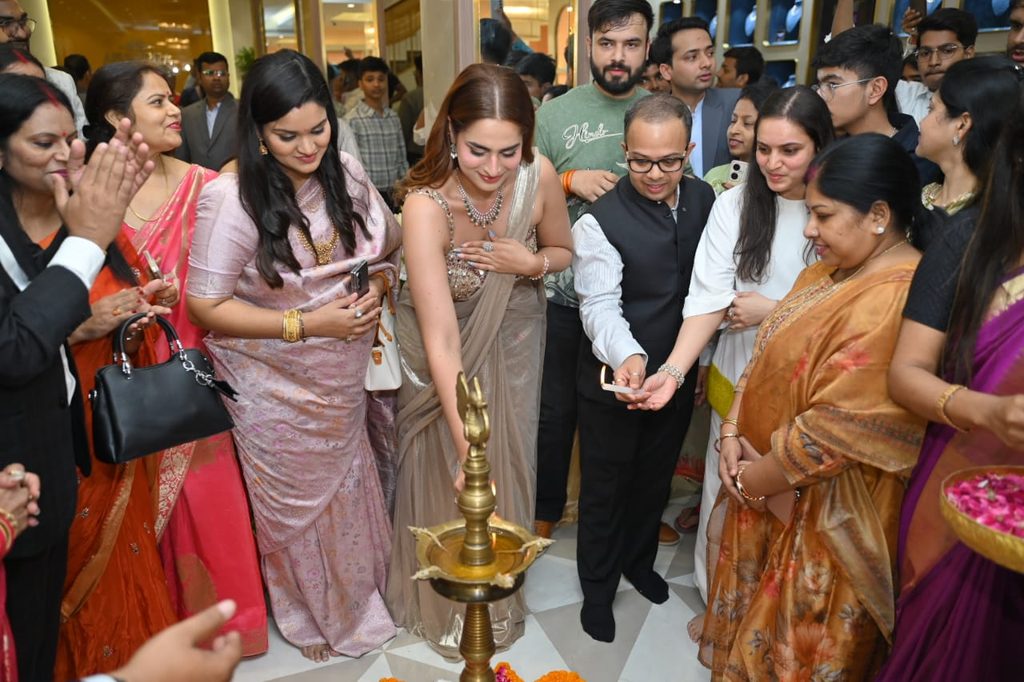
The celebrations featured Mouni Roy in Lucknow, Adah Sharma in Bahraich and Ayesha Khan in Mirzapur. The Bettiah inauguration took place in the presence of local dignitaries.
Customers can avail inaugural offers of up to 30% off gold jewellery making charges and diamond value, subject to applicable terms and conditions. Offer validity is to be confirmed.



Aisshpra Gems & Jewels Opens Four Stores in One Day, Takes Network to 20; Targets 30 Stores by March 2028

The Met Goes Desi: Inside Sabyasachi’s Showstopping Diwali Dhamaka in New York

Jewellers Expect Healthy Festive and Wedding Demand Amid Evolving Consumer Preferences

Dhanteras Shopping Guide 2026:Gold, Silver, Diamonds & Festive Jewellery Trends To Watch

Indriya, Aditya Birla Jewellery Unveiled India’s Largest Sustainable Jewellery Rangavalli

From Diya Puja To Diwali Soirées: Jewellery Designed To Go Beyond The Festive Season
-
 JB Insights2 days ago
Dhanteras Shopping Guide 2026:Gold, Silver, Diamonds & Festive Jewellery Trends To Watch
-
 National News2 days ago
Indriya, Aditya Birla Jewellery Unveiled India’s Largest Sustainable Jewellery Rangavalli
-
 BrandBuzz2 days ago
From Diya Puja To Diwali Soirées: Jewellery Designed To Go Beyond The Festive Season
-
 BrandBuzz2 days ago
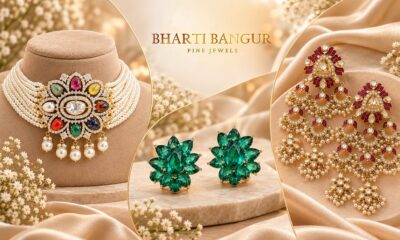
The Solenne Collection: A Celebration Of Diwali By Bharti Bangur Fine Jewels
