
National News
India’s First Private Gold Mine Since Independence Opens In Kurnool, Andhra Pradesh
The Mine Has An Estimated Operational Life Of 15 Years, With Initial Annual Production Of 400 Kilograms, Set To Scale Up To 900 Kilograms In The Next Phase

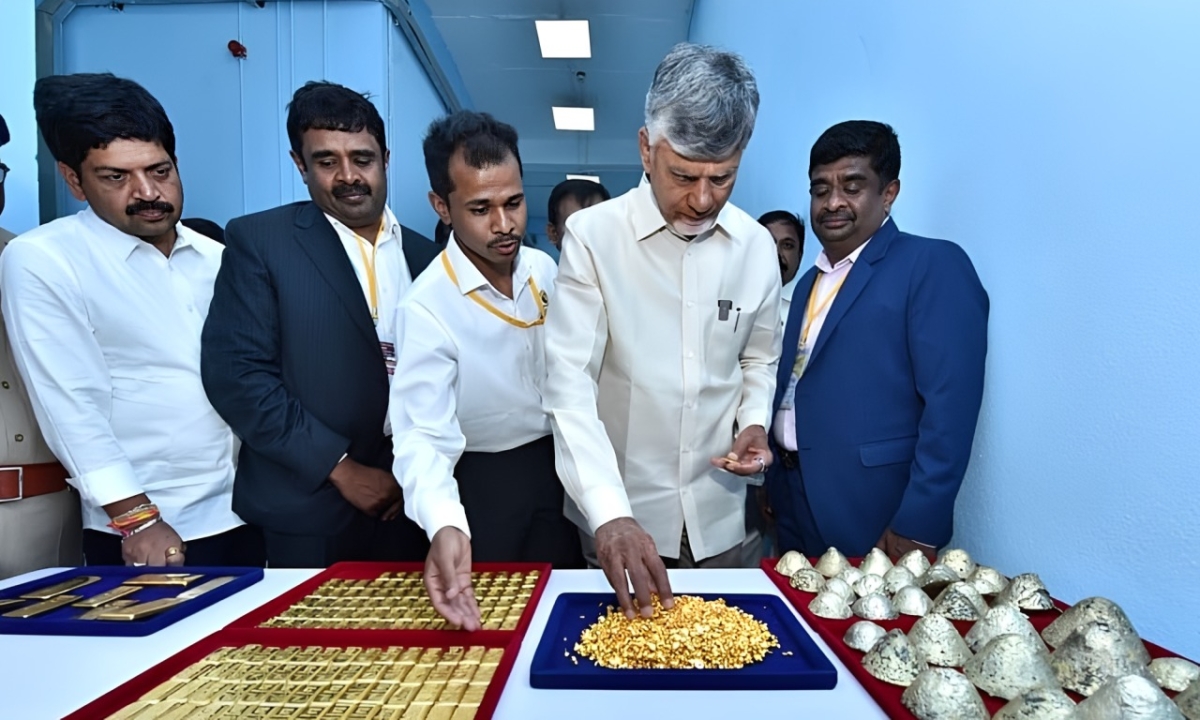
Andhra Pradesh Chief Minister N Chandrababu Naidu inaugurated independent India’s first private integrated greenfield gold mining project at Jonnagiri in Kurnool district, marking a historic milestone in the country’s mining sector. The launch brings commercial-scale domestic gold production back into focus at a time when gold prices are at historic highs.
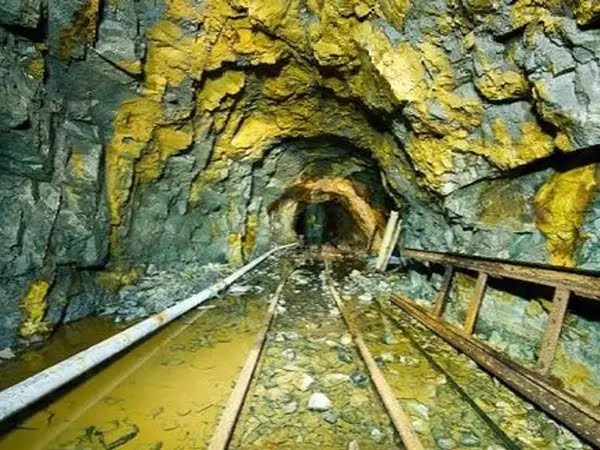
Until now, India’s only operational gold mines were located at Kolar and Hutti in Karnataka, both established during the British era. While the Hutti mine continues to be operated by a Karnataka government enterprise, mining at Kolar was suspended long ago. No new gold mining project had been commissioned since Independence, making Jonnagiri a watershed moment for the sector.
The Jonnagiri project has been developed by Geo Mysore Services India Pvt. Ltd. and Deccan Gold Mines, backed by Lloyds Metals and Energy and the Thriveni Group, with a total investment exceeding Rs 405 crore. Naidu inaugurated the mine, laid the foundation stone for its second expansion unit, and flagged off heavy vehicles transporting gold-bearing ore for processing. He also visited a training centre on site where local women and youth are being trained on simulator machines to operate heavy mining equipment.
The project is spread across approximately 598 hectares, covering the villages of Jonnagiri, Erragudi, and Pagidirayi in Tuggali mandal. Certified gold resources currently stand at around 13.1 tonnes, with exploration pointing to the potential for significantly larger reserves across the broader mineralised belt. The mine has an estimated operational life of 15 years, with initial annual production of 400 kilograms, set to scale up to 900 kilograms in the next phase and eventually reach two tonnes per year.
Addressing a public meeting after the inauguration, Naidu invoked the region’s ancient heritage, noting that Jonnagiri was once known as Swarnagiri and flourished as a centre of mineral wealth during the reign of Emperor Ashoka and later under Sri Krishnadevaraya.
Naidu also outlined an ambitious long-term vision, saying the state aimed to scale annual gold production to 50 metric tonnes, significantly reducing India’s dependence on imports. India currently imports between 700 and 1,000 tonnes of gold each year, making gold the country’s second-largest import after crude oil.
In a symbolic gesture, Geo Mysore Services and Deccan Gold Mines presented the state government with a map of Andhra Pradesh crafted from gold produced at Jonnagiri. The Chief Minister announced the memento would be displayed at the proposed museum in Amaravati. The first batch of gold from the mine was handed over to jewellery companies from the state.


National News
Kantilal Jewellers, Launches Flagship Showroom At Vastrapur, Ahmedabad
Marking Its First Expansion Outside Surat, The Massive Three-Story Space Is The Brand’s Largest Retail Destination To Date.
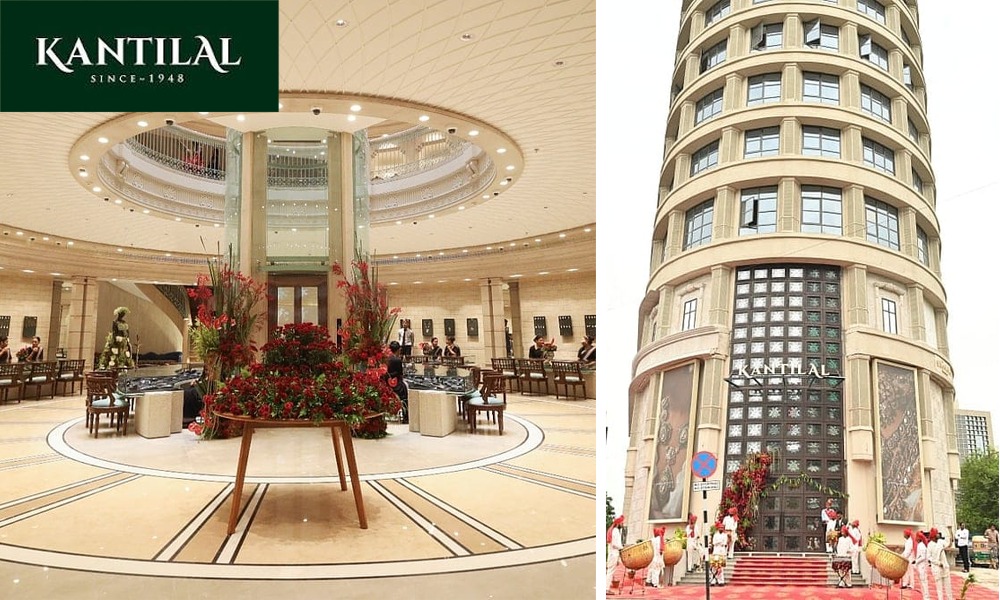
Surat-based Kantilal Jewellers, a legacy brand established in 1948, has expanded beyond its home base with the launch of a 28,000 sq. ft. flagship showroom at Keshavbaug Capital, Vastrapur, Ahmedabad.
Marking its first expansion outside Surat, the massive three-story space is the brand’s largest retail destination to date.
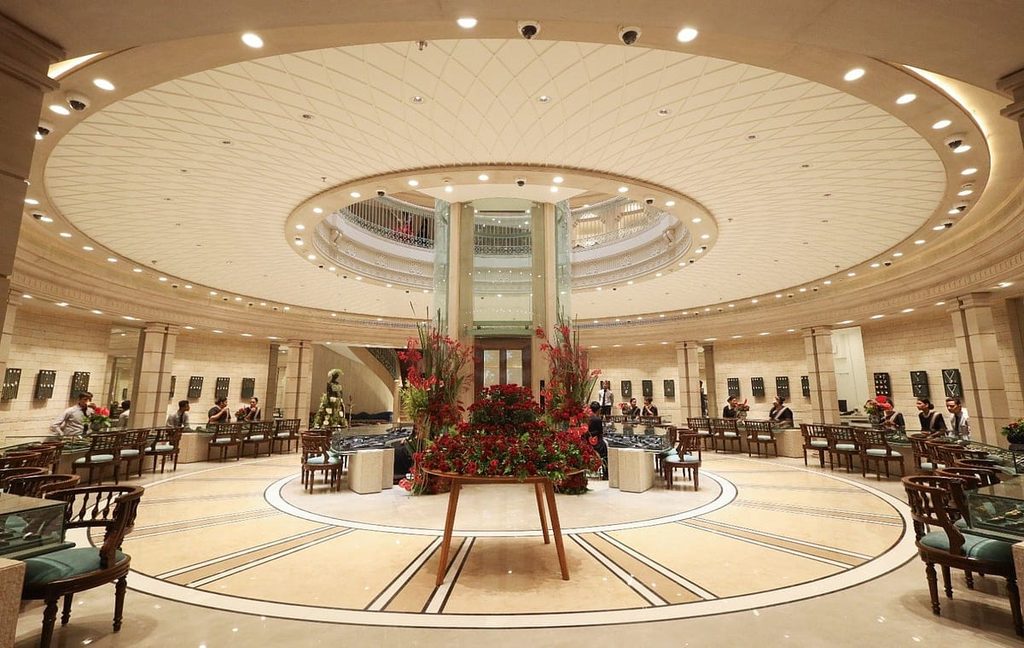
Palatial Architectural Concept: The store design takes inspiration from Jodhpur Palace, featuring Jharokha-style screens, marble passageways, domed skylights, chandelier lounges, and a central atrium linking all three levels.
Experiential Studio Retail: Departing from traditional counters, the showroom offers private studio spaces, VIP viewing areas, and dedicated experience centers.
Ambient Luxury: The shopping experience is elevated by live sitar and guitar performances alongside personalized consultation lounges.
Product Offering: The flagship showcases the brand’s signature gold, diamond, and bridal collections tailored for the Ahmedabad market.
Led by Director Jinay Choksi, this flagship rollout is a strategic move to establish a distinct, experiential luxury footprint across major Gujarat markets while preserving the heritage of the Kantilal brand.


-

 ShowBuzz3 hours ago
SSI 2026 SETS A BIGGER STAGE FOR SILVER
-

 ShowBuzz7 hours ago
Silver Trends To Watch At SSI Delhi 2026
-

 ShowBuzz7 hours ago
Silver Show Of India- Delhi 3rd Edition Unveiled At Yashobhoomi, Delhi
-
 ShowBuzz11 hours ago
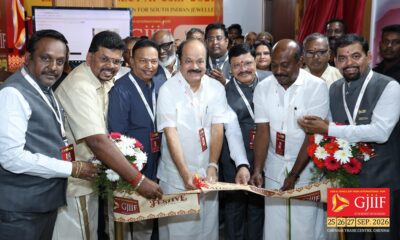
GJIIF 2026 Sets New Benchmarks As India’s Biggest-Ever Jewellery Trade Show Opens In Chennai
