JB Insights
IBJA Leadership Conclave 2025: Meaningful dialogue, innovative thinking, and collaborative strategy

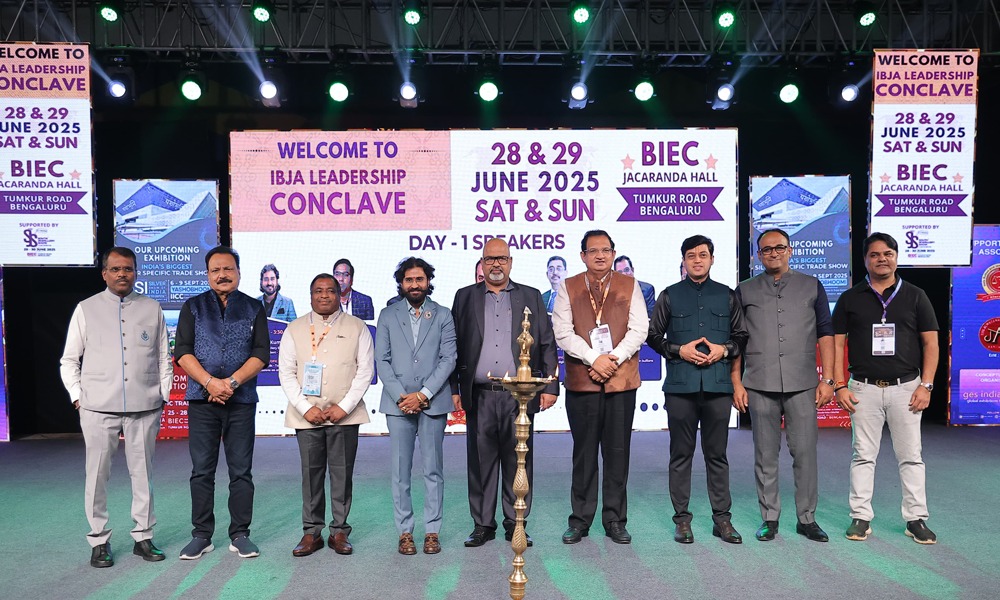
The Indian Bullion and Jewellers Association (IBJA) inaugurated the IBJA Leadership Conclave 2025 at the Bangalore International Exhibition Centre (BIEC), bringing together key stakeholders, industry leaders, and visionaries from across the country. The event is aimed at shaping the future of India’s bullion and jewellery industry through meaningful dialogue, innovative thinking, and collaborative strategy.
The inaugural ceremony witnessed the presence of prominent dignitaries, including Dr. Chetan Kumar Mehta, President – Jewellery Division, IBJA and President – JAB; Malleswara Rao, State President – Andhra Pradesh, IBJA and Convenor of the Conclave; Chandrasreenivas Rao, State President – Telangana, IBJA; P.V. Jose, State President – Kerala, IBJA; Sumesh Wadhera, State President Karnataka –IBJA, Ankit Vaidya, State President – Madhya Pradesh, IBJA; and Sreekanth Urs, CEO – GES India Inc.

Delivering the keynote address, Dr. Chetan Kumar Mehta inspired the audience with a motivational message: “Followers are temporary, leaders are permanent. So, be a leader!” Drawing from his own journey, Dr. Chetan Mehta stressed the importance of humility, consistent hard work, and the adoption of technology and innovation as essential traits for long-term success in the jewellery business.
The conclave featured several insightful sessions, acting as a knowledge booster for industry professionals. One of the most compelling sessions was Next Gen Jewellery: Provenance, Precision and Personalization with AI & Blockchain.
In a discussion between Kamlesh Nagware, Founder – Global Tokenization Forum, and Rahul Desai, MD & CEO, IIG, the focus was on rising consumer demand for transparency in ethical sourcing and authenticity—especially in diamonds and precious metals. The speakers emphasized that AI and Blockchain are no longer optional but essential tools for the future of jewellery.
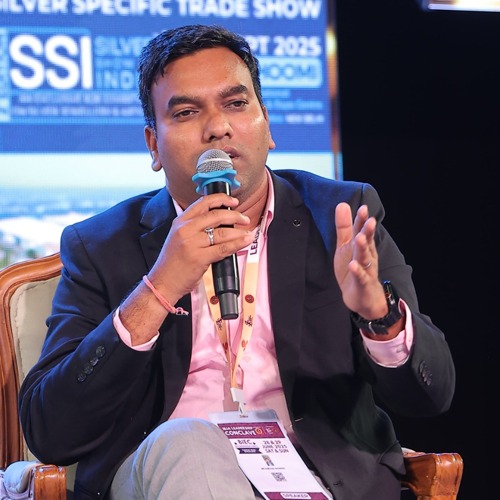
Another key session addressed the Necessity of Hedging in Bullion, featuring Jigar Pandit, SVP & Business Head – Commodity, Mirae Asset Sharekhan, in conversation with Sumesh Wadhera, MD – AOJ Media.
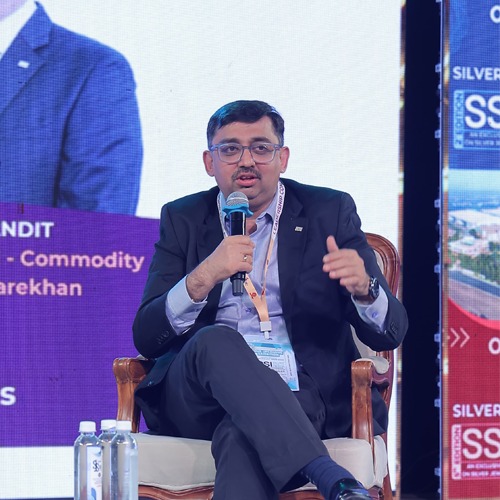
Jigar Pandit highlighted the importance of hedging in mitigating risks due to price fluctuations. He advised that jewellers should hedge only their actual exposure rather than speculate on market movements. He also emphasized the effectiveness of Gold Metal Loans (GMLs) in managing raw material procurement while minimizing price risk. He pointed out the urgent need to educate local jewellers in India on this topic.
The session on Retail Sales and Merchandise, led by Rajiv Pandey, HOD – Jewellery Design, IIG South, outlined critical strategies for enhancing retail performance. He spoke on the importance of strategic planning, upselling and cross-selling, gemstone certification, effective inventory management, and structured staff training as key components for maximizing sales and customer experience.
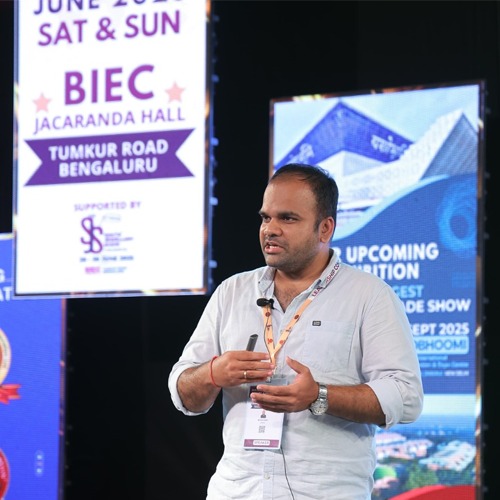
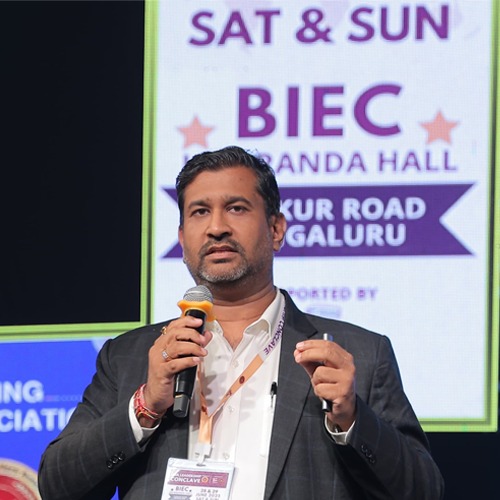
Silver in Focus – Comprehensive look at silver trajectory by Ajay Kedia, Founder and Director -Kedia Capital Service stressed that silver is the most mispriced asset in the monetary system. Silver is not just a commodity -it is a currency hedge, a strategic metal and an early signal of systemic fragility. Kedia took the audience through the reasons for silver’s surge which include industrial demand including clean energy, jewellery consumers moving to silver. And, the buzz that Russian central bank considering silver as a reserve. He was bullish on silver, predicting that silver could touch USD 70 in the short term.
At the recent industry session titled “Legacy to Leadership: How Traditional Jewellers Can Rule the New Era“, celebrated motivational speaker and business coach Dr. Ujjwal Patni delivered a power-packed address that left the audience inspired and energized. With his signature blend of sharp insights and relatable delivery, Dr. Patni spoke directly to jewellers navigating the evolving business landscape—urging them to rethink tradition and embrace transformation.
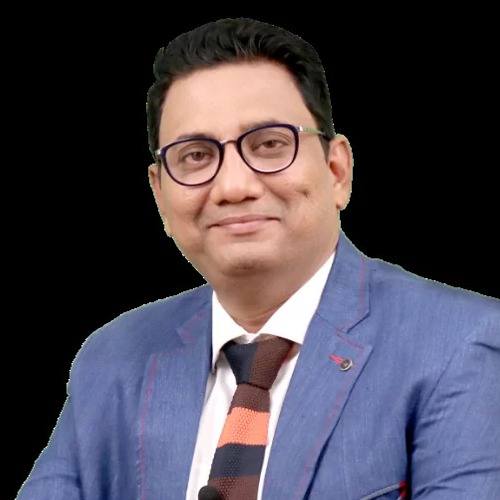
The session highlighted a central message: complacency has no place in the pursuit of excellence. In a fast-changing market driven by modern consumer expectations and digital disruption, Dr. Patni stressed that only those who maintain an unrelenting hunger for growth will thrive.
He emphasized that clarity, structure, and vision are non-negotiables for success in the current era. Traditional jewellery businesses, while rich in legacy, must now complement their heritage with well-defined systems, robust processes, focused strategies, and a written vision to ensure sustainability and scalability.
Dr. Patni also revealed what he called the “secret sauce” for business success—a set of practical strategies tailored for jewellery entrepreneurs:
- Owner Growth Hour Strategy: A dedicated time daily for business owners to invest in learning, reflection, and high-level decision-making.
- Market Analysis Strategy: The importance of tracking industry trends, competitor movements, and evolving consumer behavior to stay ahead.
- USP Strategy: Identifying and communicating a clear Unique Selling Proposition to differentiate from the competition.
- Cartier Strategy: Drawing inspiration from global luxury brands to elevate perception, customer experience, and brand value.
The session served as a wake-up call for jewellers holding on to legacy practices. With practical takeaways and strategic clarity, Dr. Patni redefined what it means to be a leader in today’s jewellery business: a visionary who honours tradition while embracing innovation.
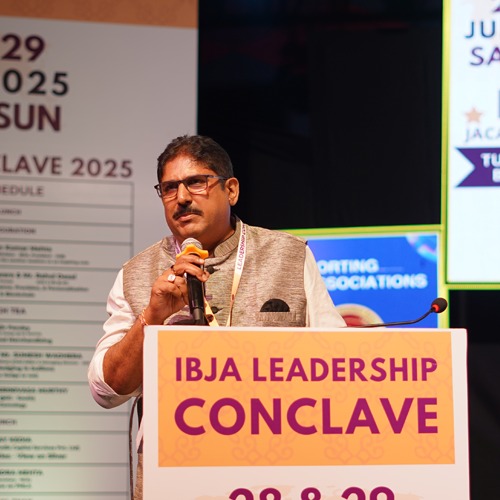
Cybercrime – Adv Pankaj Bafna underscored the fact that increased usage of mobile telephony and social media was driving the cybercrime. An accused in cybercrime faces stiff fines and imprisonment.
Suspicious transactions or deposits by unknown individuals can lead to account freezes and possible raids by authorities. Businesses must comply with the Prevention of Money Laundering Act (PMLA) and related regulations. Key measures include obtaining KYC details, keeping accurate transaction records, and enforcing strict internal controls. Non-compliance poses legal and reputational risks.
Astro Gemology – Dr Prashanth Srinivasa Murthy, Faculty -IIG South presentation unveiled the ancient wisdom of Astro Gemology, a traditional practice in India that combines astrology and gemology—the study and use of gemstones—to influence and enhance an individual’s life based on their astrological birth chart.
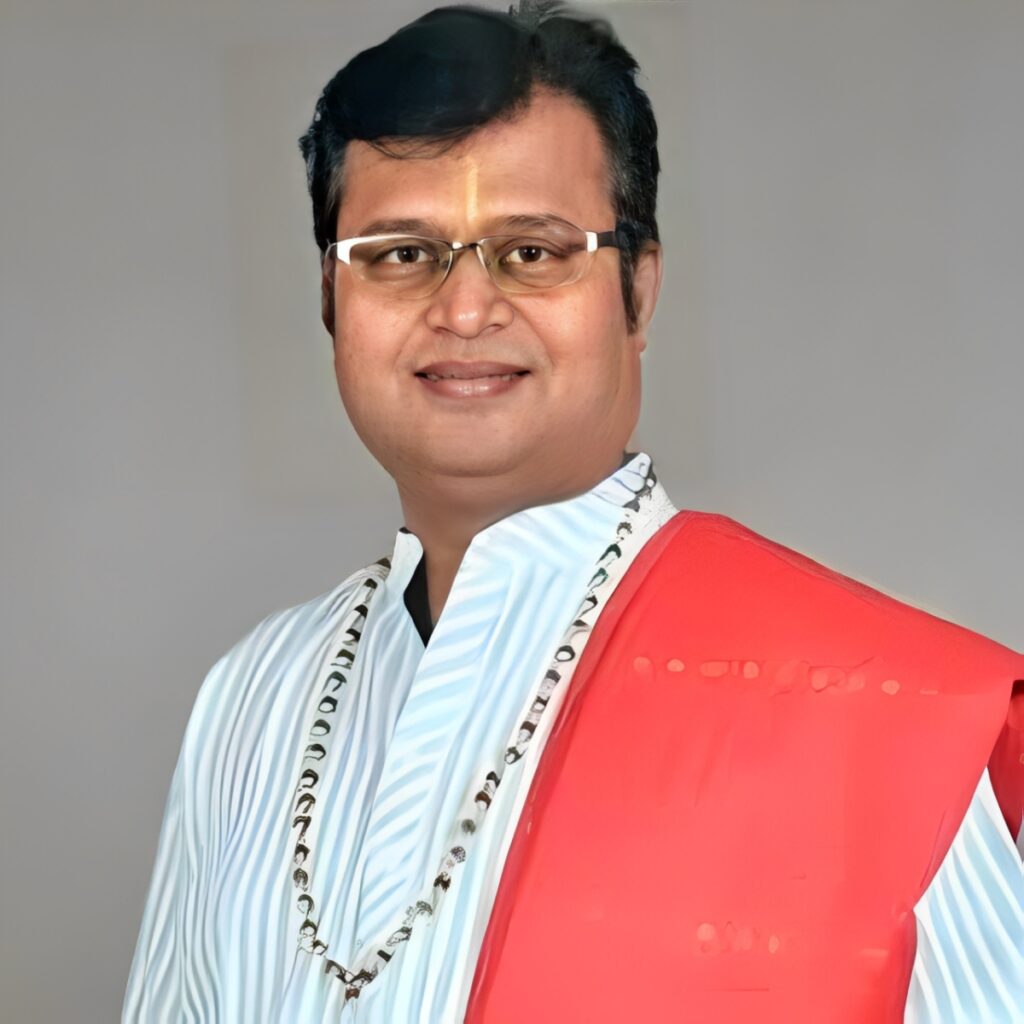
Rooted deeply in Vedic astrology, astro gemology is based on the belief that certain gemstones, when worn according to one’s planetary positions, can attract positive energies and counteract negative planetary influences.
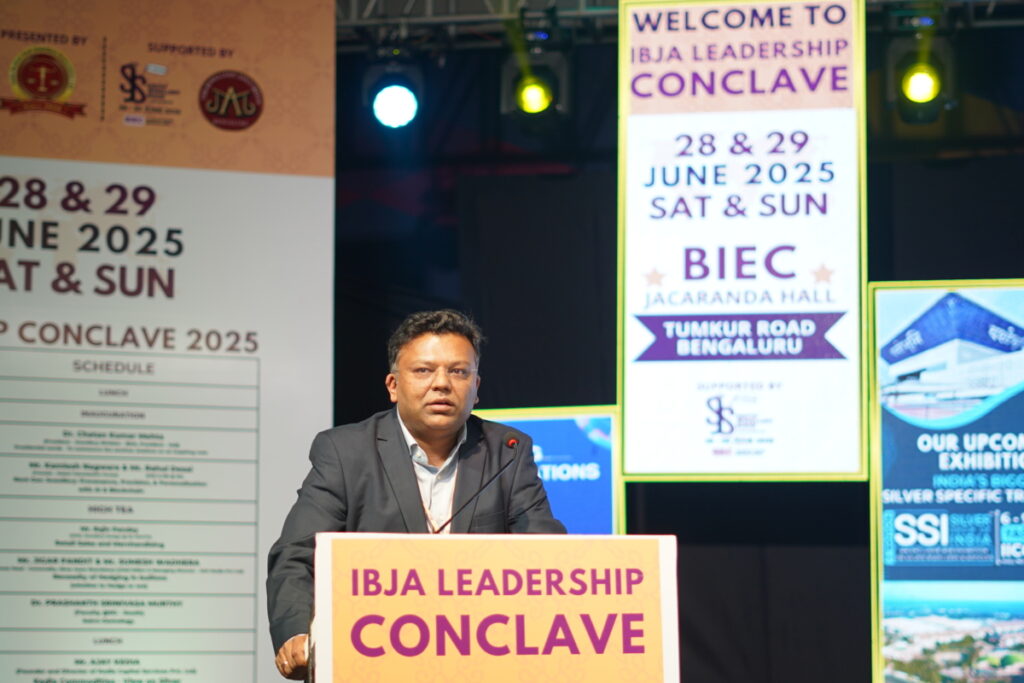
Nirmal Bang View on Gold By Kunal Shah, Head of Commodities Research, Nirmal Bang stated that the drivers of gold prices were ‘love demand’ -the love for gold as an adornment and ‘fear demand’ – the fear of an uncertain world and future.
Kunal Shah unraveled the complexities of a multipolar world marked by soaring U.S. debt, increasing central bank gold purchases, and the growing influence of Asian economies. He projected that gold prices are unlikely to surge dramatically in the near term, instead expecting them to consolidate and potentially dip.
Overall, the IBJA Leadership Conclave 2025 served as a dynamic platform for industry innovation, strategic foresight, and leadership development. With participation from various state leaders and industry experts, the conclave set the stage for collaborative growth and transformation in India’s jewellery and bullion sector.







JB Exclusive
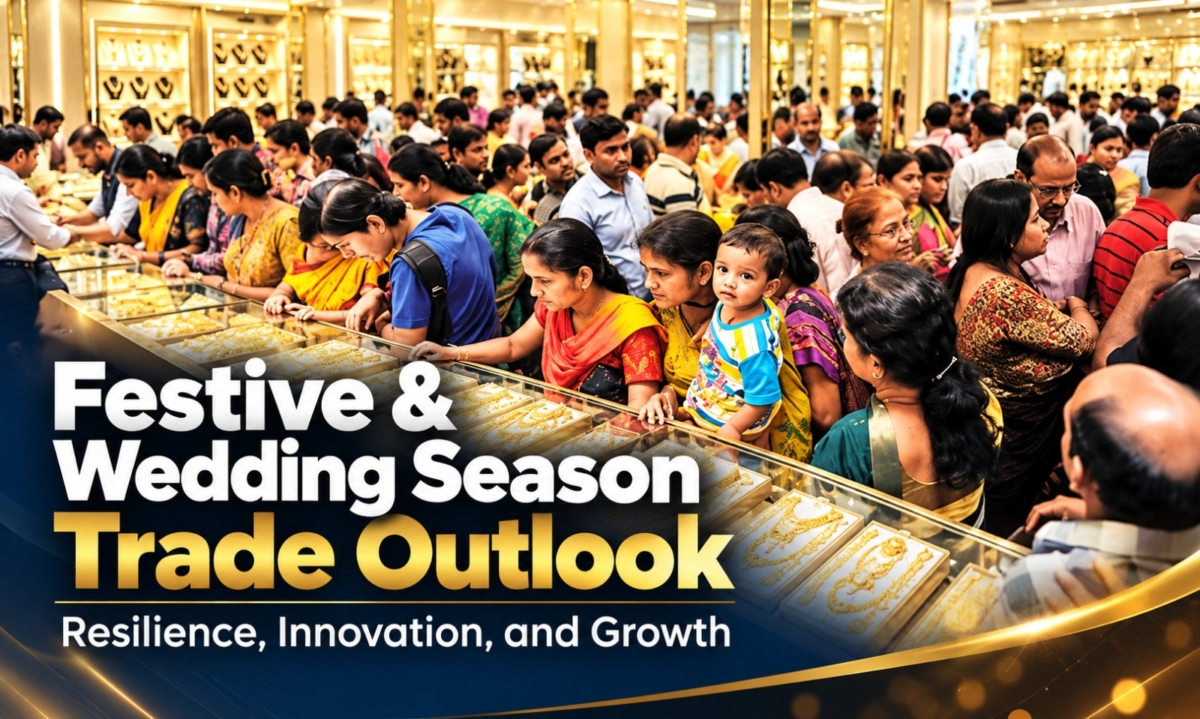
JewelBuzz spoke to trade and industry leaders who said thatstrong consumer affinity for gold as a safe-haven and emotional asset, and high demand for lightweight, design-focused offerings are driving renewed momentum. Although higher price points may decrease overall volume (by weight), total revenue and consumer trust in gold as a store of wealth remain strong.
The Indian retail jewellery sector is approaching the crucial Diwali, and upcoming wedding seasons with a mixture of pragmatic caution, strategic innovation, and underlying optimism.
Following a period of sluggish sales driven by record-high gold prices and market volatility, industry leadership expects a noticeable turnaround. Decreasing or stabilizing gold prices, strong consumer affinity for gold as a safe-haven and emotional asset, and high demand for lightweight, design-focused offerings are driving renewed momentum.
While overall physical volume (by weight) may remain subdued or flat compared to previous years, overall sales value is projected to grow anywhere from single/low-double digits up to 20%–25%, depending on retail positioning and product portfolio.
Key Market Dynamics & Consumer Trends
1. Sluggish Past Months & Strategic Pivots to Lightweight Collections
Prior to the festive onset, retail sales experienced a downward trend due to price volatility. However, jewellers are actively countering this by shifting focus toward lightweight gold, close-set natural diamonds, silver artifacts, and platinum lines. As N. Anantha Padmanaban (Chairman, NAC Jewellers) notes:
“Sales has been on the downward trend due to various reasons for the past few months, but we are expecting good sales with gold prices coming down during Navratri & Diwali…”
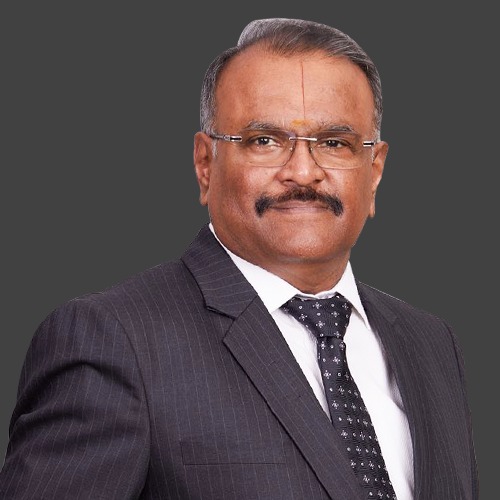
Retailers are innovating across price points to capture value-conscious shoppers. NAC Jewellers, for instance, has introduced lightweight gold options such as the traditional cow-themed Surabhi collection, lightweight silver lamps for Dhanteras, and close-set diamond lines to stimulate demand.
2. Emotional Connection & Bridal Resilience
Despite elevated rates, consumer trust in gold as both an emotional asset and cultural anchor remains steadfast. Addressing the underlying consumer sentiment, Dr. Pratap Madhukar Kamath (MD, ABARAN) emphasizes:
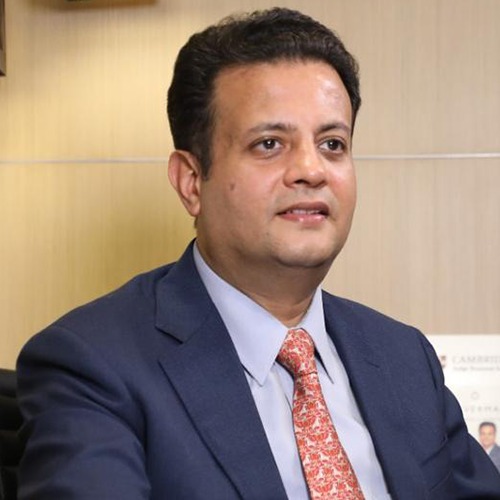
“We remain highly optimistic about jewellery sales during the ongoing festive season and the upcoming wedding season. Despite elevated gold prices, consumer sentiment continues to be encouraging, reaffirming gold’s timeless significance…”
This sentiment translates into steady interest across traditional bridal jewellery, contemporary lightweight pieces, and investment-oriented purchases ahead of the heavy wedding dates.
3. Industry Call for Patience & Wedding Stability
Addressing market anxiety surrounding gold rate fluctuations, Rakhal Gontla (Jt MD, Vaibhav Jewellers) offers a reassuring message to the trade:
“My message to the trade and industry is simple: Don’t panic. These may be challenging times, but it is important to stay resilient, hold your ground and navigate the market with patience and perseverance.”
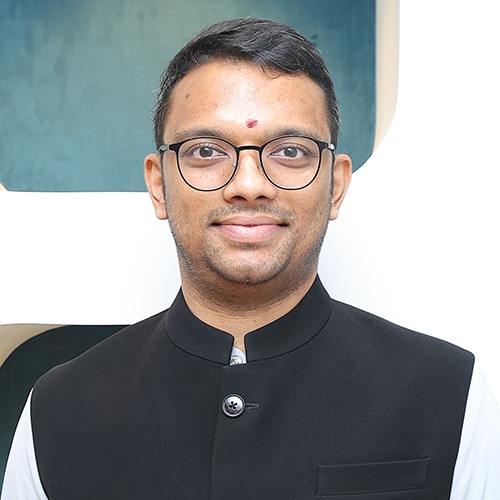
Marriage-related sales are expected to stay particularly healthy, backed by gold’s central role in traditional ceremonies.
4. Volume Subdued, Value Growth Driven by Gen Z & Alternative Metals
Rising gold rates have led to a division between physical volume and monetary sales value. Jayantilal Challani (Chairman, Challani Group Of Companies) observes:
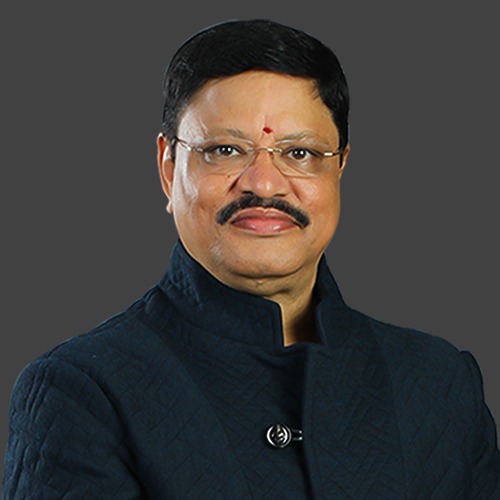
“The jewellery industry expects a cautious and value-driven festive season, with total sales value projected to grow in single or low-double digits even as physical volume remains subdued due to record-high gold prices.”
To bridge this gap, jewellers are tapping into Gen Z buyers who favor minimalist designs—such as thin chains, stud earrings, and understated rings—and shifting attention toward natural diamonds and alternative metals.
5. Natural Diamonds & Expanding Value Expectations
As gold prices surge, natural diamonds are gaining significant market share, evolving from purely bridal wear to everyday lifestyle pieces. Eshwar Surana (MD, Raj Diamonds) projects strong growth in value:
“We believe the festive season will add sparkle to jewellery sales, and we expect it to grow 20–25% in value. We have already witnessed a strong and encouraging customer response…”
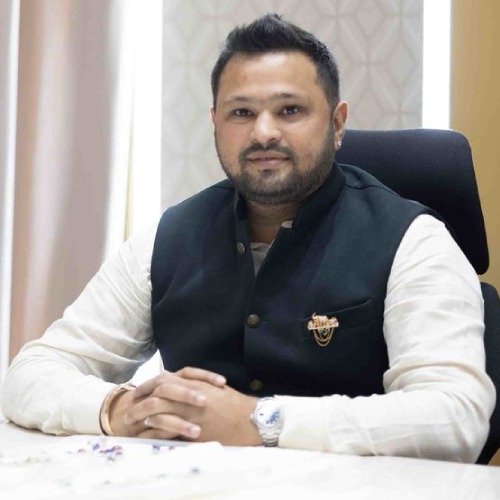
Rising disposable incomes and millennial demand for meaningful investment pieces are helping power this 20%–25% value surge.
6. Transparency & Consumer Confidence
Navigating periods of high pricing requires absolute trust. Dr. C. Vinod Hayagriv (MD, C. Krishniah Chetty Jewellers) cautions against misleading retail tactics while noting a muted initial sentiment:
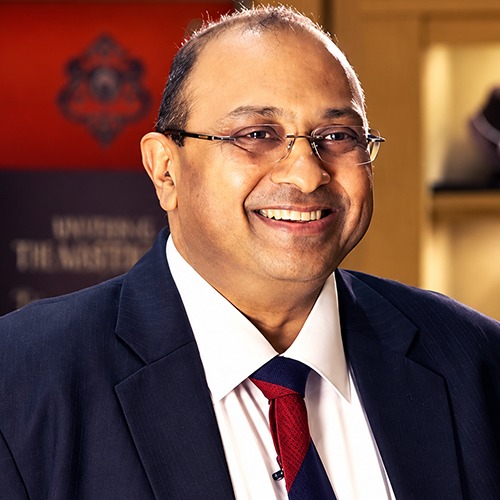
“The sentiment for the festive season is muted… It is essential that we maintain consumer confidence with genuine sales promotions. Without inflating prices and artificially discounting—which erode consumer confidence.”
Maintaining genuine promotional integrity is seen as vital for matching or modestly exceeding last year’s festive performance.
7. Gold’s Intrinsic Value Amid Volatility
Concluding the trade sentiment, John Alukka (Jt MD, Jos Alukkas) points out that elevated gold rates actually reinforce consumer belief in the metal’s enduring value:“
Consumers are constantly seeking value and they find it in gold. In fact the consumer trust in gold has increased because of the higher value. There could be slight hesitation and confusion because of rate variations…”



Tradition Meets Everyday Style: Mangalsutras For Karva Chauth From Candere By Kalyan Jewellers

So/Facet Raises ₹10 Crore Led By Sauce To Build The Diamond Brand That Young India Has Been Missing

Festive & Wedding Season Trade Outlook: Resilience, Innovation, and Growth

BHIMA Jewellery Receives Prestigious IAGES Accreditation
So/Facet Raises ₹10 Crore Led By Sauce To Build The Diamond Brand That Young India Has Been Missing

JGP Jewellers Opens Its 26th Store In Nipani, Marking Its Entry Into Karnataka
-
 National News16 hours ago
BHIMA Jewellery Receives Prestigious IAGES Accreditation
-
 National News15 hours ago
So/Facet Raises ₹10 Crore Led By Sauce To Build The Diamond Brand That Young India Has Been Missing
-
 New Premises21 hours ago
JGP Jewellers Opens Its 26th Store In Nipani, Marking Its Entry Into Karnataka
-
 JB Insights15 hours ago
Festive & Wedding Season Trade Outlook: Resilience, Innovation, and Growth