Special Reports
Growth of the 925 Sterling Silver Gifting Segment

The 925 sterling silver gifting segment is emerging as a distinct and fast-growing opportunity within the global jewellery and gifting economy, driven by the convergence of rising gold prices, changing consumer preferences, personalisation, digital commerce and the growing acceptance of affordable luxury. Once positioned largely as a lower-priced alternative to gold, sterling silver is increasingly being viewed as a meaningful, fashionable and culturally relevant gifting product across jewellery, festive articles, pooja items, personalised keepsakes and corporate gifting.
The global silver jewellery market is estimated at around US$40.5 billion in 2025, with Asia-Pacific accounting for a significant share of demand and manufacturing. India occupies an important position in this ecosystem, supported by its strong jewellery-making base, cultural affinity for silver and expanding organised retail sector. The report estimates that India’s combined silver jewellery and silver articles market could grow at around 4–6% CAGR through 2029, with gifting-led categories potentially expanding faster than the broader market.
A key catalyst is the widening affordability gap between gold and silver. Although silver prices have also risen sharply, gold’s much stronger price escalation has encouraged consumers to trade down without abandoning the desire to gift precious-metal products.
In India, silver jewellery and gifting products in the Rs. 10,000– Rs. 30,000 range provide an accessible entry point for consumers seeking a premium yet affordable gift. Gold-plated 925 silver, personalised jewellery, initials, names, zodiac symbols and meaningful charms are further expanding the addressable market.
Young consumers—particularly Gen Z and millennials—are increasingly treating silver as a fashion statement, a form of wearable value and an expression of personal identity.
India’s vast gifting economy provides another significant growth pool. Festival gifting, weddings, birthdays, anniversaries, personal gifting and corporate appreciation programmes create multiple occasions for silver products. Traditional silver articles such as idols, pooja sets, utensils and commemorative pieces remain culturally relevant, while modern retailers are adding fashion jewellery, personalised products, premium silverware and corporate gifting collections.
The rise of D2C silver-first brands provides perhaps the clearest evidence of the segment’s commercial potential. A business built around 925 silver can scale rapidly by combining digital-first merchandising, affordable pricing, personalisation and gifting-led positioning.
925 sterling silver is moving beyond its traditional role as a secondary jewellery category to become an important standalone gifting proposition. Through the late 2020s, personalised jewellery, vermeil, festive products, corporate gifts and organised silver retail are likely to remain key growth engines, positioning silver as an increasingly important bridge between affordability, aspiration, personal expression and precious-metal gifting.


Special Reports
A Simple Guide To Silver Investing
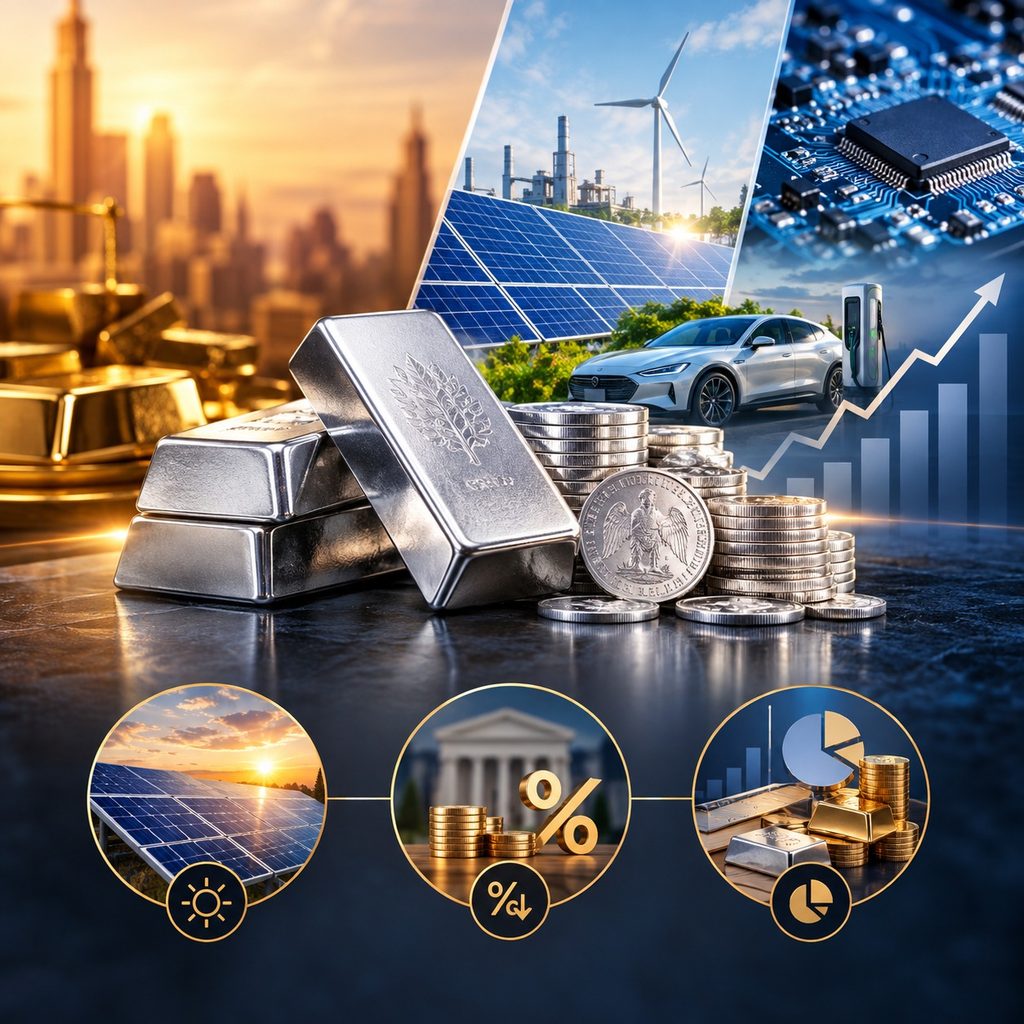
Think Of Silver As A Unique “Dual-Identity” Asset: It Is Part Precious Safe-Haven (Like Gold) and Part Essential Industrial Material (Used Heavily In Solar Panels and Electronics).

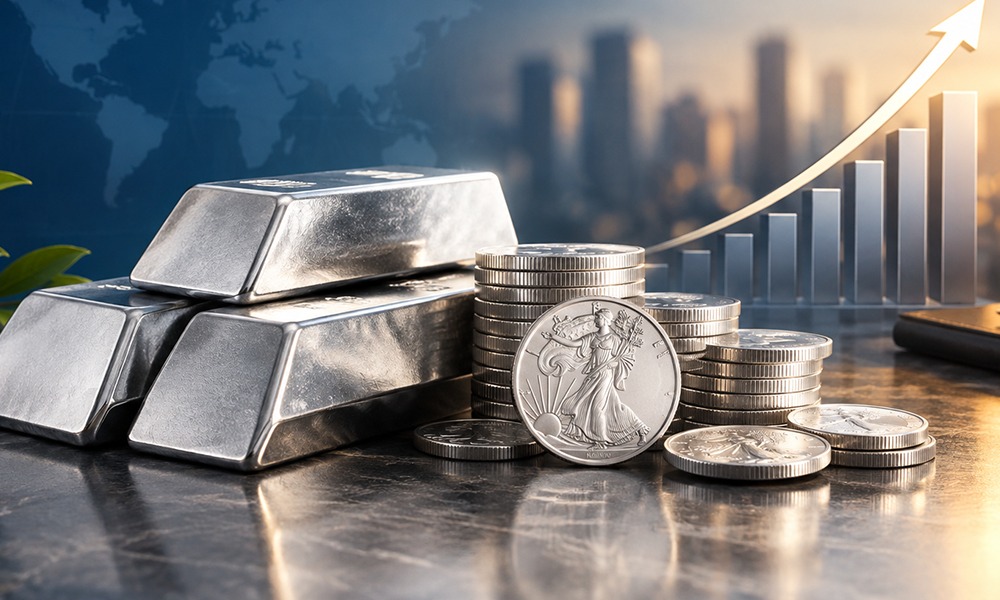
If you are an everyday investor looking at silver, it helps to look past the complicated financial jargon. Think of silver as a unique “dual-identity” asset: it is part precious safe-haven (like gold) and part essential industrial material (used heavily in solar panels and electronics).
Here is a straightforward look at where silver might be heading and how to think about it for your savings.

The Outlook: Where is the Price Heading?
Experts are generally optimistic about silver’s long-term future, but they expect some bumps along the way. Because silver has a smaller overall market than gold, its price can swing up and down much more dramatically.
The Safe/Conservative View: Large banks like J.P. Morgan predict silver will stabilize and average around $63 to $70 per ounce through the end of 2026. In India, analysts at major financial firms expect it to hold a steady baseline between Rs 2,20,000 and Rs 2,60,000 per kg.
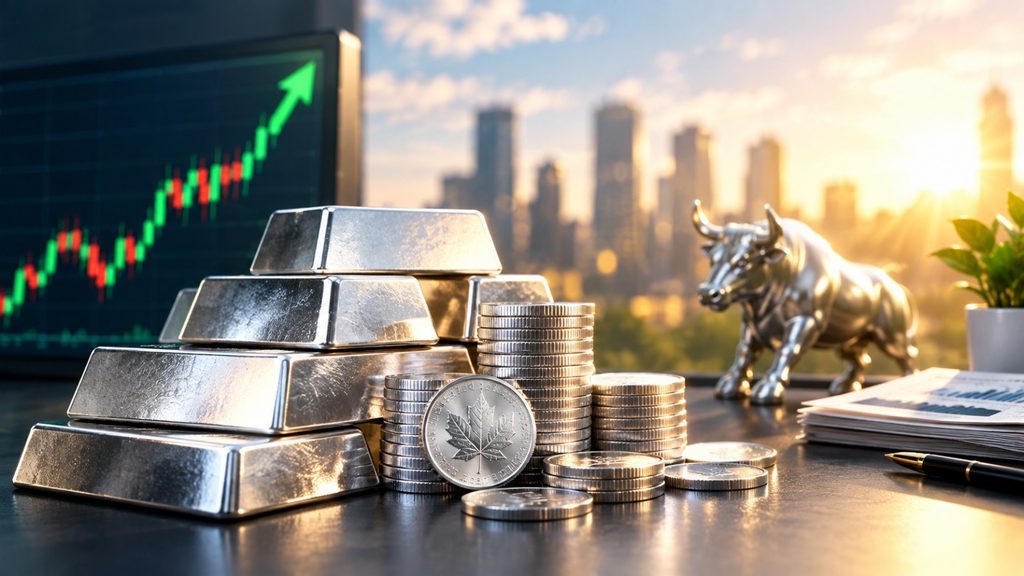
The Growth View: Major institutions like Goldman Sachs and Commerzbank are more bullish, forecasting that silver could trade in the $85 to $100 per ounce range over the next few years due to physical shortages. If that happens, local prices in India could potentially test Rs 3,20,000 to Rs 3,50,000 per kg.
Why is Silver Expected to Grow?
Two main engines are driving silver’s value right now:
The Green Energy Boom: Silver is a critical component in manufacturing solar panels and electric vehicles. As the world switches to renewable energy, factories are buying massive amounts of silver, creating a continuous “supply deficit” (meaning we are using it faster than we can mine it).
Interest Rates & Inflation: When central banks (like the US Federal Reserve) hint at pausing or cutting interest rates, traditional bank savings accounts pay a bit less. This historically makes physical assets like silver look much more attractive to investors looking to beat inflation.
Golden Rules for Retail Investors
If you are thinking about adding silver to your household portfolio, consider these basic principles:
Don’t Chase the Hype: Silver is famously volatile. For example, earlier in January 2026, a massive retail buying craze temporarily spiked silver to an unnatural record of over $121 per ounce (over Rs 4.2 Lakh/kg) before it crashed by nearly half a few sessions later. Never buy during a sudden market panic or massive spike.
Use the “SIP” Strategy: Instead of putting a large lump sum into silver all at once, buy small amounts regularly (a Systematic Investment Plan or SIP). This averages out your purchase cost and protects you from bad timing.
Keep it to a Small Percentage: Financial planners generally suggest keeping commodities like silver to a small portion of your total savings—usually 5% to 10% of your portfolio—with the rest safely distributed across traditional investments like fixed deposits, diversified mutual funds, or gold.


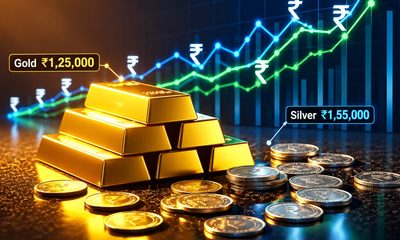
Gold prices in India extend recovery on softer U.S. dollar, easing Treasury yields, lower crude oil prices.

RADIANT REFLECTIONS: The Ultimate Karwa Chauth Edit By Zen Diamond India

Senco Gold & Diamonds celebrates Navratri with festive offers
-
 National News22 hours ago
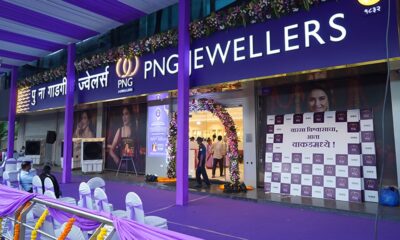
P N Gadgil Jewellers Limited – Quarterly Update Q2FY27
-

 National News20 hours ago
57th GST Council Recommends Faster Refunds, Lower Penalties and Simpler Compliance
-

 International News20 hours ago
GJEPC’s Paris Buyer-Seller Summit To Be Held From 13–15 October 2026
-

 International News20 hours ago
VICENZAORO Rewards Excellence:The VO Awards Will Be Back For The Second Edition