
JB Insights
Gold-plated silver jewellery is seeing explosive growth
Gold-plated silver jewellery is the defining shift of the modern accessories market, establishing a massive industry segment known as demi-fine jewellery

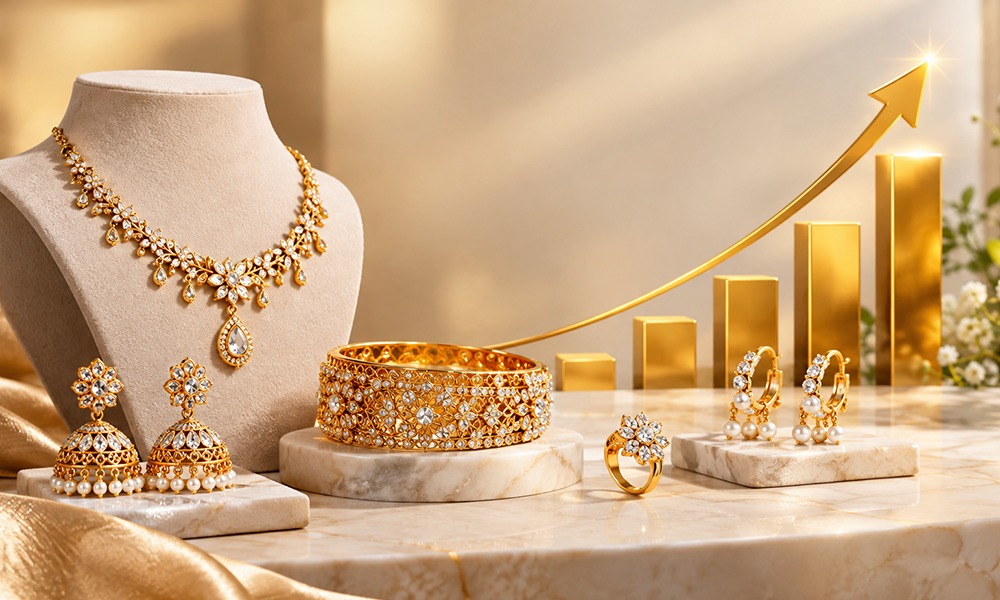
The explosive rise of gold-plated silver jewellery is the defining shift of the modern accessories market, establishing a massive industry segment known as demi-fine jewellery. Positioned precisely between cheap, disposable fashion pieces and cost-prohibitive solid gold, this hybrid category has transformed how consumers approach luxury.
The global demi-fine jewelry market is projected to reach $1.46 billion by 2035, expanding at a rapid CAGR of 15.96%. Driven by a shift toward “self-gifting,” workwear aesthetics, and an aversion to fast-fashion alloys, this segment has successfully captured the modern consumer.
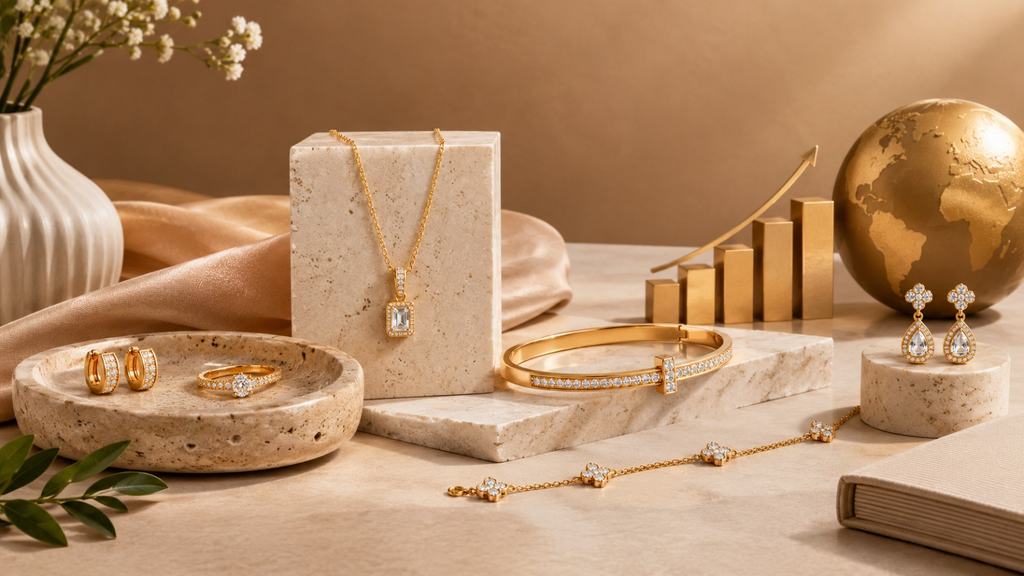
The Economic Catalysts
- The “Gold vs. Budget” Dilemma: Global solid gold prices have soared to unprecedented heights. For perspective, an intricate 26-gram piece of solid gold can easily exceed $1,900, while an identical design crafted in gold-plated silver costs just a fraction of that, around $190.
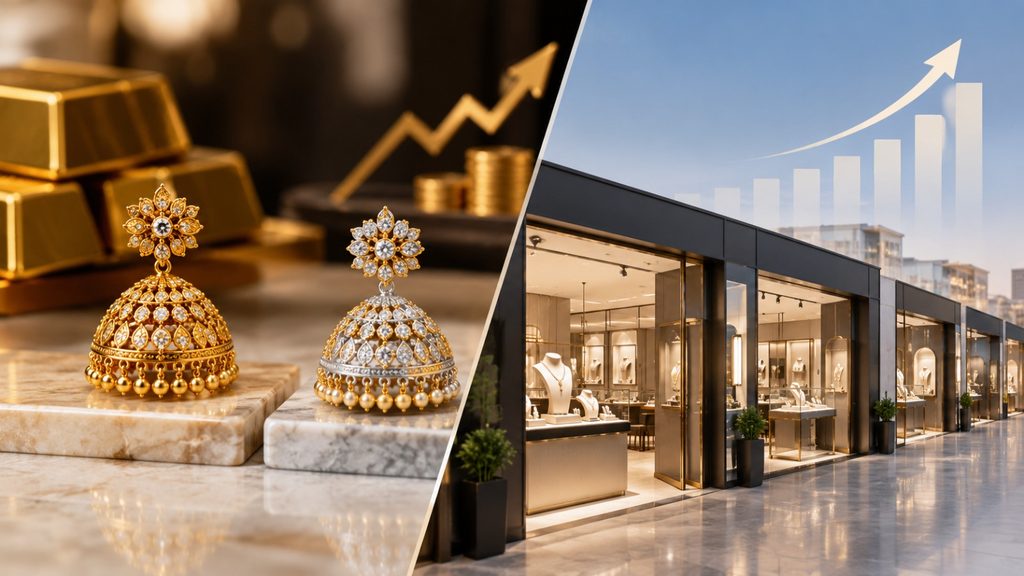
- The Silver Retail Boom: Brick-and-mortar storefronts dedicated exclusively to premium 925 sterling silver have seen a 300% to 400% surge in new store openings. Retailers are aggressively expanding their physical footprints to capture buyers who are priced out of traditional gold but refuse to sacrifice the prestigious retail experience.
- Investment vs. Wearability: Traditional consumers viewed jewellery strictly as an investment asset. Modern buyers split their budgets: they relegate solid gold to bank lockers and build vast, versatile collections of gold-plated silver to wear out in the real world.
Shifting Demographics and “Self-Gifting”
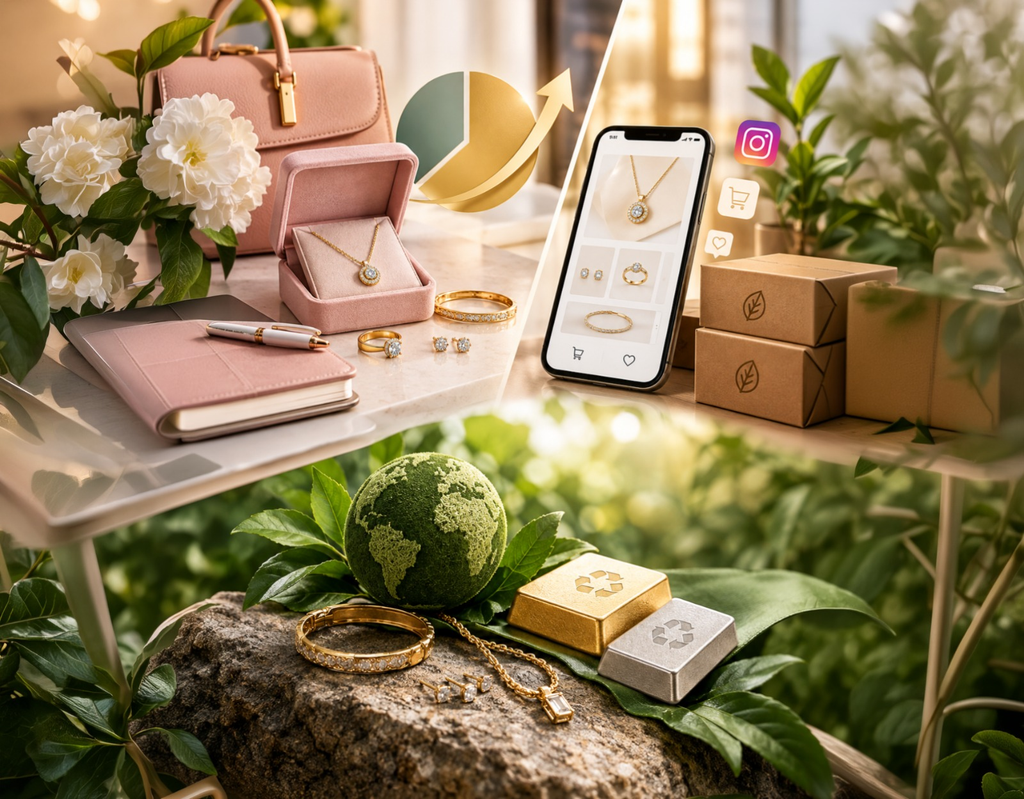
The Green Factor: Gen Z and Millennial buyers demand ethical sourcing. Over 62% of buyers state they actively seek out “conflict-free” or recycled metals. Because silver and gold vermeil are highly recyclable, demi-fine jewellery perfectly satisfies the eco-conscious mandate.
The Rise of the Female Self-Purchaser: Historically, fine jewellery was predominantly bought as a gift by men for weddings or formal milestones. Today, women account for over 62% of total demi-fine market revenue, buying pieces for themselves to mark personal milestones, career achievements, or simply everyday office styling.
The DTC Revolution: Digital-native, direct-to-consumer (DTC) brands command a massive 41% share of the national demi-fine market. Through Instagram-driven discovery and seamless online shopping, these brands have normalized the concept of accessible luxury.


JB Insights
Devotion, Heritage & Diversification: The defining trends of SSI Delhi’s 3rd Edition
From sacred artistry to lifestyle-driven expansion, how top exhibitors bridged timeless tradition with modern market demand.
Spirituality as a design anchor
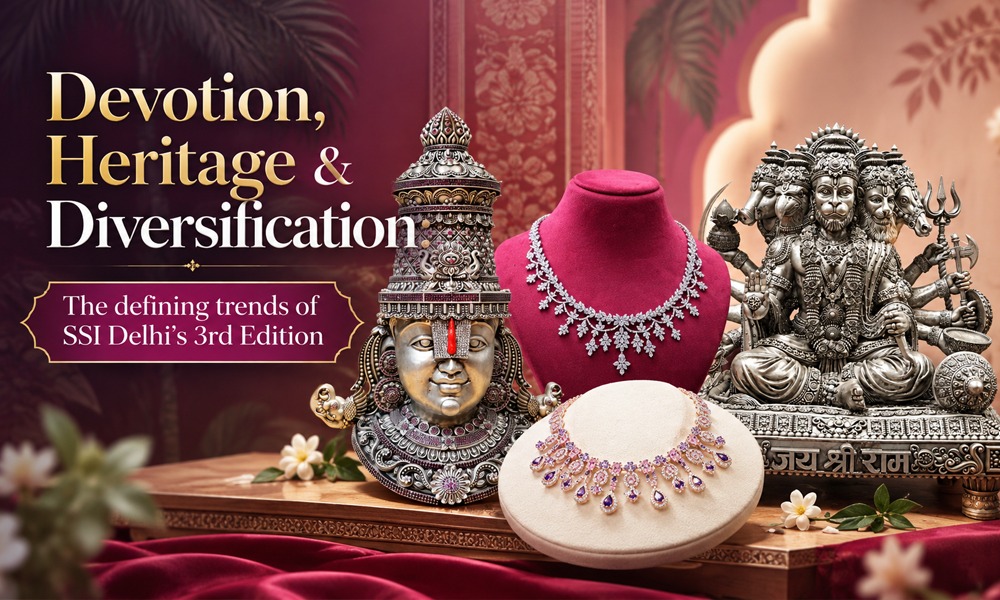
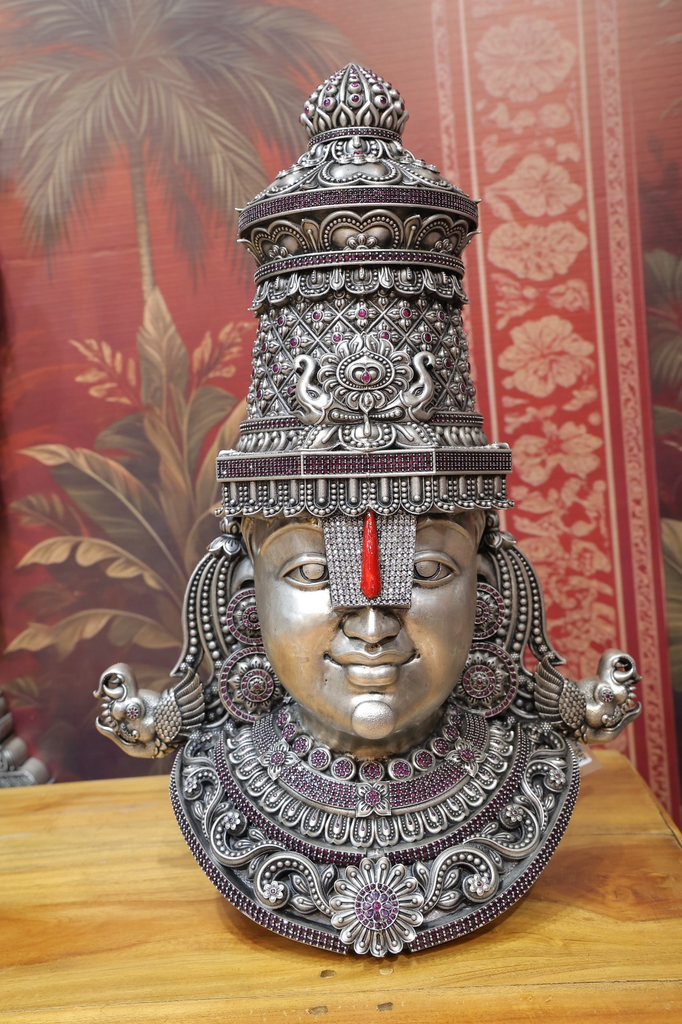
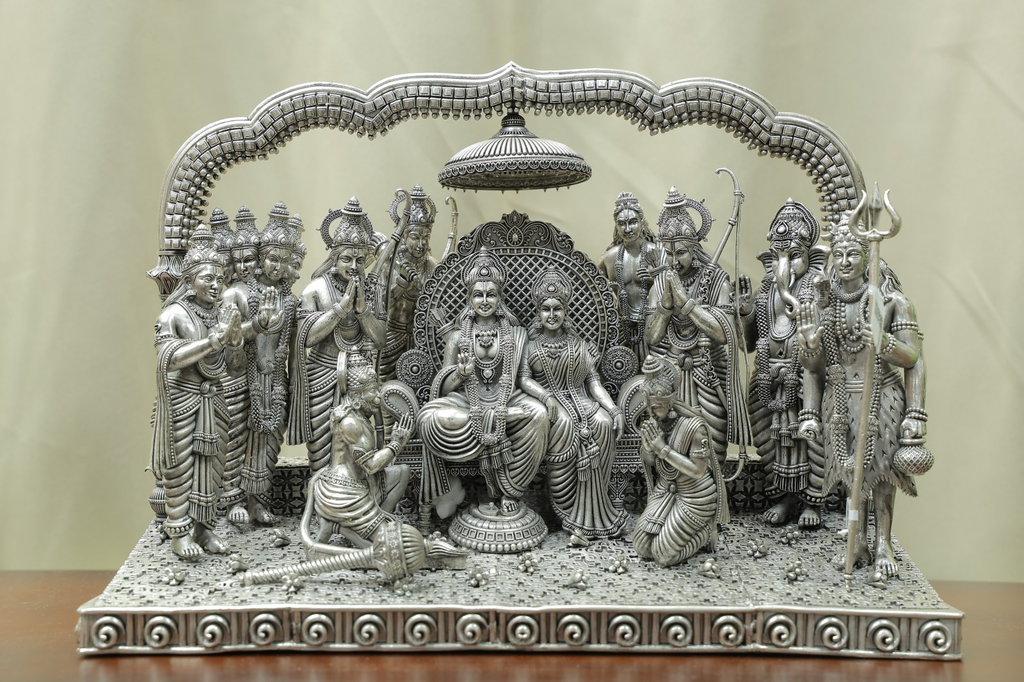
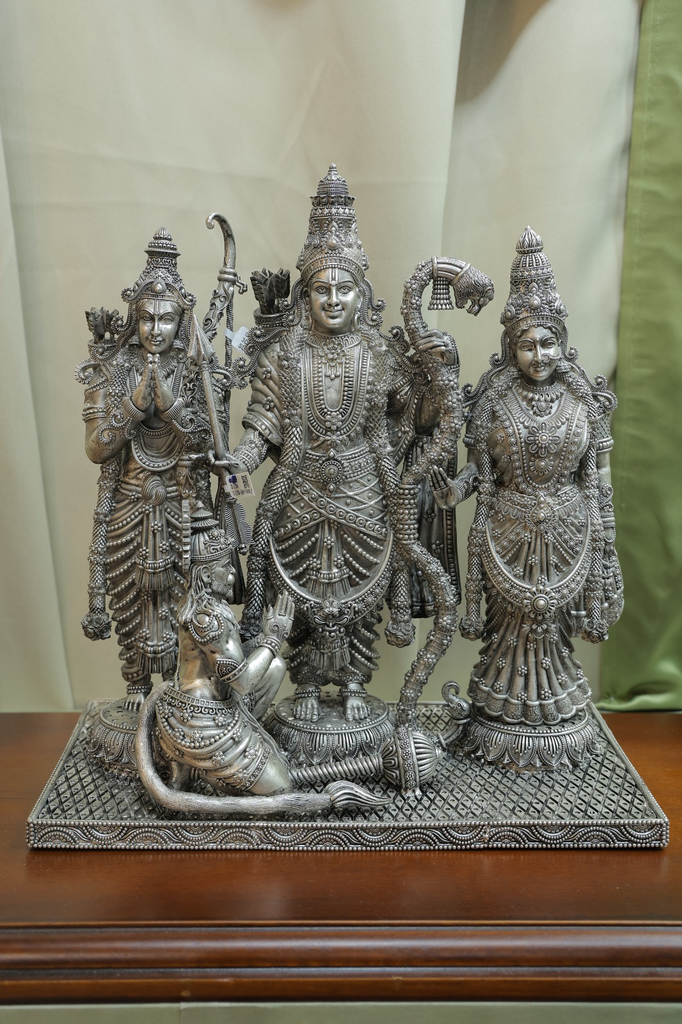
Devotional and spiritual artistry emerged as the single strongest thread of the show. Ricchezza’s Idols Collection, SILORA’s Shrinathji timepiece, Purple Jewels’ Balaji idols and Shiva Lingam, and Anmol Jewellers’ extensive range of silver and gold idols (Vishwarupa, Panchmukhi Hanuman, Ram Parivaar, and more) together show that sacred and devotional pieces are no longer a niche category but a mainstream, premium-positioned offering across exhibitors.
Antique, oxidized and heritage finishes
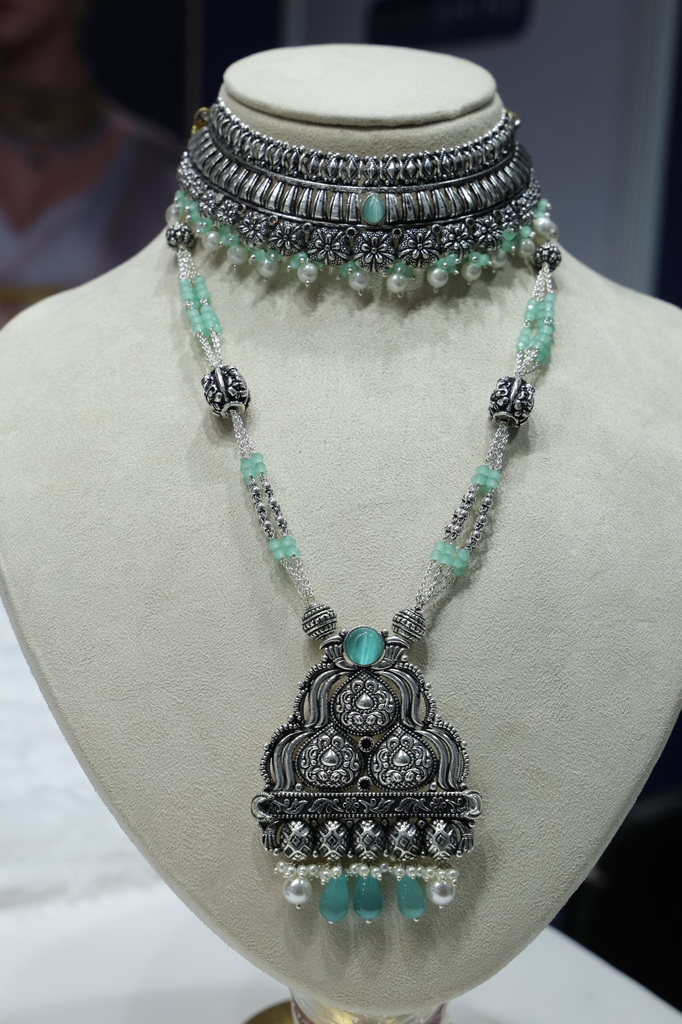
SILORA’s glorious Antique Finish Collection and Oxidized Silver Jewellery reflect a broader pull toward deep patina, folk-tribal textures, and traditional Indian artistry — a counterpoint to high-polish contemporary pieces and a signal that heritage aesthetics remain commercially strong.
Rose gold’s continued momentum
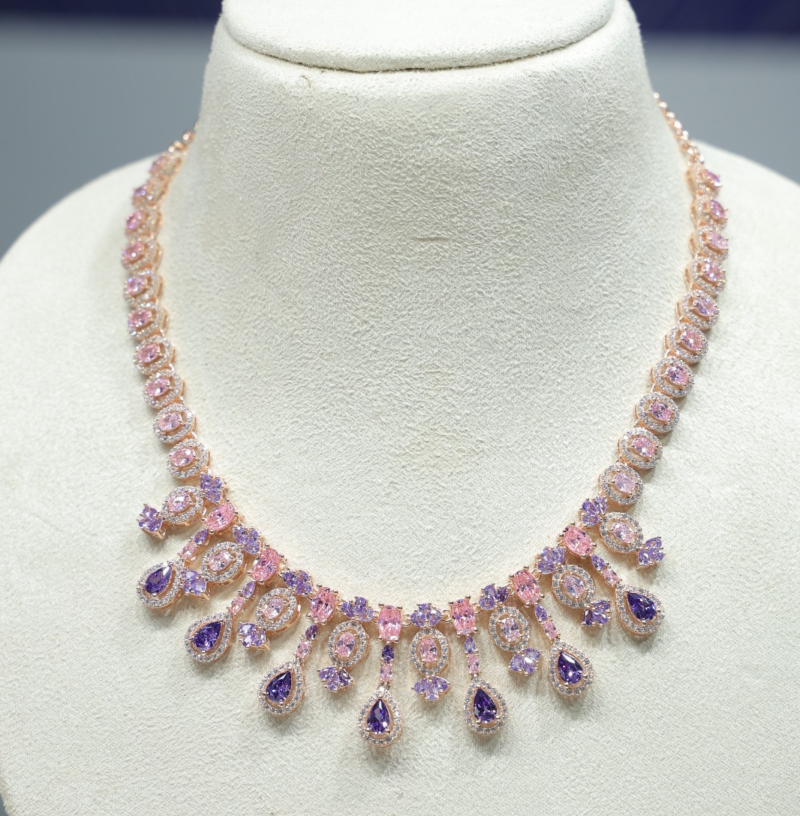
Rose gold surfaced across multiple product types — not just jewellery but also timepieces — as seen in SILORA’s Luxe Rose Gold Finish Jewellery and rose-gold-finished watches, reinforcing its position as a staple modern finish rather than a passing trend.
Category expansion beyond traditional jewellery
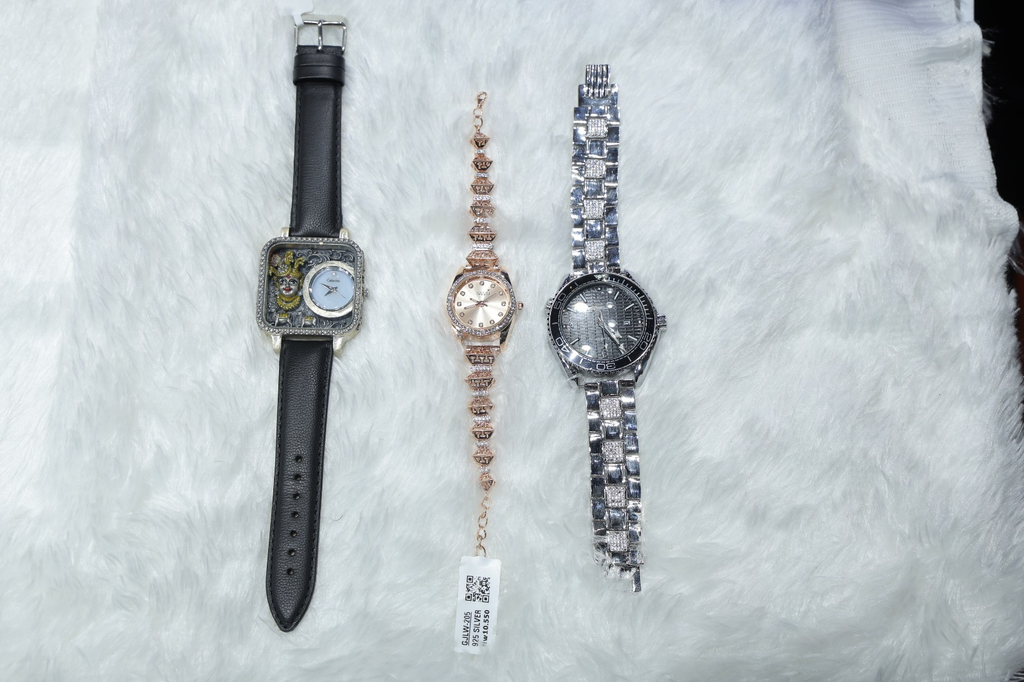
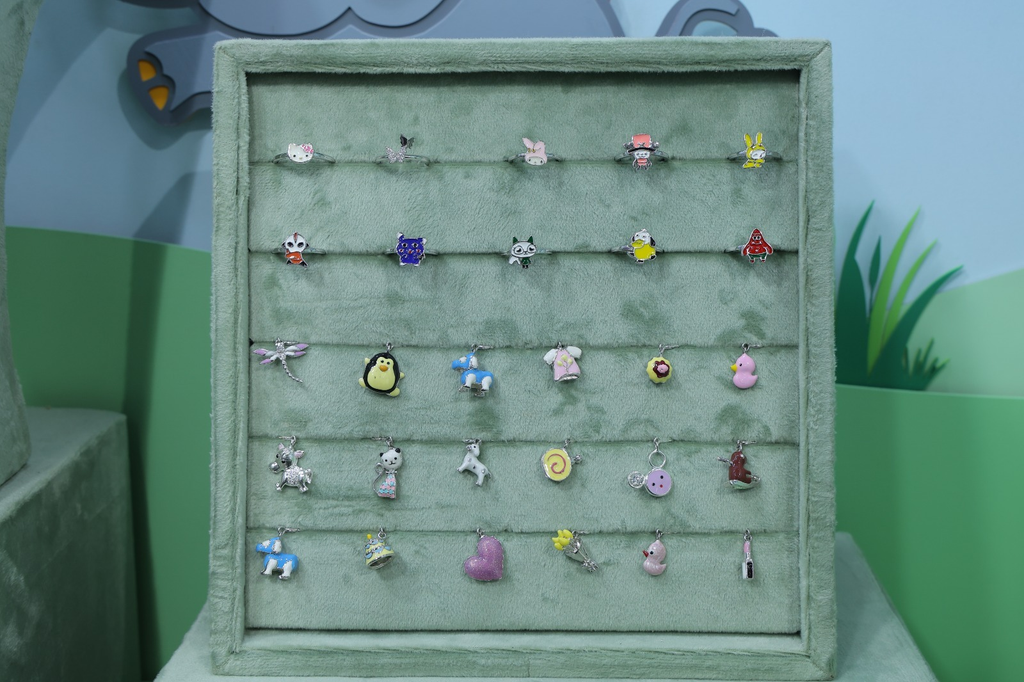
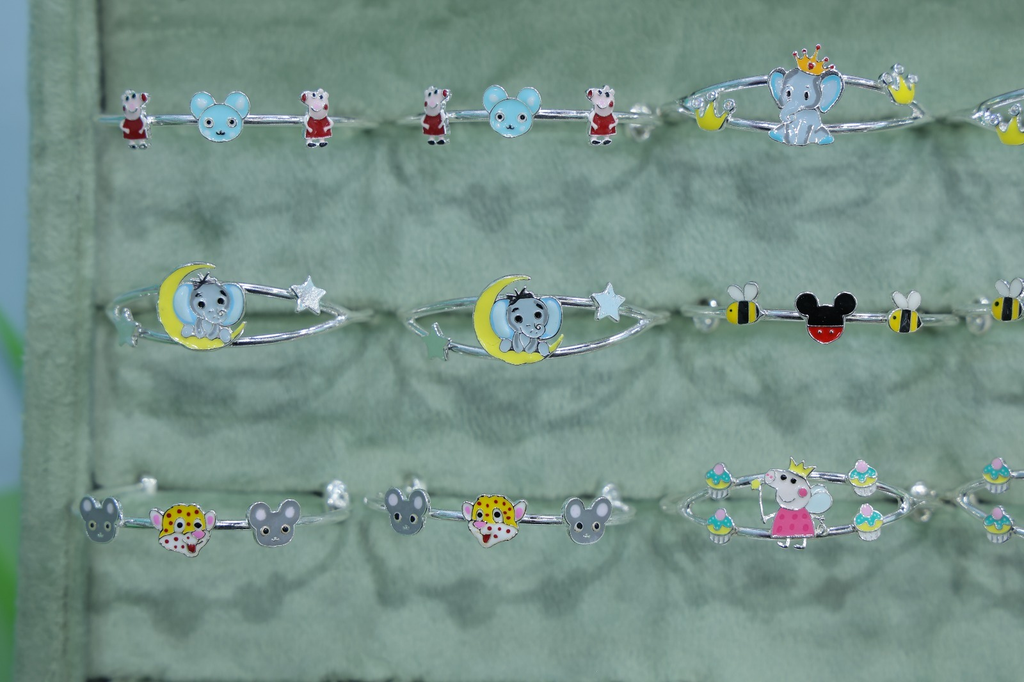
Exhibitors are widening their range beyond rings, chains, and bangles. Ricchezza’s Anamitra line targets infants, while SILORA’s Exclusive Timepieces extend a jewellery brand into horology — both pointing to lifestyle-driven diversification as a growth strategy.
Gender-Specific Design Lines
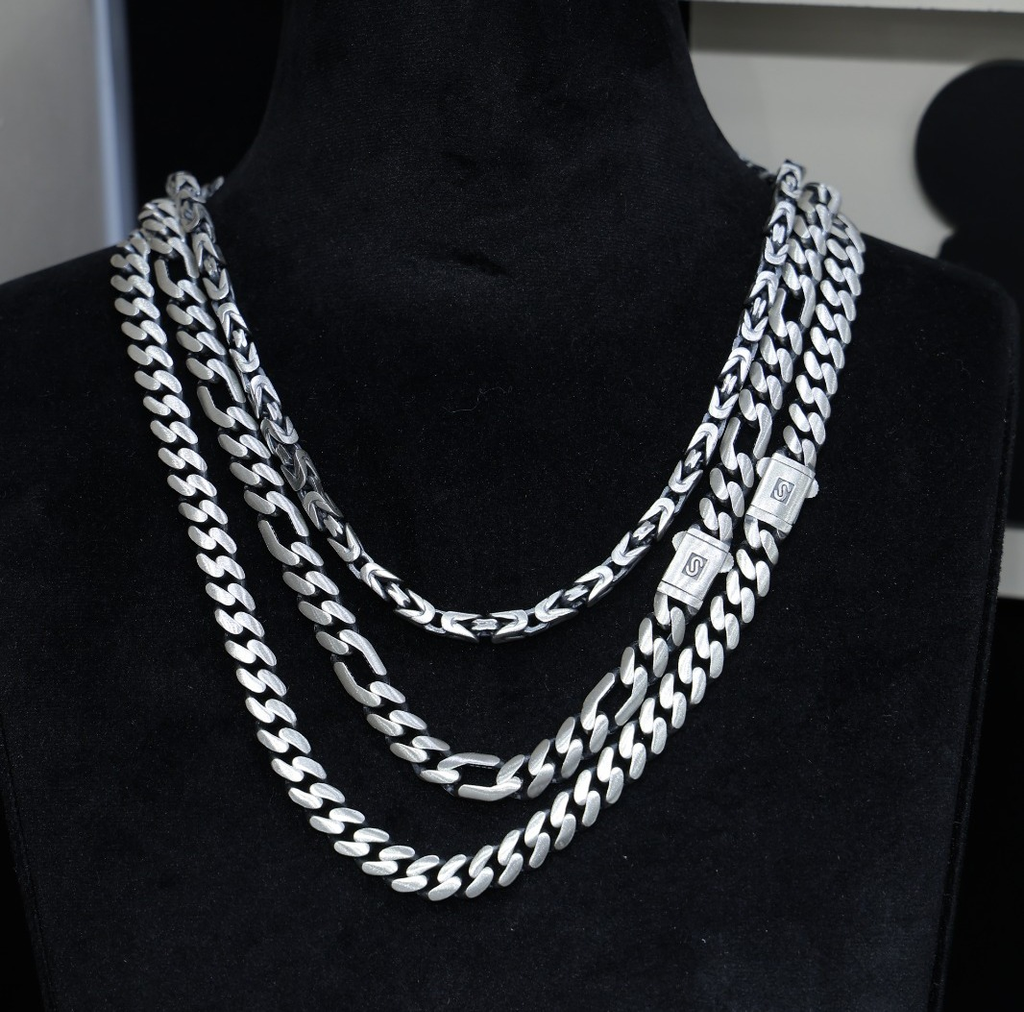
Distinct masculine and feminine lines were a notable feature, exemplified by Ricchezza’s Cuban Collection (bold, masculine) alongside Tixty (chic, feminine) — indicating that targeted, gender-specific collections continue to be a deliberate merchandising strategy rather than a one-size-fits-all approach.
Mastery in Silver Artefacts and Idols
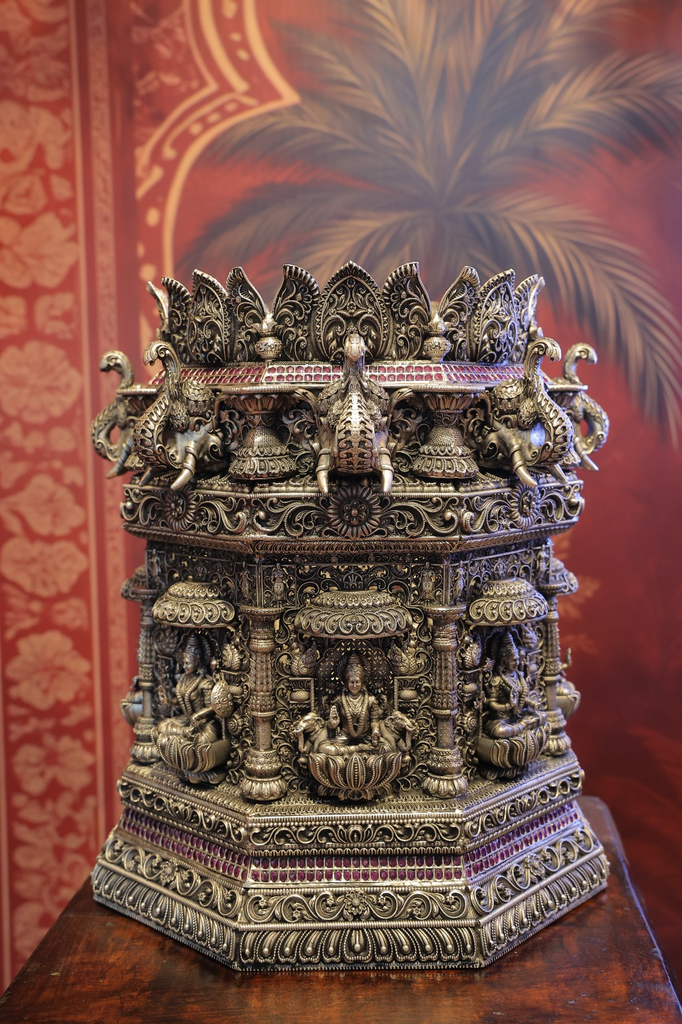
Both Purple Jewels and Anmol Jewellers demonstrated the depth of skill in silver idol-making, from the Saptashwa Vase’s mythological detailing to the technical complexity of Vishwarupa and Panchmukhi Hanuman forms, underscoring silver artefacts as a distinct and thriving craft category alongside wearable jewellery.
Balancing tradition and modernity
Taken together, the exhibitors at the 3rd edition of SSI Delhi painted a picture of an industry balancing tradition and modernity — where antique finishes and devotional artistry sit comfortably alongside rose gold sophistication, gender-targeted lines, and category extensions such as infant jewellery and timepieces. This blend of heritage craftsmanship and contemporary lifestyle relevance appears to be the defining character of the show.



-
 JB Insights2 minutes ago
Devotion, Heritage & Diversification: The defining trends of SSI Delhi’s 3rd Edition
-
 ShowBuzz15 hours ago
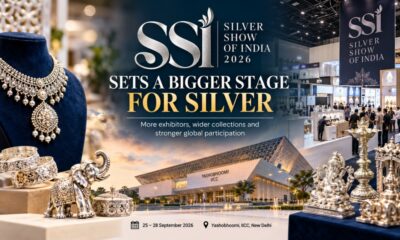
SSI 2026 SETS A BIGGER STAGE FOR SILVER
-

 ShowBuzz19 hours ago
Silver Trends To Watch At SSI Delhi 2026
-

 ShowBuzz19 hours ago
Silver Show Of India- Delhi 3rd Edition Unveiled At Yashobhoomi, Delhi
