
National News
GJEPC Announces ‘Quantum Couture’ as Theme for The Artisan Awards 2026
GJEPC Challenges Designers to Blend Artisanal Heritage with Augmented Imagination

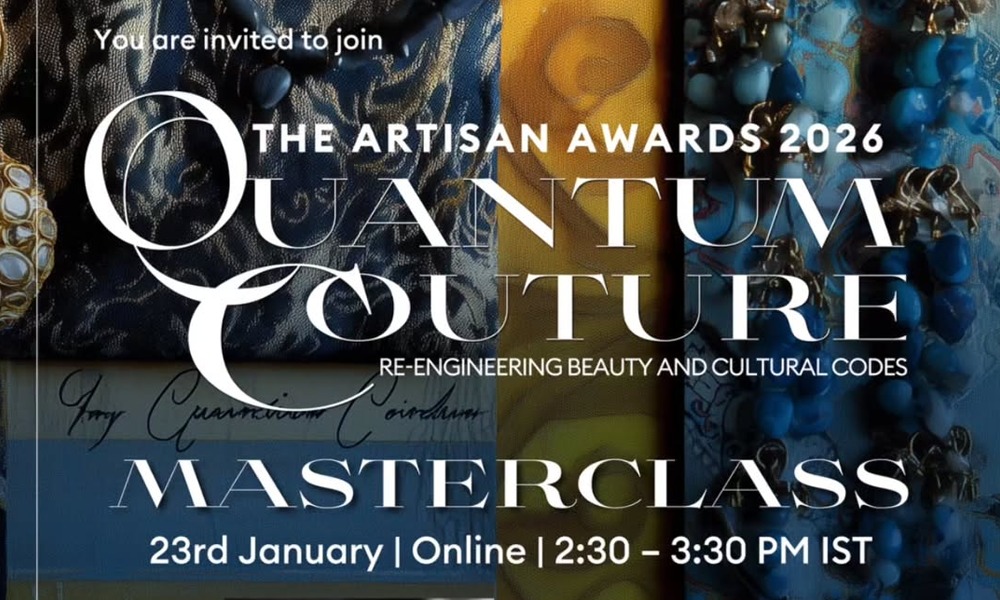
The Gem & Jewellery Export Promotion Council (GJEPC) has officially announced the theme for the prestigious Artisan Jewellery Design Awards 2026, “Quantum Couture – Re-Engineering Beauty and Cultural Codes.” Launched as a call to push boundaries, the 2026 edition invites designers to move beyond convention and create wearable art for a radically evolving world—where jewellery design, legacy and technology coexist as parallel realities.
The 2026 edition impels participants to push boundaries, move beyond boxed thinking and convention, and create wearable art for an evolving world—where jewellery design, heritage and technology coexist in a meaningful manner. “Quantum Couture” shifts the focus from simply preserving form to translating meaning through a lens of “augmented imagination.”
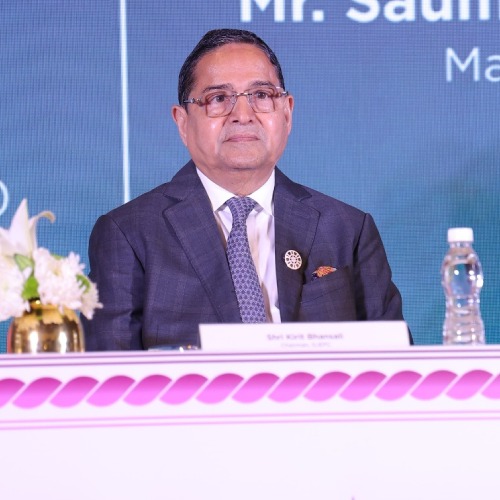
Speaking on this year’s theme, Kirit Bhansali, Chairman, GJEPC, said, “India’s artisanal legacy is not a static memory; it is a living force that is actively shaping the global future of design. With ‘Quantum Couture,’ we are challenging designers to treat jewellery legacy as an evolving system. This is not just a trend, it is a new operating system for jewellery. We are inviting the world to see India not just as a manufacturing hub, but as a global muse that blends Indian craft with modern techniques.”
Ashish Borda the Convener, Promotions & Marketing, GJEPC also said, that in a strategic move to redefine the jewelry landscape, the industry is shifting toward a narrative that bridges the generational gap between Baby Boomers and Gen Z. At the heart of this evolution is the “Quantum Couture” movement, which prioritizes fluidity, inclusivity, and technical innovation to meet modern consumer demands. By leveraging “augmented imagination” in the design process, Indian jewelers are successfully positioning traditional craftsmanship as a contemporary must-have for digital-native audiences, ensuring the sector remains a dominant force in the global cultural conversation.
The 2026 theme is explored through three distinct sub-themes, each acting as a lens to define a new couture vocabulary:
1. Quantum Couture – Embroidery: Heritage Rewired Through Structure and Light
This theme reinterprets traditional embroidery—lace, brocade, filigree and beadwork—into sculptural jewellery forms. Here’s a chance to unleash your creativity and convert couture textiles into jewellery structures that feel woven, layered and suspended. The textile-inspired elements can include brocade, crochet and lace cut-outs, reimagined in precious materials. Moreover, micro-pearl weaving, bejewelled nets, fluid tassels and fringes lend movement and lightness, while yellow gold and white metals form the structural base.
2. Quantum Couture – Micro-Painting: The Intimacy of Detail in the Age of Acceleration
In this direction, jewellery becomes a micro-canvas of storytelling, rich with symbolism, where technology enhances artisanal expression rather than replacing it.
This design direction draws from time-honoured techniques such as the jadau, meenakari kundan enamelling, micro-mosaics and miniature paintings, where every surface becomes a canvas of detail. Engravings, carvings and openwork designs add depth and dimension, while rarified traditions like Thewa art bring luminous narrative to the fore.
3. Quantum Couture – Poetic Layers: Nature, Memory and Form in Dimensional Dialogue
This design direction draws from nature’s poetry, expressed through bejewelled fauna and flora rendered in layered, sculptural forms. Designs play with depth, relief and contrast to create expressive, gender-fluid pieces that merge poetic craft with contemporary construction. Techniques such as marquetry, engraving and carving, and fine filigree create depth and texture, while contrasting effects and coloured metals introduce visual drama and a contemporary sensibility.
Now in its 9th edition, the Artisan Awards 2026 is an invitation to design jewellery that resonates across generations, proving that the future of jewellery is not waiting to be preserved—it is already in the making.
Since its inception, The Artisan Awards have consistently challenged designers with disruptive themes that break stereotypes and elevate jewellery to the realm of wearable art—transcending mere intrinsic value. Each edition reinforces the belief that fine jewellery can serve as a powerful canvas for avant-garde creativity and contemporary expression. Entries undergo a rigorous, multi-stage jury evaluation process, beginning with a technical assessment and progressing through multiple rounds of expert judging. Beyond cash prizes, winners also receive internships with leading industry brands, while the winning and finalist pieces are showcased at prominent international trade shows under the India Design Gallery, curated and organised by GJEPC—offering designers unparalleled global visibility and recognition.
Jewellery manufacturers, retail brands, design labels, and design students are invited to submit their interpretations of “Quantum Couture,” joining a movement that redefines Brand India as a leader in innovation-led, sustainable, and visionary jewellery design. Sketches, along with the participation forms, must be submitted by 10th February 2026.
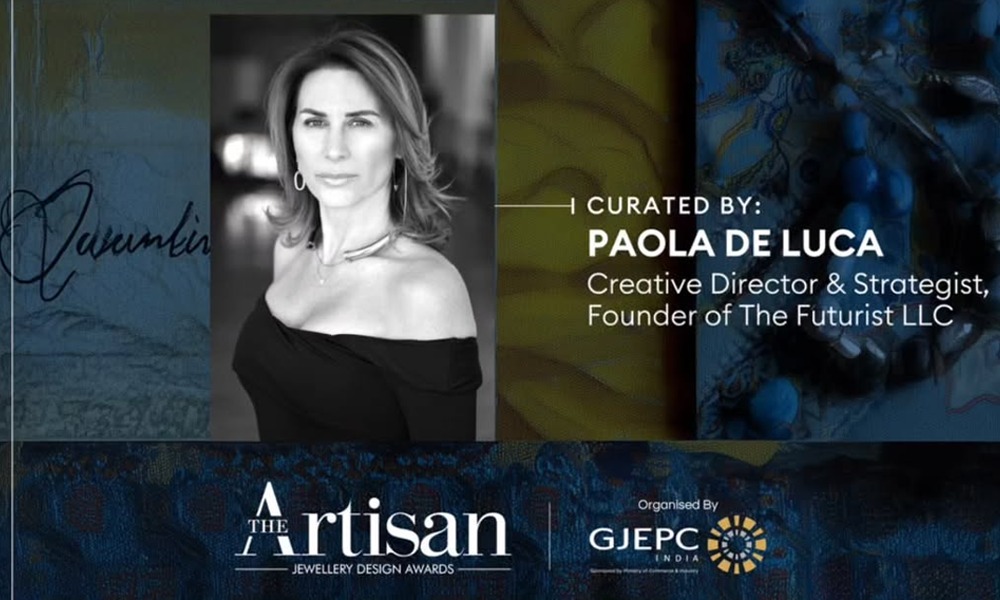
Paola De Luca, futurist and curator of the Quantum Couture theme, will hold an online ARTISAN AWARDS 2026- MASTER CLASS on 23 January at 2.30 pm India time, offering interested participants a deep dive into the three distinct categories.


BrandBuzz
Verlas Introduces the ‘Alyssa’ Collection in India, Bringing Modern Luxe Floral-Inspired Design to Lab-Grown Diamond Jewelry Crafted in Fine Gold
The New York-born brand channels statement floral designs in modern silhouettes and larger carat diamond brilliance into a collection made for weddings, engagements, cocktail evenings, and wedding Trousseau Picks.
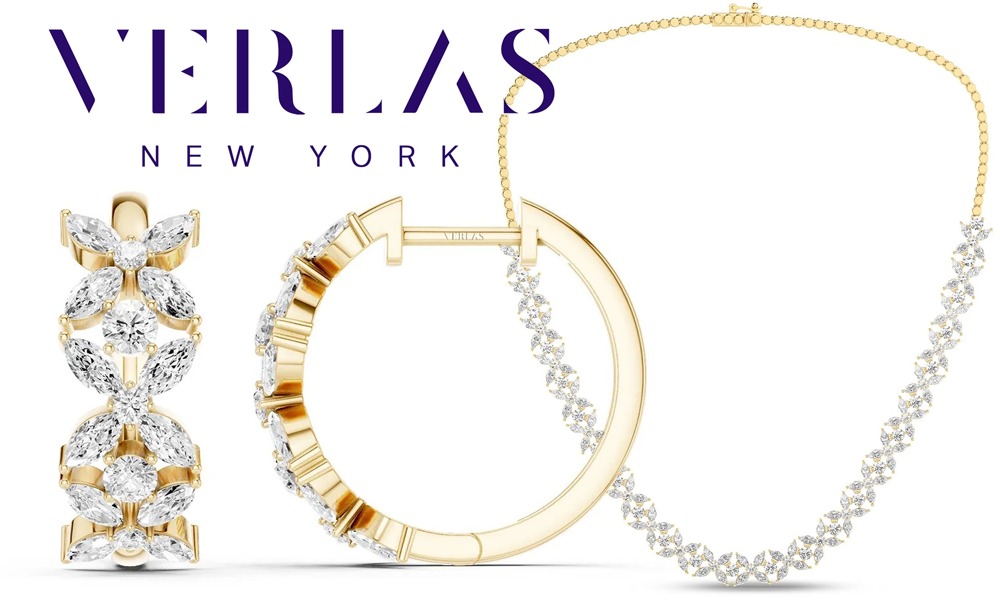
Verlas, the New York-based fine jewelry brand, has brought its luxurious Alyssa collection to India, a floral-inspired range of contemporary designs crafted with IGI-Certified lab-grown diamonds and BIS hallmarked gold in 14K and 9K Gold variants. Built around larger carat weights and romantic floral design, the collection pairs statement sparkle with Verlas’ commitment to sustainability and craftsmanship. Since its founding in 2019, Verlas has focused on modern, considered jewelry designed to feel personal and meaningful, handcrafted by skilled artisans in VS clarity lab-grown diamonds set in fine gold.
Inspired by blooming florals, the Alyssa collection translates nature’s motifs into refined diamond jewelry designed for everyday moments in the form of elegant pendant necklaces and Studs designed with florets of round-cut and marquise-cut diamonds, and then there are these luxe styles that call for something more. For bigger celebrations to evening dressing, these luxe designs are crafted with marquise and round-cut diamonds in hoops and dangler earrings, unique tennis bracelets and tennis necklace designs that embrace the designer craftsmanship of Verlas. The Alyssa collection brings signature brilliance to a range of personal styles.
For the modern bride, Alyssa brings together jewelry for every part of her journey—from the engagement and big day to her trousseau, bridesmaids and the little moments beyond. Fashion-forward yet effortlessly elegant, each design is crafted to make a statement today and stay in her rotation long after the celebrations are over.
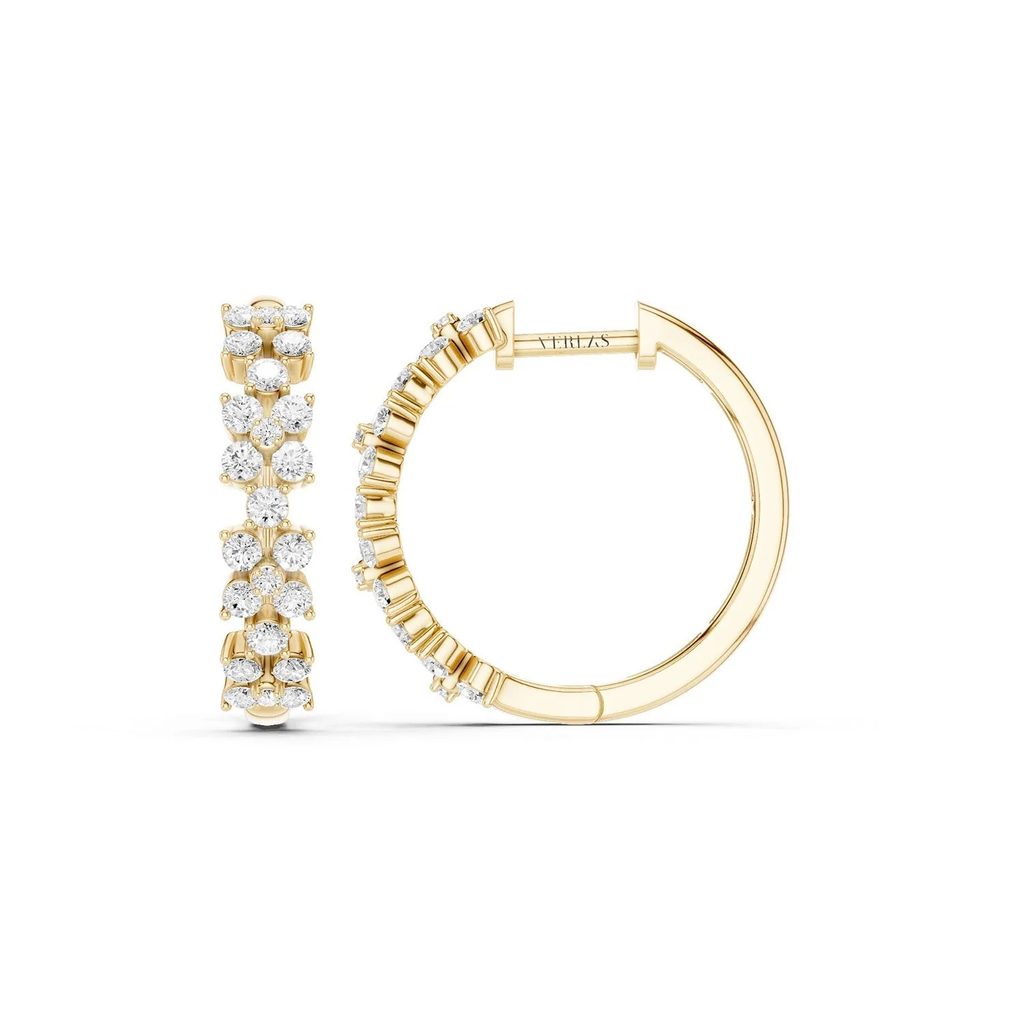
Among the highlights are the Alyssa Cuatro Floral Hoops, featuring five round lab-grown diamonds arranged in a delicate floret on a solid gold hoop. For a softer, more elegant look, these round-cut diamonds bring a classic appeal – perfect for those who prefer understated sparkle.
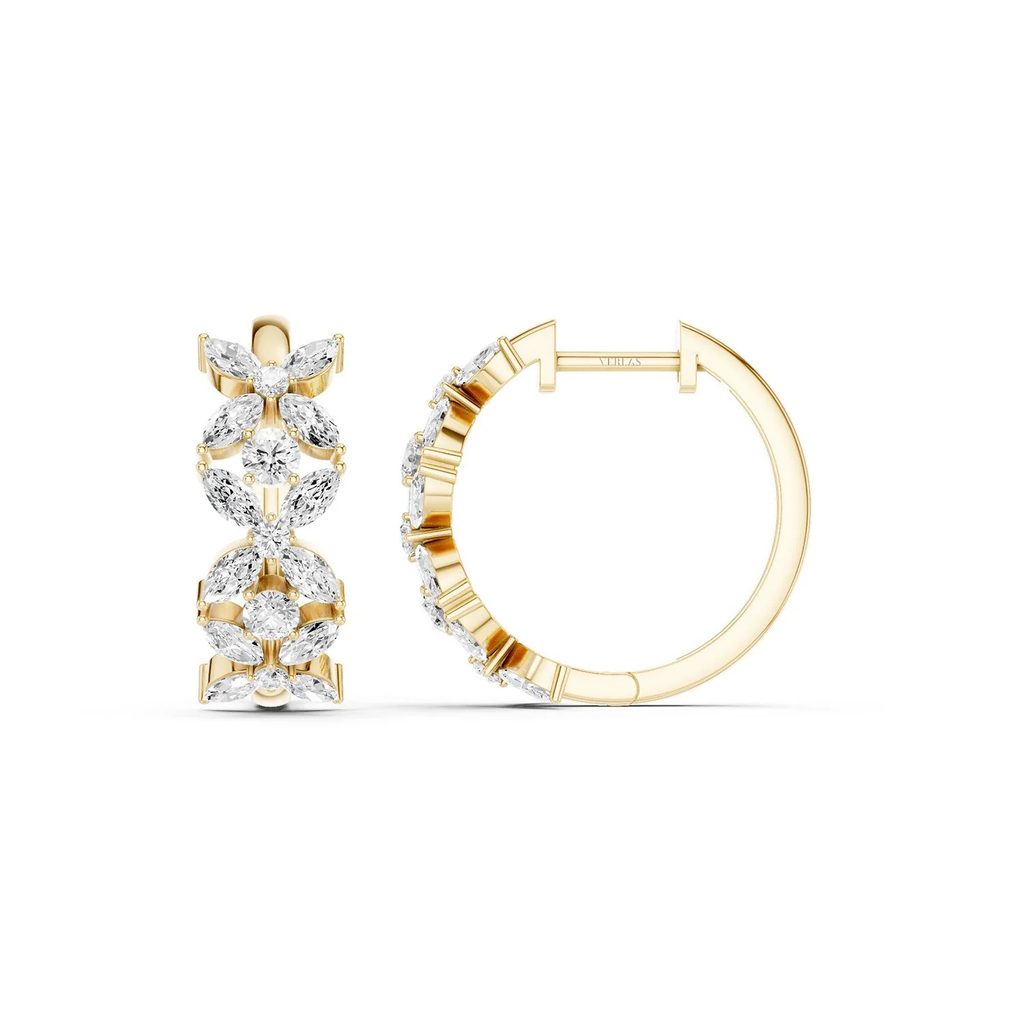
If bold and distinctive is more your style, the Alyssa Tres Marquise Diamond Huggies bring an elongated floral silhouette with marquise-cut diamond petals.
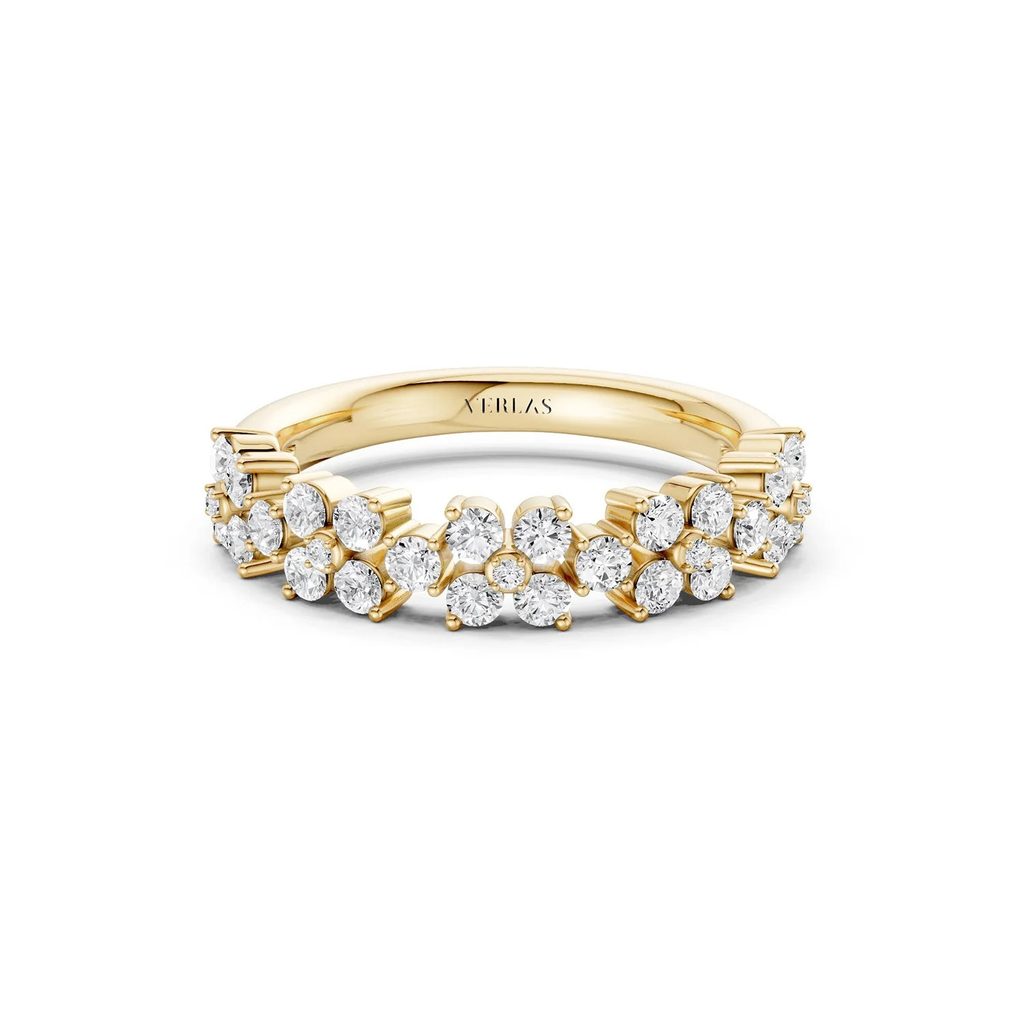
The Alyssa Radiant Bloom Ring offers another take on the floral motif, bringing together round-cut diamonds for a radiant, feminine look.
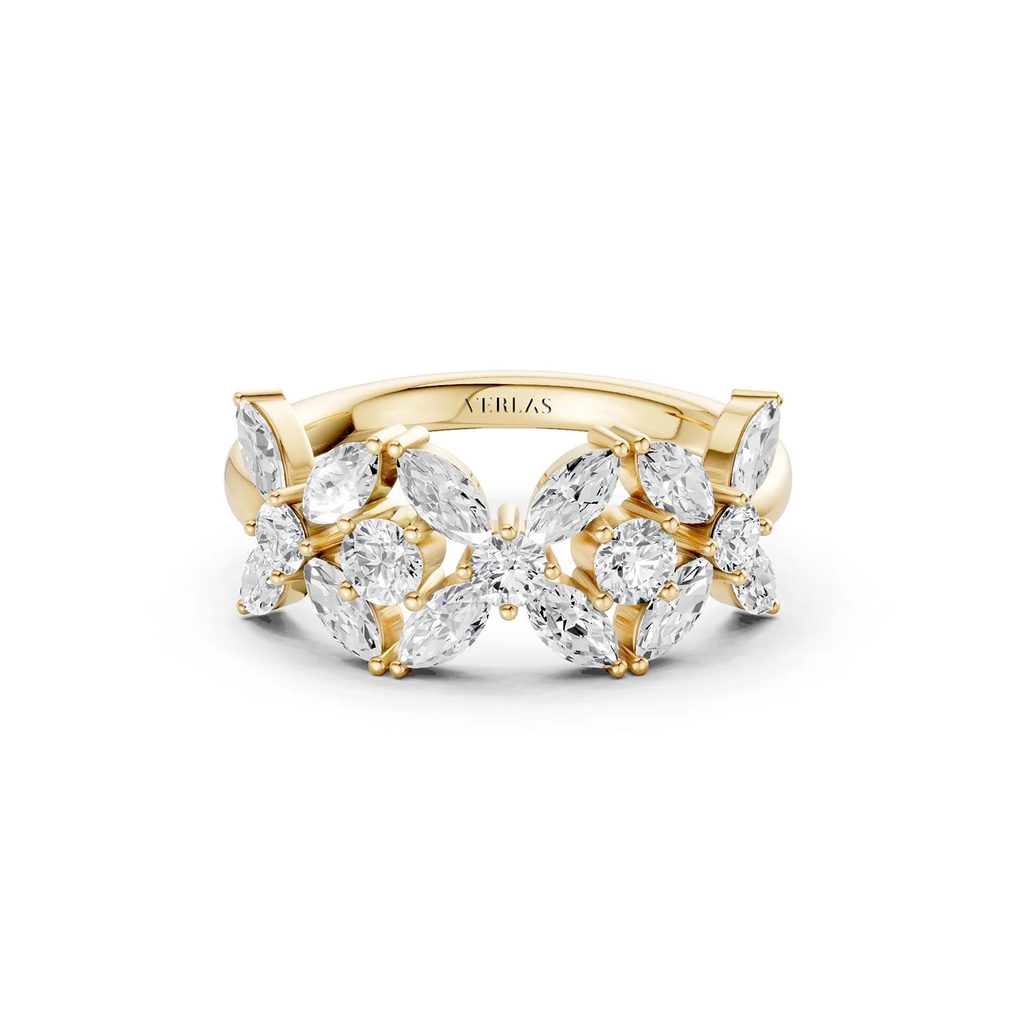
Meanwhile, the Alyssa Trio Marquise Bouquet Ring takes a bolder approach, featuring three diamond florets crafted with marquise diamond petals. Whether you lean towards the elegant simplicity of round cuts or the bolder character of marquise cuts, the Alyssa collection offers a floral style to match.
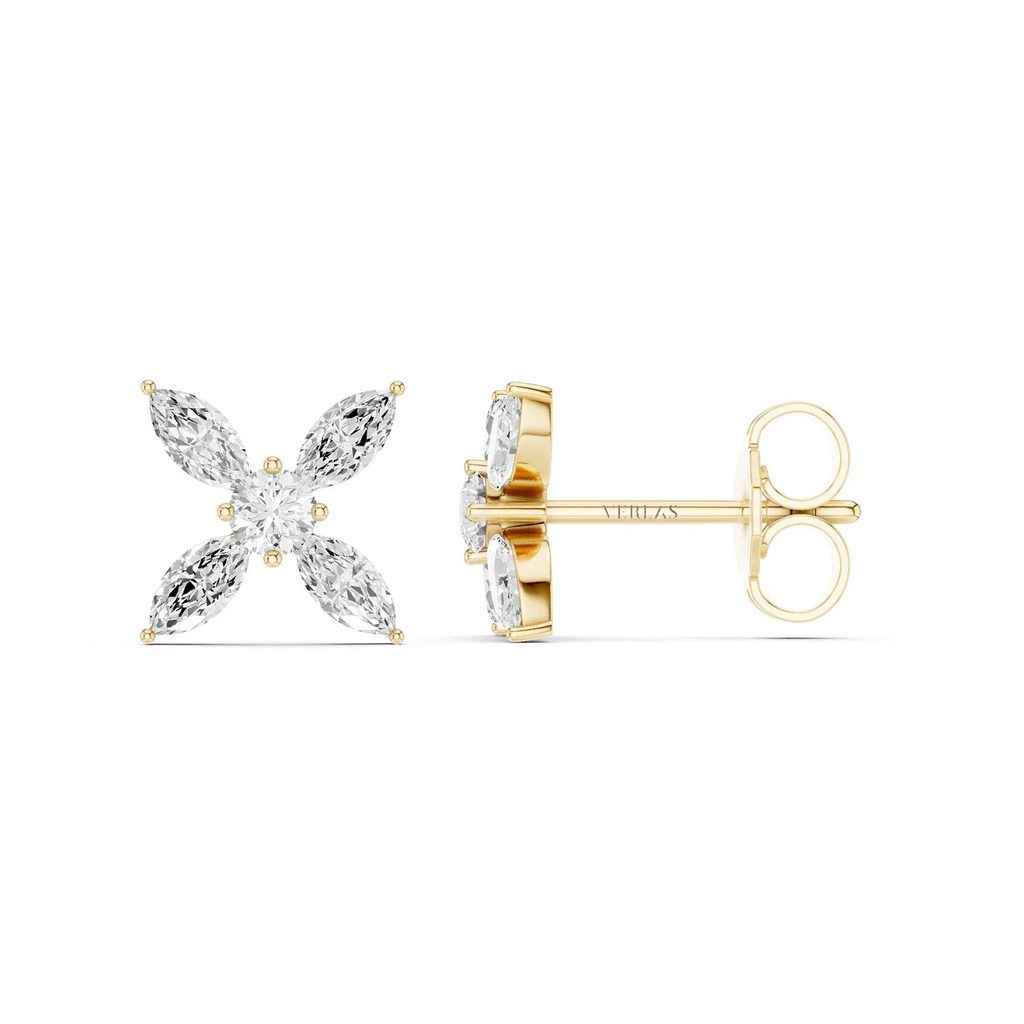
The Alyssa Marquise Studs bring a fresh take on florals, with marquise-cut diamonds forming an X-shaped motif around a round centre. Easy enough for everyday, yet special enough for evenings out, they’re the kind of pair you’ll keep reaching for.
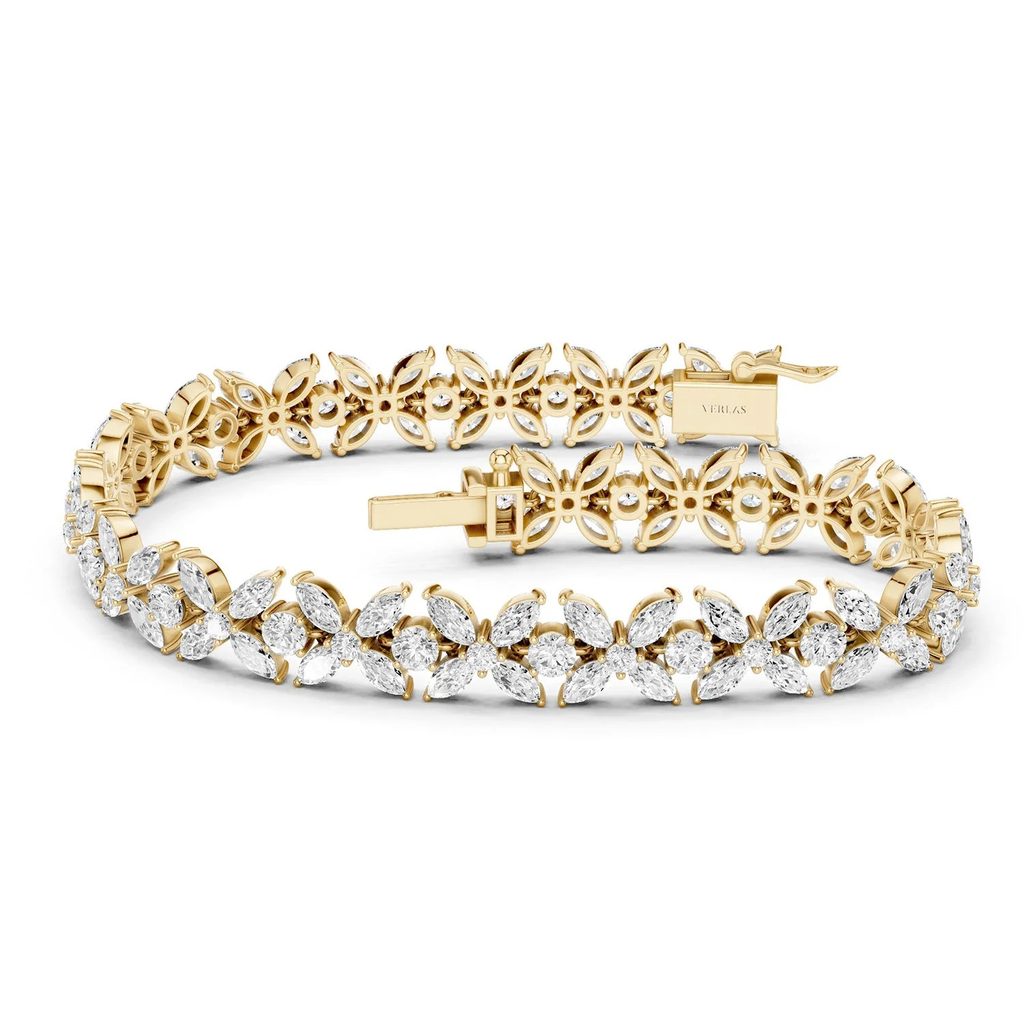
For a little more sparkle, the Alyssa Marquise-Cut Floral Tennis Bracelet makes a statement without feeling reserved for just one occasion. Its floral diamond motifs bring a touch of drama to wedding celebrations, festive evenings and everything in between.
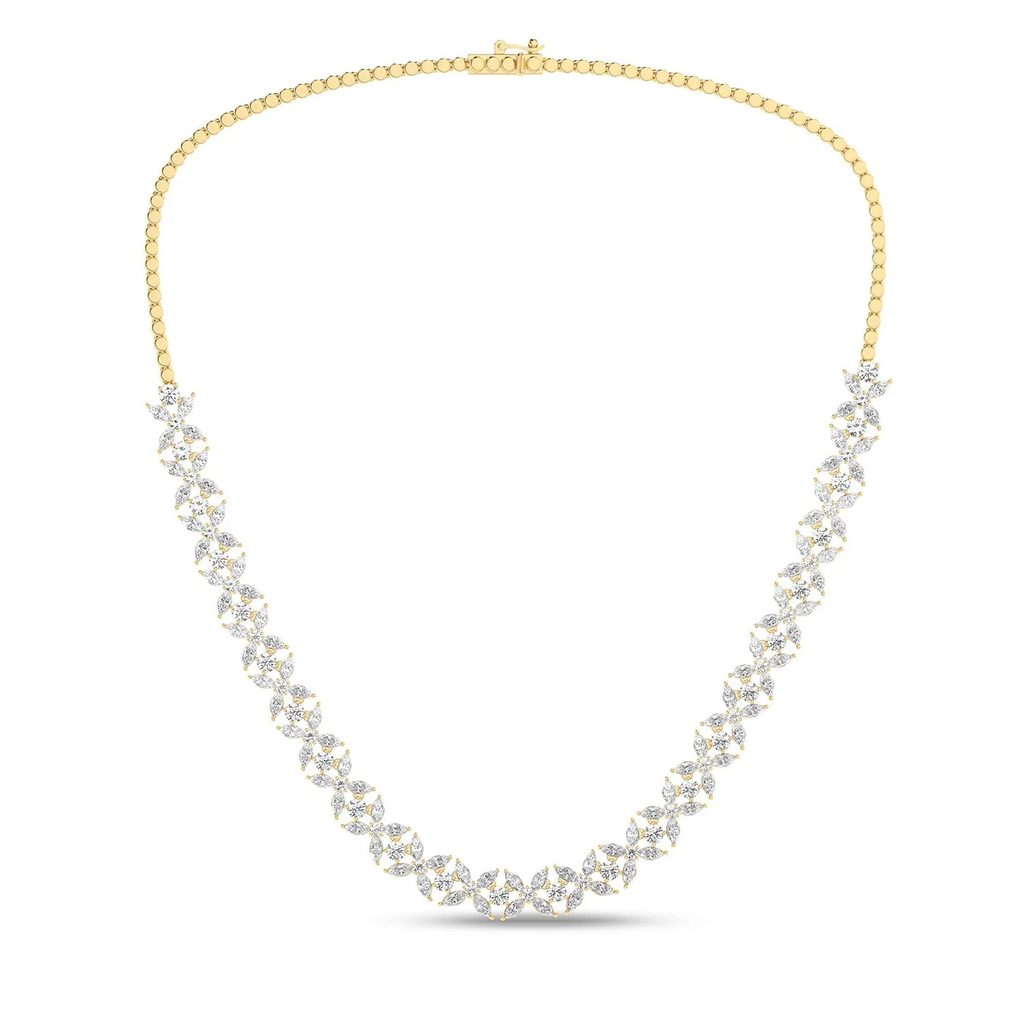
And when you’re ready to go all out, the Alyssa Marquise Radiant Tennis Necklace takes the floral story up a notch. With twenty-three diamond florets and a total weight of 13 carats, it brings together marquise-cut petals and round diamond centres for a look made to shine at the wedding, reception, or your next big celebration.
Available in white, yellow, and rose gold in 14K and 9K, the Alyssa collection reflects Verlas philosophy of creating jewelry that is beautiful, meaningful, and responsibly crafted. Perfect for elevating bridal looks and everyday romance alike.
With its growing presence in India, Verlas continues to bring its modern design and craftsmanship approach to fine jewelry to new audiences, combining considered design, conscious choice, and a more approachable jewelry experience.



Belgian Prime Minister Bart De Wever opens expanded HRD Antwerp laboratory in Mumbai

Verlas Introduces the ‘Alyssa’ Collection in India, Bringing Modern Luxe Floral-Inspired Design to Lab-Grown Diamond Jewelry Crafted in Fine Gold

Gold rebounds,Silver reclaims Rs 2.33 lakh mark

Limelight Lab Grown Diamonds Inaugurates Showroom In Kalyan, Its 8th Exclusive Store MMR
Verlas Introduces the ‘Alyssa’ Collection in India, Bringing Modern Luxe Floral-Inspired Design to Lab-Grown Diamond Jewelry Crafted in Fine Gold
Belgian Prime Minister Bart De Wever opens expanded HRD Antwerp laboratory in Mumbai
-
 National News2 days ago
Limelight Lab Grown Diamonds Inaugurates Showroom In Kalyan, Its 8th Exclusive Store MMR
-
 BrandBuzz12 hours ago
Verlas Introduces the ‘Alyssa’ Collection in India, Bringing Modern Luxe Floral-Inspired Design to Lab-Grown Diamond Jewelry Crafted in Fine Gold
-
 DiamondBuzz12 hours ago
Belgian Prime Minister Bart De Wever opens expanded HRD Antwerp laboratory in Mumbai
-
 National News14 hours ago
Gold rebounds,Silver reclaims Rs 2.33 lakh mark
