National News
FM: RBI’s gold buying not to replace $ for settlements
FM Nirmala Sitharaman on Monday clarified in the Lok Sabha that India’s rising gold reserves, including those held by RBI, is not intended to replace any international currency.

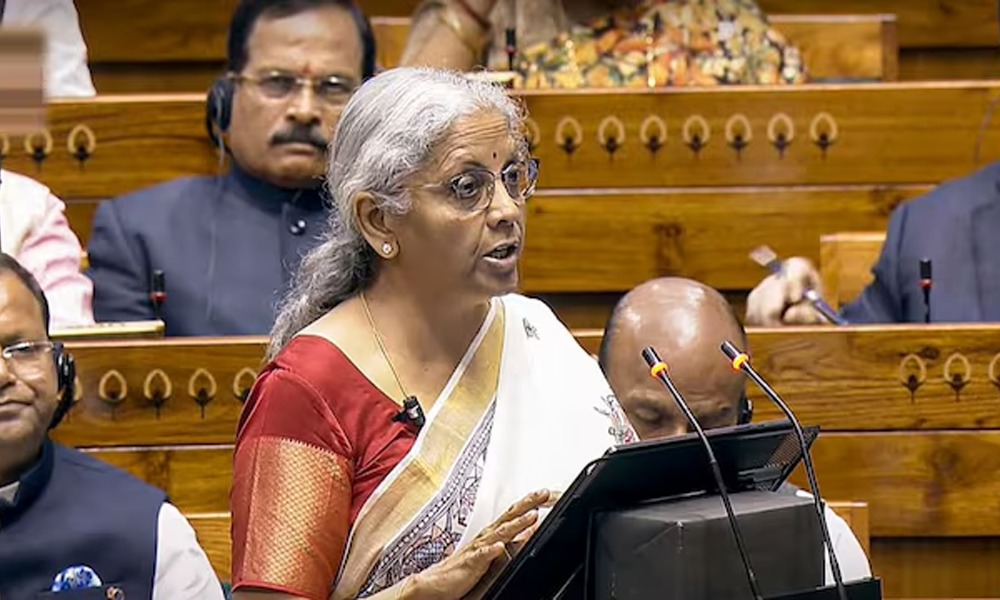
She responded to Congress MP Manish Tiwari’s concerns about whether the global shift towards gold signalled a move away from the US dollar as a dominant settlement mechanism.
Sitharaman said, “Gold is also kept in the Reserve Bank and gold is also being bought by the Reserve Bank. But beyond that, as regards an international currency or potential currency, there is not much for me to comment at this stage.”
Congress MP Tiwari stated that since the US abandoned the gold standard in 1971, gold had lost its significance as a major financial asset. However, in recent years, central banks worldwide have increased their gold holdings. From constituting only 6% of global reserves in 2006, gold now makes up about 11% in 2024. Countries like China, India, Poland, and Turkey have been among the most aggressive buyers, and domestic gold prices in India have surged as well. He asked “this shift away from the dollar to gold, does it indicate a renewed search for an alternative international settlement mechanism being cost the dollar?”








National News
GJEPC, IndusInd Bank Host Webinar On FEMA Guidelines For GJ Exporters
Webinar Outlined How The Updated Regulatory Framework Enhances Operational Ease While Adjusting Key Trade Timelines.

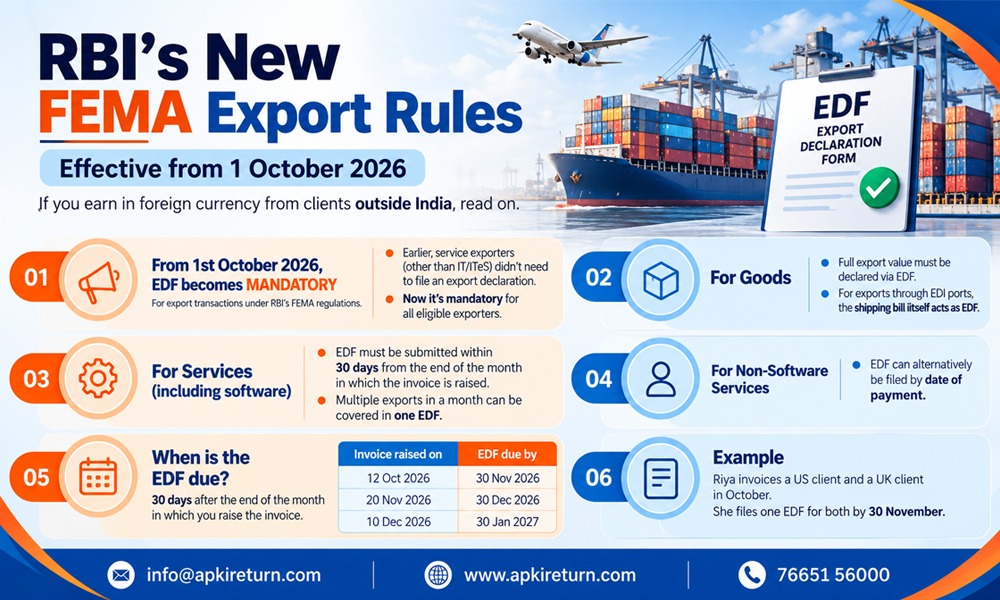
GJEPC in association with IndusInd Bank, held a joint online webinar aimed at explaining the revised Foreign Exchange Management Act (FEMA) guidelines and their direct operational impact on the gem and jewellery trade.
The interactive session featured key industry figures and financial experts, including Prakash Kumar Rath (Head – Gems, Jewellery and Diamond Division, IndusInd Bank), Mital Doshi (Convenor – Banking, Insurance and Taxation Sub-committee, GJEPC), and Sumit Dolwani (Manager – Trade Policy, GJEPC). Together, they outlined how the updated regulatory framework enhances operational ease while adjusting key trade timelines.
Shorter Export Realisation Periods: Timelines for foreign currency invoices have been adjusted from 12 months down to 9 months, while Rupee invoices have been revised from 15 months down to 12 months.
Greater Flexibility for Extensions: Authorised Dealer (AD) banks can now grant time extensions based on individual transaction circumstances, significantly reducing the requirement for routine Reserve Bank of India (RBI) referrals.
Revised Import Payment Timelines: Import payments will now be governed primarily by commercial contracts, replacing the former rigid six-month and 360-day restrictions.
Greater Discretion on Advance Payments: Banks have been given enhanced flexibility in framing internal policies for advance remittances instead of strictly adhering to fixed monetary thresholds.
Flexibility in Third-Party Payments: Third-party payments are now permitted subject to prescribed regulatory conditions and the satisfaction of the AD bank.
Simplified Handling of Pending Cases: AD banks can directly resolve outstanding EDPMS and IDPMS cases without needing to refer every individual matter to the RBI.
Speakers emphasized that exporters must maintain precise records and complete supporting documentation for all transactions, including those monitored through EDPMS and IDPMS.



Joyalukkas Opens ‘Jewel Of Joy,’ The Biggest jewellery Destination In The Middle East’s At Dubai Gold District.

PNG Jewellers Brings Madhuri Dixit and Ranbir Kapoor Together In Its New Brand Campaign, Unstoppable Legacy

GJEPC, IndusInd Bank Host Webinar On FEMA Guidelines For GJ Exporters

US Holiday Shopping Expected To Top $1 Trillion For The First Time: NRF
Joyalukkas Opens ‘Jewel Of Joy,’ The Biggest jewellery Destination In The Middle East’s At Dubai Gold District.
GJEPC, IndusInd Bank Host Webinar On FEMA Guidelines For GJ Exporters
-
 International News8 hours ago
US Holiday Shopping Expected To Top $1 Trillion For The First Time: NRF
-
 New Premises5 hours ago
Joyalukkas Opens ‘Jewel Of Joy,’ The Biggest jewellery Destination In The Middle East’s At Dubai Gold District.
-
 National News8 hours ago
GJEPC, IndusInd Bank Host Webinar On FEMA Guidelines For GJ Exporters
-
 BrandBuzz5 hours ago
PNG Jewellers Brings Madhuri Dixit and Ranbir Kapoor Together In Its New Brand Campaign, Unstoppable Legacy