
International News
Despite business closures, jewellery industry shows signs of steadying; JBT
Hundreds more US jewelry businesses ceased trading in Q3, according to the latest update from the Jewelers Board of Trade (JBT), which provides commercial credit information.

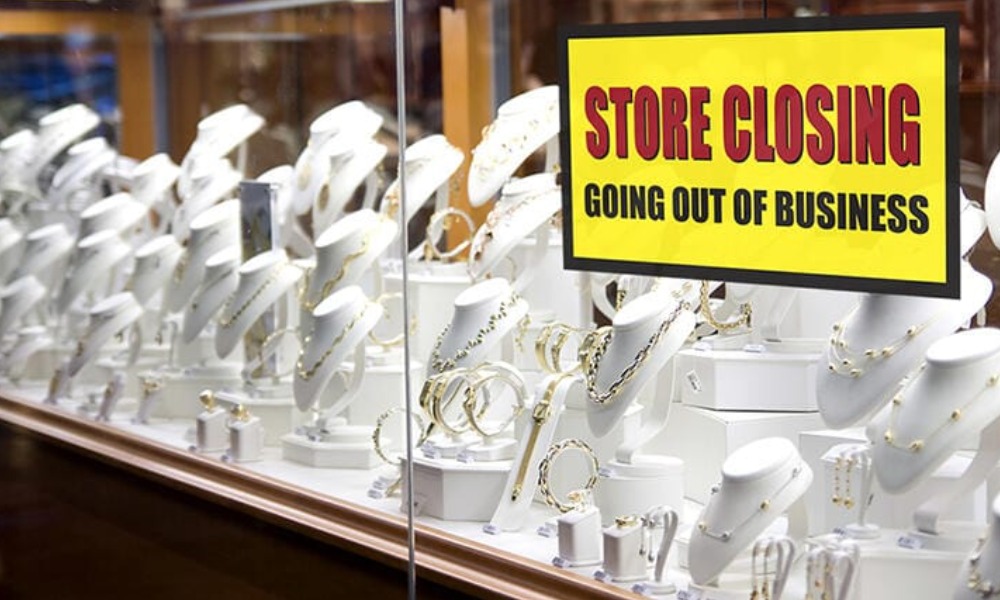
The rate of decline remains steady, with the total number of registered retailers, wholesalers and manufacturers down by 3.1 per cent, as it was in Q2, and largely in line with recent quarters.
Ongoing uncertainty around major trade relationships and supply chain risks continued to impact business sentiment. Still, there were signs of measured progress for the jewelry industry.
In the three months to 30 September the number of jewelry businesses fell by 706 to a total of 22,858. That takes account of new businesses as well as ceased operations.
There were 89 new listings during Q3 2025, compared to 112 in Q3 2024, a drop of a fifth. But there were also 100 closures, down a quarter on 136 in Q3 2024.
Overall there were 93 fewer manufacturers, a reduction of 4.2 per cent to 2,096; 96 fewer wholesalers, a reduction of 2.9 per cent to 3,234; and 517 fewer retailers, a reduction of 3.0 per cent to 16,822, according to JBT’s Vital Statistics and Trend Data, published on 4 December.
Although this year may have seen concerning shifts at times economically, the jewelry industry shows signs of steadying according to JBT.


International News
Nike Enters Jewellery Market With First-Ever Collection Priced Up To $5,750
The Sportswear Giant Expands Into Jewellery, Bringing Its Brand Identity To A New Category With Premium-Priced Pieces.

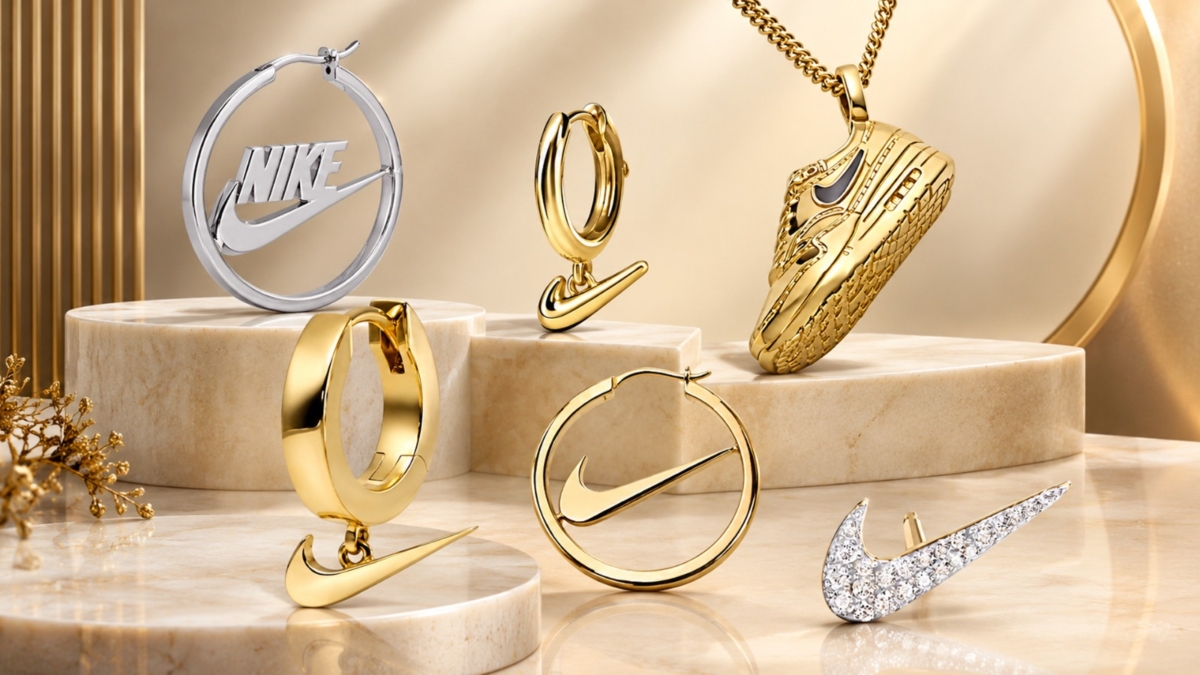
Nike is extending its brand into the jewellery market with its first dedicated jewellery collection, featuring necklaces, earrings and pendants inspired by its signature designs. The range includes a miniature Air Force 1 pendant necklace priced at $5,750, making it the collection’s standout piece.
The lineup also features a crystal-covered Swoosh necklace at $1,750, Swoosh earrings priced at $995 and an Air Max 1 pendant at $395. More accessible designs include Swoosh necklaces and hoop earrings in silver and gold finishes.
The collection combines sportswear culture with premium accessories, transforming Nike’s recognisable logos and footwear silhouettes into wearable jewellery. The range is scheduled to begin releasing through Nike’s SNKRS platform on 29 October 2026, with availability varying by design.



Malabar Gold & Diamonds Unveils ‘SWAYE’, A Natural Diamond Collection Inspired By Spiral Forms and Modern Elegance

Nike Enters Jewellery Market With First-Ever Collection Priced Up To $5,750

Kylie Jenner Debuts At Victoria’s Secret Show In $50 Million Fantasy Bra By Jacob & Co.

Limelight Lab Grown Diamonds Crosses 100 Stores Milestone This Dussehra: Targets 200 In 2027
Malabar Gold & Diamonds Unveils ‘SWAYE’, A Natural Diamond Collection Inspired By Spiral Forms and Modern Elegance

De Beers Q3 Sales Volume Rises 71% Year On Year On Price Cuts
-
 National News2 days ago
Limelight Lab Grown Diamonds Crosses 100 Stores Milestone This Dussehra: Targets 200 In 2027
-
 BrandBuzz1 hour ago
Malabar Gold & Diamonds Unveils ‘SWAYE’, A Natural Diamond Collection Inspired By Spiral Forms and Modern Elegance
-
 DiamondBuzz4 hours ago
De Beers Q3 Sales Volume Rises 71% Year On Year On Price Cuts
-
 DiamondBuzz2 hours ago
Kylie Jenner Debuts At Victoria’s Secret Show In $50 Million Fantasy Bra By Jacob & Co.
