JB Insights
BIJS 2023 ends on a high note; overwhelming response from trade

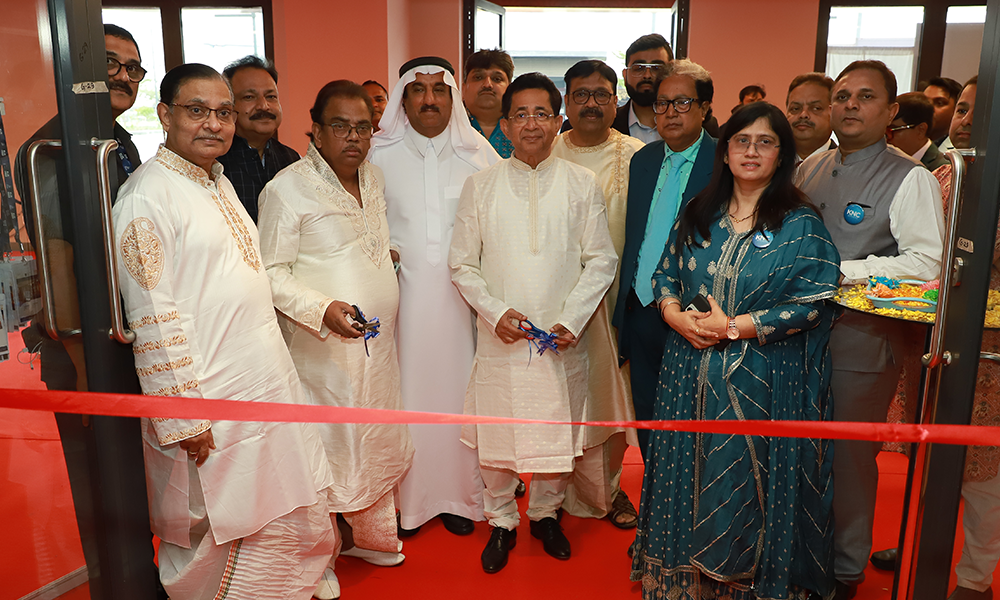
The 4th edition of the Bengal International Jewellery Show 2023 (BIJS), from 8-19 Dec 2023 , organised by KNC Services, concluded with an overwhelming response, generating its highest-ever business for the trade. The largest gem and jewellery fair in East India had 10,000+ visitors at the Milan Mela Exhibition Centre, Kolkata


Show Highlights:
- ✅ 250+ manufacturing companies exhibited at the show
- 👥 10,000+ national visitors from across India
- 🛍️ 50+ retail chains participated from all over India
- 🌍 500+ overseas buyers from 10+ countries
The event witnessed more than 500 visitors from over 10 countries, including the USA, UK, UAE, Saudi Arabia, Qatar, Bangladesh, Bahrain, Kuwait, Germany, Turkey, and many more. The distinguished guest list included hosted buyers from all regions, elevating the event to an unparalleled international stature
Kranti Nagvekar, Founder of KNC Services, expressed, “I wish to convey my appreciation to both exhibitors and visitors for their incredible support. We saw a remarkable turnout of over 10,000 visitors hailing from 500 cities across India, marking this as the most successful East India trade show in 2023



The grand show was marked with the distinguished presence of Shri Joy Alukkas, Founder & Chairman of Joyalukkas India Pvt Ltd., who inaugurated the expo along with Ali Saleh Baterfi Al Kindi, Vise Chairman, Federation of Council of Saudi Chamber, Jeddah, Saudi Arabia; Samar Kumar De, President, SSBC; Arun Kumar Varma, President, BGJA; Tagar Chandra Poddar, General Secretary, Bangiya Swarna Shilpi Samiti;.Kranti Nagvekar, Founder and MD, KNC Services; Suvankar Sen, Chairman and MD, Senco Gold; Saiyam Mehra, Chairman, GJC; Suber Sen, Chairman, B.C. Sen Jewellers, Pankaj Pariekh, Regional Chairman, GJEPC amongst others.
KNC conducted various events honouring stalwarts and achieve4s in the GJ industry during BIJS 2023


Durga Awards
KNC honoured five women entrepreneurs for their tremendous work in the jewellery industry; the awardees were Ranjana Sen, Chairman, Senco Gold Ltd., Nilima De., Partner, Guinea Emporium,Pooja Mehra, Director, Unique Chains,Sushma Epari, Director, Epari Jewellers,Prerna Gupta, MD, Rhombus Jewels.
Hunnar Awards
As everyone knows, East India is known for its craftsmanship. The award organised by KNC supported by local associations, the Hunnar Awards for all handcrafted jewellery karigars for their best jewellery-making designs. The awards were given to the honoured top 3 handcrafted jewellery artisans who submitted their handmade jewellery on December 8th for the jury round; the final 3 got selected by the jury ( Joy Alukkas, Suvankar Sen, Al Batarfi, Kranti Nagvekar, and all Dias members were part of the jury). The 1st prize of the Hunnar Award is Rs. 100000, the 2nd is Rs. 50000, and the 3rd is Rs. 25000. The same was given by Samer Dey and by Ms. Kranti Nagvekar
Networking Event
KNC Services organised the networking event on the second day of the show, i.e., December 9, 2023, to build the network between manufacturers, wholesalers, and retailers
Lifetime Achievement Award
KNC has honoured Hasmukh Parikh with a life-time achievement award for his tremendous work towards the industry; his company is one of the top export jewellery companies from the East region.
On this momentous occasion, KNC launched their upcoming Riyadh show in Saudi Arabia. Dates and venue were announced, along with the 2nd edition of the Jeddah Show.








JB Insights
CIBIL Score Plays A Key Role In Festive Financing
A Consumer’s CIBIL Score and Report Play A Decisive Role In Determining Loan Eligibility, Interest Rates, and Overall Borrowing Terms During High-Spending Seasons.


Gold in India is more than just a precious metal; it represents tradition, emotion, and long-term financial security. As major celebrations such as Dhanteras, Diwali, and the upcoming wedding season approach, consumer demand for gold reaches its annual peak.
However, with gold prices rising due to both global macroeconomic pressures and heightened domestic demand, an increasing number of buyers are turning to credit options—specifically gold loans and personal loans—to finance their festive purchases.
In light of these market dynamics, maintaining awareness of one’s financial profile is critical.
A consumer’s CIBIL Score and Report play a decisive role in determining loan eligibility, interest rates, and overall borrowing terms during high-spending seasons.
The Mechanics Behind Festive Gold Price Surges
Gold prices do not move in isolation. The seasonal increase in retail price is driven by a combination of key domestic and international factors:
Global Economic Uncertainty: International market volatility frequently drives capital into gold as a traditional safe-haven asset.
Macroeconomic Indicators: Currency fluctuations and persistent inflation impact local procurement costs.
Domestic Seasonal Demand: Concentrated buying during auspicious cultural dates creates short-term supply-demand imbalances, further driving up retail costs.
The Strategic Role of Your CIBIL Score in Festive Financing
When household budgets face pressure during peak shopping periods, credit-based financing offers immediate liquidity. Whether securing an uncollateralized personal loan or a loan against existing gold holdings, financial institutions rely heavily on credit risk assessments.
The CIBIL Score—a 3-digit numerical summary ranging from 300 to 900—serves as the primary benchmark for creditworthiness:
Approval Probability: A high CIBIL Score significantly increases the likelihood of quick loan sanctioning.
Cost of Capital: Lenders offer competitive, lower interest rates to high-scoring applicants, reducing total borrowing costs.
Flexible Repayment Structure: Favorable credit profiles grant borrowers stronger leverage to negotiate manageable tenure options.
Best Practices for Smart Festive Borrowing
To enjoy festive celebrations without compromising long-term financial stability, consumers are advised to adopt responsible borrowing strategies:
Check Credit Reports Early: Review your CIBIL Report prior to applying for financing to resolve any discrepancies or evaluate your standing.
Borrow Within Limits: Limit loan amounts strictly to what can be comfortably serviced within monthly household budgets.
Maintain Timely Repayments: Ensure all equated monthly installments (EMIs) are paid on time to avoid negative marks on your credit profile.
By pairing festive financial planning with active credit monitoring, consumers can meet their cultural commitments while preserving robust financial health for the future.



Joyalukkas Opens ‘Jewel Of Joy,’ The Biggest jewellery Destination In The Middle East’s At Dubai Gold District.

PNG Jewellers Brings Madhuri Dixit and Ranbir Kapoor Together In Its New Brand Campaign, Unstoppable Legacy

GJEPC, IndusInd Bank Host Webinar On FEMA Guidelines For GJ Exporters

US Holiday Shopping Expected To Top $1 Trillion For The First Time: NRF
Joyalukkas Opens ‘Jewel Of Joy,’ The Biggest jewellery Destination In The Middle East’s At Dubai Gold District.
GJEPC, IndusInd Bank Host Webinar On FEMA Guidelines For GJ Exporters
-
 International News8 hours ago
US Holiday Shopping Expected To Top $1 Trillion For The First Time: NRF
-
 New Premises5 hours ago
Joyalukkas Opens ‘Jewel Of Joy,’ The Biggest jewellery Destination In The Middle East’s At Dubai Gold District.
-
 National News8 hours ago
GJEPC, IndusInd Bank Host Webinar On FEMA Guidelines For GJ Exporters
-
 BrandBuzz6 hours ago
PNG Jewellers Brings Madhuri Dixit and Ranbir Kapoor Together In Its New Brand Campaign, Unstoppable Legacy